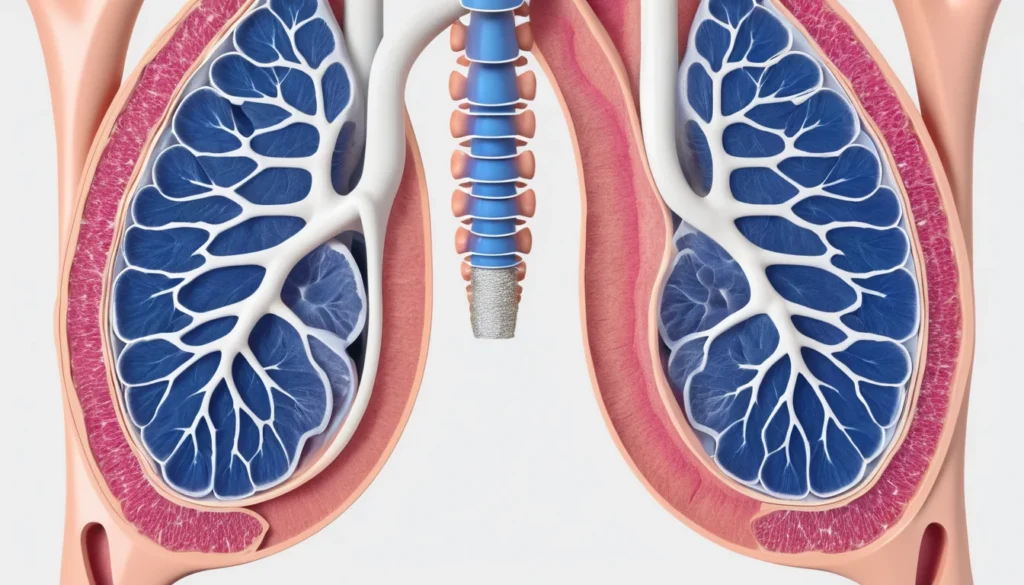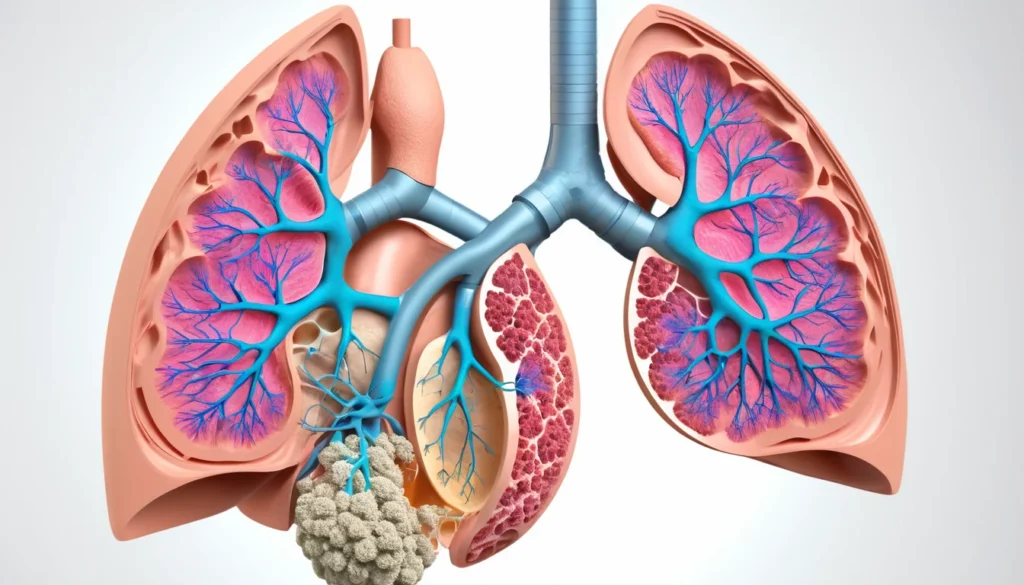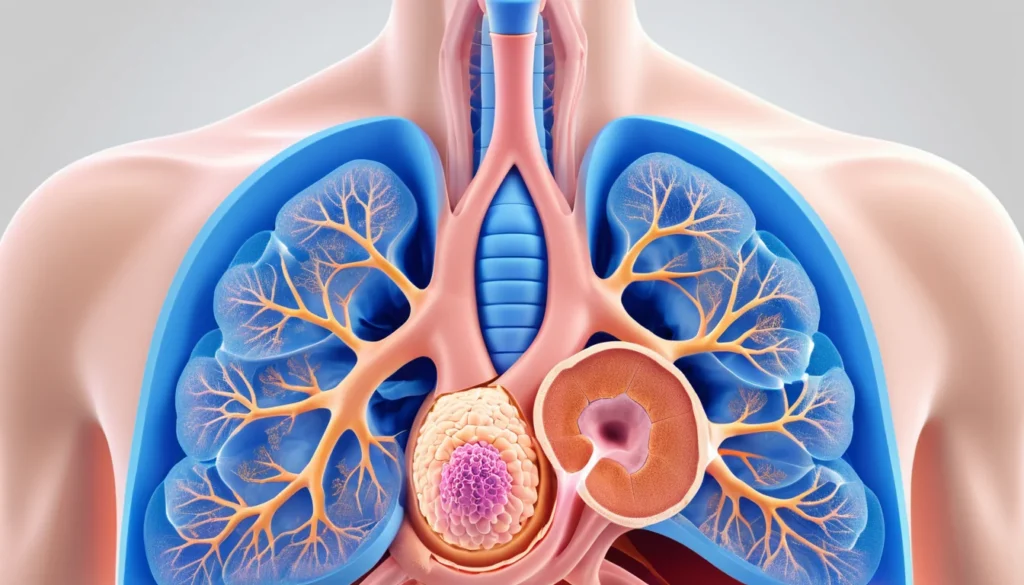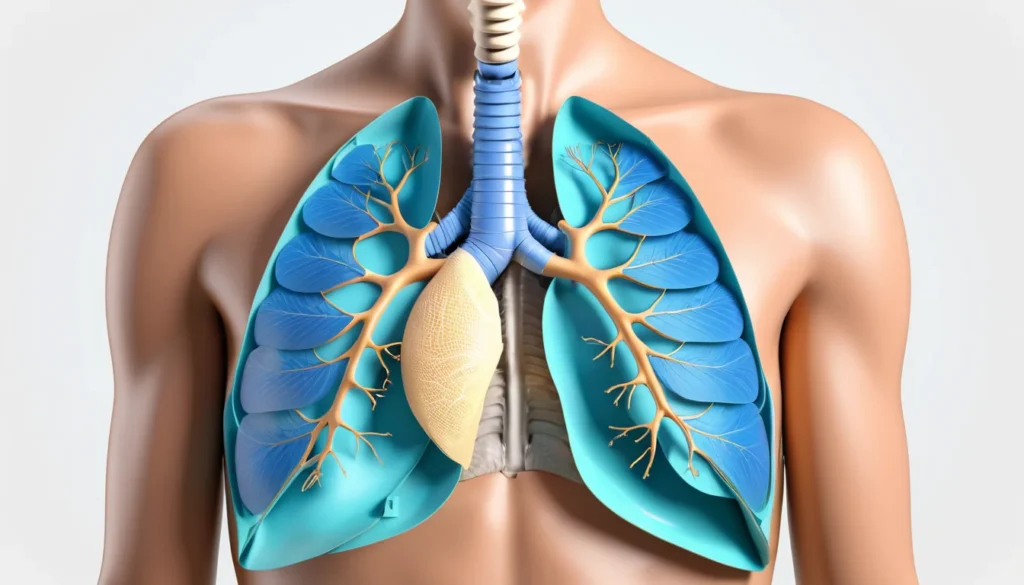
A collapsed lung, known medically as a pneumothorax, happens when air leaks into the space between your lung and chest wall. That trapped air pushes against the lung from outside, causing it to collapse — either partly or completely. This condition can range from mild to life-threatening, so understanding the signs and treatment options is important. In this article, we cover the symptoms, causes, risk factors, and treatments for a collapsed lung.
What Is a Collapsed Lung?
Your lungs sit inside your chest, surrounded by a thin layer of tissue. Normally, there is no air in the space between the lung and the chest wall. When air leaks into that space, it creates pressure that forces the lung to shrink inward.
A collapsed lung can involve just a small section of the lung or the entire lung. A small collapse may heal on its own with rest and monitoring. However, a large collapse is a medical emergency that needs immediate treatment.
According to Mayo Clinic’s overview of pneumothorax, this condition affects people of all ages, though certain groups face higher risk.
Symptoms of a Collapsed Lung
The two most common symptoms of a collapsed lung are sudden, sharp chest pain and shortness of breath. These symptoms can appear out of nowhere, even when you are resting. The severity depends on how much of the lung has collapsed.
In mild cases, symptoms may feel like a minor chest ache. In serious cases, breathing becomes very difficult very quickly. Some people also feel their heart racing or notice their lips or fingertips turning bluish — a sign that the body is not getting enough oxygen.
Key Symptoms to Watch For
Sudden, sharp pain on one side of the chest
Shortness of breath that comes on quickly
Rapid heart rate
Feeling tired or lightheaded
Bluish colour around the lips or fingertips
These symptoms can overlap with other serious conditions, such as a heart attack or blood clot. Therefore, never try to diagnose yourself — always seek medical help right away.
When to See a Doctor
If you experience sudden chest pain or difficulty breathing, do not wait. Call 911 or go to your nearest emergency room immediately. A collapsed lung can become life-threatening within minutes if left untreated.
For milder chest discomfort that comes and goes, visit your family doctor or a walk-in clinic as soon as possible. Most provincial health plans in Canada cover emergency and urgent care visits, so cost should not stop you from getting help. Your family doctor can order a chest X-ray to check what is happening inside your chest.
If you do not have a family doctor, walk-in clinics across Canada can assess your symptoms and refer you for imaging. Many also have access to same-day X-ray services. Always consult a healthcare professional for any chest-related symptoms — this article is for informational purposes only.
Causes of a Collapsed Lung
There are several reasons why a collapsed lung can happen. Some causes are related to injury, while others are linked to underlying health conditions.
Chest Injury
A direct blow or penetrating wound to the chest can cause the lung to collapse. This can happen during a car accident, a fall, or a sports injury. In some cases, a collapsed lung can also occur accidentally during a medical procedure that involves inserting a needle near the chest.
Underlying Lung Disease
Damaged lung tissue is weaker and more likely to collapse. Conditions that increase this risk include:
Chronic obstructive pulmonary disease (COPD) — a group of diseases that block airflow
Cystic fibrosis — a genetic condition that affects the lungs and digestive system
Lung cancer — tumours can weaken lung tissue
Pneumonia — serious lung infections can damage tissue
Lymphangioleiomyomatosis (LAM) — a rare disease that forms small air sacs in the lung tissue
These air sacs can burst, allowing air to escape into the chest cavity and cause a collapsed lung.
Ruptured Air Blisters
Small air blisters, called blebs, can form on the top of the lungs. These blebs sometimes burst without warning, even in otherwise healthy people. This type of collapsed lung is most common in young, tall, thin adults between the ages of 20 and 40.
Mechanical Ventilation
People on a breathing machine (ventilator) face a higher risk of a collapsed lung. The ventilator can create uneven air pressure inside the chest. In severe cases, this causes the lung to collapse completely.
For more detail on lung conditions and their causes, visit Health Canada’s official health information page.
Risk Factors for a Collapsed Lung
Anyone can develop a collapsed lung, but some people face a higher risk. Understanding your personal risk factors can help you stay alert to early warning signs.
Who Is Most at Risk?
Males are more likely than females to experience a collapsed lung, especially the type caused by ruptured air blisters.
Tall, thin people aged 20 to 40 have a higher risk of spontaneous collapse.
Smokers face a significantly higher risk. The more you smoke and the longer you smoke, the higher your risk — even without developing emphysema.
People with a family history of pneumothorax may have a genetic tendency toward it.
Anyone who has had a previous collapsed lung is at increased risk of having another one.
People on mechanical ventilation are at risk due to pressure imbalances in the chest.
If you are a smoker and experience any chest symptoms, speak to your family doctor as soon as possible. Quitting smoking reduces this risk significantly and benefits your overall lung health.
How Is a Collapsed Lung Diagnosed?
Doctors typically diagnose a collapsed lung using a chest X-ray. The X-ray shows air in the chest cavity and reveals how much of the lung has collapsed. This is a quick, widely available test at most hospitals and many walk-in clinics across Canada.
In some cases, your doctor may also order a CT scan (computed tomography scan) for a more detailed image of the lungs. Ultrasound imaging can also detect a collapsed lung, and doctors often use it in emergency settings because it provides fast results.
Treatment Options for a Collapsed Lung
Treatment for a collapsed lung depends on the size of the collapse, the underlying cause, and your overall health. The main goal is to relieve pressure on the lung so it can re-expand fully. A second goal is to prevent the collapse from happening again.
According to Healthline’s guide to pneumothorax treatment, doctors use several approaches depending on severity.
1. Observation and Rest
If only a small portion of your lung has collapsed, your doctor may simply monitor you over time. You will have a series of chest X-rays over several days or weeks to track whether the lung is re-expanding on its own. This approach works best when the collapse is minor and you are otherwise healthy.
You may also receive supplemental oxygen during this period. Oxygen therapy helps speed up the reabsorption of trapped air and supports lung re-expansion.
2. Needle Aspiration
If a larger area of the lung has collapsed, a doctor may insert a hollow needle between your ribs into the air-filled space. A thin, flexible tube called a catheter is placed through the needle. The doctor then removes the needle and uses a syringe attached to the catheter to draw out the trapped air.
The catheter may remain in place for a few hours to ensure the lung stays expanded and the collapse does not return.
3. Chest Tube Insertion
For more serious collapses, a doctor inserts a flexible chest tube between your ribs. This tube connects to a one-way valve device that continuously drains air from the chest cavity. The tube stays in place until the lung has fully re-expanded and healed.
This procedure is typically done in hospital and may require a short stay depending on recovery progress.
4. Non-Surgical Repair
If a chest tube does not fully re-expand the lung, doctors may try non-surgical options to seal the air leak. One method uses a substance that irritates the tissue around the lung, causing it to stick together and seal any openings. This process is called pleurodesis.
Another option involves drawing a small amount of blood from your arm and injecting it near the leak site. The blood helps form a natural patch over the opening.
5. Surgery
Surgery becomes necessary when other treatments do not work, or when a collapsed lung keeps recurring. A surgeon can close the leak directly and may also perform pleurodesis during the procedure to prevent future collapses. In Canada, this surgery is covered under provincial health plans when medically necessary.
Possible Complications
Most people recover fully from a collapsed lung with proper treatment. However, complications can occur. In some cases, the air leak does not close on its own, and air continues to build up in the chest. This is a serious condition that requires urgent medical attention.
There is also a risk of recurrence. Anyone who has had a collapsed lung before is more likely to experience another one. Furthermore, if a large collapse is left untreated, it can cause a dangerous drop in blood pressure and oxygen levels — a condition called tension pneumothorax. This is a medical emergency.
Frequently Asked Questions
What does a collapsed lung feel like?
A collapsed lung typically causes sudden, sharp chest pain on one side and shortness of breath. Some people describe the pain as stabbing or tight. The severity depends on how much of the lung has collapsed — a small collapse may feel like mild chest discomfort, while a large one makes breathing very difficult.
Can a collapsed lung heal on its own?
Yes, a small collapsed lung can sometimes heal on its own with rest and careful monitoring. Your doctor will use chest X-rays to track your progress over several days or weeks. However, a larger or worsening collapsed lung always requires medical treatment — do not assume it will resolve without seeing a doctor.
How long does it take to recover from a collapsed lung?
Recovery time for a collapsed lung depends on the size of the collapse and the treatment used. A minor collapse monitored without intervention may resolve within a few weeks. After a chest tube procedure or surgery, most people recover within one to two weeks in hospital, followed by several more weeks of rest at home.
Is a collapsed lung a medical emergency?
A collapsed lung can be a medical emergency, especially if the collapse is large or getting worse. If you experience sudden chest pain and difficulty breathing, call 911 or go to the nearest emergency room immediately. Even a small collapsed lung should be assessed by a doctor as soon as possible.
What causes a collapsed lung in otherwise healthy people?
In healthy people, a collapsed lung is often caused by the spontaneous rupture of small air blisters (blebs) on the top of the lung. This type is called a spontaneous pneumothorax and is most common in young, tall, thin men between the ages of 20 and 40. Smoking also significantly increases the risk, even in people without known lung disease.
Can smoking cause a collapsed lung?
Yes, smoking is a significant risk factor for a collapsed lung. The longer you smoke and the more cigarettes you smoke, the higher your risk becomes. This risk exists even if you have not been diagnosed with emphysema or another lung disease. Quitting smoking is one of the most effective ways to lower your risk.
Key Takeaways
A collapsed lung (pneumothorax) happens when air leaks into the space between the lung and chest wall, causing the lung to shrink inward.
The main symptoms are sudden chest pain and shortness of breath — call 911 if symptoms are severe.
Causes include chest injuries, underlying lung disease, ruptured air blisters, and mechanical ventilation.
Risk is higher in males, smokers, tall thin young adults, and people with a previous collapsed lung.
Treatment ranges from rest and observation to chest tubes or surgery, depending on severity.
In Canada, emergency treatment and medically necessary surgery are covered by provincial health plans.
Always speak with your family doctor or visit a walk-in clinic if you have any concerns about chest pain or breathing difficulties. This article is for general information only and does not replace professional medical advice.