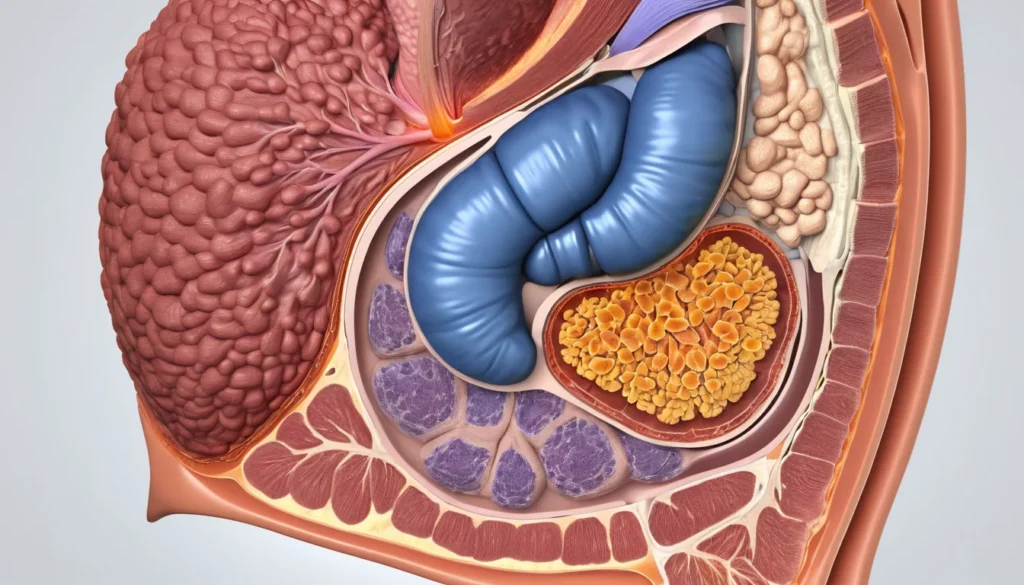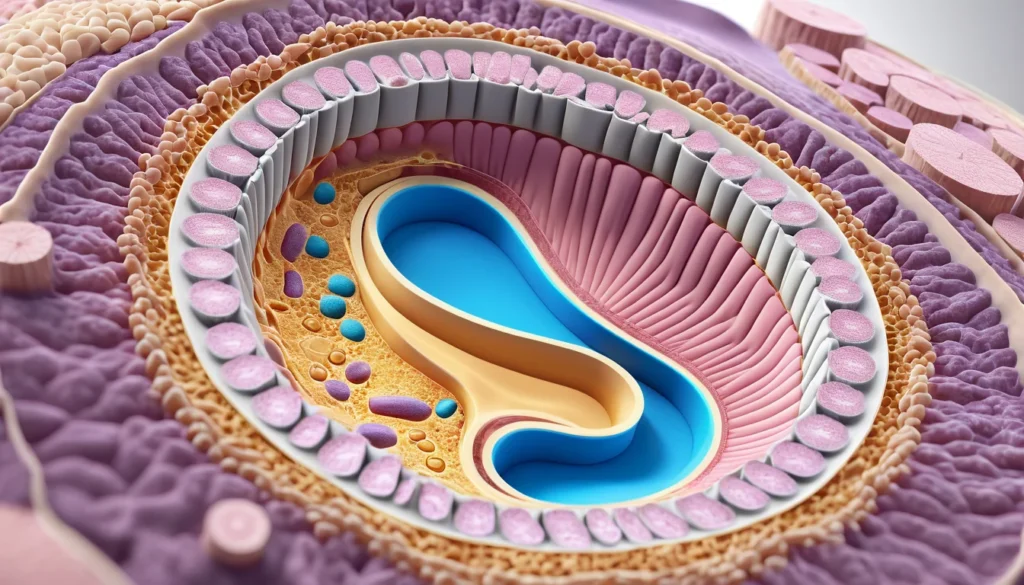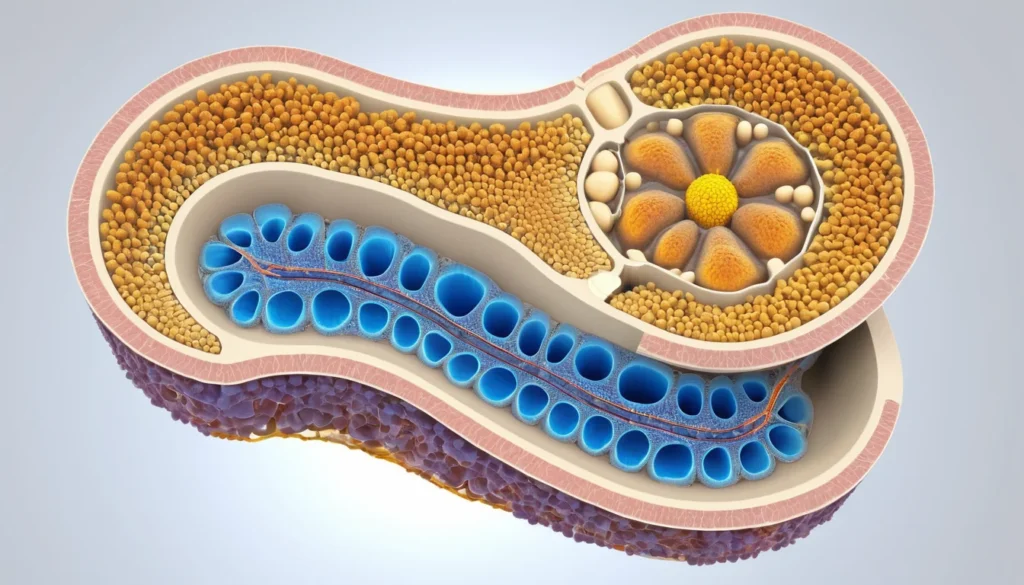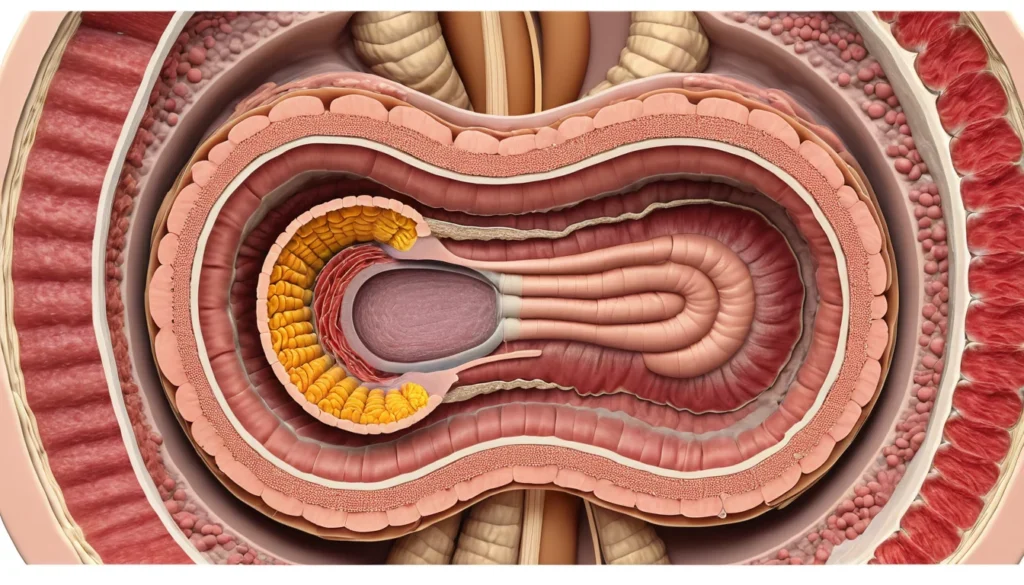
Colitis is an inflammation of the inner lining of the colon, also called the large intestine. It can appear suddenly as an acute condition, or it can develop slowly and become chronic. Common signs include abdominal pain, diarrhoea, and sometimes blood in the stool. Understanding the causes and symptoms of colitis can help you get the right care faster — whether that means calling your family doctor or heading to a walk-in clinic.
What Is Colitis?
The colon is the last part of your digestive system. Its main job is to absorb water from digested food and move waste toward the rectum. When the lining of the colon becomes inflamed, it cannot do this job properly.
Colitis disrupts normal muscle contractions in the colon. As a result, waste moves too quickly, and the body cannot absorb enough water. This leads to watery diarrhoea and cramping. In more serious cases, the inflamed lining can bleed, causing blood to appear in the stool.
There are several different types of colitis, and each has its own causes and treatments. Getting the correct diagnosis is an important first step. According to Mayo Clinic’s overview of inflammatory bowel conditions, accurate diagnosis guides effective treatment planning.
Types and Causes of Colitis
Not all colitis is the same. The inflammation in the colon can be triggered by infections, reduced blood flow, immune system problems, or chemical irritants. Here is a closer look at the most common types.
Infectious Colitis
Infectious colitis happens when harmful bacteria, viruses, or parasites enter the digestive tract. Common bacterial causes include Campylobacter, Shigella, E. coli, and Salmonella. These infections often cause bloody diarrhoea and can lead to dehydration if not treated promptly.
Antibiotic use can also trigger a specific form of infectious colitis. Antibiotics kill off healthy bacteria in the colon, which allows a harmful bacterium called Clostridium difficile (C. diff) to take over. This leads to a condition called pseudomembranous colitis, which causes diarrhoea, fever, and abdominal cramping. C. diff infections have been a growing concern in Canadian hospitals and long-term care facilities.
Viral gut infections are more likely to affect the small intestine than the colon. However, parasitic infections can still cause colitis-like symptoms and should not be overlooked.
Ischaemic Colitis
Ischaemic colitis occurs when blood flow to the colon is reduced or blocked. Without enough blood, the colon does not receive the oxygen and nutrients it needs. This causes inflammation, pain, fever, and bloody diarrhoea.
This type of colitis is more common in older adults because blood vessels tend to narrow with age. Conditions like diabetes, high blood pressure, high cholesterol, and smoking can all increase the risk. Low blood pressure and anaemia can also reduce blood flow to the colon and trigger ischaemic colitis.
In some cases, a physical blockage — such as a twisted section of bowel or an abdominal hernia — can cut off blood supply to part of the colon. This is a medical emergency that requires immediate attention.
Inflammatory Bowel Disease (IBD)
Two conditions fall under the umbrella of inflammatory bowel disease (IBD): ulcerative colitis and Crohn’s disease. Both cause ongoing inflammation in the digestive tract and are linked to an overactive immune system.
Ulcerative colitis typically begins in the rectum and the lower part of the colon, then slowly spreads upward. The immune system mistakenly attacks the healthy bacteria naturally present in the colon. Symptoms include abdominal pain, bleeding, and chronic diarrhoea.
Crohn’s disease can affect any part of the digestive tract, from the mouth to the rectum. However, it most often involves the small intestine and the colon. It causes ulceration and deep inflammation throughout the layers of the bowel wall. Canada has one of the highest rates of IBD in the world, according to Health Canada’s information on inflammatory bowel disease.
Microscopic Colitis
Microscopic colitis is a less common form of colitis. It includes two subtypes: collagenous colitis and lymphocytic colitis. In both types, the lining of the colon looks normal during a colonoscopy. However, under a microscope, inflammation is clearly visible.
Microscopic colitis is considered an autoimmune condition. It tends to affect older women more often than other groups. The main symptom is chronic, watery diarrhoea. There is no obvious bleeding or ulceration in the colon lining.
Chemical Colitis
Chemical colitis happens when harsh substances come into direct contact with the colon lining. One known cause is the improper use of enemas. Certain chemical solutions used in enemas can irritate or inflame the colon lining, leading to swelling and discomfort.
Common Symptoms of Colitis
Colitis symptoms can range from mild to severe, depending on the type and underlying cause. However, several symptoms appear across most types of colitis.
The most common symptoms include:
Abdominal pain and cramping, usually in the lower abdomen
Diarrhoea, which may be watery or bloody
A frequent and urgent need to have a bowel movement
Blood in the stool
Fever and chills (in cases involving infection or severe inflammation)
General fatigue and a feeling of being unwell
In colitis affecting the lower colon and rectum, pain often increases before a bowel movement and eases afterward. However, it typically returns before the next episode. This cycle of pain and temporary relief is a hallmark sign of distal colitis.
For a broader overview of digestive health and bowel symptoms, Healthline’s guide to colitis provides useful additional context.
How Is Colitis Diagnosed?
Diagnosing colitis correctly is essential because each type requires a different treatment approach. Your family doctor will start by reviewing your symptoms, medical history, and any recent travel or antibiotic use.
Common diagnostic steps may include:
Stool tests — to check for bacterial, viral, or parasitic infections
Blood tests — to look for signs of infection, anaemia, or inflammation
Colonoscopy or sigmoidoscopy — a camera is used to examine the colon lining directly
Biopsy — a small tissue sample taken during colonoscopy to check for microscopic colitis or IBD
Imaging tests — such as CT scans, to assess blood flow or rule out other conditions
Your provincial health plan typically covers most of these tests when referred by a physician. If you are waiting for a specialist appointment, your family doctor or walk-in clinic can begin the initial investigation process.
Treatment Options for Colitis
Treatment for colitis depends entirely on the type and severity. There is no single solution that works for every case. However, some general principles apply across most types.
For infectious colitis, rest, oral rehydration, and a bland diet are often enough. In more serious bacterial infections, antibiotics may be prescribed. C. diff infections require specific antibiotics, and in some cases, probiotic therapy is also recommended to help restore healthy gut bacteria.
For ischaemic colitis, mild cases often resolve with bowel rest and intravenous fluids. Severe cases involving blocked blood vessels may require surgery.
For ulcerative colitis and Crohn’s disease, treatment focuses on reducing immune system activity. Options include anti-inflammatory medications, immunosuppressants, and newer biologic therapies. Some Canadians living with IBD may be eligible for drug coverage through their provincial drug benefit programme or private insurance.
For microscopic colitis, avoiding triggers such as certain medications (like NSAIDs and some antacids) can help. Medications such as budesonide are often effective in reducing symptoms.
Regardless of the type, dietary adjustments, stress management, and staying well hydrated play an important role in managing colitis symptoms day to day.
When to See a Doctor
You should speak with your family doctor if you have had diarrhoea lasting more than a few days, especially if it is accompanied by blood in the stool, fever, or significant abdominal pain. These symptoms can have many causes, and a proper diagnosis is important.
If you do not have a family doctor, a walk-in clinic is a good first step. Walk-in clinics across Canada can order initial blood and stool tests and refer you to a gastroenterologist if needed.
Seek emergency care immediately if you experience:
Severe abdominal pain that comes on suddenly
Large amounts of blood in the stool
Signs of severe dehydration (extreme thirst, no urination, dizziness)
High fever with rapid worsening of symptoms
Early medical attention can prevent complications and help you get the right treatment plan sooner. Always consult a qualified healthcare provider before starting or changing any treatment for colitis.
Frequently Asked Questions About Colitis
What are the first signs of colitis?
The first signs of colitis often include abdominal cramping, diarrhoea, and an urgent need to use the bathroom. Some people also notice blood or mucus in their stool. If these symptoms last more than a few days, it is important to see a doctor for a proper diagnosis.
Is colitis the same as Crohn’s disease?
No, colitis and Crohn’s disease are not the same, although both involve inflammation in the digestive tract. Colitis specifically refers to inflammation of the colon, while Crohn’s disease can affect any part of the digestive system. Both conditions fall under the category of inflammatory bowel disease (IBD).
Can colitis go away on its own?
Some mild forms of colitis, such as infectious colitis caused by a short-term bacterial infection, can resolve on their own with rest and hydration. However, chronic types of colitis — such as ulcerative colitis or microscopic colitis — require ongoing medical management. You should always see a doctor to determine the cause before assuming it will clear up without treatment.
What foods should you avoid if you have colitis?
People with colitis often find that certain foods trigger or worsen symptoms. Common triggers include high-fibre raw vegetables, spicy foods, dairy products, caffeine, and alcohol. Keeping a food diary and working with a dietitian can help you identify your personal triggers and manage colitis symptoms more effectively.
How is colitis diagnosed in Canada?
In Canada, colitis is typically diagnosed through a combination of stool tests, blood tests, and a colonoscopy or sigmoidoscopy. Your family doctor or walk-in clinic can order initial tests and refer you to a gastroenterologist if needed. Most diagnostic tests are covered under provincial health plans when referred by a physician.
Is colitis a serious condition?
Colitis ranges from mild and short-lived to chronic and potentially serious, depending on the type and cause. Infectious colitis is often manageable at home, while inflammatory bowel disease requires long-term medical care. Left untreated, severe colitis can lead to complications such as dehydration, anaemia, or in rare cases, a perforated colon.
Key Takeaways
Colitis is inflammation of the colon lining that can be acute or chronic.
The main types include infectious, ischaemic, inflammatory bowel disease-related, microscopic, and chemical colitis.
Common symptoms are abdominal pain, diarrhoea, blood in the stool, and sometimes fever.
Diagnosis involves stool and blood tests, colonoscopy, and sometimes imaging — most of which are covered by provincial health plans.
Treatment varies by type and may include rest and hydration, medications, dietary changes, or surgery in severe cases.
See your family doctor or a walk-in clinic if symptoms last more than a few days or are accompanied by blood, fever, or severe pain.
Always consult a healthcare professional before starting any treatment for colitis.