A colectomy is a surgical procedure to remove part or all of the large intestine, also called the colon. Doctors recommend this surgery to treat serious conditions like colon cancer, Crohn’s disease, and life-threatening bowel blockages. For many Canadians, a colectomy is a life-saving operation. This article explains what the procedure involves, why it may be needed, what risks to expect, and how to prepare and recover.
What Is a Colectomy?
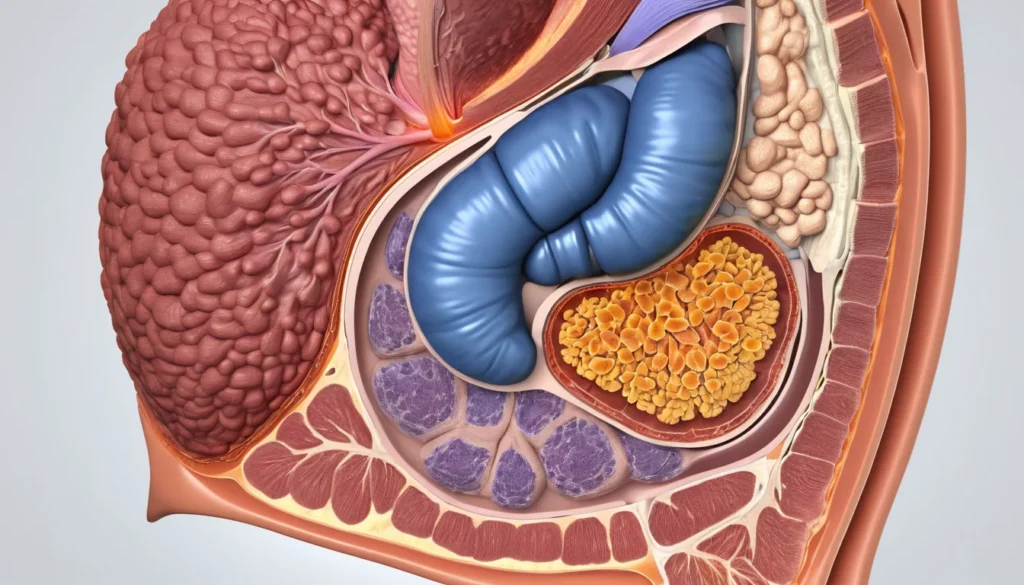
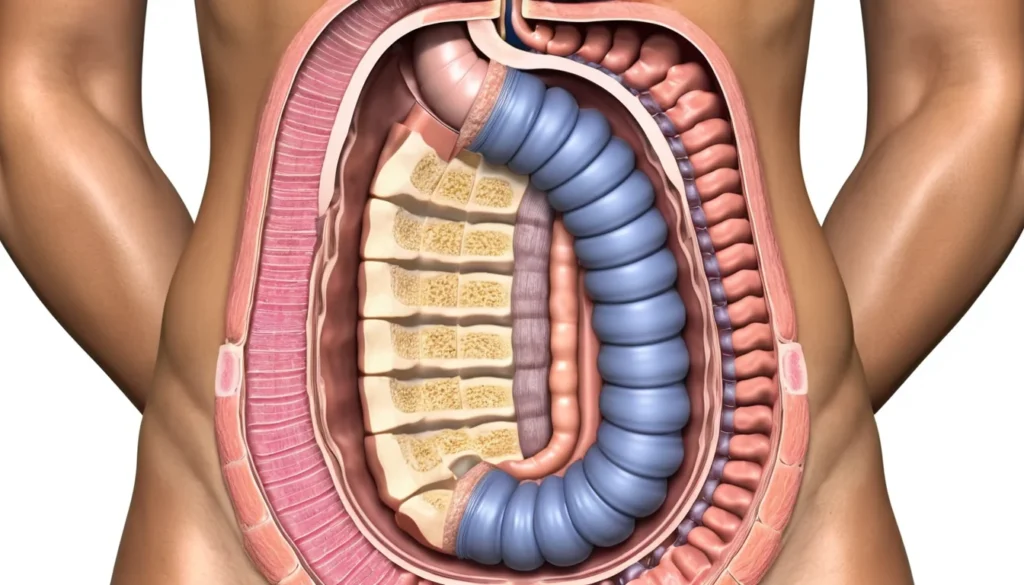
The colon is the lower part of your digestive tract. It absorbs water and helps move waste out of your body. When part of the colon is diseased or damaged, surgery may be the safest option.
There are several types of colectomy surgery, depending on how much of the colon needs to be removed.
Types of Colectomy
Total colectomy: The entire colon is removed.
Partial (subtotal) colectomy: Only a section of the colon is removed.
Proctocolectomy: Both the colon and the rectum are removed.
After removing part of the colon, your surgeon will reconnect the remaining healthy sections of your digestive tract. This reconnection is called an anastomosis. In some cases, this step happens during a second surgery.
According to Mayo Clinic’s overview of colectomy, the type of surgery your doctor recommends depends on the reason for the operation and your overall health.
Why Would You Need a Colectomy?
Your doctor may recommend a colectomy to treat or prevent several serious conditions. In some cases, the surgery is planned in advance. In other cases, it must happen right away as an emergency.
Medical Conditions That May Require Colon Surgery
Uncontrolled bleeding: Severe bleeding from the colon — sometimes caused by diverticula (small pouches in the colon wall) — may require removing the affected section.
Bowel obstruction: A blocked colon is a medical emergency. Depending on the cause and severity, a partial or total colectomy may be needed.
Bowel perforation: A hole in the colon wall is a surgical emergency. The surgeon may repair it with stitches or perform a colectomy.
Colon cancer: Early-stage colon cancer may only require removing a small section of the colon. More advanced cancer may need a larger portion removed. The extent of the surgery depends on the cancer’s stage.
Crohn’s disease: When medications can no longer control symptoms, removing the affected section of the colon can help prevent further damage.
Ulcerative colitis: If medications fail to manage this inflammatory bowel condition, your doctor may recommend a total colectomy.
Preventive surgery: People with a high risk of colon cancer — for example, those with familial adenomatous polyposis (FAP) or Lynch syndrome — may choose a colectomy to prevent cancer from developing.
It is important to talk openly with your family doctor or specialist about all available treatment options before making a decision. Your doctor will explain the benefits and risks of each approach so you can make an informed choice.
For more information on colon cancer and bowel health, visit Health Canada’s colorectal cancer information page.
Risks of a Colectomy
Like any major surgery, a colectomy carries risks. The likelihood of complications depends on your general health, the type of colectomy, and the surgical approach your surgeon uses.
Possible Complications
Bleeding during or after surgery
Blood clots in the legs (deep vein thrombosis) or lungs (pulmonary embolism)
Wound infection at the incision site
Injury to nearby organs, such as the bladder or small intestine
Urinary tract infections
Complications from anaesthesia
Pneumonia
Heart complications
Kidney problems
Anastomotic leak: A leak at the site where the bowel sections were reconnected
Need for additional surgery
After your colectomy, the hospital team will monitor you closely for any signs of these complications. Your care team will watch your digestive system carefully as it begins to heal.
How to Prepare for a Colectomy
When surgery is planned in advance, your medical team will give you clear instructions to follow beforehand. Good preparation helps reduce the risk of complications and supports faster healing.
Before Your Surgery
Your doctor may ask you to:
Stop certain medications that could increase bleeding risk during surgery.
Avoid food and liquids starting the night before your operation. Your care team will give you specific instructions.
Take a bowel prep solution — a laxative drink that clears out your colon before surgery. An enema may also be recommended.
Take antibiotics to lower the risk of infection.
Shower with antibacterial soap before coming to the hospital, to reduce skin bacteria.
However, in emergency situations — such as a perforated or blocked bowel — there is no time to prepare. Surgery must happen immediately.
What to Bring to the Hospital
Plan to stay in hospital for at least a few days after your colectomy. Before you go in, arrange for someone to cover your responsibilities at home and at work.
Pack the following items:
A robe and comfortable slippers
Toothbrush and toothpaste, a razor if needed, soap, and a towel
Comfortable clothing or clean pyjamas
What Happens During Colectomy Surgery
On the day of your surgery, your care team will check your vital signs — blood pressure, pulse, oxygen levels, and temperature. You may receive intravenous antibiotics before the operation begins. Then you will be taken to the operating room, where the anaesthesiologist will put you under anaesthesia.
Open vs. Laparoscopic Colectomy
Your surgeon will perform the colectomy using one of two main approaches:
Open colectomy: The surgeon makes a single large incision in the abdomen to access the colon directly. This approach is sometimes necessary for complex cases.
Laparoscopic colectomy: The surgeon makes several small incisions and uses a tiny camera (laparoscope) and thin instruments to perform the surgery. This minimally invasive approach generally leads to a faster recovery and less post-operative pain.
Your surgeon will recommend the best approach based on your specific condition and medical history. As Healthline explains in their colectomy guide, laparoscopic surgery is becoming increasingly common when conditions allow.
Recovery After a Colectomy
Recovery time varies depending on the type of colectomy and the surgical approach used. Most people spend several days in hospital after the procedure. Your medical team will monitor your digestive system as it begins working again.
In hospital, you will gradually move from clear fluids to soft foods as your bowel heals. Your nurses will watch for signs of complications, such as fever, unusual pain, or changes in wound appearance.
At home, full recovery from a colectomy can take several weeks. Your doctor will give you specific instructions about diet, activity levels, wound care, and follow-up appointments. It is important to attend all follow-up visits so your care team can confirm you are healing well.
When to See a Doctor
If your family doctor has mentioned concerns about your colon health — such as bleeding, chronic abdominal pain, or changes in bowel habits — book an appointment as soon as possible. Do not wait. Early assessment can make a significant difference in your treatment options.
If you do not have a family doctor, a walk-in clinic can provide an initial assessment and refer you to a specialist if needed. Most provincial health plans in Canada cover diagnostic tests and specialist referrals when medically necessary.
Seek emergency care immediately if you experience severe abdominal pain, significant rectal bleeding, vomiting that does not stop, or a sudden inability to pass stool or gas. These can be signs of a bowel emergency that requires urgent colectomy surgery.
Always speak with a qualified healthcare provider before making any decisions about surgery or treatment. Every person’s situation is different, and your doctor is the best person to guide you.
Frequently Asked Questions About Colectomy
How long does it take to recover from a colectomy?
Recovery from a colectomy depends on the type of surgery and your overall health. Most people spend three to seven days in hospital, and full recovery at home can take four to eight weeks. Your doctor will give you a personalised recovery plan based on your specific colectomy procedure.
Can you live a normal life after a colectomy?
Yes, many people live full and active lives after a colectomy. In some cases, adjustments to diet and lifestyle may be needed, especially after a total colectomy. Your healthcare team will provide guidance on managing digestion and long-term bowel health after surgery.
Is a colectomy a major surgery?
Yes, a colectomy is considered major surgery and is performed under general anaesthesia. It carries risks like bleeding, infection, and blood clots, which is why careful preparation and post-operative monitoring are so important. Your surgical team will take every precaution to keep you safe.
Does a colectomy always result in a colostomy bag?
Not always. In many colectomy procedures, the surgeon can reconnect the remaining sections of the bowel so waste can pass normally. However, in some cases — particularly after a proctocolectomy — a temporary or permanent ostomy (stoma) may be needed. Your surgeon will explain what to expect before your operation.
Is a colectomy covered by provincial health plans in Canada?
In Canada, medically necessary colectomy surgery is generally covered by provincial and territorial health insurance plans. This includes the hospital stay, the surgical team, and follow-up care. It is always a good idea to check with your provincial health authority for the specifics of your coverage.
What foods should you avoid after a colectomy?
After a colectomy, your digestive system needs time to adjust. Many patients are advised to avoid high-fibre foods, raw vegetables, nuts, and carbonated drinks early in recovery. Your doctor or dietitian will create a personalised eating plan to support healing and comfort after your colectomy.
Key Takeaways
A colectomy is surgery to remove part or all of the colon (large intestine).
It may be needed to treat colon cancer, Crohn’s disease, ulcerative colitis, bowel blockages, perforations, or uncontrolled bleeding.
Types include partial colectomy, total colectomy, and proctocolectomy, depending on how much of the colon is removed.
Surgery can be performed as an open procedure or laparoscopically (minimally invasive), depending on your situation.
Like all major surgeries, a colectomy carries risks — including infection, bleeding, and blood clots — but serious complications can be managed with careful monitoring.
Recovery typically takes several weeks, and follow-up care with your healthcare team is essential.
If you have concerns about your colon health, speak with your family doctor or visit a walk-in clinic. Medically necessary colectomy surgery is covered by most provincial health plans in Canada.
Always consult a qualified healthcare provider before making any decisions about your treatment.