Cold intolerance means feeling unusually cold when others around you feel perfectly fine. It is more than just disliking winter weather. For many Canadians, this ongoing sensitivity to cold temperatures can be a sign that something is happening inside the body — such as a thyroid problem, a hormonal imbalance, or another underlying condition. This article explains what causes cold intolerance, what symptoms to watch for, and when it is time to talk to your family doctor or visit a walk-in clinic.
What Is Cold Intolerance?
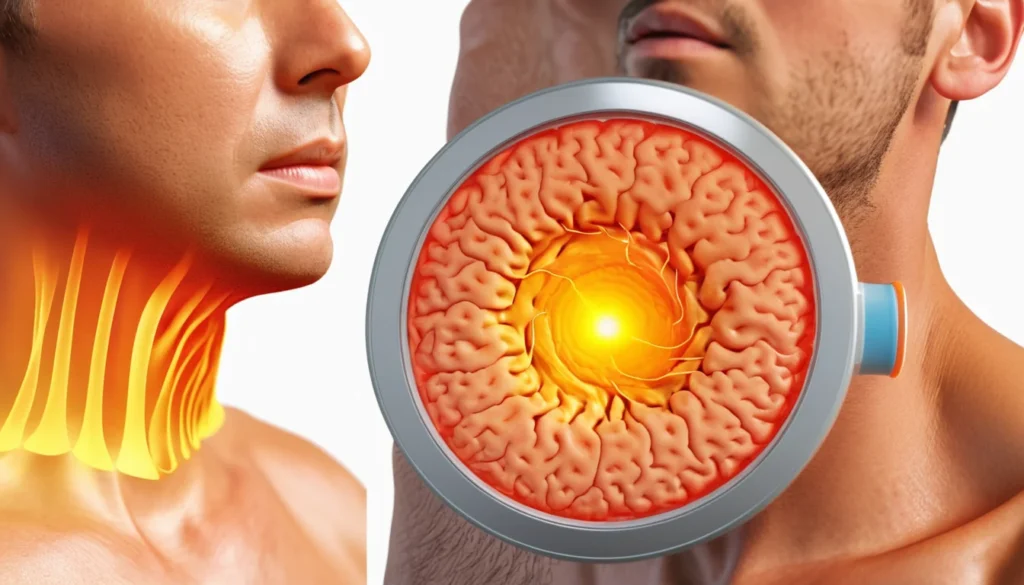
Your body works hard to keep its temperature steady. The hypothalamus — a small area at the base of your brain — acts like a thermostat. It communicates with your thyroid gland to control how much heat your body produces and holds.
When something disrupts this system, your body may struggle to stay warm. Cold intolerance develops as a result. You may feel cold even when the room temperature is comfortable for everyone else. Over time, this feeling can get worse if the underlying cause is not treated.
Some people — often very lean individuals — feel cold more easily simply because they have less body fat to insulate them. However, when cold sensitivity appears suddenly or gets progressively worse, it is worth paying attention. Health Canada encourages Canadians to speak with a healthcare provider about any new or worsening symptoms.
Common Causes of Cold Intolerance
Several medical conditions can cause or contribute to cold intolerance. Understanding the most common causes can help you have a more informed conversation with your doctor.
Hypothyroidism
Hypothyroidism is the most common medical cause of cold intolerance. This condition means your thyroid gland is not producing enough thyroid hormone. Your metabolism slows down as a result, and your body generates less heat.
Cold sensitivity is often one of the first signs of hypothyroidism. It tends to appear gradually and gets worse over time. Other early symptoms include:
Unexplained weight gain
Fatigue and low energy
Constipation
Dry skin and brittle nails
Heavy menstrual periods
Dry, coarse hair
As hypothyroidism progresses, it can affect your thinking and physical coordination. Your face may look puffy, especially around the eyes. Your hands and feet may swell. According to the Mayo Clinic’s guide to hypothyroidism, early diagnosis and treatment can prevent these complications effectively.
Hypopituitarism
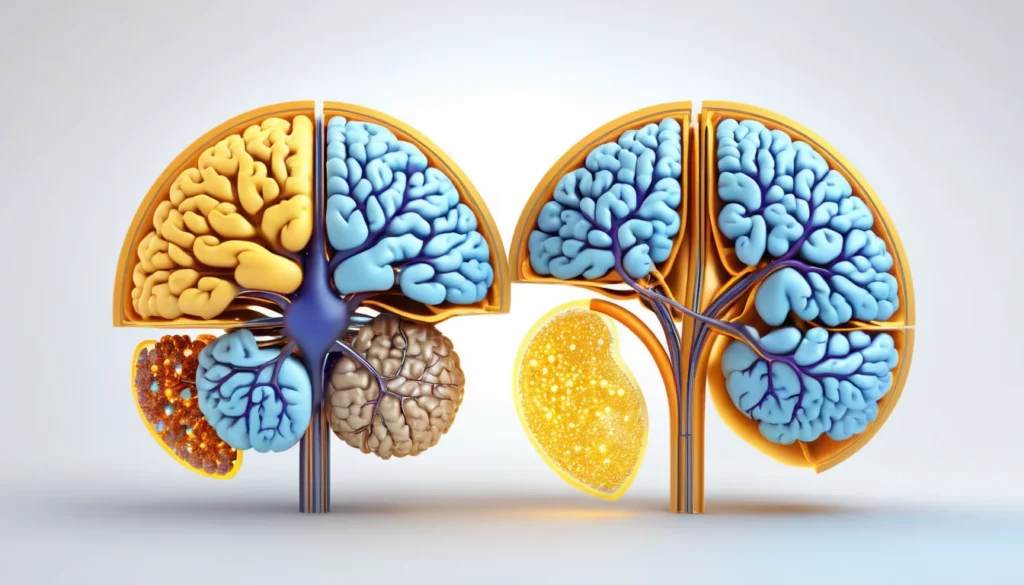
The pituitary gland sits at the base of your brain and controls many other hormone-producing glands. When it does not work properly, the condition is called hypopituitarism. Symptoms develop slowly and vary depending on which hormones are affected.
Cold intolerance is one of the symptoms of hypopituitarism. It may come with cold, dry, pale skin that looks waxy. Fine wrinkles can appear around the mouth. Other symptoms include fatigue, headaches, reduced sex drive, irregular periods, and irritability.
In some cases, hypopituitarism is caused by a tumour pressing on the pituitary gland. If a tumour is involved, a person may also experience vision changes, such as difficulty seeing to the sides (called bitemporal hemianopia). Headaches may also become more frequent and severe.
Hypothalamic Damage or Lesions
The hypothalamus plays a central role in regulating body temperature. When the hypothalamus is damaged — by a tumour, injury, or other cause — temperature regulation breaks down. A person may swing between feeling too cold and feeling too hot.
When cold intolerance comes from hypothalamic damage, it tends to appear suddenly. The person may feel freezing and have chills even while wearing warm clothing. Other symptoms can include excessive thirst, frequent urination, increased appetite, weight gain, sleep problems, headaches, and personality changes such as sudden anger or crying. Vision problems may also develop.
Low Body Weight and Low Body Fat
Body fat acts as natural insulation. People who are very thin — especially those with very low body fat — may feel cold more often simply because they lack that layer of insulation. This is a physical rather than a medical explanation, but it is still worth discussing with a healthcare provider.
Furthermore, very low calorie intake can slow your metabolism, which reduces the heat your body produces. In some cases, this pattern may point to an eating disorder or nutritional deficiency that needs proper care.
Age-Related Changes
As we age, the body’s ability to regulate temperature naturally declines. Older Canadians may feel cold more easily as a normal part of ageing. However, it is still important to rule out medical causes before assuming age alone is responsible.
Symptoms That May Accompany Cold Intolerance
Cold sensitivity rarely appears on its own. Depending on the cause, cold intolerance may come alongside a range of other symptoms. Paying attention to the full picture helps your doctor find the root cause faster.
Common accompanying symptoms include:
Persistent fatigue or low energy
Unexplained weight changes
Dry skin, hair, or nails
Swelling in the face, hands, or feet
Headaches
Changes in mood or behaviour
Memory or concentration problems
Changes in menstrual cycles
Reduced sex drive
Vision changes
If you notice several of these symptoms together with ongoing cold sensitivity, it is a good reason to make an appointment with your family doctor.
How Is Cold Intolerance Diagnosed?
Diagnosing cold intolerance starts with a conversation. Your doctor will want to understand your full health history. They will ask questions such as:
Have you always felt cold easily, or is this new?
Has it been getting worse recently?
Do you feel cold when others around you do not?
What does your diet look like?
What other symptoms are you experiencing?
What is your height and weight?
After reviewing your history, your doctor will perform a physical exam. They will look at your skin, check for swelling, and assess your overall health.
Tests Your Doctor May Order
Several lab tests can help identify the cause of cold intolerance. The most common ones include:
TSH (thyroid-stimulating hormone) test — This checks how well your thyroid is working. It is the most important test when hypothyroidism is suspected.
Thyroid hormone levels (T3 and T4) — These give a more detailed picture of thyroid function.
Complete blood count (CBC) — This checks for anaemia and other blood-related issues that can cause fatigue and cold sensitivity.
Depending on your symptoms, your doctor may also order imaging tests or refer you to a specialist such as an endocrinologist. Most provincial health plans in Canada cover these tests when ordered by your primary care provider. Therefore, cost should not be a barrier to getting checked.
Home Care and Self-Management
If your doctor has already identified a cause and started treatment, following that treatment plan is the most important step. For example, if you have hypothyroidism, taking your prescribed thyroid medication consistently makes a significant difference.
In addition to medical treatment, there are practical steps you can take at home to manage cold sensitivity:
Dress in layers, including moisture-wicking base layers, to trap body heat
Keep your home at a comfortable and consistent temperature
Eat regular, balanced meals to support your metabolism
Stay physically active, as movement generates body heat
Make sure you are getting enough dietary fibre, protein, and healthy fats
Stay hydrated, as dehydration can affect circulation and warmth
These steps can help manage day-to-day discomfort. However, they do not replace medical treatment if an underlying condition is causing your cold intolerance. Always follow the advice of your healthcare provider. According to Healthline’s overview of cold intolerance, treating the root cause is the most effective way to resolve the symptom.
When to See a Doctor
You should speak with your family doctor if you experience cold intolerance that is persistent, new, or getting worse over time. Do not wait to see if it goes away on its own, especially if other symptoms are present.
Visit a walk-in clinic if you cannot get a timely appointment with your family doctor. Walk-in clinics across Canada can assess your symptoms, order initial blood tests, and refer you to a specialist if needed.
Seek prompt medical attention if you experience:
Sudden onset of severe cold sensitivity
Vision changes alongside cold intolerance
Severe headaches
Significant swelling in the face or limbs
Extreme fatigue that affects your daily life
Confusion or personality changes
These symptoms may point to a more serious underlying condition that needs timely evaluation. Your provincial health plan covers medically necessary visits, so there is no reason to delay seeking care.
Frequently Asked Questions About Cold Intolerance
What does cold intolerance feel like?
Cold intolerance means you feel unusually cold even when the temperature is comfortable for other people. You may shiver, feel chilled to the bone, or constantly need extra layers of clothing. It is different from simply preferring warm weather — it is an ongoing sensitivity that interferes with daily comfort.
Is cold intolerance a sign of thyroid problems?
Yes, cold intolerance is one of the most common early symptoms of hypothyroidism, a condition where the thyroid gland does not produce enough hormone. If you feel cold all the time and also experience fatigue, weight gain, or dry skin, ask your doctor to check your thyroid function with a TSH blood test. Early treatment can greatly improve how you feel.
Why am I always cold but my thyroid tests are normal?
Cold intolerance can have several causes beyond thyroid problems, including low body weight, poor nutrition, anaemia, or issues with the pituitary gland or hypothalamus. If your thyroid tests come back normal but you are still experiencing cold sensitivity, discuss further testing with your family doctor. There may be another underlying condition worth investigating.
Can cold intolerance be treated?
In most cases, yes — cold intolerance can be treated by addressing its underlying cause. For example, treating hypothyroidism with thyroid hormone replacement medication typically resolves cold sensitivity over time. Your doctor will recommend the right treatment plan based on what is causing your symptoms.
Is cold intolerance more common in women?
Cold intolerance does tend to be more common in women, partly because hypothyroidism affects women far more often than men. Women who are very lean may also feel cold more easily due to lower body fat levels, which provide natural insulation. However, cold intolerance can affect anyone, and all genders should seek medical advice if symptoms are persistent.
When should I go to a walk-in clinic for cold intolerance?
If you cannot get a timely appointment with your family doctor, a walk-in clinic is a good option for assessing cold intolerance. Walk-in clinics can order blood tests, review your symptoms, and refer you to a specialist if needed. Most of these services are covered under your provincial health plan, so do not hesitate to go.
Key Takeaways
Cold intolerance means feeling unusually cold when others around you are comfortable — it is a symptom, not a diagnosis.
The most common medical cause is hypothyroidism, but it can also stem from pituitary problems, hypothalamic damage, or low body weight.
Cold sensitivity often comes with other symptoms such as fatigue, weight changes, dry skin, or mood changes.
A TSH blood test and complete blood count are the standard first steps in diagnosing the cause.
Treating the underlying condition is the most effective way to resolve cold intolerance.
Talk to your family doctor if symptoms persist or worsen. A walk-in clinic is a good alternative if you need faster access to care.
Most diagnostic tests and visits are covered by provincial health plans across Canada.
This article is for informational purposes only and does not replace professional medical advice. Always consult your family doctor or a qualified healthcare provider about any health concerns you may have.