New research suggests a surprising link between coffee and type 2 diabetes risk. A large, long-term study found that women who drank more coffee were less likely to develop type 2 diabetes over time. If you enjoy your morning cup, this may be welcome news — but there is more to the story than simply drinking more coffee.
What the Research on Coffee and Type 2 Diabetes Found
A major study followed 28,812 postmenopausal women over 11 years. Researchers tracked their coffee habits and watched for new cases of type 2 diabetes. The findings were published in the Archives of Internal Medicine.
None of the women had diabetes or cardiovascular disease at the start of the study. Over the 11 years, 1,418 women developed type 2 diabetes. Researchers then looked closely at how much coffee each woman had been drinking throughout the study period.
The results showed a clear pattern. Women who drank six or more cups of coffee per day had a 22% lower risk of developing type 2 diabetes. Researchers adjusted these numbers to account for age, body fat, and lifestyle factors, making the findings more reliable.
How Coffee May Help Reduce Diabetes Risk
Coffee contains more than just caffeine. It is rich in minerals, antioxidants, and phytochemicals — natural plant compounds that may benefit your health. Researchers believe these ingredients, rather than caffeine alone, may play a role in reducing diabetes risk.
Antioxidants help protect your body’s cells from damage. Over time, this protection may help your body use insulin more effectively. Insulin is the hormone your body uses to control blood sugar levels.
In addition, coffee contains magnesium and phytates. However, the study found these specific compounds did not fully explain the lower diabetes risk. This suggests other ingredients in coffee are likely responsible for the effect.
According to Healthline’s overview of coffee and blood sugar, coffee’s effect on insulin sensitivity is an active area of research, and scientists continue to study the exact mechanisms involved.
The Surprising Role of Decaffeinated Coffee
One of the most interesting findings from this study was about decaffeinated coffee. The lower diabetes risk was more strongly linked to decaf coffee than to regular caffeinated coffee. This tells us something important: caffeine is likely not the key ingredient driving the benefit.
Furthermore, the study looked at caffeine intake from all sources — not just coffee. Higher caffeine consumption overall was not linked to a reduced risk of type 2 diabetes. This strongly supports the idea that other compounds in coffee are doing the protective work.
Therefore, if you avoid caffeine for health reasons — perhaps due to high blood pressure, anxiety, or sleep problems — decaf coffee may still offer potential benefits for blood sugar health.
Regular Coffee vs. Decaf: What This Means for You
Both regular and decaf coffee showed some association with lower diabetes risk in this study. However, decaf showed a stronger link. If you are sensitive to caffeine or your doctor has advised you to limit it, decaf coffee may be worth considering as part of a balanced diet.
That said, this does not mean you should suddenly switch to drinking six cups of coffee a day. Large amounts of caffeine can raise blood pressure and cause other issues. Always talk to your family doctor before making major changes to your diet or daily habits.
Understanding Type 2 Diabetes in Canada
Type 2 diabetes is one of the most common chronic health conditions in Canada. According to Health Canada, millions of Canadians live with diabetes or are at risk of developing it. Many more have prediabetes without knowing it.
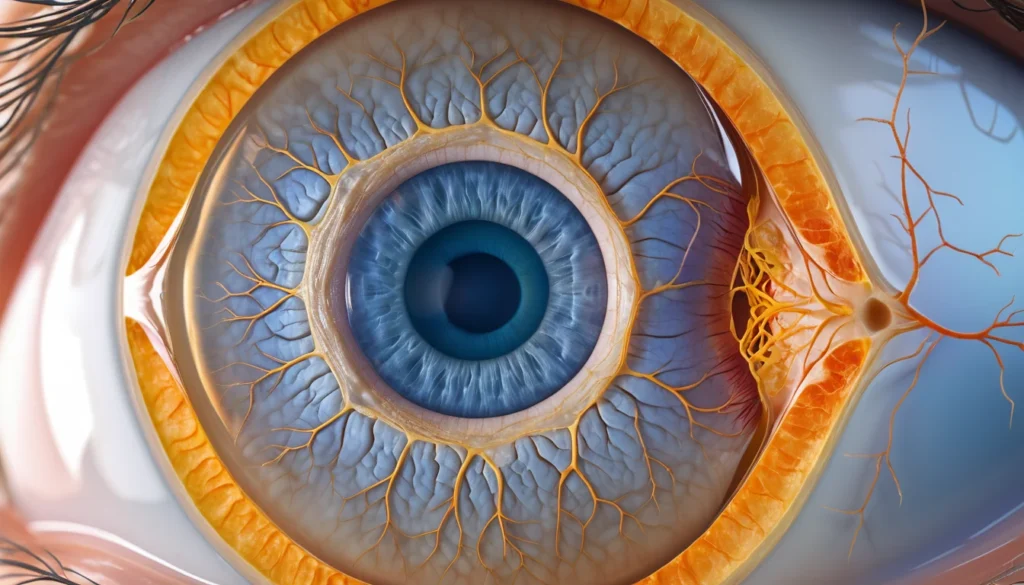
Type 2 diabetes happens when your body does not use insulin properly. Over time, your blood sugar stays too high, which can damage your heart, kidneys, nerves, and eyes. The good news is that type 2 diabetes is largely preventable through healthy lifestyle choices.
Risk factors for type 2 diabetes include being overweight, physical inactivity, a family history of diabetes, and poor diet. Age also plays a role — postmenopausal women, like those in this study, face a higher risk as hormone levels change after menopause.
Why Postmenopausal Women Face Higher Risk
During menopause, hormone changes can affect how the body manages blood sugar. Estrogen helps the body respond to insulin, and lower estrogen levels after menopause can make insulin resistance more likely. This makes lifestyle habits — including diet — especially important for women in this stage of life.
The Iowa Women’s Health Study focused specifically on postmenopausal women, which means the findings may not apply equally to men or younger women. However, the research adds valuable insight into how diet may influence diabetes risk in this particular group.
Coffee Is Not a Cure — A Balanced Approach Still Matters
It is important to be clear: drinking coffee is not a treatment or cure for type 2 diabetes. This study shows an association — a link — between coffee drinking and lower risk. It does not prove that coffee directly prevents diabetes.
Many other lifestyle factors matter far more. Regular physical activity, a diet rich in vegetables, whole grains, and fibre, maintaining a healthy weight, and not smoking are all proven ways to reduce your risk of type 2 diabetes.
The Mayo Clinic’s guide to type 2 diabetes outlines the key lifestyle steps you can take to protect your health. Coffee may be one small piece of the puzzle, but it works best as part of an overall healthy lifestyle.
How Much Coffee Is Too Much?
The study linked the greatest risk reduction to six or more cups of coffee per day. However, that is a large amount, and drinking that much coffee can cause side effects for many people. These include increased heart rate, trouble sleeping, anxiety, and high blood pressure.
Health Canada and most medical professionals suggest that moderate coffee consumption — about two to four cups per day — is safe for most healthy adults. Going beyond this amount is not recommended without guidance from your doctor.
If you already enjoy one or two cups of coffee a day, this research suggests you can feel good about that habit. However, dramatically increasing your intake just to lower diabetes risk is not advisable.
Other Foods and Habits That May Lower Diabetes Risk
Coffee is just one of many foods researchers have studied in relation to type 2 diabetes. A balanced, whole-foods diet remains the most powerful tool for reducing your risk. Here are some other well-supported strategies:
Eat more fibre: Foods like oats, lentils, beans, and vegetables slow the rise of blood sugar after meals.
Choose whole grains: Whole grain bread, brown rice, and quinoa are better choices than refined carbohydrates.
Limit sugary drinks: Regular soft drinks and fruit juices spike blood sugar quickly.
Stay active: Even a 30-minute walk each day can significantly improve insulin sensitivity.
Maintain a healthy weight: Losing even 5 to 10% of your body weight can greatly reduce your diabetes risk.
Limit processed foods: Foods high in saturated fat and added sugar contribute to insulin resistance over time.
These changes do not have to happen all at once. Small, consistent improvements to your diet and activity level can make a real difference over time.
When to See a Doctor
If you are concerned about your risk of type 2 diabetes, the best first step is to speak with your family doctor. They can order a simple blood test to check your blood sugar levels and assess your personal risk factors. Early detection makes a big difference in outcomes.
If you do not have a family doctor, a walk-in clinic is a good option. Most provincial health plans across Canada cover blood sugar screening tests. You do not need to wait until symptoms appear — in fact, type 2 diabetes often has no obvious symptoms in its early stages.
Your doctor can also help you understand whether lifestyle changes, medication, or both are right for your situation. Every person is different, and a personalized plan is always more effective than a one-size-fits-all approach.
Frequently Asked Questions
Does coffee really lower the risk of type 2 diabetes?
Research does suggest a link between coffee and type 2 diabetes risk reduction. A large study found that women who drank six or more cups per day had a 22% lower risk of developing type 2 diabetes. However, coffee is not a treatment, and a healthy overall lifestyle is still the most important factor.
Is decaf coffee better than regular coffee for diabetes risk?
According to this study, decaffeinated coffee showed a stronger association with lower type 2 diabetes risk than regular coffee. This suggests caffeine is not the key ingredient — other compounds like antioxidants and minerals in coffee may be responsible. Decaf may be a good option if you are sensitive to caffeine.
How many cups of coffee per day is safe for most people?
Most health authorities, including Health Canada, consider two to four cups of coffee per day safe for healthy adults. Drinking more than this can lead to side effects like increased heart rate, anxiety, and disrupted sleep. Always speak with your doctor if you are unsure what is right for you.
Can coffee replace medication for managing type 2 diabetes?
No — coffee and type 2 diabetes research shows only a potential link for risk reduction, not a treatment effect. If you have already been diagnosed with type 2 diabetes, do not replace your prescribed medication or treatment plan with coffee. Always follow the guidance of your healthcare provider.
Does this research apply to men and younger women as well?
The study specifically looked at postmenopausal women, so the results may not directly apply to men or younger women. More research is needed across different age groups and sexes. However, the general relationship between coffee consumption and metabolic health has been observed in other studies as well.
What are the best ways to prevent type 2 diabetes in Canada?
The most effective prevention strategies include eating a diet high in fibre and whole foods, staying physically active, maintaining a healthy weight, and not smoking. Coffee and type 2 diabetes research adds an interesting element to the picture, but it works best alongside these proven lifestyle habits. Your family doctor or a walk-in clinic can help you build a personalized prevention plan.
Key Takeaways
Coffee and type 2 diabetes risk may be linked — a large 11-year study found women who drank the most coffee had a 22% lower risk of developing type 2 diabetes.
Decaf coffee showed a stronger association with lower risk than regular coffee, suggesting caffeine is not the main driver of the effect.
Antioxidants and other natural compounds in coffee — not caffeine — are likely responsible for any protective effect.
Two to four cups per day is a reasonable, safe amount for most healthy adults. Drinking six or more cups is not recommended for most people.
Coffee is not a treatment for diabetes. A healthy diet, regular activity, and maintaining a healthy weight remain the most important prevention tools.
Talk to your family doctor or visit a walk-in clinic if you are concerned about your blood sugar or diabetes risk. Provincial health plans cover routine blood sugar screening across Canada.