Cluster headaches are one of the most painful conditions a person can experience. They cause intense, one-sided head pain that comes in cycles — often several times a day for weeks or months at a time. Unlike a typical tension headache, cluster headaches can be completely debilitating. In fact, they have sometimes been called “suicide headaches” because the pain is so severe. The good news is that, with the right support from your family doctor or a walk-in clinic, cluster headaches can be managed effectively.
What Are Cluster Headaches?
Cluster headaches are a type of primary headache disorder. They belong to the same family as migraines and tension headaches, but they have a very distinct pattern. They strike suddenly, without warning, and often wake people from sleep.
The pain typically centres around one eye or one side of the face. It comes in “clusters” — groups of attacks that repeat over a set period. After the cluster period ends, there can be weeks, months, or even years of relief before another cycle begins.
Cluster headaches are relatively rare. They affect roughly 1 in 1,000 people and are more common in men than women. They most often appear between the ages of 30 and 40, though they can occur at any age.
Causes of Cluster Headaches
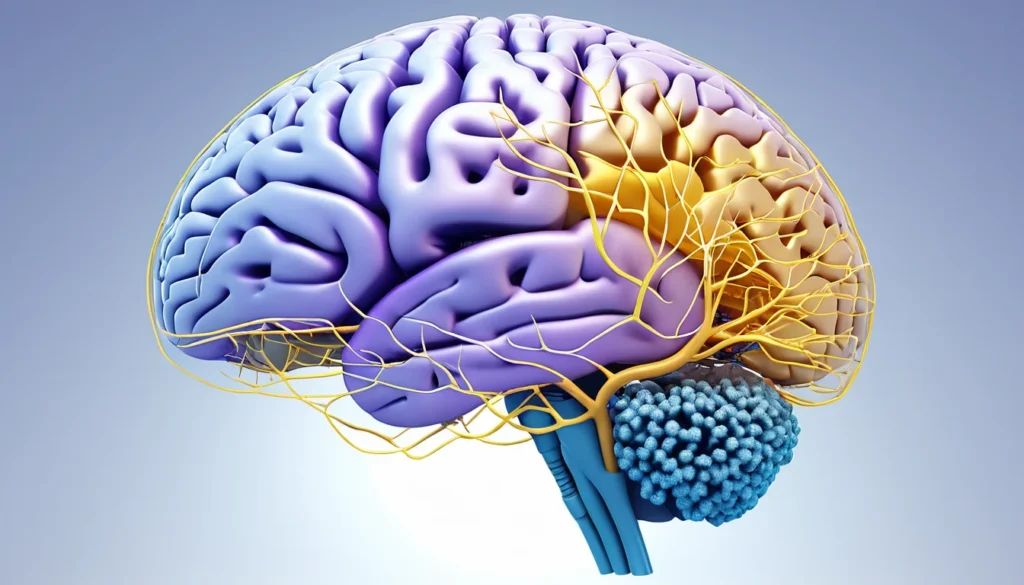
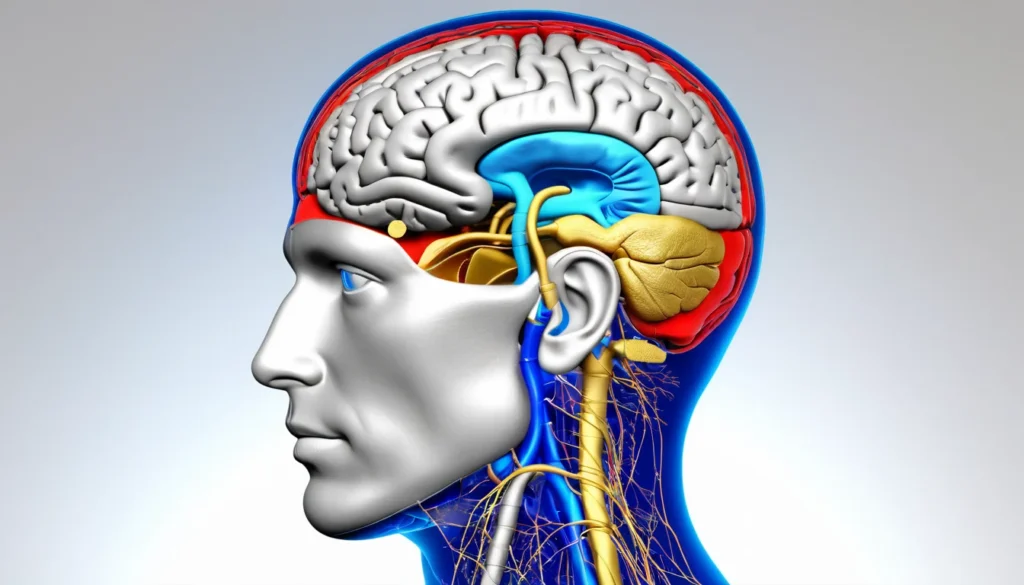
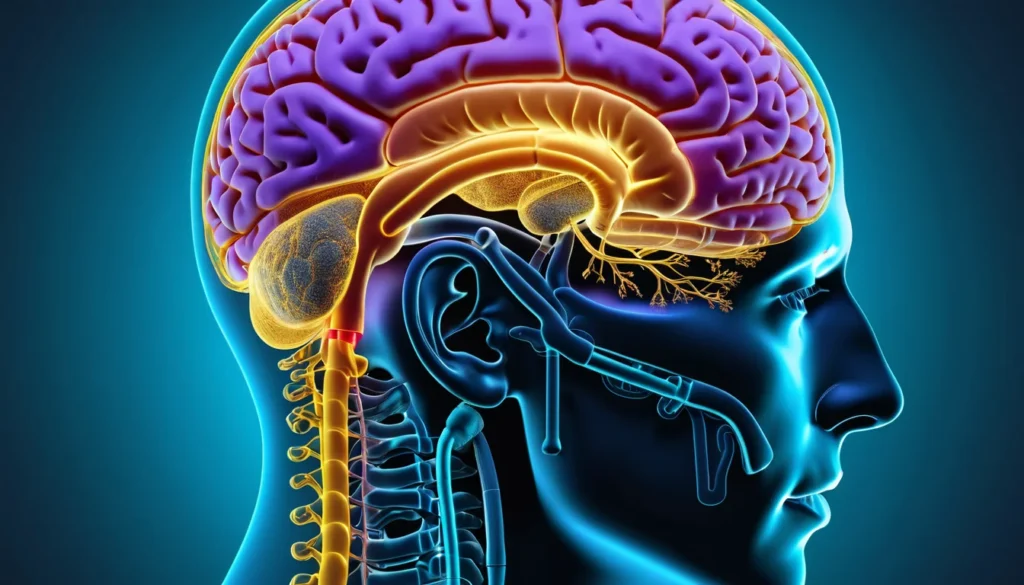
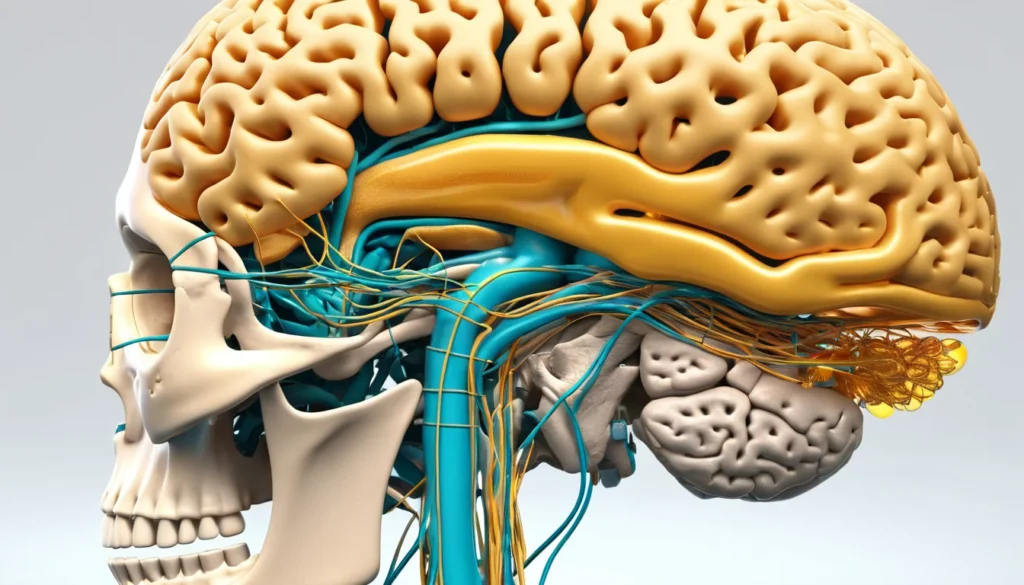
Doctors do not yet fully understand what causes cluster headaches. However, research suggests the hypothalamus — a small but important area deep in the brain — plays a key role. The hypothalamus helps control your body’s internal clock and sleep-wake cycle, which may explain why cluster headaches so often strike at night.
There also appears to be a genetic link. If a parent or close relative has had cluster headaches, your risk of developing them is higher. However, many people with cluster headaches have no family history of the condition.
Common Triggers
While triggers do not cause cluster headaches on their own, they can start an attack once a cluster cycle has already begun. Common triggers include:
Alcohol — even a small amount during a cluster period can bring on an attack
Sleep apnea — interruptions in breathing during sleep
Stress and physical exhaustion
Certain medications — particularly vasodilators like nitroglycerin, which widen the blood vessels
Smoking — the majority of people with cluster headaches are current or former smokers
It is important to note that these triggers typically only cause an attack during an active cluster period. Outside of a cycle, the same triggers often have no effect at all.
Symptoms of Cluster Headaches
Cluster headache symptoms are hard to mistake. The pain comes on suddenly and reaches its peak within 5 to 10 minutes. Unlike migraines, there is usually no warning “aura” before the headache begins.
The pain is often described as burning, piercing, or stabbing — typically located in or around one eye. It can spread to the temple, forehead, cheekbone, jaw, or neck on the same side of the face.
Other Symptoms to Watch For
Alongside the intense head pain, cluster headaches often cause other symptoms on the affected side of the face. These can include:
A red, watery eye
A drooping eyelid
A smaller or constricted pupil
A stuffy or runny nose
Sweating on the forehead or face
Flushing or redness of the skin on the affected side
During an attack, many people feel extremely restless. Unlike migraines — where lying down in a quiet, dark room helps — people with cluster headaches often pace, rock back and forth, or apply pressure to their head. Lying down can actually make the pain worse.
How Long Do Attacks Last?
Each individual attack usually lasts between 15 minutes and 3 hours. Most attacks last around 30 to 45 minutes. A person can have anywhere from 1 to 8 attacks per day during an active cluster period.
Between attacks, people often feel completely drained — both physically and emotionally. A full cluster cycle typically lasts 6 to 12 weeks. After that, a remission period begins, which can last months or even years.
Risk Factors for Cluster Headaches
Certain factors make a person more likely to develop cluster headaches. Understanding your risk can help you have a more informed conversation with your family doctor.
Sex: Men are significantly more likely to develop cluster headaches than women.
Age: Most people experience their first cluster headache between ages 30 and 40.
Family history: Having a parent or sibling with cluster headaches increases your risk.
Smoking: Most people diagnosed with cluster headaches are current or former smokers.
Alcohol use: Regular alcohol consumption is associated with a higher risk, particularly as a trigger during active cycles.
Cluster headaches are extremely rare in children under 10. However, they can begin in adolescence, so it is worth discussing any recurring severe headaches with a healthcare provider, regardless of age.
Are Cluster Headaches Dangerous?
Cluster headaches are not a sign of a brain tumour or another life-threatening condition. Although the pain is severe, these headaches do not cause permanent brain damage or any lasting physical harm.
That said, many people with recurring severe headaches worry about a more serious underlying cause. This is completely understandable. In addition to cluster headaches, other conditions — such as high blood pressure, sinus infections, dental problems, migraines, or trigeminal neuralgia — can also cause intense head pain. Therefore, it is always important to get a proper diagnosis.
Your family doctor can review your symptoms, take a full medical history, and refer you for any tests if needed. The Mayo Clinic offers a detailed overview of cluster headache diagnosis and care that may help you prepare for your appointment.
When to See a Doctor
You should speak with a healthcare provider any time you experience a new, severe, or unusual headache. This is especially true if the headache comes on suddenly and feels like the worst pain of your life — this could be a sign of a medical emergency.
If you have recurring one-sided headaches that follow a cyclical pattern, visit your family doctor as soon as possible. If you do not have a family doctor, a walk-in clinic is a good first step. Most provincial health plans in Canada cover initial consultations for headache disorders.
Seek emergency care right away if your headache is accompanied by:
Sudden vision changes
Weakness or numbness in your face, arms, or legs
Confusion or difficulty speaking
A stiff neck or fever
Loss of consciousness
For more information on headache disorders and neurological health, visit Health Canada’s official health resources. You can also find evidence-based information through Healthline’s guide to cluster headaches.
Always consult your doctor or a qualified healthcare provider before making any decisions about your health or treatment plan.
Frequently Asked Questions
What does a cluster headache feel like?
A cluster headache causes intense, burning, or stabbing pain on one side of the head, usually around one eye. The pain comes on suddenly and reaches its peak within minutes. Most people describe cluster headaches as the most severe pain they have ever felt.
How long do cluster headaches last?
Each cluster headache attack usually lasts between 15 minutes and 3 hours. A full cluster period — during which attacks repeat daily — can last 6 to 12 weeks. After that, most people enter a remission phase that can last months or even years.
What triggers cluster headaches?
Common triggers for cluster headaches include alcohol, smoking, sleep apnea, stress, and certain medications that widen blood vessels. However, these triggers usually only cause an attack during an active cluster cycle — not during periods of remission.
Are cluster headaches the same as migraines?
No — cluster headaches and migraines are different conditions, though both cause severe head pain. Migraines often come with nausea, light sensitivity, and a warning aura. Cluster headaches strike without warning, cause one-sided eye pain, and involve symptoms like a runny nose or drooping eyelid on the affected side.
Can cluster headaches be treated in Canada?
Yes. Cluster headaches can be treated in Canada through your family doctor or a specialist such as a neurologist. Treatments may include oxygen therapy, prescription medications, and preventive drugs to reduce the frequency of attacks. Talk to your doctor or visit a walk-in clinic to start the process.
Are cluster headaches a sign of something serious?
Cluster headaches are painful, but they are not caused by a brain tumour or another life-threatening condition. They do not cause permanent damage to the brain. That said, any new or unusually severe headache should be assessed by a doctor to rule out other causes.
Key Takeaways
Cluster headaches cause severe, one-sided head pain that strikes in repeated cycles, often several times a day.
The exact cause is not fully known, but the hypothalamus — a part of the brain that controls sleep cycles — appears to play a major role.
Common triggers include alcohol, smoking, stress, and sleep apnea, particularly during an active cluster period.
Symptoms include intense pain around one eye, a drooping eyelid, a runny nose, and a red or watery eye on the affected side.
Cluster headaches are not dangerous or a sign of a serious brain condition, but a proper diagnosis is essential.
If you experience recurring, severe one-sided headaches, speak with your family doctor or visit a walk-in clinic. Most provincial health plans in Canada cover this type of consultation.
Always consult a qualified healthcare provider before starting or changing any treatment.