Cisplatin is a powerful chemotherapy drug used to treat several types of cancer. It works by damaging the DNA inside cancer cells, which stops them from growing and dividing. Doctors across Canada prescribe cisplatin as part of cancer treatment programmes for tumours affecting the bladder, lungs, ovaries, and other organs. This article explains how cisplatin works, what side effects to expect, and how to manage your health during treatment.
What Is Cisplatin?
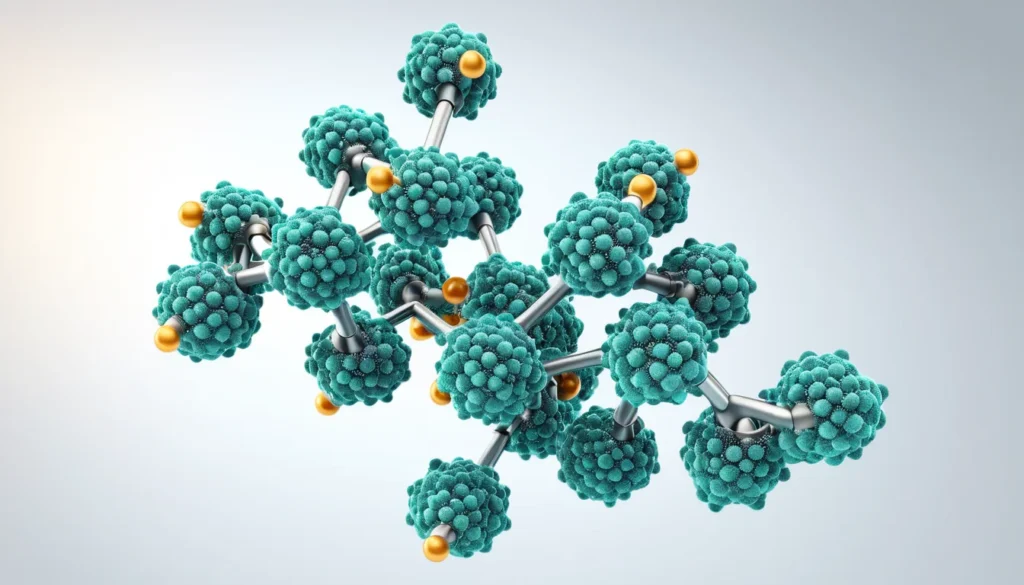
Cisplatin belongs to a group of drugs called platinum-based chemotherapy agents. It was one of the first chemotherapy drugs ever developed, and it remains one of the most widely used today. Doctors have relied on it for decades because it is effective against many different types of tumours.
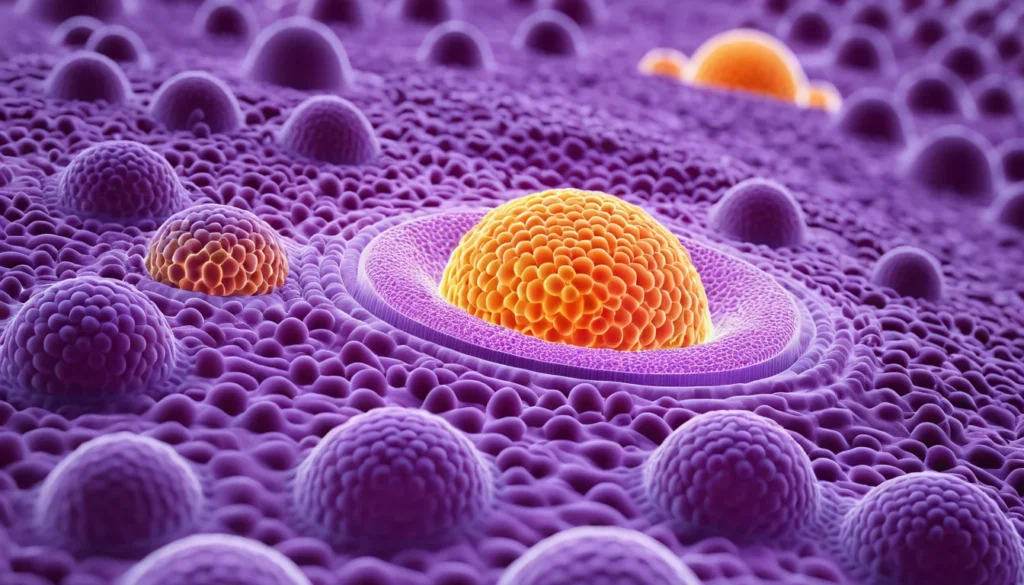
The drug works by entering cancer cells and attaching itself to their DNA. Once attached, it creates what scientists call “cross-links” — connections that twist and damage the DNA strands. As a result, the cancer cell can no longer copy itself properly. Without the ability to divide, the cell eventually dies.
Cisplatin is given through an intravenous (IV) line, meaning it goes directly into your bloodstream through a needle in your arm or through a central line. It is not taken as a pill. Treatment usually takes place in a hospital or cancer centre over several hours.
What Cancers Does Cisplatin Treat?
Cisplatin treats a wide range of cancers. It is often used alone or combined with other chemotherapy drugs as part of a broader treatment plan. Your oncologist — a doctor who specialises in cancer — will decide whether cisplatin is right for your specific situation.
Common cancers treated with cisplatin include:
Bladder cancer
Ovarian cancer
Testicular cancer
Non-small cell lung cancer
Head and neck cancers
Cervical cancer
Stomach and esophageal cancer
In Canada, cisplatin is covered under provincial drug benefit programmes for approved cancer indications. However, coverage details vary by province. Your oncology team and pharmacist can help you understand what your provincial health plan covers.
Cisplatin in Combination Therapy
Doctors often pair cisplatin with other drugs to make treatment more effective. For example, a common combination for lung cancer is cisplatin with gemcitabine or pemetrexed. For testicular cancer, the BEP regimen combines bleomycin, etoposide, and cisplatin.
Combining drugs attacks cancer cells in multiple ways at the same time. This approach can improve outcomes, but it may also increase the risk of side effects. Your care team will monitor you closely throughout your treatment.
How Is Cisplatin Given?
Cisplatin is always given in a clinical setting — usually a hospital, cancer centre, or chemotherapy clinic. A nurse or trained healthcare professional will administer it through your IV line. Each infusion session can last anywhere from one to eight hours, depending on your dose and treatment plan.
Before each cisplatin dose, your care team will give you intravenous fluids. This process is called hydration, and it helps protect your kidneys from damage. You will also likely receive anti-nausea medications beforehand to reduce discomfort during and after the infusion.
Treatment cycles typically happen every three to four weeks. A full course of cisplatin therapy may involve multiple cycles spread over several months. Your oncologist will adjust your schedule based on how well your body responds and how you tolerate the drug.
Dosage and Monitoring
Your dose of cisplatin depends on your body size, overall health, kidney function, and the type of cancer being treated. Doctors calculate the dose in milligrams per square metre of body surface area (mg/m²). This helps ensure you receive the right amount for your body.
Before each cycle, your care team will run blood tests to check your kidney function, blood cell counts, and electrolyte levels. If any of these fall outside safe ranges, your doctor may delay or reduce your dose. This careful monitoring is a standard part of chemotherapy care in Canada.
Cisplatin Side Effects
Like all chemotherapy drugs, cisplatin can cause side effects. Some are common and manageable, while others are more serious. Knowing what to expect helps you prepare and respond quickly if something goes wrong.
Common Side Effects
The most common side effects of cisplatin include:
Nausea and vomiting — This is one of the most well-known side effects. Modern anti-nausea medications manage it much better than in the past.
Fatigue — Feeling very tired during and after treatment is normal. Rest as much as your body needs.
Loss of appetite — Many patients find it hard to eat during treatment. A dietitian can help you find foods that are easier to manage.
Hair thinning or loss — Not everyone experiences this, but it can occur.
Low blood cell counts — This can increase your risk of infection, bruising, and fatigue.
Serious Side Effects to Watch For
Cisplatin can also cause more serious complications. These require prompt medical attention. Do not wait — contact your cancer care team right away if you notice any of the following:
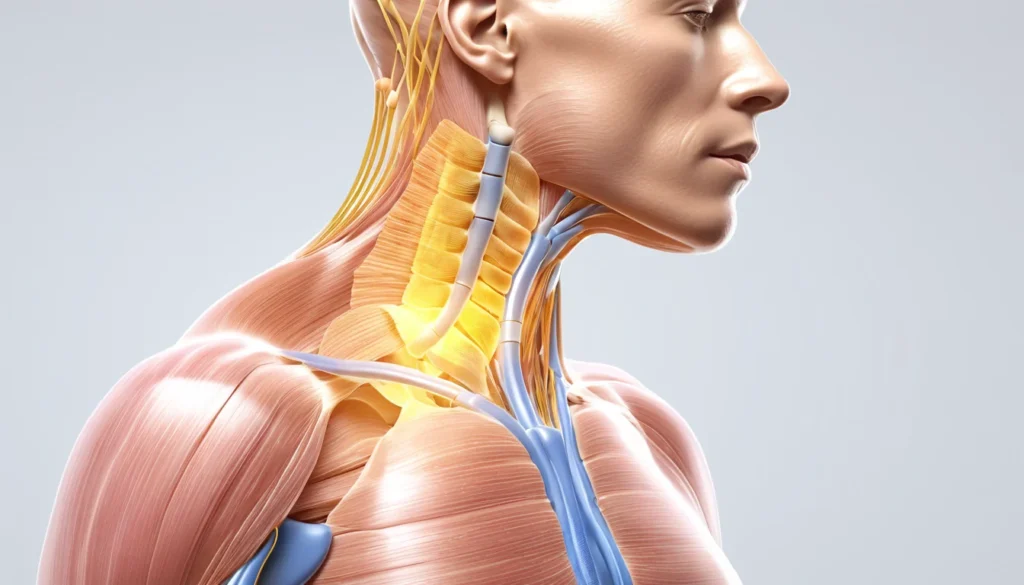
Kidney damage (nephrotoxicity) — Cisplatin is hard on the kidneys. Signs include reduced urination, swelling in the legs, or dark-coloured urine.
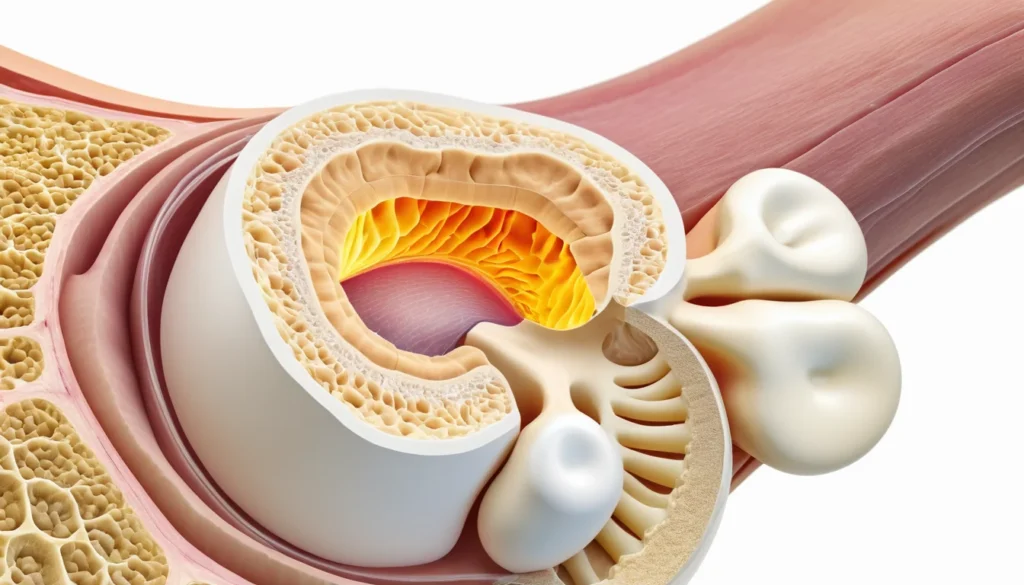
Hearing loss (ototoxicity) — Cisplatin can damage hearing, especially at high doses. Ringing in the ears (tinnitus) is an early warning sign.
Nerve damage (peripheral neuropathy) — You may feel numbness, tingling, or pain in your hands and feet.
Electrolyte imbalances — Low levels of magnesium, potassium, or calcium can cause muscle cramps, weakness, or irregular heartbeat.
Severe infection — A fever above 38°C during chemotherapy is a medical emergency. Go to your nearest emergency department immediately.
According to Mayo Clinic’s cisplatin drug information, kidney damage and hearing loss are among the most significant long-term concerns with this medication.
Managing Side Effects During Treatment
Your healthcare team in Canada will work with you to manage side effects as effectively as possible. There are many tools available to help you stay comfortable and safe throughout your treatment programme.
To reduce nausea, your doctor will prescribe anti-emetic (anti-nausea) medications such as ondansetron or dexamethasone. Take these as prescribed, even if you feel fine before treatment. Prevention works better than trying to treat nausea after it starts.
Staying hydrated is extremely important. Drink plenty of fluids between treatments unless your doctor tells you otherwise. This helps protect your kidneys and flush the drug out of your system more effectively.
Protecting Your Kidneys
Kidney protection is a top priority during cisplatin therapy. Your care team will give you IV fluids before and after each dose to flush your kidneys. They will also monitor your kidney function through regular blood and urine tests.
You should avoid taking non-steroidal anti-inflammatory drugs (NSAIDs) like ibuprofen or naproxen during treatment unless your doctor approves. These medications can add extra stress to already vulnerable kidneys. Always check with your care team before taking any over-the-counter medicines.
Nutrition and Energy
Eating well during chemotherapy can be challenging. However, good nutrition supports your immune system and helps your body recover. Ask your cancer centre for a referral to a registered dietitian. Many cancer centres in Canada offer this service as part of your care.
Small, frequent meals tend to work better than three large ones. Focus on high-protein, easy-to-digest foods. If you are losing too much weight or cannot eat at all, tell your care team right away. Healthline’s guide on nutrition during cancer treatment also offers practical tips for managing eating difficulties.
Long-Term Effects of Cisplatin
Some effects of cisplatin can last long after treatment ends. Understanding these helps you plan for your health after cancer care. Your oncologist and family doctor can work together to monitor you over the long term.
Hearing loss is one of the most important long-term concerns. Cisplatin can permanently damage the hair cells in your inner ear. This type of hearing loss, called sensorineural hearing loss, tends to affect high-frequency sounds first. Regular hearing tests during and after treatment are important.
Nerve damage from cisplatin can also persist for months or even years after treatment. In some cases, it is permanent. Physiotherapy and occupational therapy can help manage symptoms and improve daily functioning.
Fertility can also be affected. Cisplatin may reduce sperm production in men and affect egg quality in women. If you are concerned about future fertility, speak with your oncologist before treatment begins. Fertility preservation options exist and should be discussed early. Health Canada’s drug product database provides approved prescribing information for cisplatin used in Canada.
When to See a Doctor
If you are currently receiving cisplatin, your oncology team is your first point of contact for any concerns. However, your family doctor also plays an important role in your overall care. Make sure your family doctor knows you are on chemotherapy so they can adjust any other treatments accordingly.
Go to the emergency department or call 911 immediately if you experience:
A fever of 38°C or higher
Sudden chest pain or difficulty breathing
Severe vomiting that you cannot control
Confusion or sudden weakness
Signs of a severe allergic reaction, such as hives, swelling of the face, or trouble breathing
For non-urgent concerns — such as managing nausea at home, questions about your medications, or new symptoms between treatment cycles — your cancer centre’s nurse navigator or a walk-in clinic can often help. Always mention that you are on chemotherapy when seeking care at a walk-in clinic, so the provider can take appropriate precautions.
It is always important to consult your doctor or oncologist before making any changes to your treatment plan or starting new medications. Every patient’s situation is unique, and only your healthcare team can give you personalised medical advice.
Frequently Asked Questions About Cisplatin
How does cisplatin work to fight cancer?
Cisplatin works by entering cancer cells and binding to their DNA, creating cross-links that prevent the cells from dividing. When cancer cells can no longer replicate, they eventually die. This targeted damage to DNA is what makes cisplatin effective against many types of tumours.
What are the most common side effects of cisplatin?
The most common side effects of cisplatin include nausea and vomiting, fatigue, loss of appetite, and low blood cell counts. Serious side effects such as kidney damage, hearing loss, and nerve damage can also occur. Your care team will monitor you closely and help manage these effects throughout treatment.
Can cisplatin cause permanent hearing loss?
Yes, cisplatin can cause permanent hearing loss, particularly at higher doses. This condition, called ototoxicity, often affects high-frequency sounds first and may begin with ringing in the ears. Regular hearing tests are recommended during and after cisplatin treatment to catch any changes early.
How long does a cisplatin treatment session take?
A cisplatin infusion typically takes between one and eight hours, depending on your dose and treatment plan. Additional time is needed for IV hydration fluids given before and after the drug to protect your kidneys. Most patients receive cisplatin in a hospital or cancer centre on a cycle of every three to four weeks.
Is cisplatin covered by provincial health plans in Canada?
Cisplatin is generally covered under provincial cancer drug benefit programmes in Canada for approved indications. Coverage details and eligibility criteria vary from province to province. Speak with your oncology team or a patient navigator at your cancer centre to understand your specific coverage.
What should I avoid while taking cisplatin?
While taking cisplatin, you should avoid NSAIDs like ibuprofen unless your doctor approves, as they can add stress to your kidneys. You should also avoid contact with people who are sick, since cisplatin lowers your immune defences. Always check with your care team before starting any new medications, supplements, or herbal products.
Key Takeaways
Cisplatin is a platinum-based chemotherapy drug that damages cancer cell DNA to stop tumour growth.
It treats many cancers, including bladder, ovarian, testicular, lung, and head and neck cancers.
Common side effects include nausea, fatigue, and low blood counts. Serious risks include kidney damage and hearing loss.
Your care team will give you IV fluids and anti-nausea medications to reduce side effects before each dose.
A fever of 38°C or higher during chemotherapy is a medical emergency — go to the emergency department immediately.
Long-term effects such as hearing loss and nerve damage can persist after treatment ends. Ongoing monitoring is important.
Talk to your family doctor, oncologist, or a walk-in clinic provider if you have concerns. Always consult your healthcare team before making any changes to your treatment.