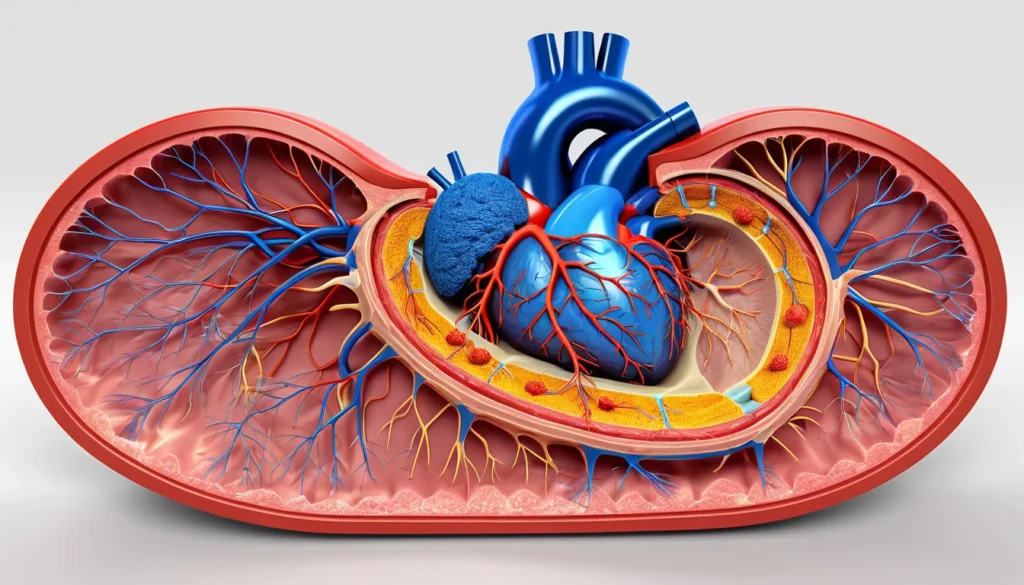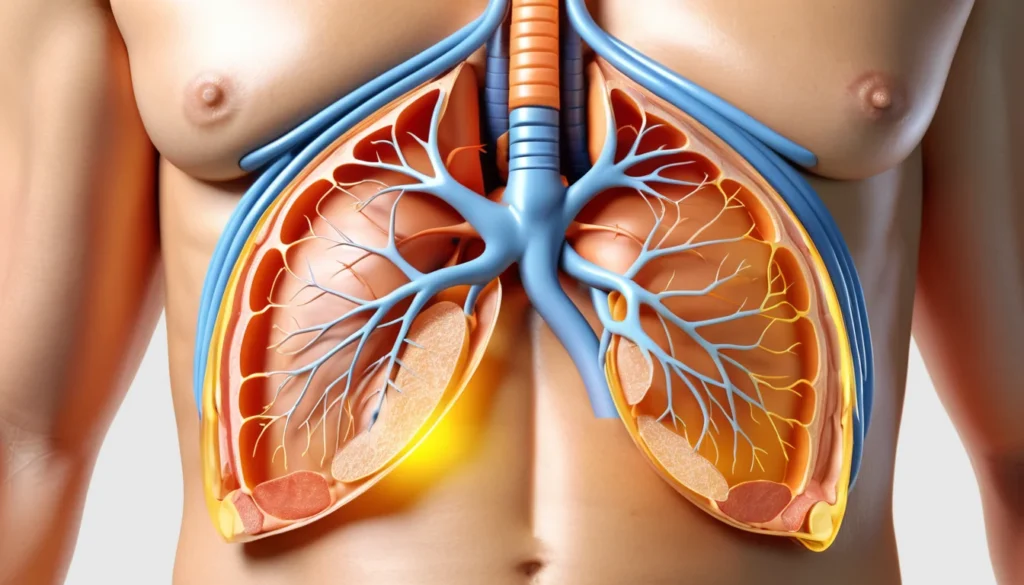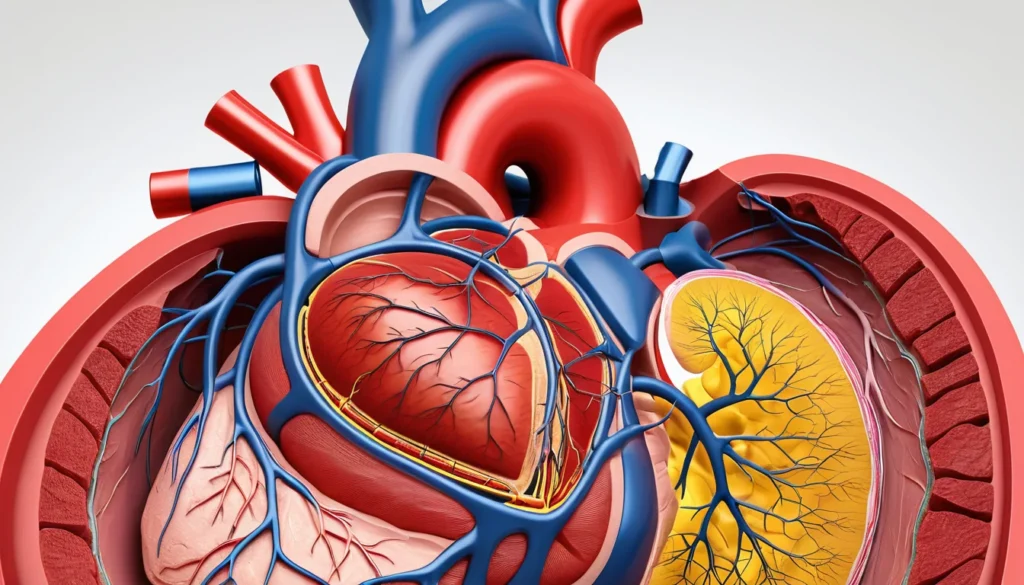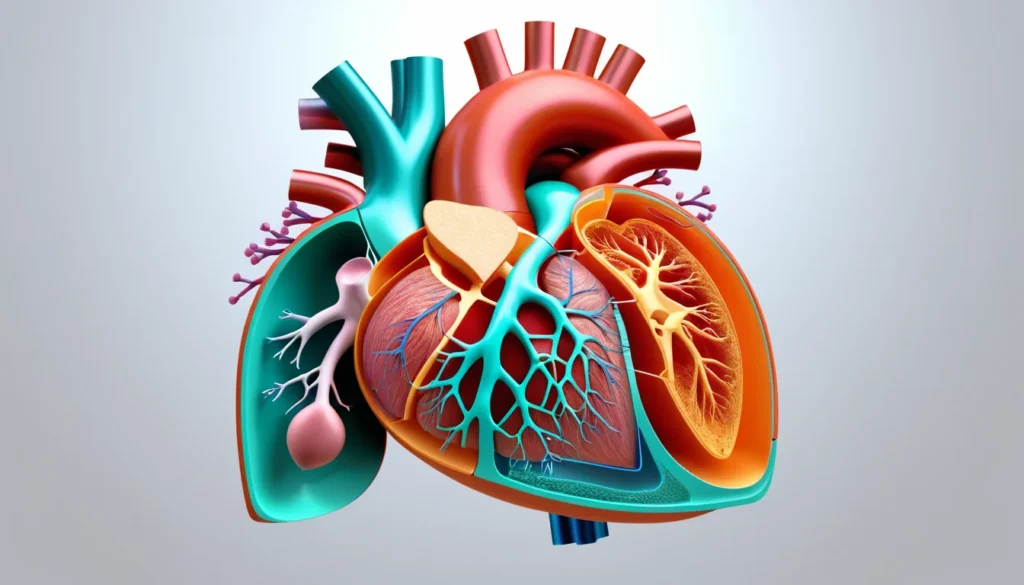
Churg-Strauss syndrome is a rare autoimmune disease that causes inflammation in the blood vessels throughout the body. It most often affects people who already have asthma or allergies. Without early diagnosis and treatment, this condition can seriously damage vital organs. This article explains what Canadians need to know about its causes, symptoms, diagnosis, and treatment options.
What Is Churg-Strauss Syndrome?
Churg-Strauss syndrome — also called eosinophilic granulomatosis with polyangiitis (EGPA) — is one of several forms of vasculitis, a group of diseases that inflame blood vessels. It primarily affects the small arteries and veins. These inflamed vessels restrict blood flow to vital organs and tissues.
The condition can cause permanent damage if left untreated. However, with the right treatment, most people experience significant improvement. It is important to understand that this condition is different from ordinary asthma or allergies, even though it shares some features with them.
Causes of Churg-Strauss Syndrome
Doctors do not yet know the exact cause of Churg-Strauss syndrome. What they do know is that the immune system overreacts, triggering widespread blood vessel inflammation. This overreaction most commonly occurs in people already diagnosed with asthma.
Some research has linked the condition to a class of asthma medications called leukotriene inhibitors (such as montelukast). However, experts are not certain whether these drugs actually cause the syndrome or simply reveal an underlying tendency toward it. Always speak with your family doctor before changing or stopping any prescribed asthma medication.
Risk Factors
Several factors may increase a person’s risk of developing Churg-Strauss syndrome. These include:
Age: Most people receive a diagnosis between the ages of 38 and 52. The condition is very rare in children or older adults.
History of asthma or nasal conditions: The majority of patients have a prior history of allergic rhinitis, chronic sinusitis, or asthma. These three conditions are often difficult to manage long-term.
Immune system abnormalities: People whose immune systems are already overactive may be more susceptible to developing this type of vasculitis.
Recognising the Symptoms of Churg-Strauss Syndrome
Churg-Strauss syndrome affects people differently. Some patients experience only mild symptoms, while others face severe, life-threatening complications. The disease generally progresses through three stages, though not everyone moves through them in the same order.
Stage 1: The Allergic Phase
This is usually the first stage of Churg-Strauss syndrome. It is marked by allergic reactions such as asthma symptoms and allergic rhinitis. Patients may also develop sinusitis — painful sinus inflammation — followed by the growth of nasal polyps. This phase can last for several years before the condition progresses further.
Stage 2: The Eosinophilic Phase
Eosinophils are a type of white blood cell that helps fight infection. Normally, they make up only a small percentage of all white blood cells. In Churg-Strauss syndrome, however, their numbers rise to dangerous levels.
This phase commonly affects the lungs and digestive tract. Symptoms during this stage may include:
Fever and night sweats
Unexplained weight loss
Persistent fatigue
Chronic cough
Abdominal pain
Gastrointestinal bleeding
This stage can last months or even years. Symptoms often come and go in recurring cycles. As a result, patients may not immediately connect them to a single underlying cause.
Stage 3: The Vasculitic Phase
The vasculitic phase is the most serious stage of Churg-Strauss syndrome. Severe inflammation narrows the small arteries and veins, cutting off blood supply to organs and tissues. The skin, heart, peripheral nervous system, muscles, bones, and digestive tract can all be affected. In some cases, the kidneys are involved as well.
Common symptoms in this phase include:
Skin rashes and nodules
Joint pain and swelling
Peripheral neuropathy (numbness, tingling, or pain in the hands and feet)
Shortness of breath
Chest pain and irregular heartbeat (arrhythmia)
Nausea, vomiting, and diarrhoea
Blood in the urine (haematuria)
Swollen lymph nodes and severe fatigue
Furthermore, severe inflammation around the heart can lead to heart failure if not treated promptly. This makes early diagnosis especially important.
How Is Churg-Strauss Syndrome Diagnosed?
Early diagnosis of Churg-Strauss syndrome can greatly reduce the severity of the disease. It can also limit how much the symptoms affect a person’s daily life. For this reason, any new or worsening symptoms — especially in someone with asthma — should prompt a thorough medical evaluation.
Diagnosis is based on a combination of clinical findings and test results. A doctor will assess abnormalities in the lungs, skin, and nerves during a physical exam. High blood pressure can also be an important clue. According to Health Canada, early detection of inflammatory conditions significantly improves patient outcomes.
Diagnostic Tests
Your doctor may order several tests to confirm a diagnosis. These can include:
Blood tests: These check for elevated eosinophil counts and assess kidney function. Abnormally high eosinophil levels are a key marker of Churg-Strauss syndrome.
Urine analysis: A urine test helps identify potential kidney involvement. Blood or protein in the urine can signal kidney damage.
Chest X-ray or CT scan: These imaging tests can reveal areas of lung inflammation characteristic of the disease.
Tissue biopsy: A small sample of affected tissue is examined under a microscope. This is often the most definitive way to confirm the diagnosis.
In addition, your doctor may test for ANCA (antineutrophil cytoplasmic antibodies), which are antibodies associated with certain types of vasculitis. However, not all Churg-Strauss syndrome patients test positive for ANCA.
Treatment Options for Churg-Strauss Syndrome
Treatment for Churg-Strauss syndrome focuses on two main goals: reducing blood vessel inflammation and suppressing the overactive immune response. The good news is that most patients respond well to current treatments. Before the introduction of modern therapy, this disease was often fatal.
Corticosteroids
The first line of treatment is typically high-dose prednisone — usually 40 to 60 mg per day. This helps bring the inflammation under control quickly. After about 30 days, the dose is gradually reduced. Prednisone has transformed the outlook for patients with this condition.
Long-term use of corticosteroids does carry side effects, including bone thinning and increased infection risk. Therefore, your specialist will monitor you closely and adjust the dosage as needed. The Mayo Clinic outlines the full range of treatment approaches for this condition, including newer biological therapies.
Immunosuppressive Medications
In addition to corticosteroids, doctors may prescribe immunosuppressive drugs to help control the immune system. Common options include:
Methotrexate
Cyclophosphamide
Mycophenolate mofetil (CellCept)
Azathioprine
These medications are typically used when corticosteroids alone are not enough, or when the disease is severe. They help prevent the immune system from attacking healthy tissue.
Intravenous Steroids and Biologic Therapy
Patients in critical condition — or those who do not respond to oral medications — may receive high-dose steroids intravenously. This delivers a stronger, faster-acting effect. More recently, a biologic medication called mepolizumab has shown promising results. It targets the eosinophils directly and can reduce the need for long-term corticosteroids.
The total duration of treatment can range from one to two years. This depends on the severity of the disease, the organs affected, and how well the patient responds to therapy.
When to See a Doctor
If you have asthma and begin noticing new symptoms — such as unexplained fatigue, skin rashes, tingling in your hands or feet, or chest pain — contact your family doctor promptly. These symptoms may seem unrelated, but together they can signal something more serious than asthma alone.
If your family doctor is unavailable, visit a walk-in clinic for an initial assessment. In provinces like Ontario, British Columbia, or Alberta, your provincial health plan covers visits for diagnostic concerns like these. Bring a list of all medications you currently take, including any asthma inhalers or allergy pills. Early assessment can make a real difference in how quickly this condition is identified and managed.
If you experience sudden chest pain, severe shortness of breath, or coughing up blood, go to your nearest emergency department immediately. Do not wait for a scheduled appointment in those situations.
Frequently Asked Questions About Churg-Strauss Syndrome
Is Churg-Strauss syndrome curable?
Churg-Strauss syndrome is not currently considered curable, but it is very manageable with the right treatment. Most patients achieve remission — meaning their symptoms greatly improve or disappear — with corticosteroids and immunosuppressive therapy. Some people do experience relapses, so long-term follow-up care with a specialist is important.
How rare is Churg-Strauss syndrome in Canada?
Churg-Strauss syndrome is considered a very rare condition, affecting roughly 1 to 3 people per million each year worldwide. The numbers in Canada are similarly low, though exact Canadian statistics are limited. Because it is rare, it can sometimes be missed or misdiagnosed as severe asthma in its early stages.
Can asthma medication trigger Churg-Strauss syndrome?
Some studies have found a possible link between leukotriene inhibitors — a type of asthma medication — and the development of Churg-Strauss syndrome. However, researchers are not certain whether the medication causes the condition or simply unmasks it in people who were already predisposed. Never stop or change your asthma medication without first speaking to your family doctor.
What organs does Churg-Strauss syndrome affect?
Churg-Strauss syndrome can affect many organs, including the lungs, heart, skin, peripheral nerves, kidneys, and digestive tract. The heart is a particular concern, as inflammation around it can lead to serious complications like heart failure or irregular heartbeat. Early diagnosis helps protect these organs from lasting damage.
What is the life expectancy for someone with Churg-Strauss syndrome?
With modern treatment, the outlook for people with Churg-Strauss syndrome has improved significantly. Many patients live normal or near-normal lives when the condition is diagnosed early and treated properly. The five-year survival rate is generally considered to be above 90% with appropriate care, though this can vary depending on the organs affected.
How is Churg-Strauss syndrome different from regular asthma?
While Churg-Strauss syndrome often begins with asthma-like symptoms, it is a systemic autoimmune disease that goes far beyond the lungs. Unlike regular asthma, it causes blood vessel inflammation throughout the body and can affect the heart, nerves, skin, and kidneys. If your asthma suddenly becomes harder to control or you develop new symptoms in other parts of your body, speak to your doctor about further investigation.
Key Takeaways
Churg-Strauss syndrome is a rare autoimmune disease that inflames small blood vessels throughout the body.
It most often affects people with a history of asthma or allergies, typically between ages 38 and 52.
The disease progresses through three phases: allergic, eosinophilic, and vasculitic — each with distinct symptoms.
Early diagnosis through blood tests, imaging, and biopsy is key to preventing organ damage.
Treatment with corticosteroids and immunosuppressive medications has greatly improved outcomes. Most patients achieve remission.
If you have asthma and notice new or unusual symptoms, speak to your family doctor or visit a walk-in clinic for an assessment. Your provincial health plan covers this type of visit.
This article is for informational purposes only. Always consult a qualified healthcare provider for personal medical advice and diagnosis.