Chronic prostatitis is a long-term inflammation of the prostate gland that can seriously affect a man’s quality of life. It causes ongoing pelvic pain, urinary problems, and sexual discomfort. In this article, we explain what chronic prostatitis is, what causes it, how it is diagnosed, and what treatment options are available to Canadians.
What Is Chronic Prostatitis?
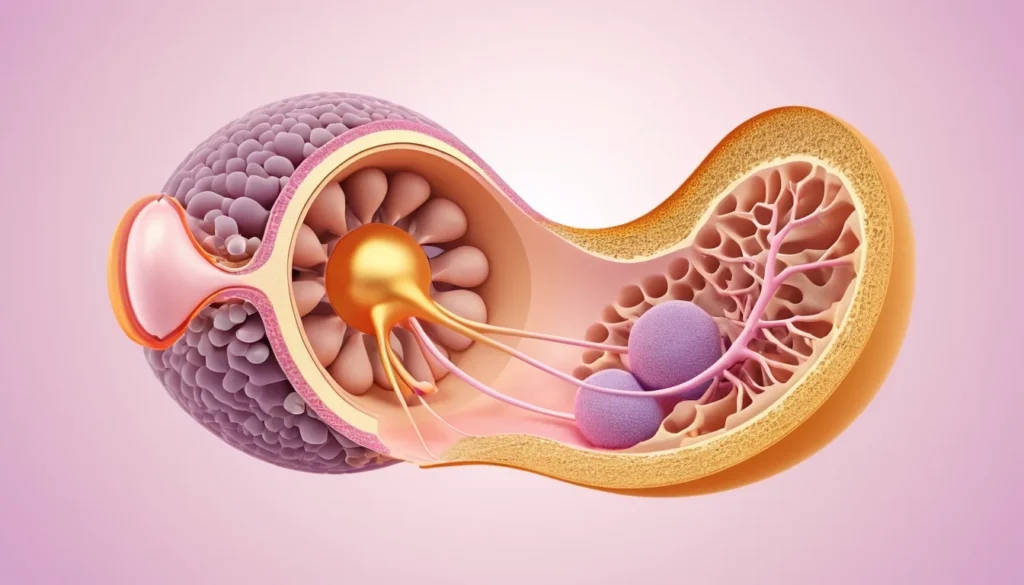
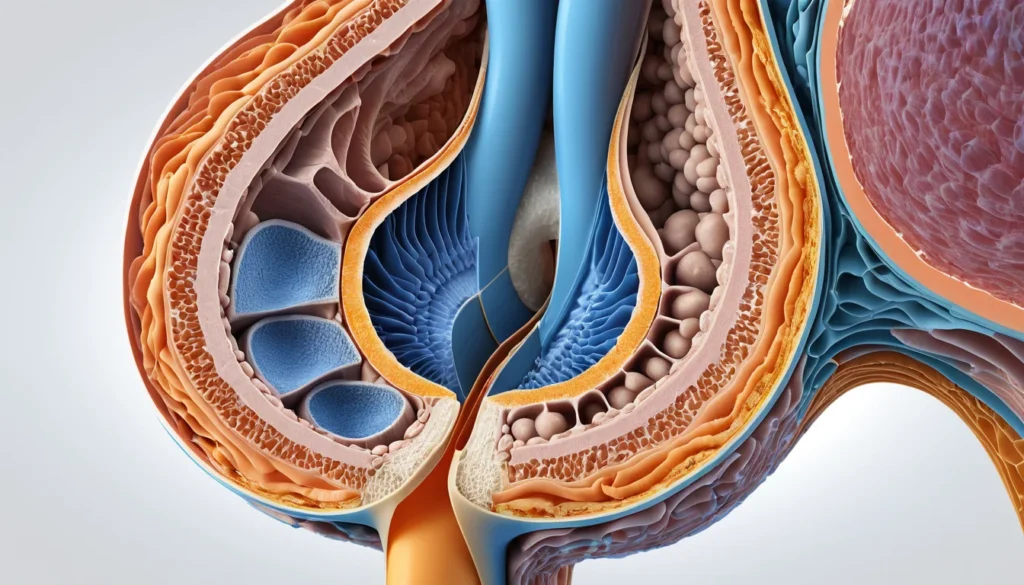
The prostate is a small gland located just below the bladder in men. It surrounds the urethra, the tube that carries urine out of the body. When this gland becomes chronically inflamed or infected, the condition is called chronic prostatitis.
Unlike acute prostatitis, which comes on suddenly and severely, chronic prostatitis develops slowly over time. It tends to persist for months and can be frustrating to treat. Many men live with this condition for years before getting the right diagnosis.
According to Mayo Clinic’s overview of prostatitis, this condition is one of the most common urological problems in men under 50. It is not always caused by bacteria, which makes it more complex to manage than a simple infection.
Types of Chronic Prostatitis
Doctors generally recognize a few different forms of chronic prostatitis. Understanding the type you have helps guide the right treatment plan.
Chronic Bacterial Prostatitis
This type is caused by a bacterial infection that keeps coming back. The bacteria live inside small pockets within the prostate tissue. These pockets are called microabscesses, and they are very difficult to fully clear with antibiotics.
Chronic bacterial prostatitis often develops after an acute prostatitis infection that was not treated long enough. Repeated bouts of acute prostatitis can also lead to this chronic form over time.
Chronic Pelvic Pain Syndrome
This is the most common type of chronic prostatitis. It does not always involve a bacterial infection. Instead, it causes ongoing pelvic pain and urinary symptoms without a clear infectious cause.
Doctors are still studying why this form develops. Inflammation, nerve irritation, and pelvic muscle tension may all play a role. This type can be especially challenging to treat effectively.
What Causes Chronic Prostatitis?
Several factors can increase a man’s risk of developing chronic prostatitis. Understanding these causes can help with both prevention and treatment.
One of the most common causes is an acute prostatitis infection that was not fully treated. When antibiotics are stopped too early, bacteria can survive deep inside the prostate tissue. Over time, these bacteria cause repeated flare-ups and ongoing inflammation.
In addition, certain structural problems can make a man more vulnerable. A narrowing of the urethra, known as a urethral stricture, can slow urine flow and allow bacteria to linger. An enlarged prostate, also called benign prostatic hyperplasia or BPH, can have a similar effect.
Furthermore, lifestyle factors may contribute. Heavy alcohol use and a diet high in spicy or irritating foods can worsen prostate inflammation. Stress and sedentary behaviour may also play a role, though research is still ongoing.
For a broader look at prostate health and risk factors, visit Health Canada’s official health information portal.
Symptoms of Chronic Prostatitis
Chronic prostatitis can cause a wide range of symptoms. These symptoms often come and go in waves, called flare-ups, and may vary in intensity from person to person.
Pain and Discomfort
Pain in the perineum is one of the most common complaints. The perineum is the area between the scrotum and the rectum. This pain can feel dull and aching, or sharp and intense during flare-ups.
Pain during ejaculation is also a frequent symptom. Some men report discomfort in the lower abdomen, lower back, or groin as well. These symptoms can make daily life very uncomfortable.
Urinary Symptoms
Many men with chronic prostatitis experience a burning sensation when they urinate. They may also notice a frequent urge to urinate, especially at night. In some cases, there is a small, milky discharge from the urethra.
These urinary symptoms can disrupt sleep and interfere with work and daily activities. They are sometimes mistaken for a urinary tract infection or other bladder problem.
Sexual and Psychological Effects
Chronic prostatitis can also affect sexual health. Some men experience a reduction in sexual drive or difficulty maintaining an erection. The ongoing nature of the condition can take a real toll on mental health as well.
Anxiety, depression, and frustration are common among men living with this condition. It is important to address both the physical and emotional sides of chronic prostatitis. Speaking with your family doctor about mental health support is a helpful step.
How Is Chronic Prostatitis Diagnosed?
Diagnosing chronic prostatitis requires a thorough assessment by a healthcare provider. There is no single test that confirms the condition on its own.
Your doctor will start by reviewing your symptoms and medical history. A digital rectal exam allows the doctor to feel the prostate gland for tenderness or swelling. This is a quick and standard part of the assessment.
Urine tests and prostate fluid cultures help determine whether bacteria are present. Blood tests may also be ordered to check for signs of infection or to measure PSA levels. PSA stands for prostate-specific antigen, a protein produced by the prostate gland.
In some cases, your family doctor may refer you to a urologist, a specialist in urinary and prostate health. Most provincial health plans in Canada cover these referrals when medically necessary. Ask your doctor what is covered under your provincial plan.
Treatment Options for Chronic Prostatitis
Treatment for chronic prostatitis can be challenging and sometimes requires patience. What works well for one person may not work as well for another. A combination of approaches is often most effective.
Antibiotic Therapy
When bacteria are the cause, antibiotics are the main treatment. However, the course of antibiotics for chronic prostatitis is much longer than for a typical infection. Treatment often lasts four to twelve weeks or even longer.
The goal is to eliminate bacteria hiding deep within the prostate tissue. These bacteria are difficult to reach with medication, which is why short courses of antibiotics often fail. Your doctor will choose the right antibiotic based on the type of bacteria found in your tests.
Pain Management
Anti-inflammatory medications can help reduce swelling and ease pain. Over-the-counter options like ibuprofen are sometimes recommended. Your doctor may also prescribe stronger medications for more severe discomfort.
Alpha-blockers are another type of medication that can help. These drugs relax the muscles around the prostate and bladder neck. As a result, they can improve urine flow and reduce urinary symptoms.
Lifestyle Changes
Making changes to your daily habits can significantly reduce symptoms. Avoiding alcohol and spicy or acidic foods may help calm prostate inflammation. Staying well hydrated by drinking plenty of water is also beneficial.
Regular physical activity and stress management techniques, such as yoga or mindfulness, may ease symptoms over time. Some men find that warm sitz baths provide temporary relief from pelvic pain. These simple strategies can complement medical treatment.
Other Therapies
Pelvic floor physiotherapy is increasingly recognized as a helpful option for men with chronic pelvic pain syndrome. A trained physiotherapist works with you to release tension in the pelvic muscles. Many Canadian physiotherapy centres offer this specialized care.
Prostate massage was once commonly used as a treatment. Today, its role is less clear, and not all specialists recommend it. Discuss all options with your healthcare provider to decide what is right for you.
For more detailed information on treatment approaches, Healthline’s guide to prostatitis offers a helpful review of current evidence-based options.
When to See a Doctor
You should speak with a healthcare provider if you experience any symptoms of chronic prostatitis. Do not wait for symptoms to become severe before seeking help. Early treatment generally leads to better outcomes.
Your first step should be visiting your family doctor. If you do not have a family doctor, a walk-in clinic can assess your symptoms and order initial tests. Many walk-in clinics across Canada are equipped to begin a prostatitis workup.
Seek immediate medical attention if you develop a high fever, chills, or severe pain when urinating. These may be signs of acute prostatitis or a more serious infection that requires urgent care. Most provincial health plans cover emergency and urgent care visits.
Always consult your doctor before starting or stopping any treatment for chronic prostatitis. This article is intended for general information only and does not replace professional medical advice.
Frequently Asked Questions About Chronic Prostatitis
Can chronic prostatitis be cured completely?
Chronic prostatitis can be managed effectively, but it is not always fully cured. Many men experience significant improvement with the right combination of antibiotics, lifestyle changes, and other therapies. However, some men do have recurring flare-ups even after treatment.
How long does chronic prostatitis last?
By definition, chronic prostatitis lasts for at least three months and often much longer. Some men deal with symptoms for years, especially if the condition is not properly diagnosed or treated. Consistent treatment and lifestyle adjustments can help shorten the duration of flare-ups.
Is chronic prostatitis contagious or sexually transmitted?
Chronic prostatitis caused by bacteria is generally not considered a sexually transmitted infection in most cases. However, some bacterial infections that trigger prostatitis can be passed through sexual contact. It is best to discuss this with your doctor if you have any concerns.
What foods should I avoid if I have chronic prostatitis?
Men with chronic prostatitis are often advised to avoid alcohol, spicy foods, caffeine, and acidic foods like citrus fruits. These substances can irritate the bladder and prostate, making symptoms worse. A diet rich in vegetables, whole grains, and fibre may help reduce inflammation.
Does chronic prostatitis increase the risk of prostate cancer?
Current evidence does not clearly show that chronic prostatitis directly causes prostate cancer. However, prostatitis can raise PSA levels in the blood, which may complicate cancer screening results. Always follow up with your doctor for regular prostate health monitoring.
Can I see a specialist for chronic prostatitis in Canada?
Yes, your family doctor can refer you to a urologist who specializes in prostate conditions. Most provincial health plans in Canada cover urology referrals when they are medically necessary. You can also start by visiting a walk-in clinic if you do not have a family doctor.
Key Takeaways
Chronic prostatitis is a long-term inflammation of the prostate gland that causes pelvic pain, urinary problems, and sexual discomfort.
It can result from an incompletely treated acute infection, a urethral narrowing, or an enlarged prostate.
Symptoms include perineal pain, burning during urination, urethral discharge, painful ejaculation, and reduced sexual function.
Psychological effects such as anxiety and depression are common and should also be addressed.
Treatment typically involves several weeks of antibiotics, pain management, and lifestyle changes such as avoiding alcohol and spicy foods.
Pelvic floor physiotherapy and alpha-blocker medications can also provide significant relief for many men.
If you have symptoms, speak with your family doctor or visit a walk-in clinic as a first step. Do not delay seeking care.
Always consult a qualified healthcare provider before making any decisions about your treatment plan.