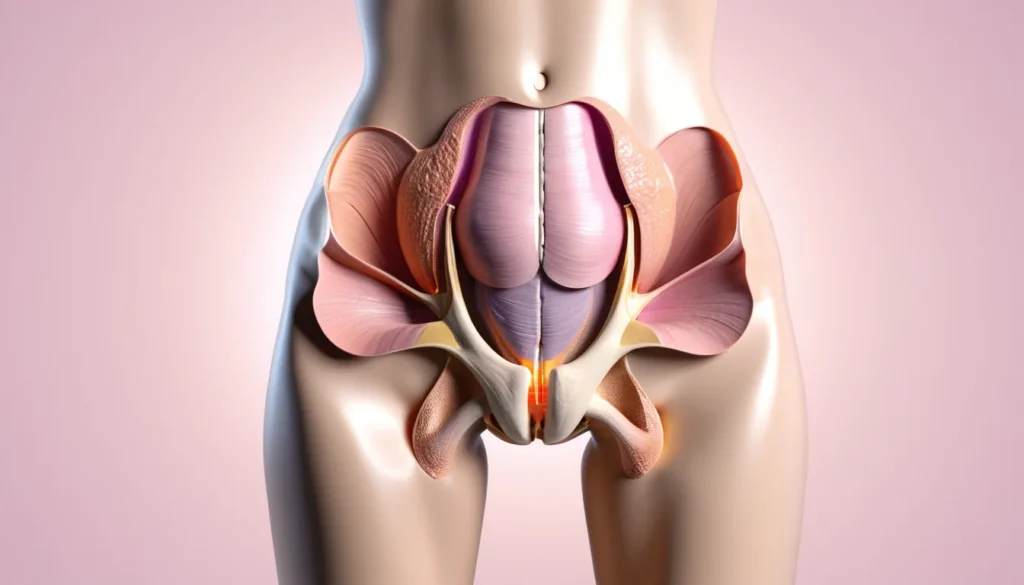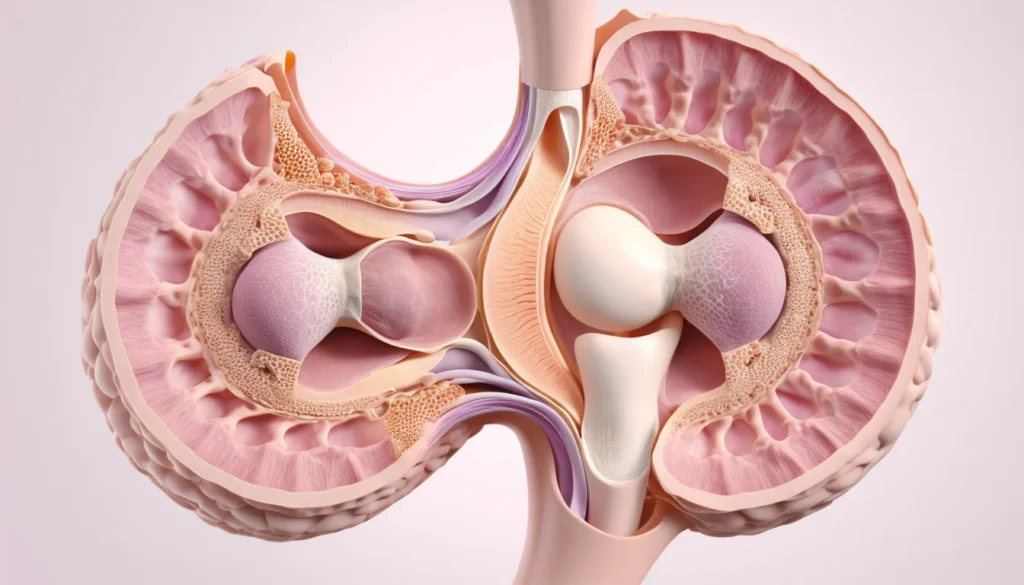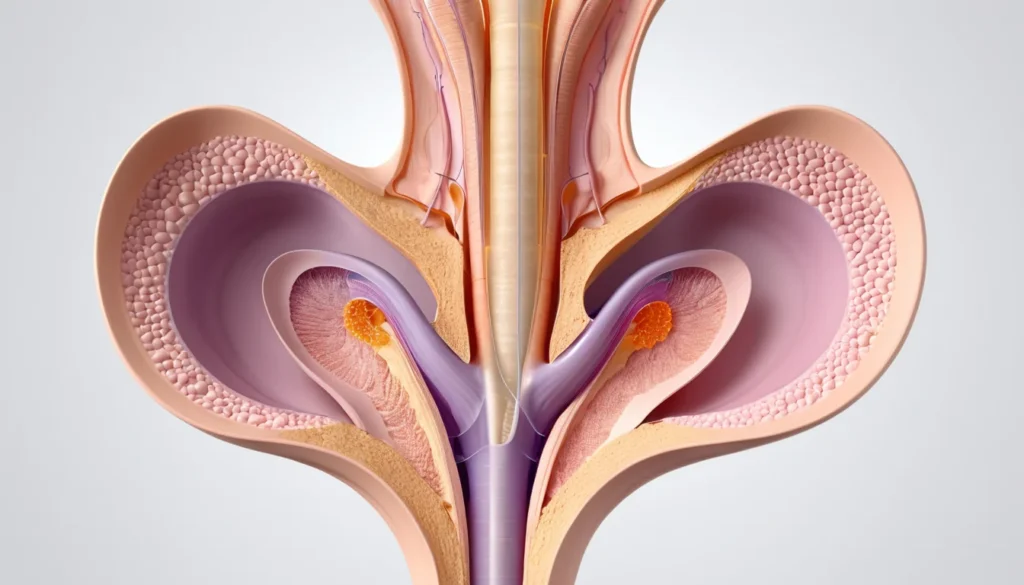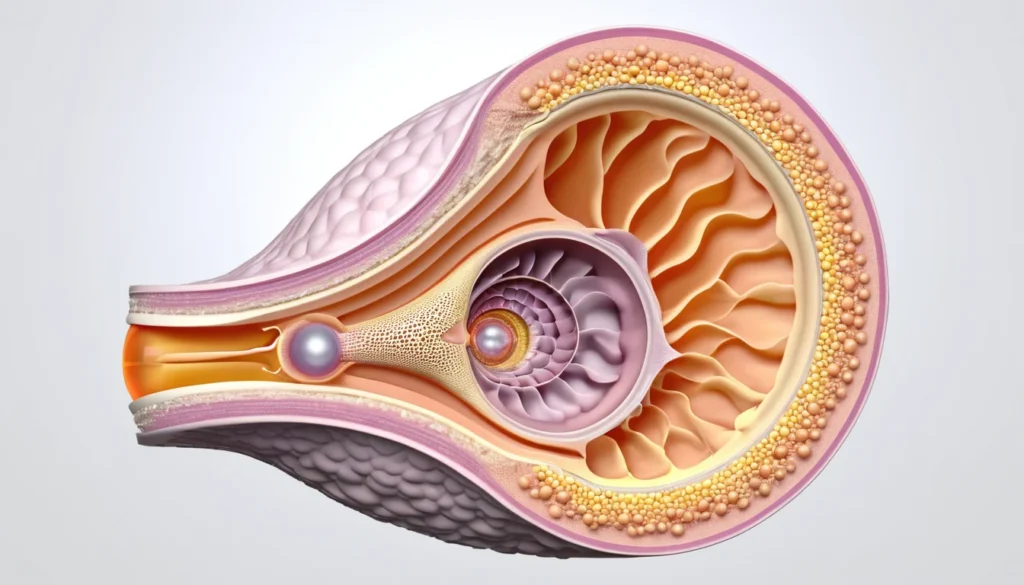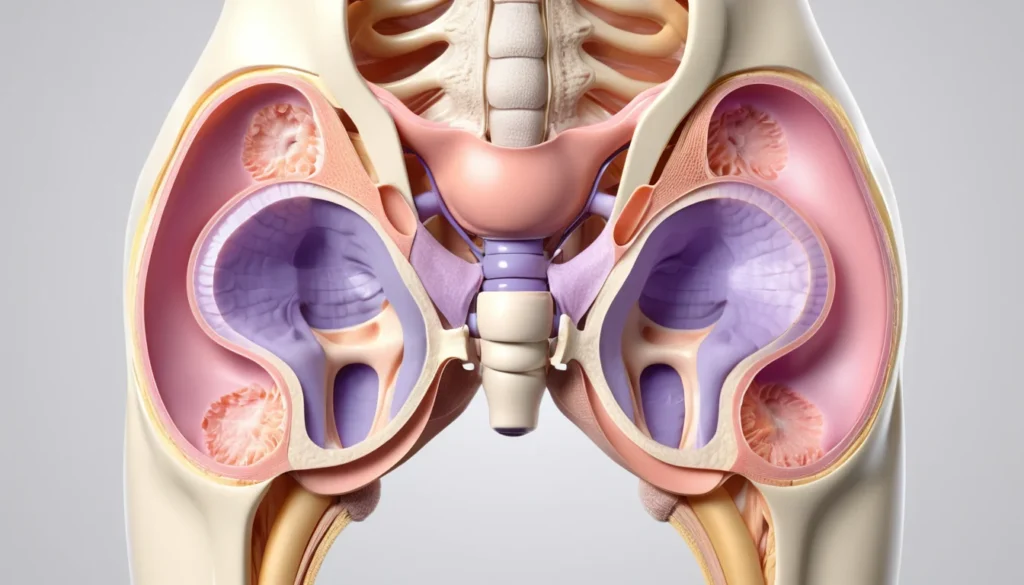
Chronic pelvic pain in women is a complex condition that affects the lower abdomen and pelvis for six months or longer. It can range from a mild, nagging ache to severe pain that disrupts daily life, work, relationships, and sexual activity. For many women, finding answers takes time — and sometimes, no single cause is ever found. However, with the right support from your healthcare team, effective treatment is possible.
What Is Chronic Pelvic Pain in Women?
Pelvic pain refers to any discomfort in the area below the belly button and between the hips. When that pain lasts for at least six months, doctors call it chronic pelvic pain. It may be constant or come and go — for example, appearing only around your period or without any clear pattern.
There is no single agreed-upon definition among doctors. Some include pain tied to a known medical condition. Others use the term only when no clear cause can be found, or when pain continues even after treatment. Either way, chronic pelvic pain in women is a real medical concern that deserves proper attention.
This condition is sometimes described as a “medical mystery.” That can feel frustrating. However, it does not mean your pain is imaginary or untreatable. Many women find significant relief with the right combination of care.
Common Causes of Chronic Pelvic Pain
Your doctor will consider a wide range of possible causes. Pelvic pain often involves the reproductive organs, the urinary tract, or the lower digestive system. Some conditions start as acute (sudden) pain and become chronic if not treated successfully.
Reproductive System Causes
Endometriosis: Tissue similar to the uterine lining grows outside the uterus. It causes cyclic pain and bleeding, and is one of the most common causes of chronic pelvic pain in women.
Adenomyosis: Uterine lining tissue grows into the muscle wall of the uterus. This leads to painful, heavy periods.
Uterine fibroids: Non-cancerous growths in or on the uterus. They can cause pressure, bloating, and pain.
Endometrial polyps: Small, non-cancerous growths on the inner wall of the uterus. These can cause irregular bleeding and discomfort.
Ovarian cysts: Fluid-filled sacs on the ovaries. Most are harmless, but some become a source of ongoing pain.
Pelvic inflammatory disease (PID): An infection of the reproductive organs, often caused by a sexually transmitted infection (STI). It can lead to scarring and long-term pain.
Uterine abnormalities: Structural problems present from birth can sometimes contribute to pelvic discomfort.
Urinary and Digestive Causes
Interstitial cystitis: Chronic bladder inflammation that causes pelvic pressure and frequent, painful urination.
Irritable bowel syndrome (IBS): A common gut condition causing cramping, bloating, and changes in bowel habits.
Kidney stones: These can cause intense, recurring pain that radiates to the pelvis.
Abdominal adhesions (scar tissue): Bands of scar tissue can form after abdominal surgery, radiation therapy, or pelvic infections.
Nerve-Related and Emotional Causes
Sometimes, pain persists long after an injury or illness has healed. Nerves can continue to send pain signals even when no active damage is present. Doctors call this neuropathic pain. It is thought to result from the nervous system becoming overloaded after prolonged or intense pain.
In addition, emotional trauma — including a history of physical or sexual abuse — can contribute to or worsen chronic pelvic pain in women. Research shows that roughly half of women with this condition report a history of abuse. This connection is not fully understood, but it is taken seriously by healthcare providers. Health Canada recognises the link between mental health and chronic pain conditions.
Risk Factors to Know
Certain factors may increase a woman’s chance of developing chronic pelvic pain. Understanding your risk can help you and your doctor make informed decisions.
A difficult pregnancy or labour, including delivery with forceps or vacuum assistance
A history of physical or sexual abuse in childhood or adulthood
Previous pelvic inflammatory disease or abdominal surgery
Past radiation therapy to the pelvic area
A diagnosis of depression, past or present
Alcohol or substance use concerns
Congenital (present from birth) abnormalities of the uterus, cervix, or vagina
It is important to note that having one or more of these risk factors does not mean you will develop chronic pelvic pain. However, sharing this history with your doctor helps them provide better, more personalised care.
Symptoms of Chronic Pelvic Pain
Symptoms can vary widely from one woman to the next. Some women feel a dull, constant ache. Others experience sharp, stabbing pain that comes and goes. Common symptoms include:
Mild to severe lower abdominal or pelvic pain
Painful menstrual cramps (dysmenorrhoea)
Lower back pain that starts one to two days before a period
Pain during or after sexual intercourse
Painful urination or bowel movements
Rectal pain or pressure
Depending on the underlying cause, you may also notice:
Blood in your urine or stool
Vaginal bleeding after sex
Heavy or irregular menstrual bleeding
The Connection Between Chronic Pain and Depression
Depression and chronic pelvic pain are closely linked. Living with persistent pain takes a significant toll on mental health. Symptoms of depression — such as disrupted sleep, changes in appetite, low mood, and slowed thinking — often accompany chronic pelvic pain in women.
Therefore, it is essential to address both physical and emotional wellbeing. Treating depression alongside any physical cause of pain leads to much better outcomes. If you are experiencing symptoms of depression, please speak with your doctor or a mental health professional. Mayo Clinic’s overview of chronic pelvic pain provides additional detail on this important connection.
How Is Chronic Pelvic Pain Diagnosed?
Diagnosing chronic pelvic pain in women often requires patience. Your doctor will start with a full medical history and a physical examination. They will ask about the nature, timing, and triggers of your pain, as well as your menstrual cycle, sexual history, and any previous surgeries or infections.
Further investigations may include:
Blood and urine tests to check for infections or other conditions
Pelvic ultrasound to look at the reproductive organs
Laparoscopy, a minimally invasive surgical procedure that lets doctors view the pelvic organs directly
CT scan or MRI for a more detailed image of the pelvic region
In some cases, thorough testing still does not reveal a clear cause. This can be discouraging, but it is more common than many people realise. It does not mean your pain is not real — it simply means the cause is not yet fully understood. As a result, treatment focuses on managing your pain and improving your quality of life.
Treatment Options for Chronic Pelvic Pain
Treatment depends on the underlying cause, your symptoms, and your overall health. Because chronic pelvic pain in women is often complex, a combination of approaches tends to work best.
Medical Treatments
Pain relievers: Over-the-counter options like ibuprofen or naproxen can help manage mild to moderate pain.
Hormonal therapy: Birth control pills, hormonal IUDs, or other hormonal medications can reduce pain linked to endometriosis or adenomyosis.
Antibiotics: Used when an infection such as PID is the cause.
Antidepressants: Certain antidepressants, at low doses, help reduce nerve-related pain even in women who are not depressed.
Surgery: In some cases — for example, to remove fibroids, treat endometriosis, or break up scar tissue — surgery may be recommended.
Non-Medical Approaches
Physiotherapy: A pelvic floor physiotherapist can help relax or strengthen the muscles of the pelvic floor, which often plays a big role in chronic pain.
Cognitive behavioural therapy (CBT): This type of talking therapy helps change how you think and respond to pain. It is highly effective for chronic pain conditions.
Dietary changes: Increasing fibre intake and avoiding trigger foods can help if IBS is a contributing factor.
Relaxation techniques: Yoga, mindfulness, and breathing exercises help reduce stress, which can worsen pain perception.
Heat therapy: A heating pad on the lower abdomen offers simple, effective short-term relief for many women.
According to Healthline’s guide to chronic pelvic pain, a multidisciplinary approach — combining medical treatment with physical and psychological support — gives the best results for long-term pain management.
When to See a Doctor
You should not have to live with ongoing pelvic pain. If your pain has lasted more than a few weeks, or if it is affecting your daily life, it is time to seek help. Start by booking an appointment with your family doctor or visiting a walk-in clinic.
Seek emergency care immediately if you experience:
Sudden, severe pelvic pain
Pain with fever and vomiting
Signs of pregnancy alongside pelvic pain (this could indicate an ectopic pregnancy, which is a medical emergency)
Heavy vaginal bleeding alongside severe pain
Your family doctor can refer you to a gynaecologist, urologist, or a chronic pain centre if needed. Many provincial health plans across Canada cover these referrals. You do not have to navigate this alone — there are specialists and multidisciplinary pain programmes available to help.
Always speak with a qualified healthcare provider before starting any new treatment for chronic pelvic pain. This article is for informational purposes only and is not a substitute for professional medical advice.
Frequently Asked Questions
What does chronic pelvic pain in women feel like?
Chronic pelvic pain in women can feel like a dull, constant ache, sharp stabbing sensations, or cramping in the lower abdomen and pelvis. Some women feel it all the time, while others notice it only during their period, during sex, or when using the bathroom. The intensity can range from mild discomfort to severe pain that interferes with daily activities.
What is the most common cause of chronic pelvic pain in women?
Endometriosis is one of the most common causes of chronic pelvic pain in women. It occurs when tissue similar to the uterine lining grows outside the uterus, causing cyclic pain and bleeding. Other frequent causes include pelvic inflammatory disease, uterine fibroids, irritable bowel syndrome, and interstitial cystitis.
Can chronic pelvic pain go away on its own?
In some cases, chronic pelvic pain improves once an underlying condition — such as an ovarian cyst or infection — is treated. However, for many women, the pain does not resolve on its own and requires active treatment. Seeing your family doctor or a specialist early gives you the best chance of finding relief.
How is chronic pelvic pain diagnosed in Canada?
Your family doctor will begin with a physical exam, medical history, and basic blood and urine tests. They may refer you for a pelvic ultrasound, MRI, or a laparoscopy to look more closely at the pelvic organs. Most of these investigations are covered under provincial health plans, though wait times may vary by province.
Is chronic pelvic pain linked to mental health?
Yes, there is a well-established link between chronic pelvic pain in women and mental health conditions such as depression and anxiety. Persistent pain takes a serious toll on emotional wellbeing, and emotional trauma can also worsen pain perception. Treating both the physical and psychological aspects of pain together leads to much better outcomes.
What type of doctor should I see for chronic pelvic pain?
Start with your family doctor or a walk-in clinic if you do not have a regular physician. Depending on the suspected cause, you may be referred to a gynaecologist, urologist, gastroenterologist, or a multidisciplinary chronic pain programme. Pelvic floor physiotherapists and mental health professionals are also valuable members of the care team for chronic pelvic pain.
Key Takeaways
Chronic pelvic pain in women is defined as pain in the lower abdomen or pelvis lasting six months or more. Common causes include endometriosis, adenomyosis, fibroids