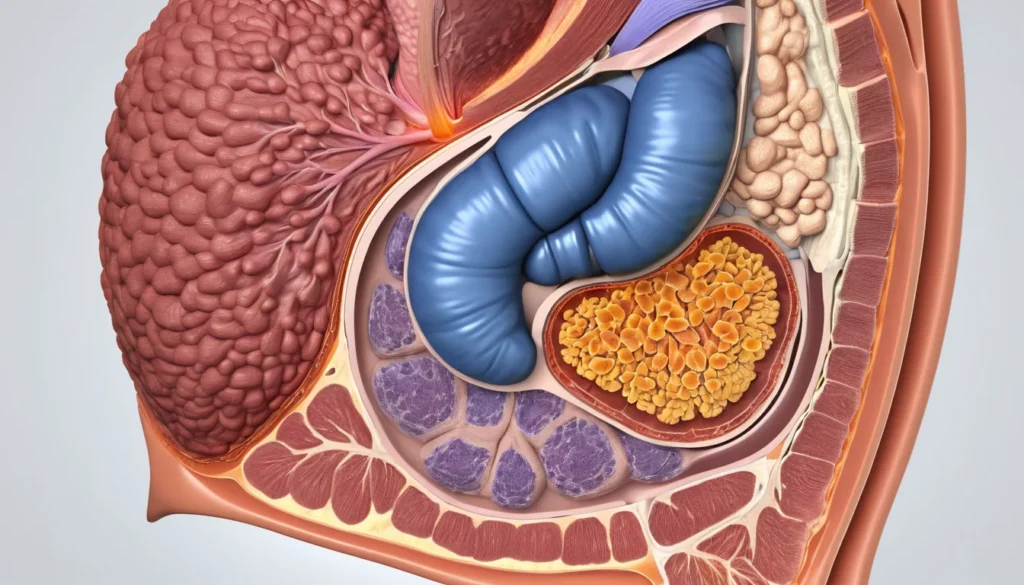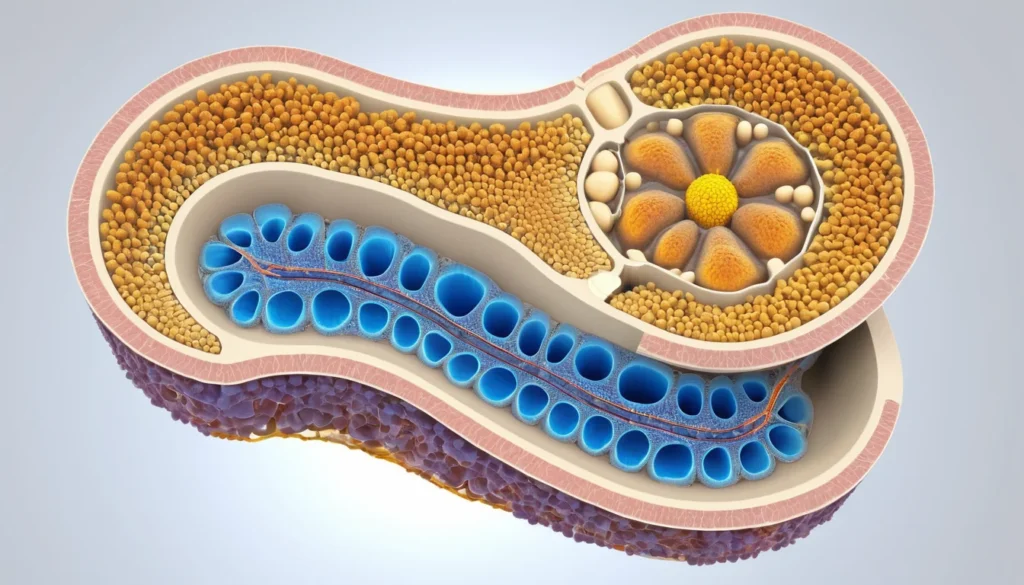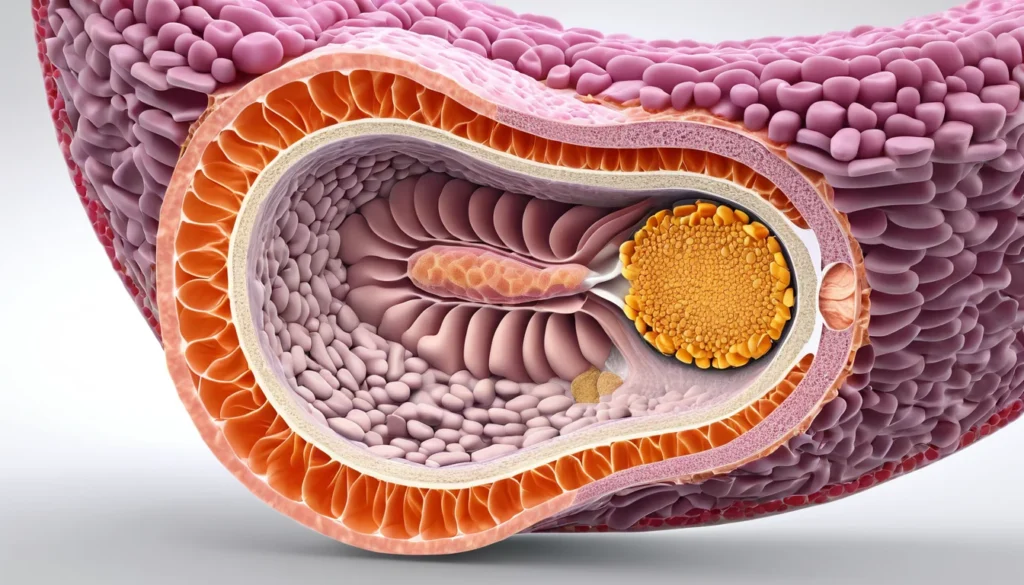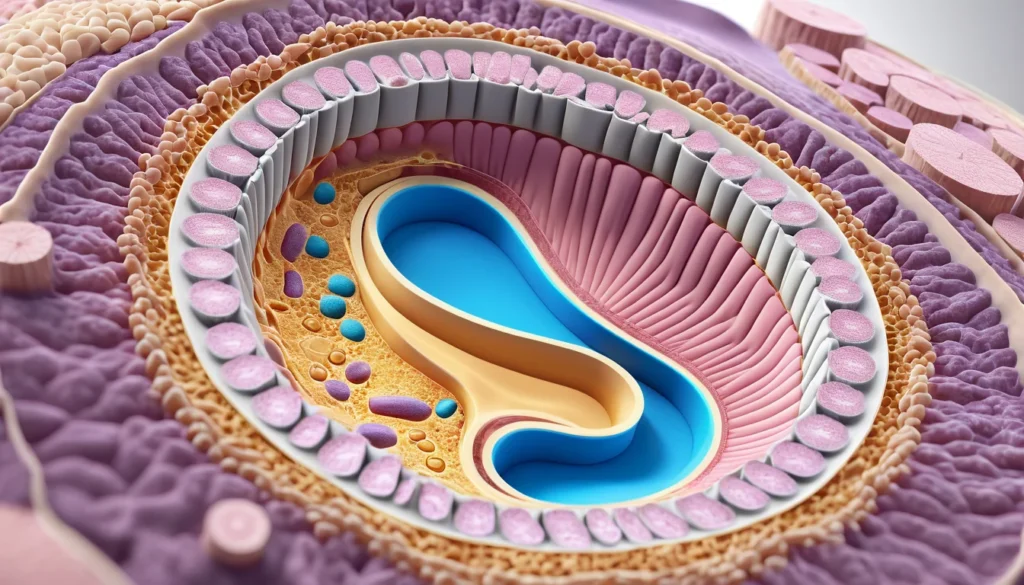
Chronic pancreatitis is a long-lasting inflammation of the pancreas that slowly damages this important organ. Over time, healthy pancreatic tissue is replaced by scar tissue, which stops the pancreas from working properly. This leads to serious problems with digestion, nutrient absorption, and blood sugar control. In this article, we explain the causes, symptoms, complications, and treatment options — and help you understand when to talk to your family doctor or visit a walk-in clinic.
What Is Chronic Pancreatitis?
The pancreas is a gland that sits behind your stomach. It does two important jobs: it makes digestive enzymes that break down food, and it produces hormones like insulin that control blood sugar.
In chronic pancreatitis, ongoing inflammation gradually destroys the glandular tissue of the pancreas. Scar tissue (called fibrosis) builds up in its place. As a result, the pancreas can no longer produce enough enzymes or hormones.
This leads to three main problems: poor digestion, malabsorption (when your body cannot absorb nutrients properly), and diabetes. While chronic pancreatitis is not a common condition, the number of cases has risen slightly over the past 20 years, especially in countries with high alcohol consumption. For example, in Western Europe, between 4 and 12 people per 10,000 are diagnosed each year. Canadian rates follow a similar pattern.
You can learn more about how the pancreas works from Mayo Clinic’s overview of chronic pancreatitis.
Common Causes of Chronic Pancreatitis
The most frequent cause of chronic pancreatitis is long-term heavy alcohol use. In fact, alcohol is responsible for 70 to 90 percent of all cases involving calcium deposits (calcifications) in the pancreas.
Alcohol and Diet
A diet high in protein and fat often goes hand in hand with heavy drinking. Together, these habits put enormous stress on the pancreas. Smoking also significantly raises the risk of developing chronic pancreatitis.
Less Common Causes
However, alcohol is not the only cause. Other less common causes include:
Long-term malnutrition — the leading cause of chronic pancreatitis in tropical regions, such as parts of India and Africa
Hyperparathyroidism — an overactive parathyroid gland that raises calcium levels in the blood
Hereditary factors — some people inherit a genetic tendency toward pancreatitis
Obstructive Chronic Pancreatitis
A less common type is called obstructive chronic pancreatitis. This occurs when the ducts that drain the pancreas become blocked. Causes of this blockage include:
Scarring from repeated episodes of acute pancreatitis
Benign (non-cancerous) tumours in the pancreatic duct
Narrowing of the duct where it opens into the small intestine
External compression or injuries from trauma
Malignant (cancerous) tumours of the pancreas
Symptoms of Chronic Pancreatitis
Recognising the symptoms of chronic pancreatitis early can make a real difference. Symptoms tend to appear in two stages: early symptoms and late symptoms.
Early Symptoms
The main early symptom is sudden, severe abdominal pain. This pain can last for hours or even days. It is intense enough to interfere with daily activities like work or caring for your family.
Pain is usually triggered by heavy alcohol use combined with high-fat meals. In addition to pain, early signs may include:
Jaundice — a yellowing of the skin and eyes, which often appears after a bout of abdominal pain
Fatigue — feeling unusually tired even without much physical activity
Late Symptoms
As the disease progresses and the pancreas loses more function, later symptoms develop. These are signs of pancreatic insufficiency — meaning the pancreas can no longer do its job. Late symptoms include:
Oily, greasy stools (steatorrhoea) — caused by poor fat absorption
Progressive weight loss — because the body cannot absorb enough nutrients
High blood sugar (hyperglycaemia) — which can develop into full diabetes over time
Furthermore, malnutrition can develop if the condition is left untreated for a long period.
How Is Chronic Pancreatitis Diagnosed?
Diagnosing chronic pancreatitis can be challenging, especially in the early stages. Your doctor will look at your medical history and order imaging tests to examine your pancreas.
Medical History
Your doctor will ask about your alcohol use, the nature of your abdominal pain, and any history of jaundice or unexplained weight loss. The pattern of alternating jaundice and weight loss is particularly characteristic of this condition.
Imaging and Tests
Common tests used to diagnose chronic pancreatitis include:
Abdominal ultrasound — a non-invasive first step, available through most provincial health plans
Abdominal X-ray — can detect calcium deposits in the pancreas
CT scan (computed tomography) — provides a detailed picture of the pancreas and surrounding structures
Upper endoscopy — a thin camera is passed into the digestive tract to examine the area closely
These additional investigations are especially important for ruling out other conditions, such as pancreatic cancer. Your family doctor can refer you for these tests through your provincial health plan.
For more information on diagnostic approaches, visit Health Canada’s digestive health resources.
Complications of Chronic Pancreatitis
Without proper treatment, chronic pancreatitis can lead to serious complications. As scar tissue builds up and ducts narrow, several problems can arise.
Cysts and Abscesses
Narrowing or blockage of the pancreatic ducts can cause fluid-filled sacs called retention cysts to form. These cysts can become infected, leading to abscesses (pockets of pus). If an abscess ruptures, it can spread infection to nearby tissues and organs.
This can result in serious conditions such as:
Peritonitis — infection of the abdominal lining
Ascites — build-up of fluid in the abdomen
Pleurisy — inflammation of the lining around the lungs
Mediastinitis — a rare but serious infection in the centre of the chest
Other Complications
Additional complications of chronic pancreatitis include:
Jaundice caused by narrowing of the common bile duct
Gastrointestinal bleeding — this occurs in about 10 percent of patients
Duodenal stenosis — narrowing of the first section of the small intestine, which can occasionally cause a bowel obstruction
Treatment Options for Chronic Pancreatitis
The main goal of treating chronic pancreatitis is to remove the cause of the damage and manage symptoms. There is no cure, but the right treatment plan can greatly improve quality of life.
Stopping Alcohol Use
For calcifying chronic pancreatitis caused by alcohol, stopping drinking is essential. Research shows that continued alcohol use leads to more frequent and more intense abdominal pain, as well as a higher risk of complications.
Many Canadians find support through addiction treatment programmes offered by hospitals, community health centres, or provincial mental health and addiction services. Your family doctor can refer you to the right programme for your needs.
Dietary Changes
A carefully planned diet plays a key role in managing chronic pancreatitis. Because digestion and absorption are impaired, the following dietary strategies are recommended:
Eat 5 to 6 small meals per day instead of 3 large ones
Follow a high-calorie diet to prevent weight loss
Limit fat intake to 60–80 grams per day, as high-fat meals can trigger pain
Avoid alcohol completely
Ensure adequate fibre, vitamins, and minerals, since malabsorption can cause deficiencies
A registered dietitian can help you build a meal plan. In many provinces, dietitian services are covered or partially covered under provincial health plans.
Managing Pain and Pancreatic Insufficiency
Your doctor may prescribe pain relief medication to help manage abdominal pain during flare-ups. In addition, if the pancreas can no longer produce enough digestive enzymes, your doctor may recommend pancreatic enzyme replacement therapy (PERT). These are oral capsules taken with meals to help digest food properly.
If diabetes develops as a result of chronic pancreatitis, your doctor will also manage your blood sugar. This may involve insulin therapy or other diabetes medications.
Surgical Treatment
Surgery is usually considered for obstructive forms of chronic pancreatitis. The goal of surgery is to relieve blockages, drain cysts, or remove damaged tissue. Your specialist will discuss whether surgery is the right option for your situation.
For a broader overview of treatment approaches, Healthline’s guide to chronic pancreatitis treatment offers helpful additional information.
When to See a Doctor
You should speak with your family doctor if you have recurring abdominal pain, unexplained weight loss, or oily stools. These can be signs of a serious digestive condition like chronic pancreatitis that needs proper assessment.
If you experience sudden, severe abdominal pain, yellowing of your skin or eyes, or a high fever, go to your nearest emergency department or urgent care centre right away. These may be signs of a serious complication.
If you do not have a family doctor, a walk-in clinic is a good first step. The doctor there can order initial tests and refer you to a gastroenterologist (a digestive health specialist) if needed. Most provinces cover specialist referrals under their health plans.
Always consult your doctor or a qualified healthcare provider before making any changes to your diet, medications, or treatment plan. The information in this article is for general educational purposes only.
Frequently Asked Questions About Chronic Pancreatitis
What is the most common cause of chronic pancreatitis?
The most common cause of chronic pancreatitis is long-term heavy alcohol use, which accounts for 70 to 90 percent of cases. A diet high in fat and protein, especially when combined with alcohol, significantly increases the risk. Smoking is also a well-known risk factor.
Can chronic pancreatitis be cured?
There is currently no complete cure for chronic pancreatitis, but treatment can slow the damage and manage symptoms effectively. Stopping alcohol use, following a proper diet, and taking prescribed medications can greatly improve a patient’s quality of life. Your doctor will work with you on a long-term management plan.
What does chronic pancreatitis pain feel like?
The pain from chronic pancreatitis is typically a sudden, intense pain in the upper abdomen. It can radiate to the back and may last for hours or days. Pain is often triggered by eating fatty foods or drinking alcohol.
Does chronic pancreatitis lead to diabetes?
Yes, chronic pancreatitis can lead to diabetes over time. As the pancreas is progressively damaged, it loses its ability to produce insulin, the hormone that controls blood sugar. This type of diabetes is sometimes called pancreatogenic or Type 3c diabetes.
How is chronic pancreatitis diagnosed in Canada?
In Canada, chronic pancreatitis is usually diagnosed through a combination of medical history, blood tests, and imaging such as an abdominal ultrasound or CT scan. Your family doctor can order these tests and refer you to a gastroenterologist if needed. Most of these diagnostic tests are covered under provincial health plans.
What foods should you avoid with chronic pancreatitis?
People with chronic pancreatitis should avoid high-fat foods, fried foods, and alcohol, as these can trigger painful flare-ups. It is also important to limit large meals and instead eat 5 to 6 small meals throughout the day. A registered dietitian can help you create a safe and balanced eating plan.
Key Takeaways
Chronic pancreatitis is a long-term inflammation of the pancreas that causes scarring and loss of function. Heavy alcohol use is the leading cause, responsible for up to 90 percent of calcifying cases. Main symptoms include severe abdominal pain, jaundice, oily stools, weight loss, and eventually diabetes. Diagnosis involves medical history, ultras