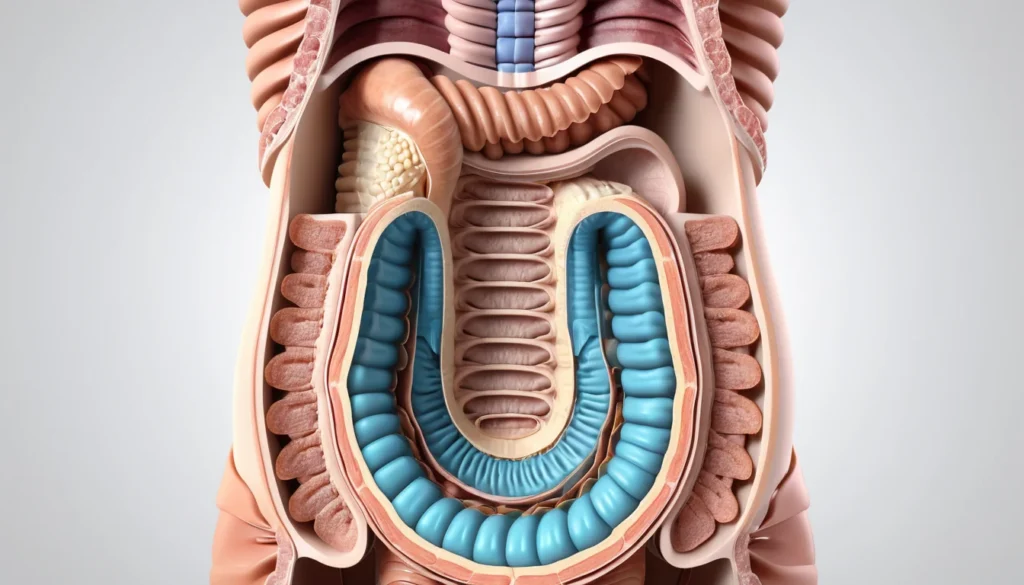
Chronic diarrhea means having loose, watery stools — or needing to rush to the bathroom frequently — for more than a few weeks. It is more than just an inconvenience. It can be a sign of a serious digestive condition that needs medical attention. This article explains the common causes, warning signs, and treatment options available to Canadians.
What Is Chronic Diarrhea?
Most Canadians experience a short bout of diarrhea at some point. This type — called acute diarrhea — usually lasts a few days and goes away on its own. However, when symptoms persist for more than four weeks, doctors call it chronic diarrhea.
Chronic diarrhea is not a disease by itself. Instead, it is usually a symptom of an underlying condition. People of all ages can develop it, but it is especially dangerous for young children and older adults. Both groups can become dehydrated very quickly.
If you or someone in your care has had ongoing diarrhea, it is important to speak with a family doctor or visit a walk-in clinic. Early diagnosis can prevent serious complications.
Common Symptoms of Chronic Diarrhea
Chronic diarrhea involves more than just frequent loose stools. A number of related symptoms often appear alongside it. Recognising these can help you describe your condition clearly to your doctor.
Common symptoms include:
Frequent loose or watery stools
An urgent need to have a bowel movement
Abdominal cramping or pain
Bloating and gas
Nausea or vomiting
Fever
In addition, dehydration is a serious concern with chronic diarrhea. Signs of dehydration include extreme thirst, dry mouth, dry skin, dark urine, dizziness, and unusual weakness. If these symptoms appear, seek medical help right away.
When to See a Doctor
Some people wait too long before getting help for chronic diarrhea. However, certain signs mean you should see a doctor urgently — not just wait it out.
Contact your family doctor, visit a walk-in clinic, or go to an emergency room if you notice any of the following:
Diarrhea lasting more than one week
Blood in your stool, or very dark stools
Severe abdominal or rectal pain
A fever above 38.5°C
Signs of dehydration (dizziness, very little urination, extreme weakness)
Unintended weight loss
Most provincial health plans in Canada cover visits to your family doctor or a walk-in clinic for these concerns. You do not need to suffer in silence. Health Canada recommends seeking care early when digestive symptoms are persistent or worsening.
Common Causes of Chronic Diarrhea
There are many possible causes of chronic diarrhea. Your doctor will work to identify the specific cause before recommending treatment. Here are the most common ones.
Irritable Bowel Syndrome (IBS)
Irritable bowel syndrome, or IBS, is one of the most frequent causes of chronic diarrhea in Canada. It is a functional disorder, meaning the digestive system works differently — but there is no visible damage to the bowel. IBS can cause diarrhea, constipation, or both, along with bloating and cramping.
The exact cause of IBS is not fully understood. However, stress, diet, and how quickly food moves through the colon all seem to play a role.
Inflammatory Bowel Disease (IBD)
Inflammatory bowel disease includes Crohn’s disease and ulcerative colitis. Both conditions cause chronic inflammation in the digestive tract. As a result, they lead to persistent diarrhea, abdominal pain, and sometimes bleeding. Canada actually has one of the highest rates of IBD in the world, according to Mayo Clinic’s overview of inflammatory bowel disease.
These conditions require long-term medical management. Your doctor may refer you to a gastroenterologist — a digestive system specialist — for ongoing care.
Infections and Post-Infection Diarrhea
Some infections cause diarrhea that lingers long after the initial illness. Bacterial, viral, and parasitic infections can all trigger this pattern. For example, the parasite Giardia lamblia is a well-known cause of prolonged diarrhea in Canada, particularly in people who drink untreated water.
Furthermore, people with weakened immune systems — including those living with HIV/AIDS — are at higher risk for chronic intestinal infections. Post-infection diarrhea can also occur when healthy gut bacteria are disrupted after an acute illness.
Lactose Intolerance and Carbohydrate Malabsorption
Lactose intolerance is a very common condition in Canada. It happens when the small intestine does not produce enough of an enzyme called lactase. Without enough lactase, the body cannot properly break down lactose — the natural sugar found in dairy products like milk, cheese, and yogurt.
Undigested lactose moves into the colon, where it draws water in through a process called osmosis. This leads to loose, watery stools. In addition to lactose, other sugars — such as fructose and sorbitol — can cause similar problems in some people. Sorbitol is commonly found in sugar-free gums and candies.
Fat Malabsorption
When the body cannot properly digest or absorb fat, it can also lead to chronic diarrhea. This happens when the pancreas does not produce enough digestive enzymes — as seen in conditions like pancreatitis or pancreatic cancer. It can also happen when the lining of the small intestine is damaged, as in celiac disease.
Undigested fat reaches the lower intestine and colon, where bacteria convert it into chemicals that stimulate excess water production. This speeds up bowel movements and causes diarrhea.
Colon Cancer
In some cases, colon cancer can cause changes in bowel habits, including chronic diarrhea or constipation. If a tumour partially blocks the bowel, liquid stool may pass around it, causing diarrhea. These symptoms tend to get worse over time. Anyone over 50 — or younger with a family history of colon cancer — should discuss screening with their doctor.
Endocrine (Hormonal) Disorders
Several hormonal conditions can affect bowel habits. Hyperthyroidism (an overactive thyroid) speeds up the body’s metabolism, which can cause frequent loose stools. Addison’s disease, which affects the adrenal glands, can also trigger digestive symptoms including diarrhea.
Laxative Overuse
Some people use laxatives regularly to lose weight or manage constipation. However, overusing laxatives can disrupt the natural rhythm of the bowel. Over time, this leads to dependency and — ironically — chronic diarrhea. If you are concerned about laxative use, speak honestly with your family doctor.
How Is Chronic Diarrhea Treated?
Treatment for chronic diarrhea focuses on finding and addressing the root cause. The approach will depend on what is causing your symptoms. There is no single treatment that works for everyone.
Treating the Underlying Cause
When the cause is known, treating it directly is the best approach. For example, bacterial infections may be treated with antibiotics. Parasitic infections like giardia have specific antiparasitic medications. People with Crohn’s disease or ulcerative colitis typically need long-term medication and specialist care.
For those with lactose intolerance, reducing or eliminating dairy from the diet — or using lactase enzyme supplements — can significantly reduce symptoms. Celiac disease requires a strict, lifelong gluten-free diet.
Managing Symptoms
While the underlying cause is being investigated or treated, your doctor may recommend ways to manage symptoms. Staying well-hydrated is essential. In some cases, oral rehydration solutions can help replace lost fluids and electrolytes. Anti-diarrheal medications may be recommended for short-term relief, but these are not suitable for all causes of diarrhea.
Diet changes can also help. Eating smaller, more frequent meals and avoiding trigger foods — such as fatty foods, caffeine, alcohol, and high-fibre foods during flare-ups — may reduce symptoms. A registered dietitian can help you build a meal plan that works for your specific condition.
When Specialist Referral Is Needed
In many cases, your family doctor will refer you to a gastroenterologist for further tests. These may include stool tests, blood work, colonoscopy, or biopsy of the intestinal lining. These tests help pinpoint the cause of your chronic diarrhea. Healthline’s guide to chronic diarrhea offers a helpful overview of the diagnostic process.
Frequently Asked Questions About Chronic Diarrhea
How long does diarrhea need to last before it is considered chronic?
Diarrhea is generally considered chronic when it lasts for four weeks or longer. If you have had loose or watery stools for more than one week, it is a good idea to see your family doctor. Early assessment helps identify the cause of chronic diarrhea sooner.
Can stress cause chronic diarrhea?
Yes, stress and anxiety can affect the digestive system and contribute to chronic diarrhea, especially in people with irritable bowel syndrome (IBS). The gut and brain are closely connected through the nervous system. Managing stress through counselling, exercise, or mindfulness can sometimes help reduce symptoms.
Is chronic diarrhea a sign of cancer?
In some cases, chronic diarrhea or changes in bowel habits can be a symptom of colon or rectal cancer. However, most cases of chronic diarrhea are caused by less serious conditions such as IBS, food intolerances, or infections. It is always best to see a doctor to rule out serious causes.
What foods should I avoid if I have chronic diarrhea?
Common trigger foods include dairy products (if you are lactose intolerant), fatty or fried foods, caffeine, alcohol, and foods containing fructose or sorbitol. A low-fibre diet during flare-ups may also help reduce symptoms. Speaking with a registered dietitian can help you identify your personal triggers.
Can chronic diarrhea go away on its own?
Unlike acute diarrhea, chronic diarrhea rarely resolves without addressing the underlying cause. Some mild cases linked to diet may improve with food changes. However, because chronic diarrhea can signal a serious condition, it is important to get a proper diagnosis from a healthcare provider.
Does lactose intolerance cause chronic diarrhea?
Yes, lactose intolerance is a common cause of recurring diarrhea in Canada. When the body cannot digest lactose — the sugar in dairy products — it passes undigested into the colon, causing loose stools, bloating, and gas. Reducing dairy intake or using lactase enzyme supplements can significantly improve symptoms.
Key Takeaways
Chronic diarrhea lasts four weeks or more and is usually a symptom of an underlying condition — not a disease on its own.
Common causes include IBS, inflammatory bowel disease, lactose intolerance, infections, fat malabsorption, and hormonal disorders.
Dehydration is a serious risk, especially for children and older adults. Watch for signs like dizziness, dry mouth, and dark urine.
See your family doctor or visit a walk-in clinic if symptoms last more than a week, or sooner if you notice blood in your stool, fever above 38.5°C, or severe pain.
Treatment depends on the cause. Options include antibiotics, dietary changes, medication, and specialist referral.
Always speak with a qualified healthcare provider before starting or stopping any treatment for chronic diarrhea.
This article is for informational purposes only and does not replace professional medical advice. If you are experiencing ongoing digestive symptoms, please consult your family doctor, a walk-in clinic, or call your provincial health line for guidance.