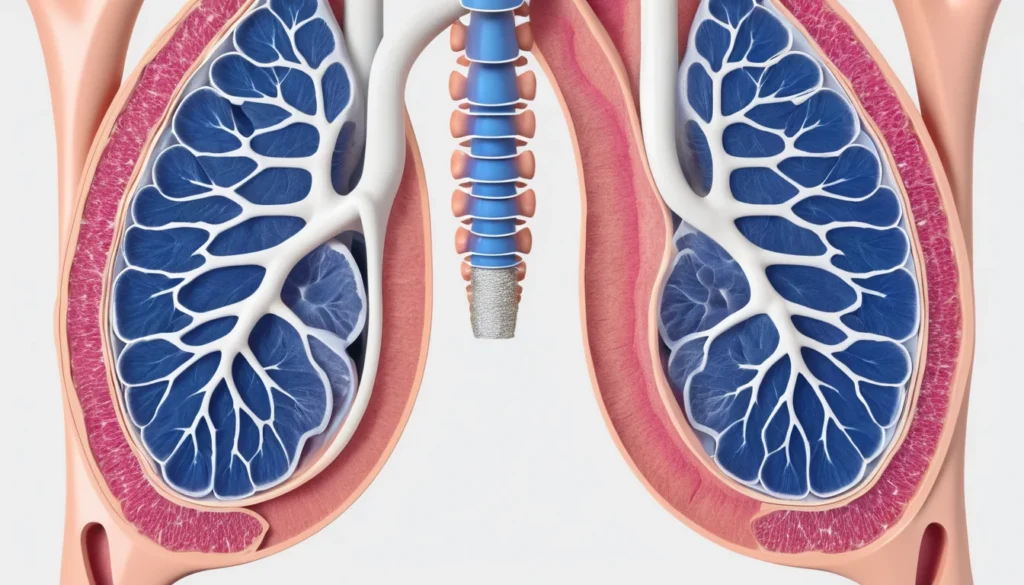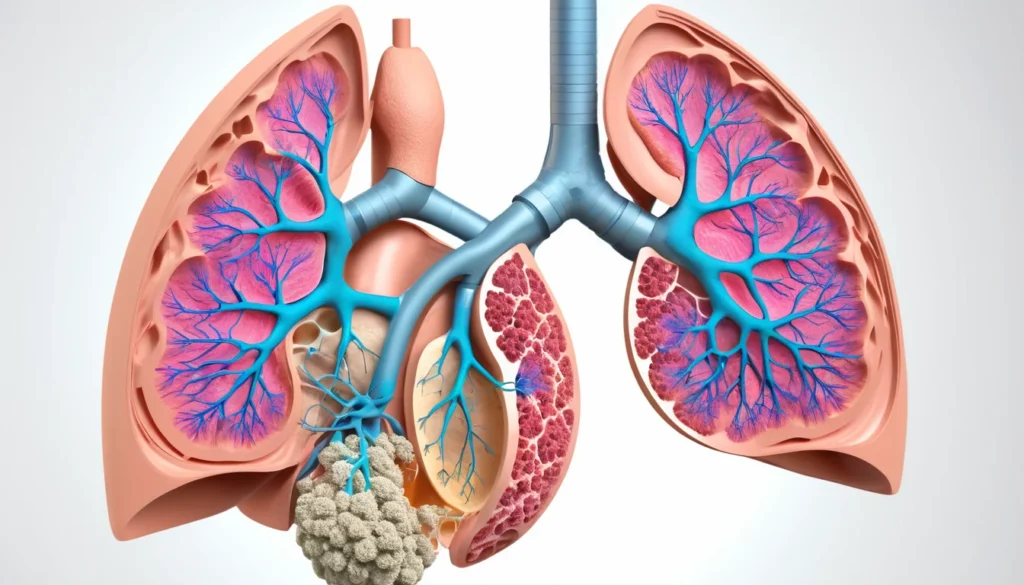
A chronic cough is one that lasts eight weeks or longer. It is more than just an annoyance — it can disrupt your sleep, affect your work, and strain your relationships. In fact, a persistent cough is one of the most common reasons Canadians visit their family doctor. The good news is that once the cause is found and treated, the cough usually goes away.
What Is a Chronic Cough?
A cough becomes chronic when it sticks around for eight weeks or more in adults. In children, doctors generally use four weeks as the benchmark. An occasional cough is completely normal — it helps clear your airways of dust, mucus, and other irritants.
However, a cough that simply will not go away is usually a sign of an underlying health issue. Identifying that cause is the first step toward feeling better. According to Mayo Clinic’s overview of chronic cough, the most common triggers are postnasal drip, asthma, and acid reflux.
Common Symptoms of a Chronic Cough
A chronic cough rarely shows up on its own. It often comes with other signs that can point to the underlying cause. Knowing what to watch for helps you describe your symptoms clearly when you see your doctor.
Common symptoms that appear alongside a chronic cough include:
A runny or stuffy nose
A feeling of liquid dripping down the back of your throat
Wheezing or shortness of breath
Heartburn or a sour taste in your mouth
Coughing up blood or blood-tinged mucus (in rare cases)
Disrupted sleep due to nighttime coughing
If you are coughing up blood, seek medical attention right away. This symptom always needs prompt evaluation.
Main Causes of a Chronic Cough
A cough starts when something irritates the nerves in your airways. That irritant could be stomach acid, mucus, hairspray, perfume, or even spicy food. When that irritation continues over time, the cough becomes chronic. Below are the most common causes.
Postnasal Drip
Every day, the glands in your nose, sinuses, and throat produce mucus. This mucus keeps your airways moist and clean. Normally, you swallow it without noticing. However, when allergies, a cold, or a sinus infection cause your body to produce too much mucus, it can pool at the back of your throat.
This excess mucus irritates and inflames the throat, which triggers the cough reflex. If the condition becomes ongoing, the cough becomes chronic as well. In some cases, postnasal drip causes no obvious symptoms other than the cough itself.
Asthma
Asthma is a leading cause of chronic cough in adults and the most common cause in children. Most people think of asthma as causing wheezing and breathlessness. However, there is a type called cough-variant asthma, where a persistent cough is the only symptom.
This type of chronic cough may come and go with the seasons. It can also flare up after a respiratory infection, or worsen when you breathe in cold air or certain chemicals. This condition is sometimes called “hyperactive airway disease.” Your family doctor can refer you to a specialist for proper testing.
Acid Reflux (GERD)
Gastroesophageal reflux disease, commonly known as GERD or acid reflux, is another frequent cause of chronic cough. In this condition, stomach acid flows back up into the esophagus. This constant irritation can trigger a cough reflex.
Many people assume acid reflux always causes heartburn. In reality, about half of people with GERD-related chronic cough have no heartburn at all. A persistent cough may be their only symptom. Therefore, GERD is often overlooked as a cause and can take time to diagnose.
Respiratory Infections
A cough can linger long after other symptoms of a cold, flu, or pneumonia have cleared up. Sometimes, the infection itself is still present and has not fully resolved. In other cases, the infection is gone, but the airways remain inflamed and overly sensitive.
As a result, even mild irritants — like cold air or dust — can keep the cough going for weeks. This is sometimes called a “post-infectious cough.” It typically improves on its own, but your doctor can suggest ways to manage it in the meantime.
Blood Pressure Medications (ACE Inhibitors)
Certain medications prescribed for high blood pressure and heart failure can cause a chronic cough. These drugs are called ACE inhibitors (angiotensin-converting enzyme inhibitors). They are widely used across Canada and are very effective — but they cause a dry, persistent cough in about 20% of people who take them.
The cough usually starts within the first week of treatment. However, it can sometimes appear up to six months after starting the medication. If you suspect your blood pressure medication is causing your cough, do not stop taking it on your own. Talk to your doctor first — there are alternative medications available.
Chronic Bronchitis
Chronic bronchitis is a long-term inflammation of the major airways (bronchi). It causes congestion, difficulty breathing, wheezing, and a cough that brings up whitish mucus. Most people with chronic bronchitis are current or former smokers.
In these cases, the cough is usually a sign of lung and airway damage from years of smoking. Quitting smoking is the most important step in managing this condition. Health Canada explains how smoking damages the lungs and what support is available to help Canadians quit.
Bronchiectasis
Bronchiectasis is a serious chronic lung condition. In this disease, the airways become abnormally widened and lose their ability to clear mucus properly. It is almost always caused by a previous lung infection, such as pneumonia — even one that seemed mild at the time.
Symptoms include a cough with whitish or blood-streaked mucus, shortness of breath, and ongoing fatigue. This condition requires medical diagnosis and management, so see your family doctor if these symptoms sound familiar.
Lung Cancer
Lung cancer is a rare cause of chronic cough. Only a small percentage of people with a persistent cough have lung cancer. Furthermore, the vast majority of those cases involve current or former smokers.
If you are a smoker and you are coughing up blood, see a doctor promptly. Early detection makes a significant difference in treatment outcomes. This is not a reason to panic — but it is a reason to act.
Risk Factors for Chronic Cough
Some people are more likely to develop a chronic cough than others. Understanding your risk can help you take early action.
Smoking: Smoking is one of the biggest risk factors for chronic cough. It damages the airways and lungs over time. Even exposure to secondhand smoke — sometimes called passive smoking — can cause a persistent cough and lung problems.
Sex: Women tend to have a more sensitive cough reflex than men. As a result, they are more likely to develop a chronic cough, even from the same underlying cause.
Allergies and asthma: These conditions increase airway sensitivity and raise the risk of a persistent cough.
Certain medications: As noted above, ACE inhibitors used for blood pressure are a well-known trigger.
Complications of a Chronic Cough
A chronic cough is physically exhausting. The repeated effort of coughing can drain your energy and make it hard to get a full night’s sleep. Over time, this takes a real toll on your quality of life.
In addition to fatigue and poor sleep, a chronic cough can cause:
Headaches
Dizziness
Excessive sweating
Urinary incontinence (leaking urine when you cough)
Rib fractures, particularly in women with lower bone density
These complications are real and can significantly affect daily life. They are also another good reason to seek help rather than simply waiting for the cough to pass.
When to See a Doctor About a Chronic Cough
You should see your family doctor if your cough has lasted more than eight weeks, or sooner if it is severe. In Canada, you can also visit a walk-in clinic if you do not have a family doctor or cannot get a timely appointment.
Seek medical attention promptly if you experience any of the following:
Coughing up blood or blood-streaked mucus
A cough that is disrupting your sleep
Coughing that interferes with work or daily activities
Unexplained weight loss alongside a persistent cough
Shortness of breath or chest pain
Your family doctor will likely assess you first and may refer you to a respirologist (a lung specialist) if needed. Many provincial health plans cover these referrals, so check with your provider. The World Health Organization outlines how chronic respiratory conditions are diagnosed and managed globally.
Remember: always consult a qualified healthcare provider before drawing conclusions about your symptoms. This article is for general information only and is not a substitute for professional medical advice.
Frequently Asked Questions About Chronic Cough
How long does a cough have to last to be considered chronic?
A chronic cough is generally defined as one that lasts eight weeks or longer in adults. In children, doctors typically use four weeks as the cutoff. If your cough has lasted this long, it is worth speaking with your family doctor or visiting a walk-in clinic.
Can acid reflux really cause a chronic cough?
Yes — acid reflux (GERD) is one of the most common causes of chronic cough. In fact, about half of people with a GERD-related chronic cough have no heartburn at all, making it easy to miss. If your persistent cough has no obvious cause, your doctor may investigate acid reflux as a possibility.
Can my blood pressure medication cause a chronic cough?
Yes, a class of blood pressure medications called ACE inhibitors can cause a dry, persistent cough in roughly 20% of people who take them. The chronic cough usually starts within the first week but can appear months later. Do not stop your medication without speaking to your doctor first — there are effective alternatives available.
Is a chronic cough a sign of lung cancer?
Lung cancer is a rare cause of chronic cough, and most cases involve current or former smokers. However, if you are a smoker and are coughing up blood, you should see a doctor promptly. Most people with a chronic cough have a more common and treatable cause, such as postnasal drip, asthma, or acid reflux.
What is the most common cause of chronic cough in children?
Asthma is the most common cause of chronic cough in children. Sometimes a cough is the only symptom of asthma — there may be no wheezing or breathing difficulty. If your child has had a cough lasting more than four weeks, a visit to your family doctor is a good idea.
How is a chronic cough treated in Canada?
Treatment for a chronic cough depends entirely on the underlying cause. For example, asthma is treated with inhalers, acid reflux with dietary changes and medication, and ACE inhibitor coughs by switching to a different drug. Your family doctor or a respirologist can guide you through the right options, most of which are covered under provincial health plans.
Key Takeaways
A chronic cough lasts eight weeks or more and is almost always caused by an underlying condition.
The three most common causes are postnasal drip, asthma, and acid reflux (GERD).
Smoking is a major risk factor — both direct and secondhand smoke can cause a persistent cough.
Some blood pressure medications (ACE inhibitors) cause a chronic cough as a side effect in about 1 in 5 patients.
Coughing up blood is a red flag that requires prompt medical attention.
Treatment depends on the cause — once the cause is addressed, the cough usually improves.
Canadian residents can see their family doctor or visit a walk-in clinic for assessment and referral if needed.
Always consult a healthcare professional for a proper diagnosis and treatment plan.