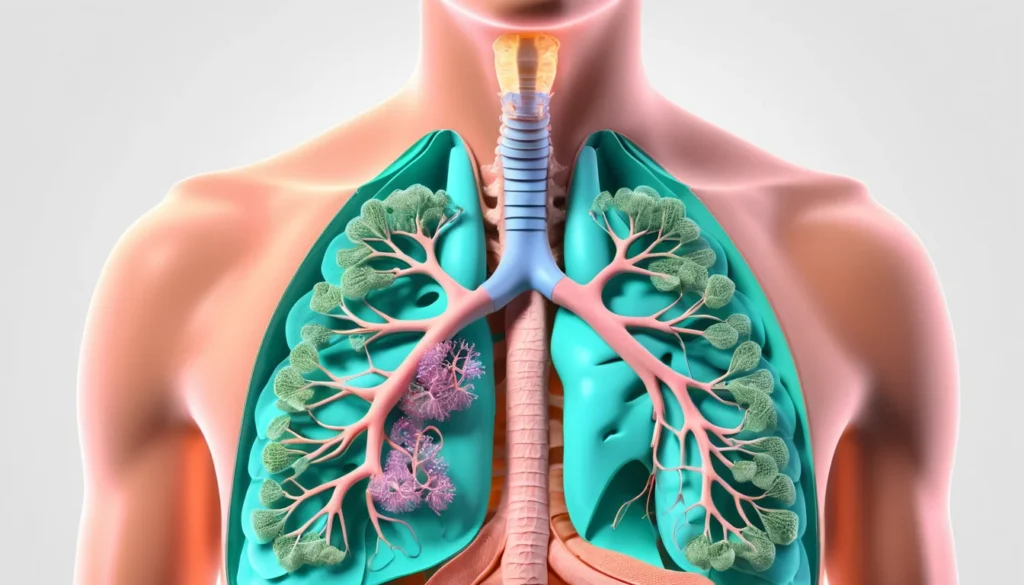
Living with chronic bronchitis or another long-term lung condition can make everyday life feel like a struggle. Breathing difficulties, persistent coughing, and recurring infections take a real toll on your quality of life. In this article, we explore how certain plant-based supplements are being used alongside standard treatments to support respiratory health — and what Canadians should know before trying them.
What Is Chronic Bronchitis and Why Does It Matter?
Chronic bronchitis is a long-term inflammation of the airways in your lungs. It belongs to a group of conditions called COPD — Chronic Obstructive Pulmonary Disease. COPD affects hundreds of thousands of Canadians and is one of the leading causes of disability in this country.
The main cause is smoking. However, long-term exposure to air pollution, dust, or industrial chemicals can also trigger the disease. About 15% of smokers eventually develop serious breathing difficulties, including wheezing, shortness of breath, and — in advanced cases — bluish lips or fingernails due to low oxygen levels.
According to Health Canada, COPD is a serious and growing public health concern. Early diagnosis and treatment through your provincial health plan can slow its progression significantly.
What Happens Inside Your Airways?
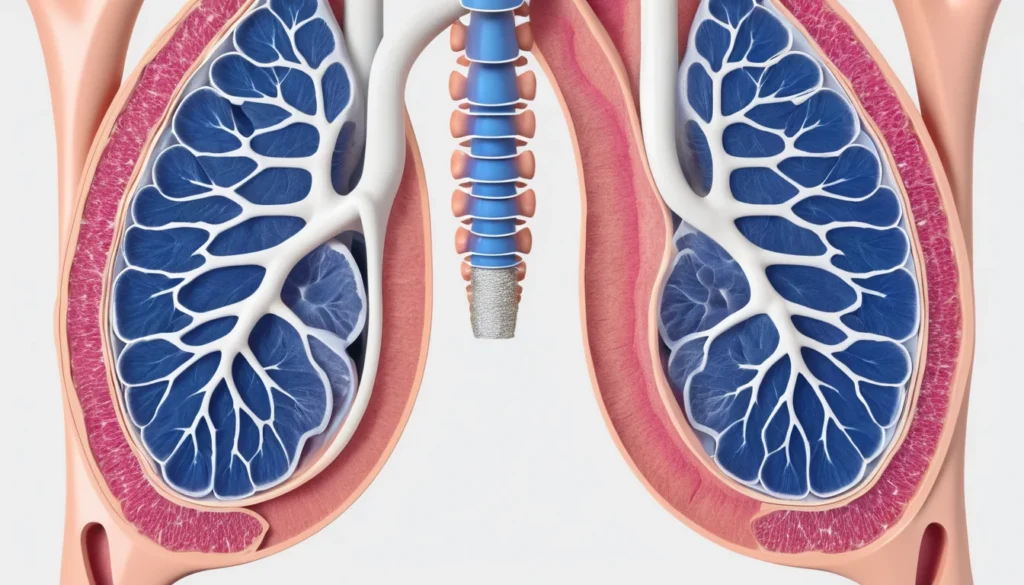
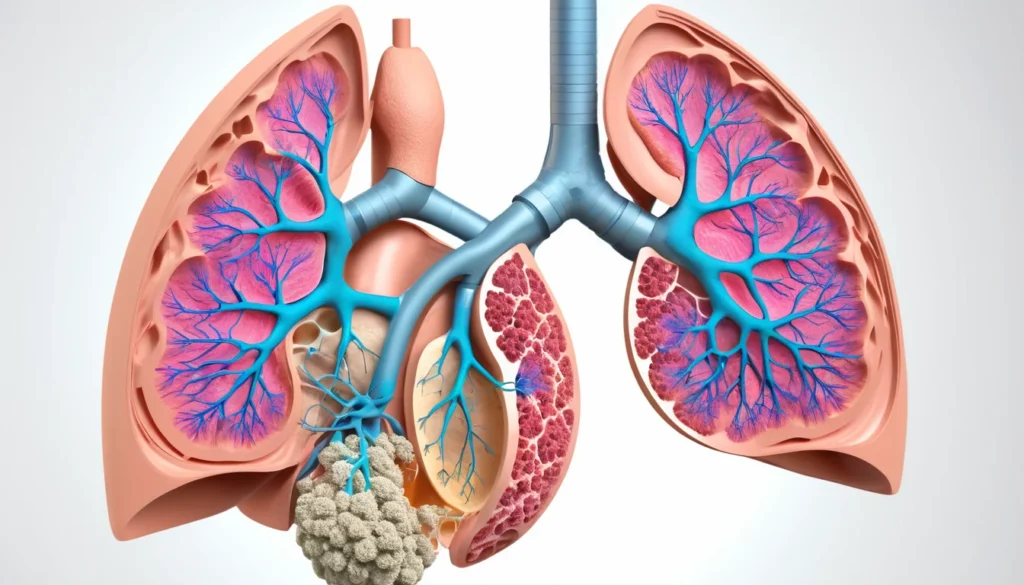
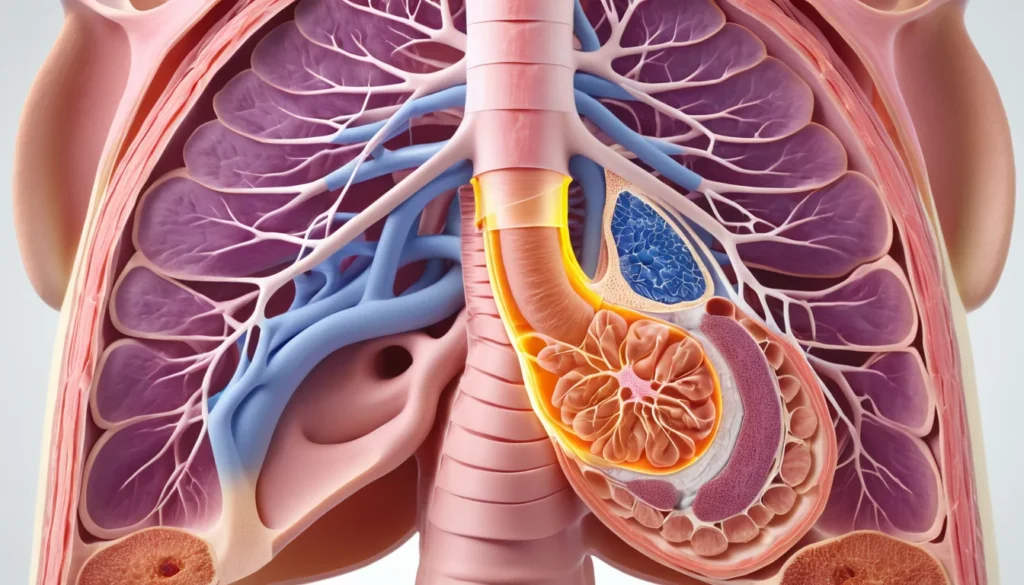
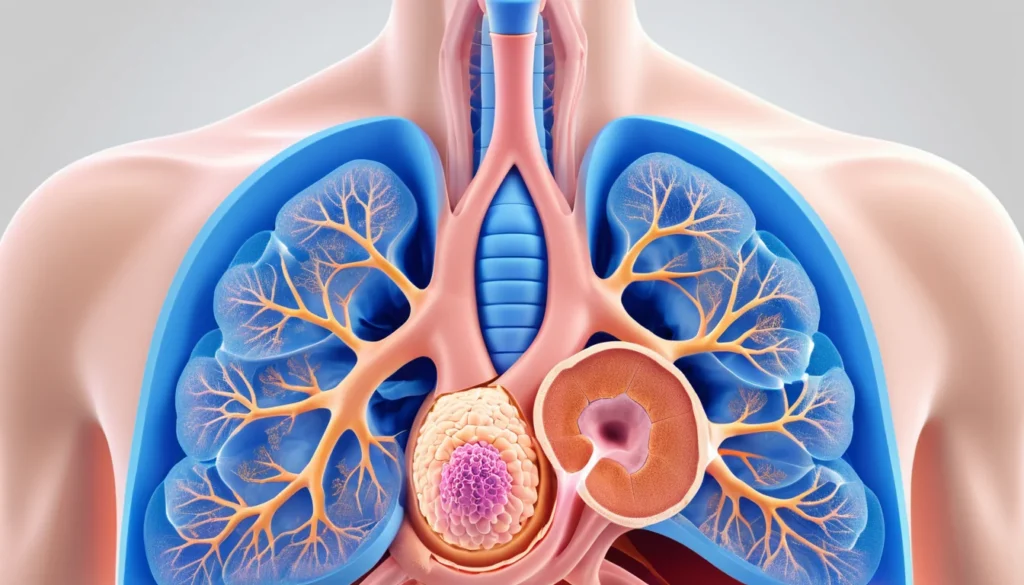
When you have chronic bronchitis, your lower airways — called bronchi — narrow over time. This happens because of ongoing inflammation, often triggered by tobacco smoke or pollutants. As the airways narrow, less air reaches the lungs.
Over time, the tiny air sacs in your lungs (called alveoli) start to break down. The lung tissue loses its natural elasticity. This process is known as fibrosis, and it makes breathing progressively harder.
How Plant-Based Remedies May Support Lung Health
There is growing interest in herbal and plant-based supplements as a support for conventional respiratory treatments. These are not replacements for prescribed medication. However, some natural compounds show promising results in reducing airway inflammation and supporting immune function.
Certain herbs — such as astragalus, wild pansy, and frankincense — contain active compounds that may help calm the immune system. This, in turn, can reduce the chronic inflammation that drives conditions like chronic bronchitis and COPD. Researchers are still working to fully understand how these plants interact with lung tissue.
Astragalus and Cellular Health
Astragalus is a well-studied herb in both traditional and modern medicine. It contains compounds called astragalosides, which some researchers believe may support cellular repair and renewal. For people with lung fibrosis or post-viral lung damage, this is an area of active scientific interest.
That said, the evidence is still emerging. Always speak with your family doctor before adding any new supplement to your routine, especially if you are on prescription medication for COPD or another lung condition.
Essential Oils and Their Active Compounds
Some plant-based respiratory supplements also contain essential oils from eucalyptus and wild oregano. These oils contain natural compounds such as eucalyptol, thymol, and carvacrol. Studies suggest these compounds may help break down the protein coating on certain viruses, making them less effective at spreading in the body.
Furthermore, these same compounds may affect bacterial cell membranes. Early research suggests that certain components of oregano oil may work alongside antibiotics — such as tetracycline and levofloxacin — to improve their effectiveness. This is called a synergistic effect. More large-scale clinical studies are needed to confirm these findings in humans.
Chronic Bronchitis, Recurring Infections, and Immunity
For people who experience repeated chest infections — whether viral or bacterial — the immune system plays a key role in recovery. Building short-term immune resilience is not easy, but some plant extracts appear to help.
Extracts from eucalyptus, wild pansy, and astragalus may offer a dual benefit. First, they can activate immune cells and speed up the body’s natural defence response. Second, they may help moderate that response — preventing dangerous immune overreactions, sometimes called cytokine storms. This kind of immune balance is especially important for people managing long-term respiratory illness.
Post-Viral Lung Damage and Long COVID
Since the COVID-19 pandemic, many Canadians have been left with lingering respiratory symptoms — a condition now widely known as Long COVID. Symptoms can include breathlessness, fatigue, and a persistent cough that lasts for months after the initial infection.
Plant-based supplements are being explored as a supportive tool in managing these post-viral effects. Some patients report improved breathing capacity and reduced symptoms after using herbal respiratory formulas alongside their standard care. However, these are individual accounts, and more clinical research is needed before firm recommendations can be made.
For reliable information on Long COVID, visit the World Health Organization’s COVID-19 health topic page.
What a Typical Course of Plant-Based Respiratory Support Looks Like
Herbal respiratory supplements are generally used in two ways: short courses and long courses. Short courses of 7 to 14 days may be used to support recovery from acute viral or bacterial infections. They are sometimes taken alongside prescribed antibiotics, never as a substitute for them.
Longer courses — lasting one to three months — are more commonly used for chronic conditions. These include COPD, chronic bronchitis, allergic bronchitis, and post-viral recovery. During a long course, typical use might involve taking capsules twice daily, usually morning and evening.
A Patient Story: Managing COPD Over Three Months
Consider a 63-year-old woman who had smoked for over four decades. She was diagnosed with COPD and prescribed bronchodilators and corticosteroid therapy. Despite this, her symptoms worsened. She began experiencing nighttime breathing crises alongside severe anxiety and panic attacks.
She added a plant-based respiratory supplement to her existing treatment plan, under medical supervision. After 12 days, her smoker’s cough became less frequent and her mucus production decreased. After one month, her nighttime breathing episodes had stopped. By the end of a three-month course, she reported no further nighttime breathing symptoms. She now uses a maintenance dose each season as a preventive measure.
This is one individual’s experience and should not be taken as a guarantee of results. Everyone’s health situation is different. Always work with your healthcare provider to find the right plan for you.
Are Natural Lung Supplements Safe to Use With Prescription Drugs?
This is one of the most important questions to ask. Some natural compounds can interact with prescription medications. For example, certain herbal extracts may affect how your body processes blood thinners, immunosuppressants, or heart medications.
Before starting any supplement, talk to your family doctor or a pharmacist. This is especially important if you are already managing a chronic condition like COPD, asthma, or tuberculosis (TB). Your provincial health plan may also cover consultations with a respirologist — a lung specialist — who can guide you on safe complementary options.
For a thorough overview of COPD and its standard treatments, the Mayo Clinic’s COPD resource page is an excellent starting point.
When to See a Doctor
If you are experiencing ongoing coughing, shortness of breath, or frequent chest infections, do not wait. These symptoms deserve proper medical attention. Visit your family doctor or a walk-in clinic as soon as possible.
In Canada, your provincial health plan covers visits to family doctors and most diagnostic tests for respiratory conditions. If you do not have a family doctor, a walk-in clinic or an urgent care centre can provide an initial assessment and referral.
Seek emergency care immediately if you experience:
Sudden severe shortness of breath
Bluish colouring on your lips or fingernails
Chest pain alongside breathing difficulty
Confusion or loss of consciousness linked to breathing problems
Natural supplements should always be used in addition to — never instead of — prescribed medical treatment. Your doctor is your best partner in managing any long-term respiratory condition.
Frequently Asked Questions About Chronic Bronchitis
What is the difference between chronic bronchitis and COPD?
Chronic bronchitis is a type of COPD — Chronic Obstructive Pulmonary Disease. COPD is the broader diagnosis, while chronic bronchitis specifically refers to long-term inflammation of the airway tubes in the lungs. A doctor will diagnose COPD based on your symptoms, history, and breathing tests.
Can chronic bronchitis be cured naturally?
Chronic bronchitis cannot be fully cured, but symptoms can be managed and progression can be slowed. Natural remedies, such as plant-based supplements, may help reduce inflammation and support lung function when used alongside conventional treatment. Always consult your family doctor before making changes to your care plan.
What are the best natural remedies for lung inflammation?
Some of the most studied natural options for lung inflammation include astragalus, eucalyptus essential oil, and wild oregano oil. These contain compounds that may help reduce airway inflammation and support immune function. However, they should be used as a complement to — not a replacement for — medical treatment for chronic bronchitis or COPD.
Is COPD covered under Canadian provincial health plans?
Yes, diagnosis and standard medical treatment for COPD — including doctor visits, lung function tests, and many medications — are covered under provincial health plans across Canada. Coverage for specific inhalers or therapies may vary by province. Check with your provincial health authority or family doctor for details.
Can Long COVID cause chronic bronchitis-like symptoms?
Yes, some people with Long COVID experience persistent respiratory symptoms that closely resemble those of chronic bronchitis, including ongoing cough, breathlessness, and reduced exercise tolerance. These symptoms can last for months after a COVID-19 infection. If you have lingering lung symptoms, speak with your doctor to rule out other conditions and explore treatment options.
How long does it take for natural lung supplements to work?
Results vary depending on the condition and the individual. For acute infections, some people notice changes within one to two weeks. For chronic conditions like COPD or chronic bronchitis, a course of one to three months is typically recommended before meaningful improvements may be observed. Consistent use and ongoing medical supervision are important.
Key Takeaways
Chronic bronchitis is a form of COPD that causes long-term airway inflammation and progressive breathing difficulty.
Smoking is the leading cause, but pollution and industrial exposure also play a role.
Plant-based compounds — including astragalus, eucalyptus, and wild oregano — show promise in supporting lung health and immune function.
Natural supplements should always complement, never replace, treatment prescribed by your doctor.
Short courses (7–14 days) may help during acute infections; longer courses (1–3 months) are used for chronic conditions.
If you have respiratory symptoms, visit your family doctor or a walk-in clinic. Emergency care is available through your provincial health system.
Always tell your doctor and pharmacist about any supplements you are taking to avoid interactions with prescription drugs.