Chromosomal abnormalities are changes in the number or structure of a person’s chromosomes. These changes can affect how the body grows and functions, sometimes in very significant ways. This article explains what chromosomal abnormalities are, how they happen, how doctors diagnose them, and what options are available for Canadians living with or at risk of these conditions.
What Are Chromosomal Abnormalities?
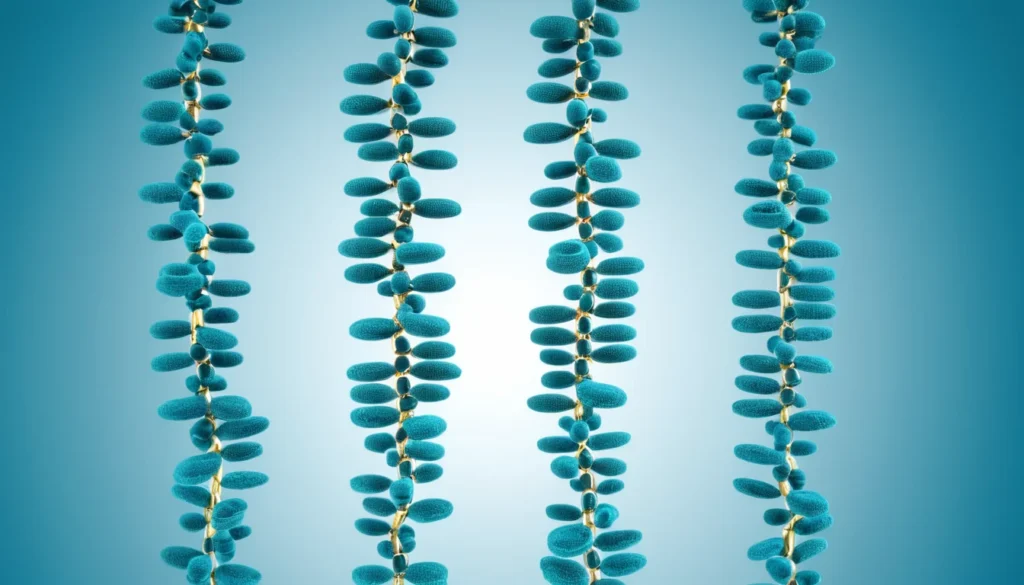
Chromosomes are tiny thread-like structures found inside almost every cell in your body. They carry your genes — the instructions that tell your body how to grow and work. Normally, humans have 46 chromosomes, arranged in 23 pairs.
A chromosomal abnormality happens when someone has too many, too few, or structurally changed chromosomes. Even a small change can affect many aspects of a person’s health and development. Some chromosomal abnormalities are mild, while others can have serious consequences.
According to the World Health Organization (WHO), chromosomal disorders are among the most common causes of birth defects and developmental disabilities worldwide.
Types of Chromosomal Abnormalities
There are two main categories of chromosomal abnormalities: those involving the number of chromosomes and those involving the structure of chromosomes. Both types can have a wide range of effects on health.
Numerical Chromosomal Abnormalities
Numerical abnormalities happen when a person has more or fewer chromosomes than the typical 46. The most well-known example is Down syndrome, also called Trisomy 21. In this condition, a person has three copies of chromosome 21 instead of two.
Other examples include Trisomy 18 (Edwards syndrome) and Trisomy 13 (Patau syndrome). These conditions are generally more severe. Unfortunately, most autosomal trisomies do not allow for long-term survival.
Some numerical abnormalities involve the sex chromosomes. Turner syndrome occurs when a female has only one X chromosome instead of two. Klinefelter syndrome occurs when a male has an extra X chromosome, giving him an XXY pattern.
Structural Chromosomal Abnormalities
Structural abnormalities happen when part of a chromosome is missing, duplicated, flipped, or moved to the wrong place. These changes can be very small or very large. Some structural changes are inherited from a parent who carries a rearrangement without knowing it.
One well-known example is the Philadelphia chromosome. This is an acquired structural abnormality linked to a type of blood cancer called chronic myeloid leukaemia. It is not inherited — it develops during a person’s lifetime.
What Causes Chromosomal Abnormalities?
Most chromosomal abnormalities happen by chance during the formation of egg or sperm cells. An error in cell division — called nondisjunction — can cause a cell to end up with the wrong number of chromosomes. This is not usually caused by anything either parent did or did not do.
In some cases, a chromosomal abnormality is inherited from a parent. A parent may carry a balanced chromosomal rearrangement that causes no problems for them personally. However, it can increase the risk of their child inheriting an unbalanced arrangement, which can cause health issues.
Furthermore, errors can also occur during the very first cell divisions after an egg is fertilised. As a result, some cells in the body may have abnormal chromosomes while others do not. This is called mosaicism.
Risk Factors
Certain factors can increase the chance of chromosomal abnormalities. Advanced maternal age is one of the most significant risk factors. The risk of chromosomal errors in eggs rises as a woman gets older, particularly after the age of 35.
Other risk factors include:
A previous pregnancy affected by a chromosomal abnormality
A family history of chromosomal disorders
One parent carrying a chromosomal rearrangement
Certain environmental exposures, such as radiation (in acquired abnormalities)
It is important to remember that chromosomal abnormalities can happen in any pregnancy, regardless of risk factors. Many occur in families with no prior history of genetic conditions.
How Are Chromosomal Abnormalities Diagnosed?
Diagnosing chromosomal abnormalities typically involves a test called a karyotype. A karyotype is a photographic map of all the chromosomes in a single cell. It lets doctors see whether the chromosomes are the right number, size, and shape.
In Canada, karyotype testing and related genetic tests are available through hospital genetics departments and are often covered under provincial health plans. Your family doctor or a specialist can arrange a referral for these services.
Prenatal Diagnosis
When a pregnancy is considered higher risk, doctors in Canada may recommend prenatal testing. This is commonly offered to women over 38 years of age or those with a family history of chromosomal disorders. The Canadian government provides guidance on genetic testing through Health Canada.
Prenatal testing for chromosomal abnormalities can include:
Amniocentesis: A small sample of amniotic fluid is taken from around the baby, usually around the 15th to 20th week of pregnancy. The fluid contains fetal cells that can be tested.
Chorionic villus sampling (CVS): A small sample of tissue is taken from the placenta. This test can be done earlier, usually between 10 and 13 weeks of pregnancy.
Non-invasive prenatal testing (NIPT): A blood test that looks for fragments of fetal DNA in the mother’s blood. It is a screening test, not a diagnostic test.
Screening tests like NIPT can show that a chromosomal abnormality is possible. However, a diagnostic test like amniocentesis or CVS is needed to confirm the result. Your family doctor or obstetrician will walk you through these options.
The Role of a Genetic Counsellor
If a chromosomal abnormality is suspected or confirmed, a genetic counsellor can provide expert guidance. Genetic counsellors help families understand test results and what they mean. They also assess the risk of chromosomal abnormalities occurring in future pregnancies.
In Canada, genetic counselling services are available through major hospitals and health centres. Ask your family doctor for a referral if you have concerns.
Treatment and Management of Chromosomal Abnormalities
Currently, there is no cure for chromosomal abnormalities that affect every cell in the body. Because these changes are present in all cells from the very beginning, it is not possible to simply correct them. However, many of the health challenges associated with these conditions can be managed effectively.
Treatment focuses on managing symptoms and supporting development. Early intervention — including physiotherapy, speech therapy, and occupational therapy — can make a significant difference in quality of life. Many of these programmes are available through provincial health systems across Canada.
Hormonal and Surgical Treatments
Some chromosomal conditions respond well to specific medical treatments. For example, people with Turner syndrome may benefit from growth hormone therapy and oestrogen replacement. These treatments help support normal physical development and improve long-term health outcomes.
People with Klinefelter syndrome may be treated with testosterone therapy. This helps with typical male development, including muscle growth, mood, and energy levels. Fertility treatments are also available for some individuals with Klinefelter syndrome who wish to have children.
Surgical treatments may be recommended in some cases to correct physical abnormalities associated with certain chromosomal conditions. Your specialist team will develop a care plan tailored to your individual needs.
Acquired Chromosomal Abnormalities
Acquired chromosomal abnormalities, like the Philadelphia chromosome in chronic myeloid leukaemia, are treated differently. Because they occur in specific cells rather than all cells, targeted treatments are possible. For example, a group of medications called tyrosine kinase inhibitors has dramatically improved outcomes for people with the Philadelphia chromosome. Learn more about cancer-related chromosomal changes through Mayo Clinic’s guide to chronic myelogenous leukaemia.
Living With a Chromosomal Abnormality in Canada
A diagnosis of a chromosomal abnormality — for yourself or a loved one — can feel overwhelming. However, many Canadians living with chromosomal conditions lead full and meaningful lives with the right support.
Canada has a network of services to help, including developmental support programmes, community health centres, and patient advocacy organisations. Provincial and territorial governments fund many of these services, and your family doctor can connect you with local resources.
Support groups also play a valuable role. Connecting with others who share similar experiences can reduce isolation and provide practical advice. Your healthcare team can point you toward reputable groups in your community.
When to See a Doctor
You should speak with your family doctor or visit a walk-in clinic if you have concerns about chromosomal abnormalities. This includes situations where:
You are pregnant and are 35 years of age or older
You have a family history of chromosomal disorders or genetic conditions
A previous pregnancy was affected by a chromosomal abnormality
Prenatal screening results have raised a concern
Your child is showing signs of developmental delay or physical differences that have not yet been explained
Your family doctor can refer you to a specialist, such as a medical geneticist or a maternal-fetal medicine specialist. In Canada, these referrals are typically covered under your provincial health plan. Do not wait — early diagnosis and early support lead to the best outcomes.
Always consult a qualified healthcare professional before making any medical decisions. The information in this article is for educational purposes only and does not replace the advice of your doctor.
Frequently Asked Questions About Chromosomal Abnormalities
What are the most common chromosomal abnormalities?
The most common chromosomal abnormalities include Down syndrome (Trisomy 21), Turner syndrome, and Klinefelter syndrome. Down syndrome is the most frequently occurring chromosomal condition, affecting roughly 1 in 800 births. These conditions vary widely in how they affect health and development.
Can chromosomal abnormalities be detected before birth?
Yes, chromosomal abnormalities can often be detected before birth through prenatal tests such as amniocentesis, chorionic villus sampling (CVS), or non-invasive prenatal testing (NIPT). In Canada, these tests are available through the healthcare system and are recommended for higher-risk pregnancies. Your family doctor or obstetrician can discuss which test is most appropriate for your situation.
Are chromosomal abnormalities hereditary?
Some chromosomal abnormalities are inherited from a parent who carries a chromosomal rearrangement, while others happen spontaneously with no family history. Most cases of Down syndrome, for example, are not inherited — they occur due to a random error during cell division. A genetic counsellor can help assess whether a specific chromosomal condition has a hereditary component.
Is there a cure for chromosomal abnormalities?
Currently, there is no cure for chromosomal abnormalities that affect all cells in the body, as the changes are present from the earliest stage of development. However, many associated health conditions can be effectively managed with hormonal therapy, surgery, and developmental support. Early intervention programmes available in Canada can greatly improve quality of life.
What is a karyotype test and how does it work?
A karyotype test is a laboratory test that creates a visual map of all of a person’s chromosomes to check for chromosomal abnormalities. A blood sample or tissue sample is collected, and the chromosomes are photographed and arranged so doctors can analyse them. In Canada, karyotype testing is available through hospital genetics departments and is often covered under provincial health plans.
At what age does the risk of chromosomal abnormalities increase?
The risk of chromosomal abnormalities in pregnancy increases with maternal age, particularly after the age of 35. For women over 38, Canadian healthcare providers often recommend prenatal diagnostic testing as part of routine care. However, chromosomal abnormalities can occur in pregnancies at any age, so screening is available to all expectant parents who wish to pursue it.
Key Takeaways
Chromosomal abnormalities involve changes in the number or structure of chromosomes and can affect health in many ways.
They can be congenital (present from birth) or acquired later in life, as seen in some cancers.
Common examples include Down syndrome, Turner syndrome, Klinefelter syndrome, and the Philadelphia chromosome.
Diagnosis is made through karyotype testing. Prenatal diagnosis is available through amniocentesis, CVS, or NIPT.
There is currently no cure for congenital chromosomal abnormalities, but many symptoms and health challenges can be managed effectively.
Hormonal therapy, surgical interventions, and developmental support programmes are available in Canada through provincial health systems.
If you have concerns, speak with your family doctor or visit a walk-in clinic. A referral to a medical geneticist or genetic counsellor can provide personalised guidance.