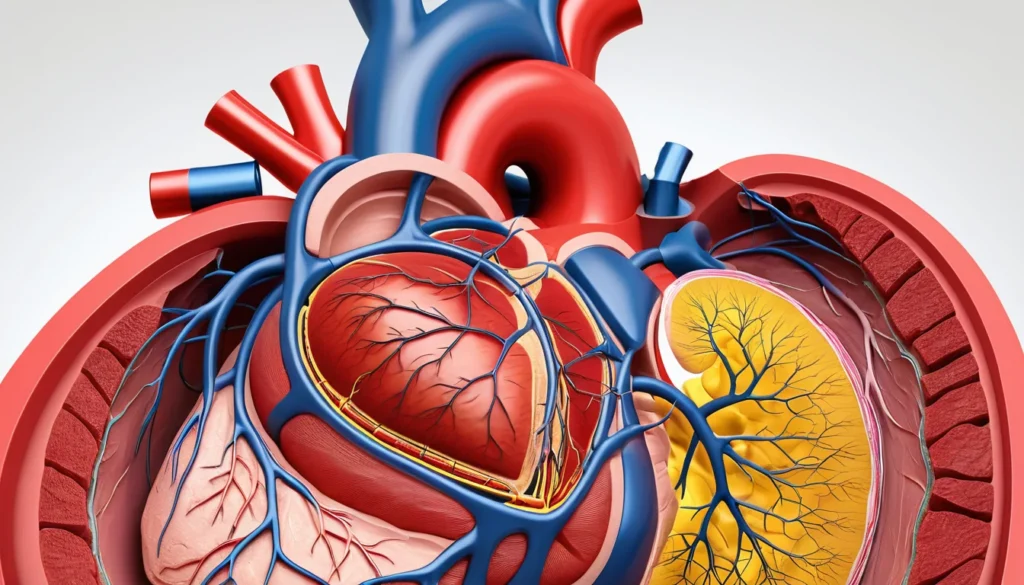
Keeping your cholesterol levels in a healthy range is one of the most powerful things you can do to protect your heart. High cholesterol can quietly build up in your arteries for years without any symptoms. However, if left unchecked, it can lead to heart attack, stroke, or other serious cardiovascular conditions. The good news is that there are proven, practical tools to help you lower your cholesterol — starting today.
What Is Cholesterol and Why Does It Matter?
Cholesterol is a fatty substance that travels through your blood. Your body actually needs some cholesterol to function properly — it helps build cells and make hormones. However, too much of the wrong type causes problems.
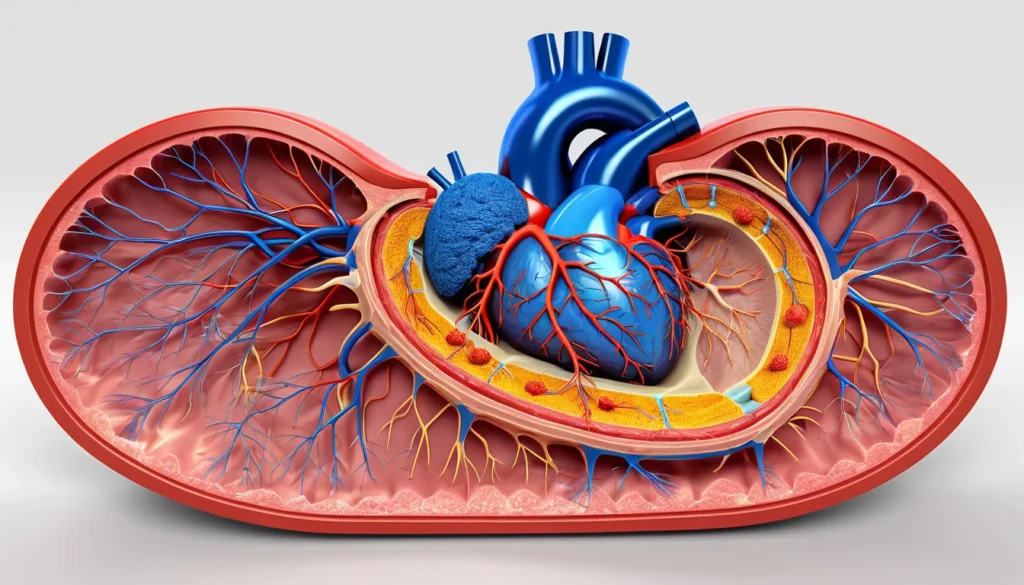
When cholesterol builds up along the walls of your arteries, it forms deposits called plaques. These plaques can narrow your arteries or block them completely. As a result, your heart may not get enough oxygen-rich blood — and that can trigger a heart attack or stroke.
Every year in Canada, tens of thousands of people are affected by heart disease linked to high cholesterol. According to Health Canada, cardiovascular disease remains one of the leading causes of death and hospitalization in the country.
Understanding the Three Types of Cholesterol
Not all cholesterol is the same. There are three main types, and understanding each one helps you take the right steps to protect your heart.
HDL Cholesterol — The “Good” Kind
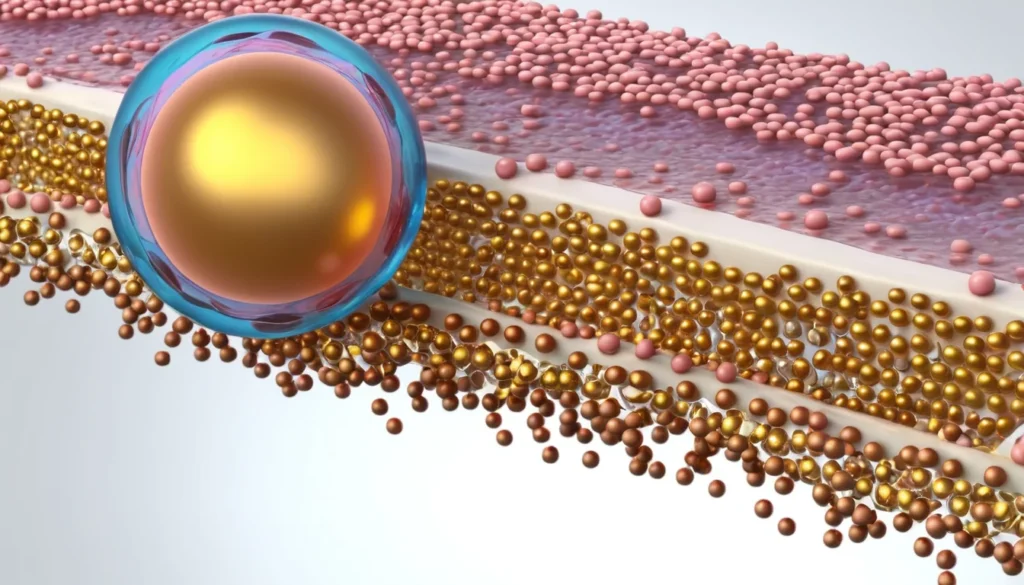
HDL stands for high-density lipoprotein. Think of HDL as your body’s clean-up crew. It carries excess cholesterol away from your arteries and back to your liver, where it gets removed from the body. Higher HDL levels are better for your heart health.
LDL Cholesterol — The “Bad” Kind
LDL stands for low-density lipoprotein. This is the type that sticks to artery walls and builds up over time. The higher your LDL, the greater your risk of heart disease. Lowering LDL is often the main goal when a doctor says you need to lower your cholesterol.
VLDL Cholesterol and Triglycerides
VLDL (very low-density lipoprotein) carries triglycerides, another type of fat in your blood. High triglyceride levels — above 1.7 mmol/L in Canada — also raise your risk of heart disease. Triglycerides tend to rise with poor diet, excess weight, and low physical activity.
Cholesterol Target Ranges for Canadians
Your doctor will measure your cholesterol in mmol/L (millimoles per litre) in Canada. Here are the general target ranges most Canadian guidelines follow:
Total cholesterol: Below 5.2 mmol/L is desirable
LDL cholesterol: Below 2.6 mmol/L is ideal for most adults
HDL cholesterol: Above 1.0 mmol/L for men; above 1.3 mmol/L for women
Triglycerides: Below 1.7 mmol/L
If any of your numbers fall outside these ranges, your family doctor will likely recommend taking action. There are four main approaches that work — either on their own or together.
How Diet Helps You Lower Your Cholesterol
Your body gets cholesterol from two sources: the food you eat and what your liver makes on its own. That means what you put on your plate has a direct impact on your numbers. Fortunately, even modest changes to your diet can make a meaningful difference.
Foods to Reduce or Avoid
Saturated fats raise your LDL cholesterol more than anything else in your diet. These fats are found mainly in animal products like fatty cuts of meat, full-fat dairy, and butter. Trans fats — found in some processed and fried foods — are even worse, as they raise LDL and lower HDL at the same time.
Try to reduce your intake of:
Fatty meats and processed meats (bacon, sausage, deli meats)
Full-fat dairy products (whole milk, cream, cheese)
Baked goods made with shortening or hydrogenated oils
Fast food and deep-fried foods
Foods That Actively Lower Cholesterol
Soluble fibre is one of the most effective dietary tools to lower your cholesterol. It binds to cholesterol in your digestive system and helps remove it before it enters your bloodstream. Aim for foods rich in soluble fibre every day.
In addition, healthy fats from plant sources support good HDL levels. Focus on adding these foods to your meals:
Oats, barley, and other whole grains
Fruits and vegetables (especially apples, pears, and beans)
Nuts and seeds (almonds, walnuts, flaxseed)
Avocado and olive oil
Fatty fish like salmon, mackerel, and trout — rich in omega-3 fatty acids
A simple rule: if a fat is solid at room temperature (like butter or lard), it is likely saturated. If it is liquid at room temperature (like olive oil or canola oil), it is likely a healthier choice.
According to the Mayo Clinic’s cholesterol-lowering diet guide, reducing saturated fat and increasing soluble fibre can lower LDL cholesterol by up to 20% in some people.
Exercise as a Tool to Lower Your Cholesterol
Regular physical activity is one of the most effective — and most underused — tools for managing cholesterol. Studies show that even moderate exercise can raise HDL and lower LDL levels significantly.
How Much Exercise Do You Need?
Most health guidelines recommend at least 150 minutes of moderate-intensity exercise per week. That works out to about 30 minutes a day, five days a week. Walking, swimming, cycling, and dancing all count.
Research shows that people who exercise regularly for at least 30 minutes daily see a meaningful rise in HDL cholesterol and a drop in both LDL and total cholesterol over time. Furthermore, exercise helps control weight — which also affects cholesterol levels.
Diet and Exercise Work Better Together
Here is something important to know: a very low-calorie diet alone can sometimes lower HDL along with LDL. However, when you combine a heart-healthy diet with regular physical activity, you protect your HDL levels while still bringing down the harmful LDL. This combination is more effective than either approach on its own.
If you are new to exercise or have existing health conditions, speak with your family doctor or visit a walk-in clinic before starting a new routine. They can help you find a safe starting point.
Weight Loss and Its Effect on Cholesterol
Carrying extra weight — especially around the abdomen — tends to raise LDL and triglyceride levels while lowering HDL. Even a modest weight loss of 5 to 10 percent of your body weight can improve all three numbers.
For example, a person weighing 90 kg who loses just 4.5 to 9 kg may see a noticeable improvement in their cholesterol profile. Weight loss works because it reduces the amount of fat your liver has to process, which directly affects how much LDL it releases into your blood.
Therefore, the combination of a healthy diet and regular exercise does double duty — it helps you lower your cholesterol directly and also supports gradual, sustainable weight loss.
Cholesterol-Lowering Medications
Sometimes, lifestyle changes alone are not enough. Genetics play a powerful role in cholesterol levels. Some people can eat well, exercise regularly, and maintain a healthy weight — and still have high cholesterol. In these cases, medication is an important and effective option.
Statins — The Most Commonly Prescribed Option
Statins are the most widely prescribed cholesterol-lowering medications in Canada. They work by blocking an enzyme in your liver that produces cholesterol. Studies show that statins can reduce LDL cholesterol by 20 to 60 percent, depending on the dose and the individual.
Most provincial drug benefit programmes in Canada partially or fully cover statins for eligible patients. Your family doctor can assess whether statins are appropriate for your situation and, if so, which one is best suited to you.
Other Cholesterol Medications
In addition to statins, doctors may prescribe other types of medications, depending on your specific cholesterol profile:
Bile acid sequestrants: Help remove cholesterol from the digestive system
Niacin (nicotinic acid): Raises HDL and lowers triglycerides
Fibrates: Primarily lower triglycerides
PCSK9 inhibitors: A newer class of injectable drugs for people with very high LDL or genetic conditions like familial hypercholesterolaemia
For a thorough overview of cholesterol management options, the World Health Organization’s cardiovascular disease fact sheet provides reliable global evidence on prevention and treatment.
When to See a Doctor About Your Cholesterol
High cholesterol has no symptoms. The only way to know your numbers is through a blood test called a lipid panel. In Canada, most family doctors recommend routine cholesterol screening starting at age 40 — or earlier if you have risk factors like diabetes, high blood pressure, or a family history of heart disease.
If you do not have a family doctor, a walk-in clinic can order a cholesterol test and help you understand your results. Many provincial health plans cover routine lipid panels as part of preventive care — check with your provincial health authority for details.
Always consult your doctor or a qualified healthcare provider before making major changes to your diet, starting a new exercise programme, or taking any new medication or supplement. This article is for general information only and is not a substitute for professional medical advice.
Frequently Asked Questions About Cholesterol
How quickly can you lower your cholesterol naturally?
With consistent dietary changes and regular exercise, many people begin to see improvements in their cholesterol levels within 6 to 12 weeks. The amount you can lower your cholesterol naturally depends on your starting levels, genetics, and how closely you follow a heart-healthy lifestyle. Your doctor can track your progress with follow-up blood tests.
What foods should I avoid to lower my cholesterol?
To lower your cholesterol, focus on reducing saturated fats found in fatty meats, full-fat dairy, and butter, as well as trans fats in processed and fried foods. These types of fats raise LDL — the harmful form of cholesterol — more than any other dietary factor. Replacing them with healthy fats from olive oil, nuts, and fish makes a significant difference.
What is a normal cholesterol level in Canada?
In Canada, cholesterol is measured in mmol/L. A healthy total cholesterol level is generally below 5.2 mmol/L, with LDL below 2.6 mmol/L and HDL above 1.0 mmol/L for men and 1.3 mmol/L for women. Your family doctor will interpret your specific numbers based on your overall cardiovascular risk profile.
Are statins safe for long-term use?
Statins are among the most studied medications in the world and are considered safe for most people when taken as prescribed over the long term. Like all medications, they can have side effects — the most common being mild muscle aches — but serious side effects are rare. Talk to your family doctor or pharmacist if you have concerns about taking statins.
Can exercise alone lower cholesterol without medication?
Regular exercise can meaningfully raise HDL and lower LDL cholesterol, especially when combined with a healthy diet. However, for people with genetically high cholesterol or very elevated LDL levels, exercise alone may not be enough to lower your cholesterol to a safe range. Your doctor can help determine whether lifestyle changes are sufficient or whether medication is also needed.
Does high cholesterol run in families?
Yes — genetics play a significant role in cholesterol levels. A condition called familial hypercholesterolaemia causes very high LDL from birth, regardless of diet or lifestyle habits. If a close family member has been diagnosed with high cholesterol or heart disease at a young age, ask your family doctor about getting tested sooner rather than later.
Key Takeaways
High cholesterol has no symptoms — a blood test is the only way to know your numbers.
There are four main tools to lower your cholesterol: a heart-healthy diet, regular exercise, weight management, and medication when needed.
Soluble fibre and healthy fats are your best dietary allies against high LDL.
30 minutes of moderate exercise daily can raise HDL and lower LDL at the same time.
Statins are effective and widely available in Canada, often covered by provincial drug benefit programmes.
Genetics matter — some people need medication even with a perfect lifestyle.
Talk to your family doctor or visit a walk-in clinic to get your cholesterol checked and build a plan that works for you.