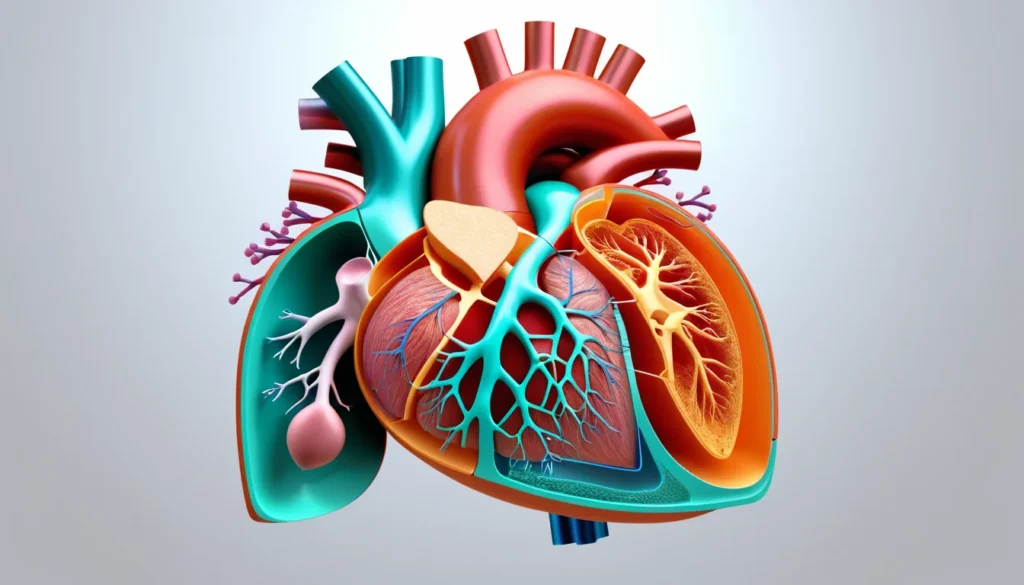
Most Canadians have heard that cholesterol is bad for the heart. However, the real story is more nuanced. Understanding the link between cholesterol and heart disease — and knowing that the type of fat you eat matters more than the amount — could be one of the most important things you do for your health. This article breaks it all down in plain language, so you can make smarter choices starting today.
What Is Cholesterol and Why Does It Matter?
Cholesterol is a fatty substance found naturally in your body. Your body needs it to build cells, make hormones, and keep your nervous system working properly.
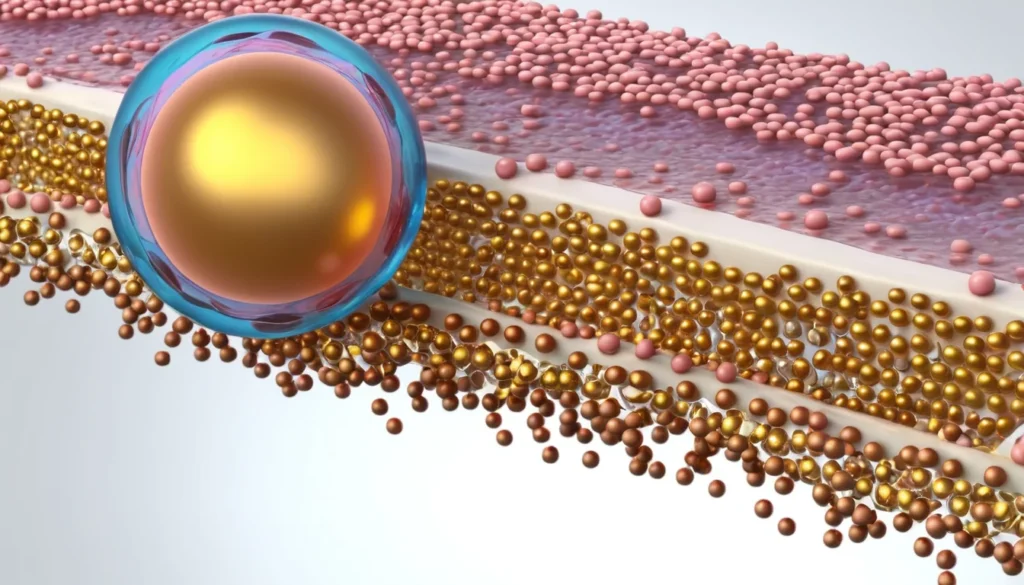
Because cholesterol does not dissolve in water, it cannot travel through your bloodstream on its own. Instead, it attaches to special proteins called lipoproteins, which carry it to where it needs to go.
There are two main types of these carriers. The type of lipoprotein carrying the cholesterol determines whether it helps or harms your heart. This is why doctors look at more than just your total cholesterol number.
HDL vs. LDL Cholesterol: The Good and the Bad
You may have heard cholesterol described as “good” or “bad.” These labels refer to the two main types: HDL and LDL. Understanding the difference is key to understanding cholesterol and heart disease.
HDL Cholesterol: The Good Kind
HDL stands for high-density lipoprotein. Think of HDL as a cleanup crew. It collects excess cholesterol from your blood vessels and carries it back to the liver, where your body can remove it.
Higher HDL levels are linked to a lower risk of heart disease. In contrast, low HDL levels are a red flag. They suggest your body is not clearing cholesterol efficiently, which raises your cardiovascular risk.
LDL Cholesterol: The Harmful Kind
LDL stands for low-density lipoprotein. This is the type that causes problems. When LDL levels are too high, cholesterol starts to build up on the walls of your arteries.
Over time, this buildup — called plaque — hardens and narrows the arteries. This process is known as atherosclerosis (ath-er-oh-scler-OH-sis). It is a leading cause of heart attacks and strokes. Learn more about high cholesterol causes and risks at Mayo Clinic.
Keeping your LDL low and your HDL high is therefore one of the most effective ways to protect your heart.
Type of Fat Matters More Than Amount: What the Research Shows
For years, health messaging focused on eating less fat overall. However, newer research tells a more interesting story. When it comes to cholesterol and heart disease, the type of fat you eat appears to matter more than the total quantity.
A large Finnish study followed 1,551 middle-aged men over 15 years. Researchers tracked the men’s daily intake of omega-3 fatty acids and polyunsaturated fats. They then reviewed the men’s medical records to see who had developed heart disease.
The Striking Results
Men who ate a diet rich in omega-3 fatty acids and polyunsaturated fats had substantially lower rates of cardiovascular disease. Compared to men who ate other types of fat — even in smaller amounts — their risk of dying from heart disease was reduced by 62%.
That is a remarkable finding. It suggests that swapping the type of fat in your diet can have a bigger impact than simply cutting back on fat in general.
What Are Omega-3 and Polyunsaturated Fats?
Omega-3 fatty acids are a type of healthy, unsaturated fat. Linoleic acid is one well-known example. These fats actively support heart health by helping to lower LDL cholesterol and reduce inflammation.
You can find these beneficial fats in everyday foods, including:
Olive oil
Sunflower oil
Corn oil
Fatty fish such as salmon, mackerel, and trout
Walnuts and flaxseeds
Replacing butter, lard, or heavily processed oils with these options is a simple and effective step. Health Canada’s guidance on dietary fats offers practical advice on making these swaps in your daily meals.
Fish and Stroke Prevention: How You Cook It Changes Everything
Eating fish regularly is widely recommended for heart and brain health. However, one important detail is often overlooked: how you prepare it makes a significant difference.
A major study followed 4,775 adults aged 65 and older for 12 years. None of the participants had heart disease at the start. Researchers tracked both how much fish they ate and how it was prepared.
Baked or Broiled Fish Lowers Stroke Risk
Over the 12-year period, 626 strokes occurred among the group. When researchers analysed the data, a clear pattern emerged.
Adults who ate tuna or other fish prepared by methods other than frying — one to four times per week — had a 27% lower risk of stroke. This was compared to those who ate fish less than once a month. Furthermore, eating more than five portions per week lowered the risk even further.
Fried Fish Had the Opposite Effect
Here is where the findings get particularly important. Participants who regularly ate fried fish or fish sandwiches actually showed an increased risk of stroke. And the more fried fish they ate, the higher their risk climbed.
The message is clear: fish is a powerful protective food, but only when it is not deep-fried. Grilling, baking, steaming, or poaching preserves the beneficial omega-3 fats. Frying, on the other hand, destroys many of these benefits and adds unhealthy fats in the process.
As a result, the next time you reach for fish at dinnertime, consider baking a salmon fillet instead of heading to the fish-and-chip shop.
Practical Diet Tips to Improve Your Cholesterol Levels
Making heart-healthy changes does not have to be complicated. Small, consistent shifts in your diet can meaningfully improve your cholesterol and heart disease risk profile over time.
Foods to Add to Your Diet
Fatty fish: Salmon, trout, sardines, and mackerel are excellent sources of omega-3s. Aim for at least two servings per week, prepared by baking or grilling.
Fibre-rich foods: Oats, barley, beans, lentils, and fresh fruit help lower LDL cholesterol naturally.
Healthy oils: Use olive oil or sunflower oil in cooking instead of butter or shortening.
Nuts and seeds: A small handful of walnuts or ground flaxseed daily adds heart-healthy fats to your diet.
Vegetables and fruit: Aim for at least seven to eight servings daily, as recommended in Canada’s Food Guide.
Foods to Limit or Avoid
Saturated fats: Found in fatty meats, full-fat dairy, and coconut oil. These raise LDL cholesterol.
Trans fats: Found in some processed foods and commercially fried items. These are especially harmful and raise LDL while lowering HDL.
Fried foods: Deep-frying adds unhealthy fats and negates the benefits of otherwise healthy ingredients like fish.
Excess sugar and refined carbohydrates: These can lower HDL and raise triglycerides, another blood fat linked to heart disease.
In addition to diet, regular physical activity, not smoking, and maintaining a healthy weight all contribute to better cholesterol levels. Even a 30-minute walk most days of the week can raise your HDL cholesterol. The World Health Organization’s physical activity guidelines provide a helpful starting point.
When to See a Doctor About Your Cholesterol
Many Canadians do not know their cholesterol levels because high cholesterol causes no symptoms. You can have dangerously high LDL and feel completely fine — until a heart attack or stroke occurs.
That is why regular cholesterol screening is so important. In Canada, your family doctor can order a simple blood test called a lipid panel. This test measures your total cholesterol, LDL, HDL, and triglycerides.
If you do not have a family doctor, a walk-in clinic can also arrange this test. Most provincial health plans cover cholesterol screening, particularly for adults over 40 or those with risk factors such as diabetes, high blood pressure, or a family history of heart disease.
Talk to your doctor or a healthcare provider before making significant changes to your diet, especially if you are already managing a health condition or taking medication. Your doctor can help you set realistic cholesterol goals based on your personal health history.
Frequently Asked Questions About Cholesterol and Heart Disease
What is the connection between cholesterol and heart disease?
High LDL cholesterol causes plaque to build up inside your arteries, narrowing them over time. This process, called atherosclerosis, is a leading driver of cholesterol and heart disease, and can eventually lead to a heart attack or stroke. Getting your cholesterol checked regularly is the best way to catch problems early.
What foods should I eat to lower my LDL cholesterol?
Foods rich in soluble fibre — such as oats, beans, and lentils — and healthy unsaturated fats — such as olive oil, walnuts, and fatty fish — are proven to lower LDL cholesterol. Replacing saturated and trans fats with these options is one of the most effective dietary changes you can make. Canada’s Food Guide offers practical meal-planning advice to help you get started.
Is eating fish good for your heart?
Yes — eating fish one to four times per week is strongly linked to lower rates of stroke and heart disease, thanks to its high omega-3 content. However, the health benefits apply mainly to fish that is baked, grilled, or steamed, not fried. Fried fish has actually been associated with an increased risk of stroke in some studies.
What is a healthy HDL cholesterol level?
In general, an HDL level above 1.0 mmol/L for men and above 1.3 mmol/L for women is considered acceptable in Canada, though higher is better. Low HDL is an independent risk factor for cholesterol and heart disease, even when total cholesterol looks normal. Ask your family doctor to interpret your full lipid panel results in the context of your overall health.
Do omega-3 fatty acids really help your heart?
Research strongly supports the role of omega-3 fatty acids in reducing cardiovascular risk. A long-term Finnish study found that men who ate diets rich in omega-3s had a 62% lower risk of dying from heart disease compared to those who did not. Including omega-3-rich foods like salmon, walnuts, and flaxseed in your diet is a practical and well-supported strategy for heart health.
How often should Canadians get their cholesterol checked?
Canadian guidelines generally recommend that adults aged 40 and over get a fasting lipid panel done regularly, with frequency depending on your risk factors. If you have diabetes, high blood pressure, or a family history of heart disease, your doctor may recommend earlier or more frequent testing. Check with your family doctor or a walk-in clinic — cholesterol screening is covered under most provincial health plans.
Key Takeaways
Cholesterol and heart disease are closely linked — but the type of cholesterol matters most. High LDL raises your risk; high HDL helps protect you.
The type of fat you eat matters more than the total amount. Omega-3 and polyunsaturated fats actively protect your heart.
Eating baked or grilled fish one to four times per week can reduce your stroke risk by up to 27%. Fried fish, however, increases risk.
Simple swaps — olive oil instead of butter, salmon instead of fried fish — can make a real difference over time.
Get your cholesterol checked. High cholesterol has no symptoms. A simple blood test through your family doctor or walk-in clinic can reveal your risk before it becomes a crisis.
Always speak with your doctor before making major changes to your diet or health routine. Your provincial health plan likely covers cholesterol testing and cardiovascular risk assessments.