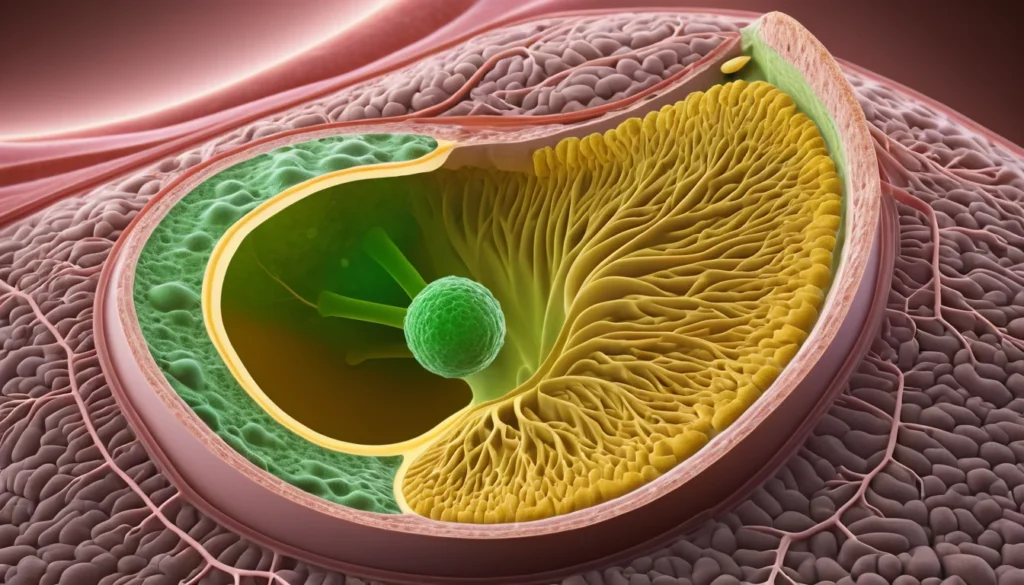
Cholestasis is a condition where bile stops flowing normally through the bile ducts in or outside the liver. Bile is a fluid your liver makes to help you digest fats. When bile flow slows down or stops completely, it can build up and cause serious health problems. This article explains what cholestasis is, what causes it, and what to expect if you need a bile duct drainage procedure.
What Is Bile and Why Does It Matter?
Bile is a digestive fluid made and released by the liver. It travels through a network of tube-like structures called bile ducts to reach your small intestine.
In the small intestine, bile helps your body break down and absorb fats from food. After doing its job, bile exits the body through the digestive system.
The common bile duct connects the liver, gallbladder, and pancreas to the small intestine. When this system works well, digestion runs smoothly. However, when something blocks or slows bile flow, cholestasis can develop.
What Causes Cholestasis?
Cholestasis happens when something slows or blocks the flow of bile. Doctors often classify it as either intrahepatic (inside the liver) or extrahepatic (outside the liver), depending on where the blockage occurs.
Several conditions can trigger cholestasis, including:
Hepatitis – inflammation of the liver caused by a viral infection or other factors
Cirrhosis – a slow-developing disease where healthy liver tissue is replaced by scar tissue
Primary biliary cholangitis – a liver disease where the bile ducts inside the liver are gradually destroyed
Gallstones – hard deposits that can block the bile ducts
Tumours – cancers affecting the pancreas, gallbladder, or liver can press on bile ducts
Infection – bacterial or other infections in the bile ducts
Certain medications – some antibiotics and other drugs can interfere with bile flow
For more information on liver conditions, visit Health Canada’s official health resource centre.
Recognising the Symptoms of Cholestasis
The symptoms of cholestasis can vary depending on the underlying cause. However, there are several common warning signs to watch for.
The most recognisable symptom is jaundice. This is when the skin and the whites of the eyes turn yellow. Jaundice happens because bile pigments build up in the bloodstream when bile cannot drain properly.
Other symptoms of cholestasis include:
Itching all over the body – caused by bile salts building up under the skin
Dark-coloured urine – urine may look brown or tea-coloured
Pale or grey stools – stools may appear very light because bile is not reaching the intestine
Abdominal pain or discomfort
Fatigue and general weakness
Nausea or loss of appetite
If you notice any of these symptoms, speak with your family doctor or visit a walk-in clinic as soon as possible. Early diagnosis leads to better outcomes.
What Is a Bile Duct Drain or Stent?
A bile duct drain — also called a biliary stent — is a thin, hollow, flexible tube. It has small holes along its sides to allow bile to flow through it.
Doctors use a bile duct drain when too much bile has built up in the bile ducts. If a blockage prevents bile from draining, bile backs up into the liver. As a result, jaundice and other complications can develop.
The drain helps bile flow from the liver into the small intestine again. In some cases, one end of the tube connects to a drainage bag worn outside the body. This allows bile to be collected and measured. Learn more about bile duct conditions at Mayo Clinic.
How Is a Bile Duct Drainage Procedure Performed?
A bile duct drainage procedure is done by a specialist, usually a radiologist or gastroenterologist. It is typically an outpatient procedure, meaning most patients go home the same day.
Step-by-Step: What Happens During the Procedure
Here is what you can expect during a bile duct drainage procedure:
The doctor cleans the skin over your abdomen with antiseptic and freezes the area with a local anaesthetic.
A thin needle is carefully guided through the skin and into a bile duct inside the liver.
The doctor injects a contrast dye so that the bile ducts and liver show up clearly on X-ray images.
The bile duct drain is then placed into the bile duct to allow bile to flow freely.
The other end of the drain is connected to a collection bag outside the abdomen. This bag must be emptied several times a day.
The procedure uses imaging guidance throughout to make sure the drain is placed safely and accurately.
What Are the Risks of Bile Duct Drainage?
Like any medical procedure, bile duct drainage carries some risks. The main risks include bleeding, infection, or accidental puncture of the gallbladder or intestine. A puncture could allow bile to leak into the abdomen.
Therefore, it is important to follow your care team’s instructions carefully before and after the procedure.
Recovering After a Bile Duct Drainage Procedure
Most patients are monitored in hospital for a few hours after the procedure. This is to make sure there are no unusual side effects before they go home.
You will not be able to drive yourself home. The medications used during the procedure affect your ability to drive safely. A responsible adult must drive you home and stay with you for the first night.
Care Tips at Home After Bile Duct Drainage
Follow these guidelines while you recover at home:
Diet: You can return to your normal diet after the procedure.
Fluids: Replace fluids lost through the drainage bag by drinking at least six to eight glasses of liquid per day. Sports drinks with electrolytes can help replace lost minerals. Your doctor may have specific recommendations.
Rest: Get plenty of rest in the first 24 hours. A responsible adult should stay with you overnight.
Sleeping position: Avoid lying on the same side as the tube. This prevents the tube from twisting or becoming kinked.
Activity: You can return to normal light activities 24 hours after the procedure.
Lifting: Do not lift anything heavier than 10 kilograms unless your doctor tells you otherwise.
Medications: Continue taking all prescribed medications unless your doctor advises you to stop.
Bathing: You may shower 48 hours after the procedure. However, do NOT swim or submerge in water while the tube is in place.
Furthermore, always check the drain site daily for any signs of infection or irritation.
When to See a Doctor About Cholestasis
If you have been diagnosed with cholestasis or have recently had a bile duct drainage procedure, watch closely for warning signs. Contact your family doctor, a walk-in clinic, or go to the emergency room right away if you notice any of the following:
Redness, swelling, bad smell, or discharge around the tube site on your skin
Pain in your abdomen
Nausea or vomiting
Stools that become very light, white, or grey
Shaking or chills
Fever above 38°C
Yellowing of the skin or eyes (jaundice)
Very dark urine
In addition, if the tube appears blocked, carefully unclamp it and attach it to a drainage bag before contacting your care team. Most provincial health plans cover follow-up visits related to post-procedure care — check with your family doctor or provincial health authority to confirm your coverage.
For further reading on digestive and liver health, Healthline offers a helpful overview of cholestasis and its treatments.
Frequently Asked Questions About Cholestasis
What is cholestasis and is it serious?
Cholestasis is a condition where bile flow from the liver slows down or stops. It can be serious if left untreated, as bile build-up can damage the liver and cause jaundice, intense itching, and other complications. Speak with your family doctor if you suspect you have this condition.
What are the most common symptoms of cholestasis?
The most common symptoms of cholestasis include yellowing of the skin and eyes (jaundice), itching all over the body, dark urine, and pale or grey-coloured stools. Some people also experience fatigue, nausea, and abdominal discomfort.
Can cholestasis be treated without surgery?
In many cases, cholestasis can be managed without major surgery. Treatments may include medications, bile duct stents or drainage procedures, or addressing the underlying cause such as removing gallstones. Your doctor will recommend the best approach based on your specific situation.
What causes cholestasis during pregnancy?
Intrahepatic cholestasis of pregnancy is a liver condition that can occur in the third trimester. Hormonal changes are believed to interfere with bile flow. It requires close monitoring by your doctor or midwife, as it can affect both the mother and the baby.
How long does recovery take after a bile duct drainage procedure?
Most people can return to light daily activities within 24 hours after a bile duct drainage procedure for cholestasis. Full recovery depends on the underlying cause and the individual’s overall health. Your doctor will give you personalised guidance based on your condition.
Is cholestasis covered by provincial health plans in Canada?
Diagnosis and treatment of cholestasis, including bile duct procedures, are generally covered under provincial and territorial health plans when deemed medically necessary. Coverage details may vary by province, so it is best to confirm with your family doctor or provincial health authority.
Key Takeaways
Cholestasis occurs when bile flow through the bile ducts slows down or stops completely.
Common causes include gallstones, hepatitis, cirrhosis, tumours, and certain medications.
Key symptoms include jaundice, body-wide itching, dark urine, and pale stools.
A bile duct drain or stent can restore bile flow when a blockage is present.
Bile duct drainage is usually an outpatient procedure with a short recovery time.
Watch for fever above 38°C, chills, severe pain, or worsening jaundice after any procedure — these require prompt medical attention.
Always consult your family doctor or a walk-in clinic if you notice symptoms of cholestasis. Early treatment makes a significant difference in outcomes.
This article is for informational purposes only and does not replace professional medical advice. Always speak with a qualified healthcare provider for diagnosis and treatment tailored to your individual needs.