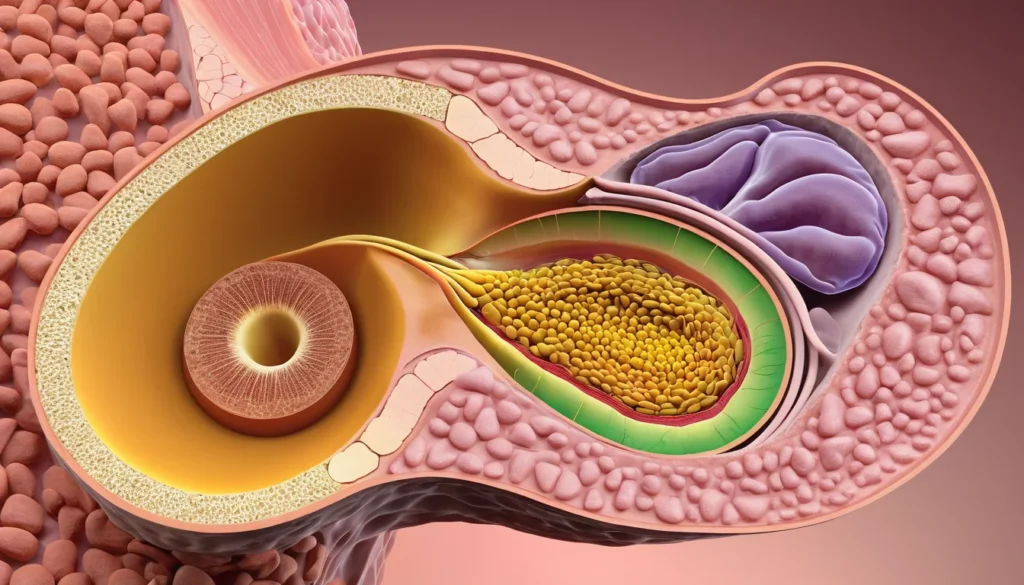
Cholecystitis is inflammation of the gallbladder — a small, pear-shaped organ tucked beneath your liver on the right side of your abdomen. Your gallbladder stores bile, a fluid that helps your body digest food. When bile cannot flow properly, it builds up inside the gallbladder, causing swelling, pain, and sometimes infection. Understanding cholecystitis can help you recognize the warning signs early and get the right care.
What Is Cholecystitis?
Your gallbladder normally releases bile into your small intestine to help break down fatty foods. However, when something blocks that flow, the gallbladder becomes irritated and inflamed. This condition is called cholecystitis.
There are two main types. Acute cholecystitis comes on suddenly and causes severe symptoms. Chronic cholecystitis develops slowly over time, through repeated episodes of inflammation that gradually thicken and harden the gallbladder walls.
In severe cases of acute cholecystitis, bile can leak into the abdominal cavity. This is a medical emergency called biliary peritonitis, and it requires immediate surgery. If you experience sudden, intense abdominal pain, seek emergency care right away.
Common Causes of Cholecystitis
The most common cause of cholecystitis is gallstones. A gallstone can block the cystic duct — the tube that carries bile out of the gallbladder. When bile cannot drain, the gallbladder becomes swollen and inflamed.
However, gallstones are not the only cause. Other possible causes include:
Injury to the gallbladder from trauma, such as a car accident
Infection that spreads to the gallbladder
Complications from conditions like diabetes or HIV/AIDS
Tumours pressing on the bile ducts and blocking bile flow
Severe burns or sepsis
Vasculitis (inflammation of blood vessels)
Extended periods of fasting or receiving nutrition through an IV
Acalculous Cholecystitis
A less common form is acalculous cholecystitis, which occurs without any gallstones. Doctors most often see this in patients in hospital intensive care units. It can develop as a complication of serious illness, immune deficiency, or prolonged fasting. For example, patients recovering from major surgery may develop this condition even without a history of gallbladder problems.
Chronic Cholecystitis
Chronic cholecystitis happens when the gallbladder stays inflamed over a long period. Each episode of inflammation causes more damage. Over time, the gallbladder walls thicken and lose their ability to function properly. This form is often linked to repeated gallstone attacks.
Risk Factors for Cholecystitis
Certain factors increase your chances of developing gallstones, and therefore cholecystitis. Knowing your risk factors helps you and your family doctor make a plan for your health.
Common risk factors include:
Family history — especially on the maternal side
Obesity or rapid weight loss
Pregnancy — hormonal changes affect bile flow
Diabetes or high blood lipid levels (hyperlipidemia)
Crohn’s disease or other digestive conditions
Coronary artery disease or chronic kidney disease
Older age — risk increases as you get older
In addition, prolonged labour during childbirth can stress the gallbladder. As a result, some people develop cholecystitis in the first few weeks after giving birth. If you experience upper abdominal pain after delivery, speak with your doctor promptly.
Symptoms of Cholecystitis
The most common symptom of cholecystitis is pain in the upper right side of your abdomen. This pain may spread to your back or right shoulder. It often starts after eating a fatty meal and can last for several hours.
Other symptoms to watch for include:
Nausea or vomiting
Fever or chills
Tenderness when pressing on the right side of the abdomen
Pain that gets worse when you take a deep breath
Pain lasting more than six hours, especially after a meal
Symptoms in Older Adults
Older adults may not always experience the classic symptoms. For example, they may not develop a fever or severe pain. In some cases, mild tenderness in the abdomen is the only sign. Therefore, cholecystitis can be harder to detect in seniors, and it is important to investigate any unexplained abdominal discomfort.
How Is Cholecystitis Diagnosed?
Diagnosing cholecystitis starts with a visit to your family doctor or a walk-in clinic. Your doctor will ask about your symptoms and press gently on your abdomen to check for tenderness or a swollen gallbladder. This is called a physical examination.
From there, your doctor may order several tests, including:
Blood tests — to check for signs of infection (elevated white blood cells) and liver function markers like bilirubin, alkaline phosphatase, and transaminases
Abdominal ultrasound — the most common first-line test. It uses sound waves to create images of your gallbladder and can detect gallstones, thickened walls, or fluid around the organ. It is non-invasive, inexpensive, and can be done at the bedside.
CT scan of the abdomen — used with contrast dye to check for other conditions that may be causing your symptoms
Advanced Imaging Tests
In some cases, your doctor may recommend more detailed tests. ERCP (endoscopic retrograde cholangiopancreatography) is a procedure that lets doctors view the bile ducts, liver, gallbladder, and pancreas in detail. It is especially useful for finding stones stuck in the bile ducts and detecting bile reflux or inflammation.
Furthermore, ERCP can be used as a treatment tool — doctors can remove bile duct stones during the same procedure. This avoids the need for additional surgery in some patients. You can learn more about gallbladder conditions from Mayo Clinic’s guide to cholecystitis.
Treatment Options for Cholecystitis
Treatment for cholecystitis depends on how severe your symptoms are and your overall health. If you have gallstones but no symptoms, your doctor may recommend a wait-and-watch approach with regular check-ins.
Non-Surgical Treatment
For mild cases, your doctor may recommend:
Fasting (nothing by mouth) to rest your digestive system
IV fluids to keep you hydrated
IV antibiotics to fight or prevent infection
Pain-relief medications, such as antispasmodics or analgesics
Avoiding high-fat foods during recovery
This approach is often used in hospital settings while doctors prepare the patient for surgery, or when surgery is not immediately safe. According to Health Canada, managing your diet and maintaining a healthy weight can also help reduce your risk of gallstone-related complications.
Surgery: Cholecystectomy
The main treatment for acute cholecystitis is surgery to remove the gallbladder. This operation is called a cholecystectomy. In most cases, surgeons perform it using small incisions in the abdomen — a technique called laparoscopic cholecystectomy. This minimally invasive approach means a shorter recovery time and less post-operative pain.
However, in more severe cases, the surgeon may need to switch to open surgery during the procedure. Surgeons are always prepared for this conversion when complications arise. Before removing the gallbladder, doctors work to reduce inflammation and treat any infection first.
When Stones Are in the Bile Duct
In many cases of cholecystitis, one or more gallstones are lodged in the common bile duct — the main channel that carries bile toward the intestine. In these situations, doctors use ERCP to remove the stones before or during surgery. This combined approach leads to the best outcomes for most patients.
Percutaneous Cholecystostomy
For patients who are too ill to undergo surgery, a radiologist can perform a percutaneous cholecystostomy. This involves inserting a thin tube through the skin into the gallbladder to drain the built-up bile. It is a temporary measure that stabilizes the patient until they are well enough for surgery. This procedure is typically done in a hospital setting under imaging guidance. For more information on treatment approaches, visit Healthline’s overview of cholecystitis treatments.
When to See a Doctor
You should see a doctor if you have upper right abdominal pain that lasts more than a few hours, especially after eating. A visit to your family doctor or a walk-in clinic is a good first step for non-emergency symptoms.
However, go to your nearest emergency room immediately if you experience:
Sudden, severe abdominal pain
High fever with abdominal pain
Yellowing of the skin or eyes (jaundice)
A hard or rigid abdomen
Pain that spreads to your shoulder or back and does not improve
These symptoms may signal a serious complication, such as a ruptured gallbladder or biliary peritonitis. Both are medical emergencies. Most provincial health plans in Canada cover cholecystectomy and related diagnostic tests when medically necessary, so do not delay seeking care due to cost concerns.
Always speak with your family doctor or a qualified healthcare provider before making any decisions about your health. This article is for informational purposes only and does not replace professional medical advice.
Frequently Asked Questions About Cholecystitis
What is the difference between cholecystitis and gallstones?
Gallstones are hardened deposits that form inside the gallbladder. Cholecystitis is the inflammation of the gallbladder, which is often caused by gallstones blocking the flow of bile. You can have gallstones without developing cholecystitis, but gallstones are the most common trigger for it.
Can cholecystitis go away on its own?
Mild cases of cholecystitis may improve with rest, fasting, and antibiotics, but the underlying cause — such as a gallstone — usually remains. Without treatment, cholecystitis can return or lead to serious complications. Most doctors recommend surgery to remove the gallbladder to prevent future episodes.
Is cholecystitis serious?
Yes, cholecystitis can be serious if left untreated. Complications can include a gallbladder rupture, infection spreading to the abdomen (peritonitis), or the development of a gallbladder abscess. Seeking prompt medical attention significantly reduces the risk of these complications.
What foods should I avoid if I have cholecystitis?
During a cholecystitis episode, doctors recommend avoiding high-fat and fried foods, as these stimulate bile production and can worsen symptoms. Foods like fatty meats, butter, full-fat dairy, and greasy snacks should be limited. A low-fat diet can help reduce stress on your gallbladder during recovery.
Can I live normally after my gallbladder is removed?
Yes, most people live perfectly normal lives after a cholecystectomy (gallbladder removal). Your liver continues to produce bile, which flows directly into the small intestine. Some people experience mild digestive changes at first, such as loose stools, but these usually improve within a few weeks.
How is cholecystitis diagnosed in Canada?
In Canada, cholecystitis is typically diagnosed through a combination of a physical exam, blood tests, and an abdominal ultrasound. Your family doctor or emergency physician will order these tests based on your symptoms. If needed, further imaging like a CT scan or ERCP may be arranged through your provincial health system.
Key Takeaways
Cholecystitis is inflammation of the gallbladder, most often caused by gallstones blocking bile flow.
It can be acute (sudden and severe) or chronic (long-term, recurring inflammation).
Common symptoms include upper right abdominal pain, nausea, fever, and pain that radiates to the back or shoulder.
Diagnosis involves blood tests, ultrasound, and sometimes CT scans or ERCP.
Treatment ranges from IV fluids and antibiotics to surgical removal of the gallbladder (cholecystectomy).
Seek emergency care immediately if you experience sudden severe pain, jaundice, or a rigid abdomen.
Most cholecystectomies are covered under provincial health plans in Canada when medically required.
Always consult your family doctor or a healthcare professional for advice specific to your situation.