Choking on food is a medical emergency that can happen to anyone, at any age, at any meal. Knowing how to recognize the signs and act quickly can mean the difference between life and death. This guide walks you through exactly what to do — from the first warning signs to performing the Heimlich manoeuvre — so you feel prepared when it matters most.
How Choking on Food Happens
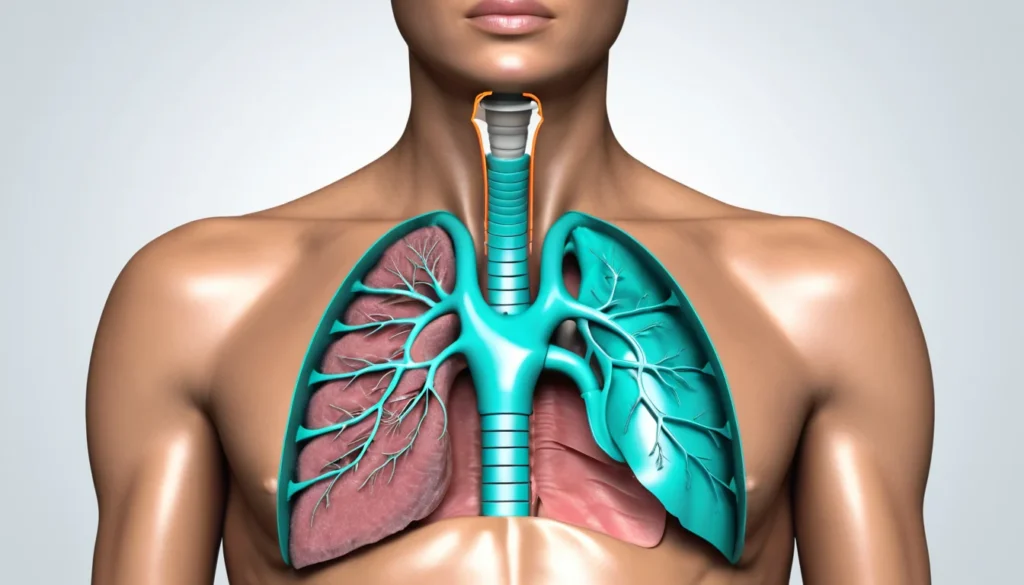
Every time you swallow, your body performs a remarkable series of automatic muscle movements. Your tongue pushes food toward the back of your throat, where two openings are waiting — one leading to the esophagus (the food pipe) and one leading to the larynx (the airway).
A small flap of cartilage called the epiglottis acts like a trap door. When you swallow, it closes over the airway to keep food out. At the same time, the upper esophageal sphincter relaxes to let food travel safely down to your stomach.
However, this process does not always work perfectly. Sometimes food gets stuck in the esophagus, causing an uncomfortable feeling in your throat or chest. Other times, the epiglottis does not close fully, allowing food to slip into the airway. That is when choking occurs.
Both types of blockage are unpleasant. However, a blocked airway is a true medical emergency that requires immediate action.
Recognizing the Signs of Choking on Food
Acting fast starts with recognizing the warning signs. When food enters the larynx, it can partially or completely block the airway. A partial blockage may still allow some air to pass through, while a complete blockage cuts off all breathing.
According to Health Canada, being able to identify a choking emergency quickly is one of the most important first aid skills Canadians can have.
Common Warning Signs to Watch For
Weak or silent coughing — the person cannot produce a strong cough
Gasping or wheezing — high-pitched sounds when trying to breathe
Hands clutching the throat — this is the universal sign of choking and should be recognized immediately
Inability to speak or breathe — the person cannot get words out or draw air in
Blue-tinged skin — especially around the lips and fingernails, a condition called cyanosis, which means the body is not getting enough oxygen
Panicked or wide-eyed expression — visible signs of distress
If the person is coughing forcefully, encourage them to keep coughing. A strong cough is the body’s most effective way to dislodge a blockage on its own. Do not interfere with a productive cough.
How to Encourage Effective Coughing
If someone is choking on food but can still cough, help them cough more effectively. Ask them to lean slightly forward, with their head down. Then have them take a slow, deep breath in, followed by a sharp, forceful cough out.
Check their mouth regularly and carefully remove any visible food or debris with your fingers. Never do a blind finger sweep — only remove what you can clearly see.
What to Do When Someone Is Choking
If the person cannot cough, speak, or breathe, you need to act immediately. The standard approach recommended by first aid organizations combines back blows with abdominal thrusts, also known as the Heimlich manoeuvre.
For more detailed guidance, the Mayo Clinic’s choking first aid guide provides a clear, step-by-step overview that aligns with current Canadian first aid standards.
Step 1 — Give 5 Back Blows
Before attempting the Heimlich manoeuvre, give five firm back blows. Stand slightly to one side and behind the person. Support their chest with one hand and lean them forward.
Using the heel of your other hand, deliver five sharp blows between their shoulder blades. Each blow should be firm and directed slightly upward and forward. Check after each blow to see if the blockage has cleared.
Step 2 — Perform the Heimlich Manoeuvre
If the five back blows do not work, move immediately to abdominal thrusts. Follow these steps carefully:
Position yourself — Stand behind the person, slightly to one side. Place both arms around their waist.
Make a fist — Clench one hand into a fist. Place it with the thumb side against the person’s abdomen, just above the navel and well below the breastbone.
Grip your fist — Cover your fist firmly with your other hand.
Thrust inward and upward — Give a quick, firm thrust inward and upward toward the spine. Use enough force to dislodge the blockage.
Repeat — Continue with up to five abdominal thrusts. Then alternate back to five back blows if needed.
Keep going — Alternate between five back blows and five abdominal thrusts until the food is dislodged or emergency services arrive.
Always call 9-1-1 as soon as someone begins choking on food and cannot clear the blockage themselves. Do not wait to see if the situation resolves on its own.
Special Situations: Infants, Pregnant Women, and Choking Alone
The standard Heimlich manoeuvre is not appropriate for everyone. Therefore, it is important to know the variations for specific groups.
Infants Under One Year Old
Never perform the Heimlich manoeuvre on a baby under 12 months. Instead, use a combination of five back blows and five chest thrusts. Hold the infant face-down along your forearm, supporting the head. Give five firm back blows, then turn the baby over and give five chest thrusts with two fingers on the centre of the chest.
Always call 9-1-1 immediately for a choking infant. Infant choking is extremely serious and requires emergency medical attention right away.
Pregnant Women and Larger Adults
For someone who is in the later stages of pregnancy or is too large to encircle with your arms, use chest thrusts instead of abdominal thrusts. Place your hands at the centre of the chest, on the lower half of the breastbone, and apply firm inward thrusts.
If You Are Choking Alone
If you are alone and choking on food, act immediately. Call 9-1-1 if you can — even if you cannot speak, leave the line open so dispatchers can send help.
Try to perform abdominal thrusts on yourself by making a fist and pressing firmly just above your navel. Alternatively, lean forcefully over the back of a sturdy chair, pressing the edge of the chair into your upper abdomen with a hard, downward push. This can help force the blockage out of your airway.
After the Choking Emergency
Even if the food is successfully dislodged, the person who was choking on food should still be seen by a medical professional as soon as possible. The force used during the Heimlich manoeuvre can sometimes cause bruising or internal injury that is not immediately obvious.
In addition, if the person loses consciousness at any point and stops breathing, begin cardiopulmonary resuscitation (CPR) immediately and continue until emergency services arrive. According to the World Health Organization, prompt CPR significantly improves outcomes when a person stops breathing.
Furthermore, some food particles may have entered the lungs during the choking episode. A doctor can assess whether any follow-up care or imaging is needed.
When to See a Doctor or Visit a Walk-In Clinic
After any choking episode — even a minor one — it is a good idea to follow up with your family doctor or visit a walk-in clinic. This is especially important if the person experienced prolonged choking, lost consciousness even briefly, or feels ongoing chest or throat pain afterward.
Most provincial health plans in Canada cover emergency care and follow-up visits for situations like this. If you do not have a family doctor, a walk-in clinic can assess any potential injuries and make sure the airway is clear and healthy.
If you or someone in your family chokes on food frequently, speak to your doctor. Repeated choking can be a sign of an underlying condition, such as a swallowing disorder, that deserves proper medical evaluation.
Always consult a qualified healthcare provider for personalized medical advice. This article is for general information only and is not a substitute for professional medical guidance.
Frequently Asked Questions About Choking on Food
What is the first thing you should do if someone is choking on food?
If someone is choking on food and can still cough, encourage them to keep coughing forcefully. If they cannot cough, speak, or breathe, call 9-1-1 immediately and begin first aid by giving five back blows followed by five abdominal thrusts (the Heimlich manoeuvre).
How do you know if someone is actually choking or just coughing?
A person who is truly choking on food will not be able to speak, breathe normally, or produce a strong cough. Key warning signs include clutching the throat, gasping, wheezing, and bluish skin (cyanosis). If they can speak or cough loudly, their airway is not fully blocked.
Can you perform the Heimlich manoeuvre on a child?
The Heimlich manoeuvre can be performed on children over one year old, but the force used should be gentler than with adults. For infants under 12 months, you should never use the Heimlich manoeuvre — use back blows and chest thrusts instead, and call 9-1-1 right away.
What should you do after successfully dislodging food from someone’s throat?
Even after choking on food is resolved, the person should be seen by a doctor or visit a walk-in clinic. The Heimlich manoeuvre can cause internal bruising or injury, and a healthcare provider can check for any complications that may not be immediately apparent.
What can I do if I am choking on food and I am alone?
If you are alone and choking on food, call 9-1-1 immediately — even if you cannot speak, leave the line open. Try self-administered abdominal thrusts by pressing your fist firmly above your navel, or lean hard over the back of a sturdy chair to apply pressure to your upper abdomen and force the blockage out.
Is choking on food more common in older adults?
Yes, older adults are at higher risk of choking on food because swallowing muscles can weaken with age. Certain medical conditions, medications, and dental problems can also make swallowing more difficult. If an older family member chokes frequently, speak to their family doctor about a swallowing assessment.
Key Takeaways
Choking on food is a medical emergency that requires fast, confident action.
Encourage forceful coughing first — if the person can cough strongly, do not interfere.
If they cannot cough, speak, or breathe, call 9-1-1 and begin first aid immediately.
Use five back blows followed by five abdominal thrusts (Heimlich manoeuvre) for adults and children over one year old.
Never use the Heimlich manoeuvre on infants under 12 months — use back blows and chest thrusts instead.
For pregnant women or very large adults, switch to chest thrusts instead of abdominal thrusts.
Always seek medical follow-up after a choking episode, even if it seems fully resolved.
Consider taking a certified first aid course — many are available across Canadian provinces through organizations like the Red Cross and St. John Ambulance.