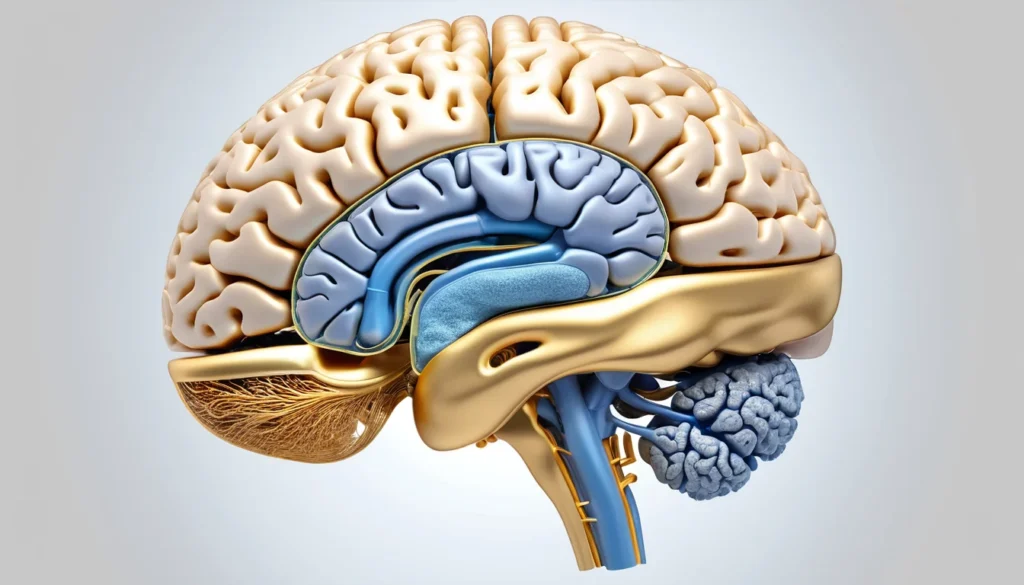
Childhood disintegrative disorder is a rare condition where a child develops normally for the first two to four years of life, then suddenly loses many skills they had already learned. This includes language, social skills, and the ability to control their bladder and bowel. The condition is also known as Heller syndrome or disintegrative psychosis. If your child is showing signs of a sudden developmental regression, speak with your family doctor or visit a walk-in clinic as soon as possible.
What Is Childhood Disintegrative Disorder?
Childhood disintegrative disorder is part of a group of conditions known as pervasive developmental disorders. These conditions affect how a child communicates, behaves, and interacts with others. The disorder shares many features with autism spectrum disorder (ASD), but there are important differences.
With autism, signs often appear in the first one to two years of life. With childhood disintegrative disorder, the child develops completely normally for several years first. Then a dramatic and sudden loss of skills occurs. This regression is typically more severe than what is seen in autism.
According to Mayo Clinic, childhood disintegrative disorder is considered rare, but its impact on a child and family can be profound. Early identification is key to accessing support.
Signs and Symptoms of Childhood Disintegrative Disorder
The most noticeable sign of childhood disintegrative disorder is a dramatic loss of skills that were previously developed. This loss can happen suddenly over a few days, or gradually over several weeks or months. Parents are often the first to notice something is wrong.
Language and Communication Skills
Children may lose the ability to speak clearly or carry on a conversation. Both receptive language (understanding what others say) and expressive language (speaking and expressing thoughts) are affected. A child who was talking in full sentences may stop speaking almost entirely.
Social Skills and Behaviour
Children with this condition often lose interest in playing with other children. They may stop engaging in imaginative play or group activities. Social withdrawal and a lack of interest in interaction become noticeable patterns of behaviour.
Motor Skills
Motor skills such as walking, climbing, and grasping objects can decline sharply. A child who was physically active may suddenly struggle with movements they previously did with ease. This physical regression is one of the more alarming symptoms for parents to witness.
Bowel and Bladder Control
Children who had successfully learned to use the toilet may begin having frequent accidents. Loss of bladder or bowel control is a common symptom of childhood disintegrative disorder. This regression can be distressing for both the child and the family.
What Causes Childhood Disintegrative Disorder?
The exact cause of childhood disintegrative disorder is not yet fully understood. Researchers believe there is likely a genetic component, similar to other autism spectrum conditions. An abnormal gene may form in the early stages of development before birth, affecting how the brain develops.
Exposure to toxic environments or certain infections may also play a role. In some cases, an autoimmune response may be involved. This means the immune system mistakenly attacks healthy parts of the body, which can affect brain development.
Furthermore, childhood disintegrative disorder sometimes occurs alongside other medical conditions, including:
Tuberous sclerosis — a condition where non-cancerous tumours grow in the brain and other organs.
Lipid storage diseases — inherited metabolic disorders where harmful amounts of fatty substances build up in the brain and nervous system.
Subacute sclerosing panencephalitis — a rare, chronic brain infection caused by a form of the measles virus, leading to brain inflammation and nerve cell damage.
However, researchers cannot yet confirm whether these conditions directly cause childhood disintegrative disorder or simply occur alongside it. More research is needed to fully understand the connection.
For more information on developmental conditions in children, visit Health Canada’s official health resources.
When to See a Doctor
Children develop at their own pace, and small variations are usually nothing to worry about. However, if your child suddenly loses skills they had already mastered, that is a clear sign to seek medical attention right away.
Contact your family doctor if you notice your child losing any of the following skills they previously had:
Language and communication abilities
Social interaction and play behaviour
Motor skills such as walking or grasping
Bladder or bowel control
Cognitive skills or self-care routines
If you do not have a family doctor, a walk-in clinic can provide an initial assessment and refer you to the right specialist. In Canada, your provincial health plan covers visits to both family doctors and paediatricians. Early referral to a developmental paediatrician can make a significant difference in your child’s outcome.
In addition, if you notice any regression in your child’s development — even if it seems minor — mention it at your next appointment. Your doctor needs to know your child’s full developmental history to assess the situation properly.
How to Prepare for Your Child’s Appointment
Being well prepared for a medical appointment helps your doctor give your child the best possible care. A paediatrician will typically begin with a routine developmental assessment. If they suspect a developmental disorder, they will refer your child to a specialist such as a child psychiatrist or developmental paediatrician.
What to Bring to the Appointment
Before the appointment, take some time to prepare the following:
A written list of all symptoms you have noticed, including when they started.
Notes about your child’s developmental milestones — when they first walked, talked, and reached other key stages.
A list of any medications, vitamins, or supplements your child is currently taking.
Any family history of developmental or neurological conditions.
It is also helpful to bring a support person — a partner, family member, or close friend — to the appointment. Medical consultations can be overwhelming, and having someone else present helps you remember important details.
Questions to Ask Your Doctor
Writing down your questions in advance ensures you do not forget anything important. Consider asking:
What is the most likely cause of my child’s symptoms?
What tests or assessments are needed?
What are the possible diagnoses?
What treatment options are available?
Will my child need to see other specialists?
What support programmes are available in our province?
Where can I find reliable information about childhood disintegrative disorder?
Treatment and Support for Childhood Disintegrative Disorder
There is no single cure for childhood disintegrative disorder. However, a combination of treatments can help manage symptoms and improve quality of life. Treatment is most effective when it starts early and involves a team of healthcare professionals.
Treatment typically includes:
Behavioural therapy — structured programmes that teach and reinforce positive behaviours and communication skills.
Speech and language therapy — helps children regain or improve their ability to communicate.
Occupational therapy — supports children in rebuilding daily living and motor skills.
Medication — may be prescribed to manage specific symptoms such as seizures or anxiety, under the guidance of a specialist.
In Canada, many provinces offer publicly funded early intervention programmes for children with developmental disorders. Ask your family doctor or paediatrician about what services are covered under your provincial health plan. The earlier a child receives support, the better the long-term outcomes tend to be.
For further reading on developmental support for children, Healthline’s child development section offers accessible, evidence-based information.
Frequently Asked Questions
What is childhood disintegrative disorder?
Childhood disintegrative disorder is a rare developmental condition where a child develops normally until age two to four, then loses language, social, and motor skills. It is also called Heller syndrome or disintegrative psychosis. The regression is typically more severe than what is seen in autism spectrum disorder.
How is childhood disintegrative disorder different from autism?
Both conditions are on the pervasive developmental disorder spectrum, but childhood disintegrative disorder appears later, after several years of normal development. The skill loss in childhood disintegrative disorder is also typically more sudden and more dramatic than in autism. A specialist can assess the differences through detailed developmental testing.
What are the early signs of childhood disintegrative disorder?
Early signs include a sudden loss of language, social withdrawal, loss of motor skills, and regression in toilet training in a child who previously had these abilities. Parents often notice the changes first. If you see these signs, contact your family doctor or a walk-in clinic right away.
What causes childhood disintegrative disorder?
The exact cause of childhood disintegrative disorder is not yet known. Researchers believe genetic factors, environmental exposures, and autoimmune responses may all play a role. It sometimes occurs alongside conditions like tuberous sclerosis or lipid storage diseases.
Is there a treatment for childhood disintegrative disorder in Canada?
There is no cure, but behavioural therapy, speech therapy, occupational therapy, and medication can help manage symptoms. Many provinces in Canada offer publicly funded early intervention programmes for children with developmental disorders. Ask your paediatrician about services covered under your provincial health plan.
When should I take my child to the doctor for developmental regression?
You should see a doctor as soon as you notice your child losing skills they had already learned, such as language, social interaction, or toilet training. Your family doctor can do an initial assessment and refer you to a developmental paediatrician if needed. Do not wait — early intervention leads to better outcomes for children with childhood disintegrative disorder.
Key Takeaways
Childhood disintegrative disorder causes a sudden, dramatic loss of skills in children who had been developing normally.
Skill loss typically begins between ages two and four, and affects language, social behaviour, motor skills, and bladder or bowel control.
The exact cause is unknown, but genetic, environmental, and autoimmune factors may all be involved.
There is no cure, but early treatment — including behavioural therapy and speech therapy — can significantly help.
In Canada, provincial health plans may cover early intervention services. Ask your family doctor what is available in your province.
If your child shows any sudden regression in their development, contact your family doctor or walk-in clinic right away. Always consult a qualified healthcare professional for diagnosis and treatment.