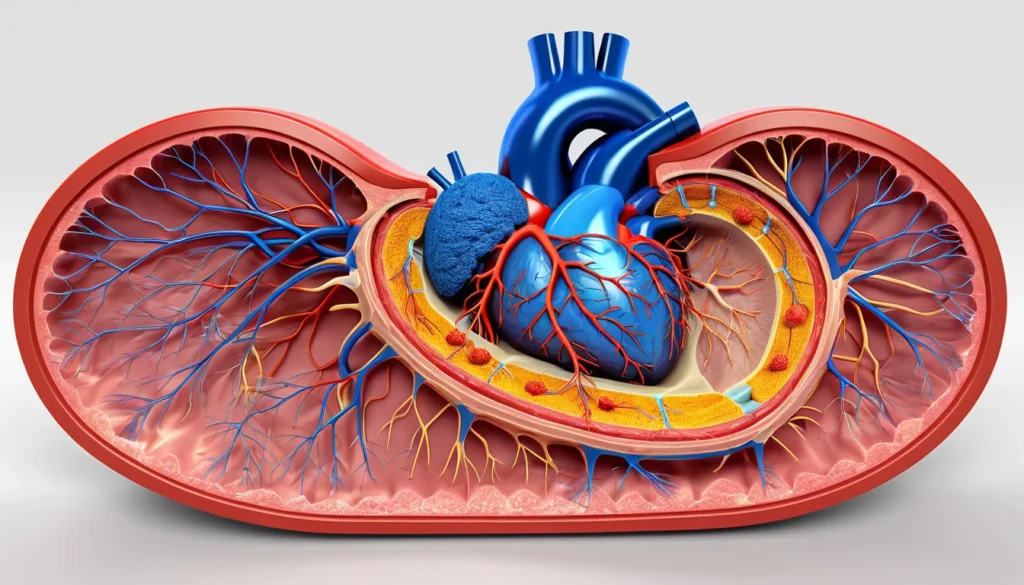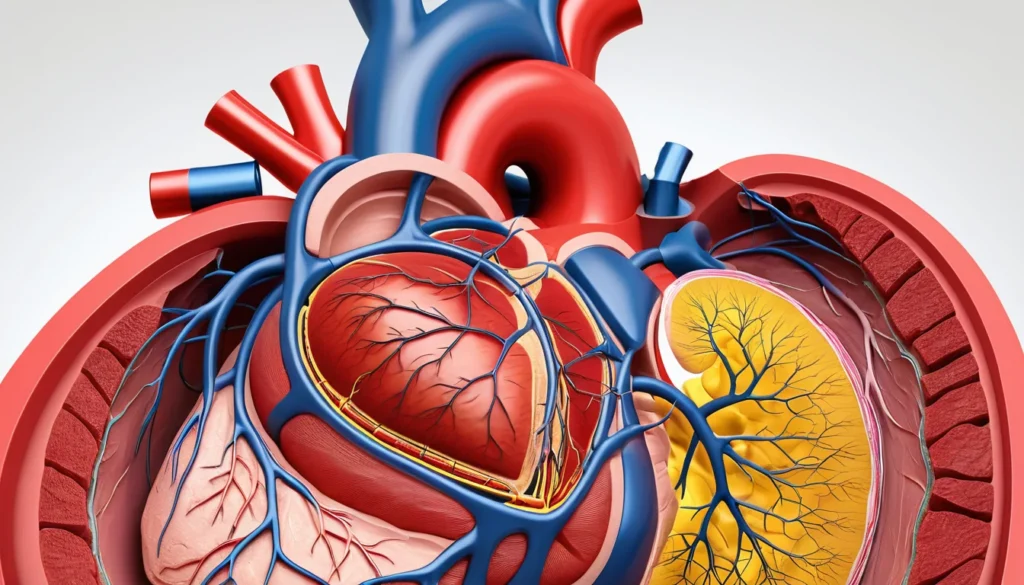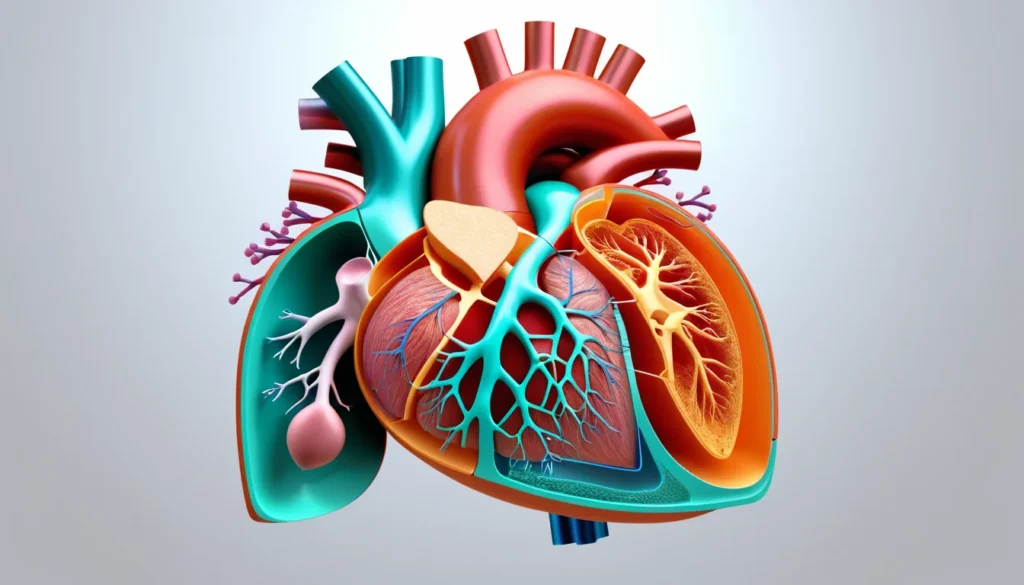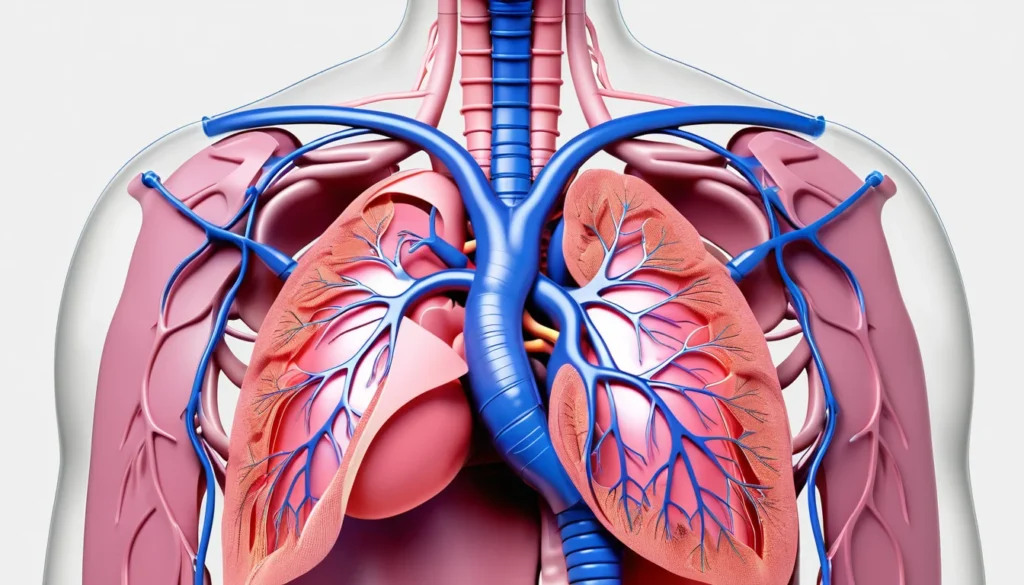
Understanding chest pain causes could save your life. Chest pain is one of the most common reasons Canadians visit walk-in clinics and emergency rooms. It can signal a serious heart condition, but it may also stem from breathing, digestive, or muscle problems. Whatever the cause, chest pain should always be taken seriously.
What Chest Pain Can Tell You About Your Heart
Chest pain is not always a sharp, dramatic feeling. Sometimes it feels like pressure, tightness, or even a dull ache. However, any chest pain — even mild — can point to a condition that threatens your life.
Your heart may send warning signals through other parts of your body too. Therefore, it helps to know all the symptoms linked to heart problems, not just chest pain itself.
Common symptoms associated with heart-related chest pain include:
A feeling of pressure or squeezing behind the breastbone
Fatigue or sudden weakness
Dizziness or lightheadedness
Shortness of breath
Heart palpitations or irregular heartbeat
Stomach pain or nausea
Pain in the back, neck, jaw, or arms
Cold sweats
Numbness in the arm or hand
If you experience several of these symptoms together, call 911 immediately. Do not drive yourself to the hospital.
Chest Pain Causes: Angina Pectoralis
Angina is one of the most common chest pain causes in adults. It happens when your heart muscle receives blood, but not enough of it. The result is pain or pressure in the chest that can feel like something squeezing your heart.
Angina pain can also spread to other areas of the upper body, including the jaw and arms. In addition, some people feel dizzy during an angina episode.
It is important to know that angina is not a heart attack. Unlike a heart attack, angina does not cause permanent damage to heart tissue. However, it is a serious warning sign that should never be ignored.
Stable vs. Unstable Angina
Stable angina is predictable. It usually happens during physical activity, when your heart is working harder to pump blood. It goes away with rest.
Unstable angina is more dangerous. It can strike at any time, even while you are resting or sleeping. Unstable angina is a strong signal that your risk of a heart attack is high. If you experience this type of chest pain, contact your family doctor or go to the nearest emergency room right away.
Heart Attack: A Leading Chest Pain Cause
A heart attack is one of the most life-threatening chest pain causes. It happens when a blockage in one or more coronary arteries cuts off blood flow to the heart muscle. Without oxygen, heart muscle cells begin to die within minutes.
Heart attack chest pain is often described as sharp, stabbing, or crushing pressure on the chest. Furthermore, it does not go away with rest, unlike angina.
Additional heart attack symptoms include:
Shortness of breath or difficulty breathing
Dizziness or fainting
Cold sweats
Nausea or vomiting
Rapid or irregular heartbeat
Sudden, severe weakness
Numbness or tingling in the arm or hand
A heart attack is a medical emergency. Every minute matters. Call 911 immediately if you or someone nearby shows these signs. Early treatment can prevent permanent heart damage and save a life.
Treatment: Bypass Surgery and Stents
After a heart attack, doctors may recommend a coronary artery bypass graft (CABG), commonly known as bypass surgery. This procedure reroutes blood around a blocked artery. Another common treatment is a stent — a small mesh tube placed inside a blocked artery to keep it open.
Both procedures aim to restore healthy blood flow to the heart. Your cardiologist and care team will recommend the best option based on your situation. For more information on heart attack treatment, visit Health Canada’s cardiovascular health resources.
Myocarditis and Pericarditis: Inflammation as a Chest Pain Cause
Not all chest pain causes involve blocked arteries. Sometimes, inflammation inside or around the heart is responsible.
Myocarditis: Inflammation of the Heart Muscle
Myocarditis is inflammation of the heart muscle itself. It is most often caused by a viral infection. According to global health data, approximately 1.5 million cases of myocarditis are reported worldwide each year.
Symptoms of myocarditis include:
Mild chest pain or pressure
Shortness of breath (the most common symptom)
Swelling in the legs or ankles
Heart palpitations
If your symptoms are mild, see your family doctor as soon as possible. However, if your symptoms are severe or worsen quickly, call 911 or go to your nearest emergency department.
Pericarditis: Inflammation of the Heart Sac
The pericardium is the protective sac that surrounds your heart. When it becomes inflamed, the condition is called pericarditis. Viral or bacterial infections are common causes. In many cases, the exact cause is never found.
Pericarditis causes chest pain that can feel very similar to a heart attack. The pain is usually sharp and starts in the centre or left side of the chest. It may spread to the back.
Other symptoms of pericarditis include:
Fatigue and low energy
Muscle aches
Low-grade fever
The good news is that pericarditis symptoms often improve with rest and treatment within 7 to 14 days. Your family doctor can recommend the right care plan for you.
Aortic Conditions: Serious Chest Pain Causes
The aorta is the largest artery in your body. It carries oxygen-rich blood from your heart to the rest of your body. Certain aortic conditions are among the most dangerous chest pain causes a person can experience.
Aortic Aneurysm
An aortic aneurysm is an abnormal bulge or ballooning in the wall of the aorta. Many people have no symptoms at all. In fact, aneurysms are often discovered by accident during imaging tests for other conditions.
When symptoms do appear, they may include:
Tenderness or pain near the aneurysm
A persistent cough
Shortness of breath
An aortic aneurysm can lead to life-threatening complications if it ruptures. As a result, it is critical to speak with your doctor if you experience any of these symptoms. Learn more about aortic conditions at the Mayo Clinic’s aortic aneurysm guide.
Aortic Dissection: A Medical Emergency
An aortic aneurysm can sometimes lead to an aortic dissection. This is a tear in the inner layers of the aorta wall. Blood leaks between the layers, which is extremely dangerous.
Symptoms of aortic dissection include:
Sudden, severe, sharp chest pain that does not go away
Pain in the upper back, neck, jaw, or arms
Shortness of breath
These symptoms require immediate emergency care. If you or someone you know experiences these signs, call 911 right away. An untreated aortic dissection can be fatal within hours.
Cardiomyopathy: When the Heart Muscle Is Affected
Cardiomyopathy refers to a group of diseases that affect the heart muscle. These conditions can cause the heart muscle to thicken, stiffen, or weaken. As a result, the heart has difficulty pumping blood efficiently throughout the body.
Cardiomyopathy can develop as a complication of another illness, or it can be inherited. Chest pain from cardiomyopathy often appears after eating a meal or after physical exertion.
Common symptoms include:
Chest pain or discomfort behind the breastbone
Shortness of breath during activity or at rest
Dizziness or fainting
Fatigue
Swelling in the legs, ankles, or feet
Heart palpitations
If you notice these symptoms, book an appointment with your family doctor. Early diagnosis can help manage cardiomyopathy before it becomes more serious. For further reading on heart muscle disease, visit Healthline’s overview of cardiomyopathy.
When to See a Doctor About Chest Pain
Chest pain should never be brushed off, even when it feels minor. Some of the most dangerous chest pain causes — like aortic dissection or a heart attack — can begin with mild discomfort.
Call 911 immediately if you have:
Sudden, severe chest pain
Chest pain with shortness of breath, sweating, or nausea
Pain spreading to your arm, jaw, neck, or back
Fainting or loss of consciousness
Visit your family doctor or a walk-in clinic if you have:
Mild, recurring chest pain or pressure
Chest discomfort that comes and goes with activity
Heart palpitations or irregular heartbeat
Unexplained fatigue with mild chest symptoms
Most provincial health plans in Canada cover visits to your family doctor and emergency services for heart-related concerns. If you do not have a family doctor, walk-in clinics are a good first step. Always speak with a qualified healthcare provider about any chest pain you experience. This article is for informational purposes only and does not replace professional medical advice.
Frequently Asked Questions About Chest Pain
What are the most common chest pain causes in adults?
The most common chest pain causes in adults include angina, heart attack, myocarditis, pericarditis, and aortic conditions. Non-cardiac causes such as acid reflux, muscle strain, and anxiety can also produce chest pain. A doctor can help determine whether your chest pain is heart-related or not.
How do I know if my chest pain is a heart attack?
Heart attack chest pain is often described as crushing pressure, tightness, or a squeezing sensation. It may spread to your arm, jaw, or back and is accompanied by shortness of breath, sweating, or nausea. If you suspect a heart attack, call 911 immediately — do not wait to see if it passes.
Can chest pain be caused by something other than a heart problem?
Yes, chest pain causes are not always cardiac. Conditions like acid reflux (GERD), costochondritis (rib inflammation), anxiety, and pneumonia can all cause chest pain. However, it is always best to have chest pain evaluated by a healthcare provider to rule out serious heart conditions.
What is the difference between angina and a heart attack?
Angina occurs when blood flow to the heart is reduced, but not completely blocked — it does not permanently damage heart tissue. A heart attack happens when blood flow is fully cut off, causing heart muscle cells to die. Angina pain often eases with rest, while heart attack pain does not.
Should I go to a walk-in clinic or emergency room for chest pain?
If your chest pain is sudden, severe, or comes with other symptoms like shortness of breath or arm pain, go to an emergency room or call 911 right away. For mild, recurring chest discomfort without emergency symptoms, a walk-in clinic or your family doctor is a good starting point. When in doubt, always choose emergency care.
Is chest pain covered under provincial health plans in Canada?
Yes, emergency care and family doctor visits for chest pain are covered under provincial and territorial health plans across Canada. This includes emergency room visits, diagnostic tests like ECGs, and referrals to cardiologists. Check with your provincial health authority for details on what is included in your coverage.
Key Takeaways
Chest pain causes range from angina and heart attacks to inflammation and aortic conditions. Never ignore chest pain, even if it feels mild — it can signal a life-threatening condition. Heart attack symptoms include crushing chest pain, shortness of breath, sweating, and arm or jaw pain. Angina does not cause permanent heart damage, but unstable angina is a serious risk factor for heart attack. Aortic dissection is a medical emergency — call 911 immediately if symptoms appear. Myocarditis and pericarditis are inflammation-based conditions that can often be treated with rest and medication. Cardiomyopathy weakens the heart’s pumping ability and requires early medical management. If you are unsure about your symptoms, visit your family doctor or a walk-in clinic. For severe symptoms, call