Chemotherapy side effects affect almost everyone who goes through cancer treatment. However, no two people experience them in exactly the same way. Your reaction depends on the drugs used, the dose, and your personal health history. This article explains the most common side effects, warning signs to watch for, and practical ways to cope — so you feel informed and ready at every stage of treatment.
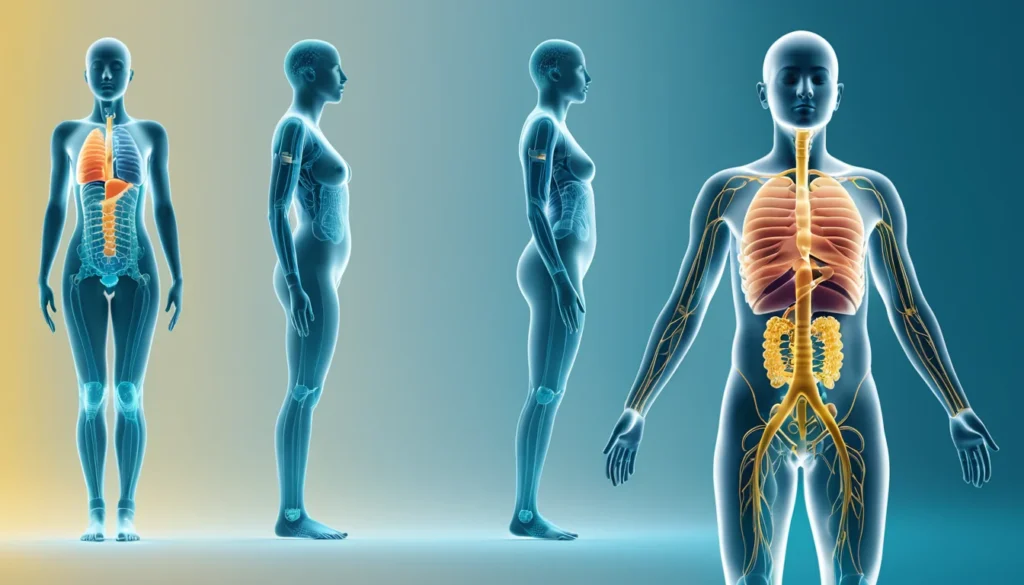
How Chemotherapy Affects Your Body
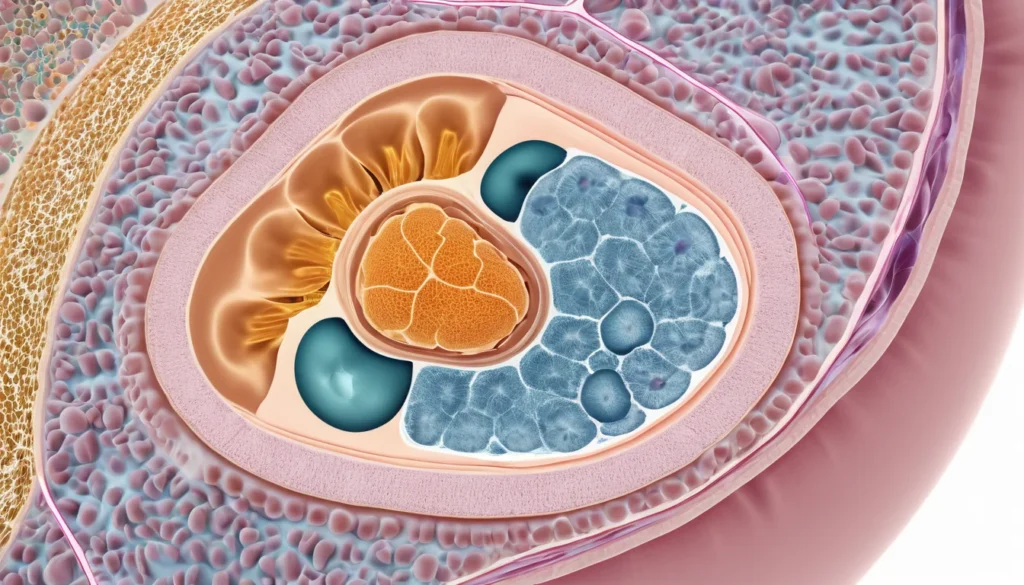
The main goal of chemotherapy is to destroy cancer cells. It does this by targeting cells that divide quickly — which is exactly what cancer cells do.
However, some healthy cells also divide quickly. As a result, chemotherapy can accidentally damage them too. This is the root cause of most chemotherapy side effects.
The cells most commonly affected include:
Blood cells, produced in the bone marrow
Cells lining the mouth, throat, and digestive tract
Hair follicles on the scalp and body
When blood cells are damaged, you may develop anaemia, fatigue, or a weakened immune system. When digestive tract cells are affected, you may experience mouth sores, nausea, or diarrhoea. Fortunately, most of these effects are temporary and improve after treatment ends.
According to Health Canada, cancer treatment teams work closely with patients to monitor and manage these effects throughout the process.
Common Chemotherapy Side Effects Explained
Fatigue
Fatigue is one of the most frequent chemotherapy side effects. Nearly all patients experience it at some point during treatment.
This is not ordinary tiredness. Chemo-related fatigue can appear suddenly, even after light activity like getting dressed or cooking a meal. It can feel overwhelming.
Here are some practical ways to manage fatigue:
Rest often, but also try short, gentle walks when you feel able
Ask family or friends for help with daily tasks
If you work, talk to your employer about reducing your hours during treatment
Speak to your care team about energy-conservation strategies
If fatigue comes with shortness of breath or dizziness, tell your doctor right away. These symptoms may point to anaemia, which requires prompt medical attention.
Nausea and Vomiting
About half of all chemotherapy patients experience nausea and vomiting. These are among the most well-known chemotherapy side effects, but they are also among the most treatable.
Your oncologist will likely prescribe antiemetics — medications that reduce or prevent nausea. These come in several forms:
Tablets or capsules
Injections
Suppositories
Skin patches
Your doctor may recommend continuing antiemetics even after nausea stops, to prevent it from returning. Keep in mind that antiemetics can have their own side effects, including constipation, indigestion, insomnia, and headaches. Always report new symptoms to your care team.
Hair Loss
Hair loss is perhaps the most recognisable of all chemotherapy side effects. It typically begins one to three weeks after the first treatment and may become significant after one to two months.
Hair loss usually affects the scalp first. However, it can also occur on the arms, legs, and face. For many people — especially women — this can feel emotionally distressing.
A few things to know about hair loss during chemotherapy:
Hair loss is almost always temporary
Most people see regrowth within six months of finishing treatment
Regrown hair may have a different texture — sometimes curlier or straighter than before
Wigs, scarves, and hats can help you feel more like yourself during treatment
Scalp cooling caps are a newer option that some cancer centres now offer. These devices reduce blood flow to the scalp during treatment, which may lower the amount of chemotherapy reaching hair follicles. Research suggests they can reduce hair loss by up to 70–90% in some patients.
However, scalp cooling is not suitable for everyone. It is generally not recommended for people with certain blood cancers, such as acute lymphoblastic leukaemia, multiple myeloma, or non-Hodgkin’s lymphoma. This is because cancer cells may have spread to the scalp area. Ask your oncologist whether a scalp cooling cap is an option for you.
Mouth Sores and Mucositis
Chemotherapy can cause inflammation of the soft tissue lining your digestive tract. This condition is called mucositis, and it most often affects the mouth and throat.
Symptoms of mucositis include:
Painful mouth sores or ulcers
Difficulty eating or swallowing
Bleeding in the mouth
Increased risk of mouth infections
Good oral hygiene is one of the best ways to reduce the severity of mucositis. Rinse your mouth gently with a mild saltwater solution several times a day. Avoid alcohol-based mouthwashes, spicy foods, and very hot or cold drinks. Your care team can recommend additional treatments based on your specific situation.
Infections and Immune System Changes
Chemotherapy reduces your body’s ability to fight infection. This happens because chemo can lower your white blood cell count — the cells your immune system depends on.
Patients being treated for leukaemia are at particularly high risk of serious infection. However, all chemotherapy patients need to be aware of infection risks.
Your healthcare team will likely monitor your blood counts regularly throughout treatment. In some cases, antibiotics or other medications may be prescribed to lower your infection risk. The Mayo Clinic offers detailed guidance on managing infection risk during chemotherapy.
Anaemia During Chemotherapy
Chemotherapy can reduce the number of red blood cells in your body. Red blood cells carry oxygen to your organs and tissues. When their numbers drop too low, anaemia develops.
Signs of anaemia include:
Persistent fatigue or weakness
Shortness of breath, especially with mild activity
Pale skin or pale gums
Dizziness or lightheadedness
Treatment for anaemia depends on how severe it is. Some patients need blood transfusions to stabilise their condition. Others may be prescribed a medication called erythropoietin, which stimulates the body to produce more red blood cells. Your oncologist will decide which approach is right for you.
When to See a Doctor
Most chemotherapy side effects are manageable at home. However, some symptoms are serious and need prompt medical attention.
Go to a walk-in clinic or emergency room right away — or call your provincial health line — if you experience any of the following:
Fever above 38°C (100.4°F)
Chills or uncontrollable shaking
Difficulty breathing
Chest pain
Flu-like symptoms, such as severe muscle aches
Bleeding gums or nosebleeds that won’t stop
Mouth sores so severe you cannot eat or drink
Vomiting that continues even after taking antiemetic medication
More than four episodes of diarrhoea per day
If you are unsure whether a symptom is serious, do not wait. Your family doctor or oncology care team would rather hear from you early than have you wait too long. Many provinces also offer 24/7 nurse hotlines — for example, Ontario’s Telehealth Ontario (1-866-797-0000) and BC’s HealthLink 8-1-1 — where a registered nurse can advise you at no cost.
Between treatments, keep up with your regular appointments and blood tests. These help your care team catch problems early and adjust your treatment plan if needed. Healthline also provides a comprehensive overview of chemotherapy side effects and management strategies.
Always consult your doctor or oncologist before making any changes to your treatment or trying new remedies to manage side effects. This article is for informational purposes only and does not replace professional medical advice.
Frequently Asked Questions About Chemotherapy Side Effects
How long do chemotherapy side effects last?
Most chemotherapy side effects are temporary and improve within weeks to months after treatment ends. Some effects, like fatigue or changes in hair texture, may linger a little longer. Talk to your oncologist about what to expect based on your specific treatment plan.
Can chemotherapy side effects be prevented?
Not all chemotherapy side effects can be fully prevented, but many can be reduced. Medications like antiemetics help control nausea, and scalp cooling caps may reduce hair loss for some patients. Your care team will create a personalised plan to help you manage as many side effects as possible.
Does everyone lose their hair during chemotherapy?
Not all chemotherapy drugs cause hair loss — it depends on the specific medications used and the dosage. Hair loss is one of the most common chemotherapy side effects, but some patients experience only thinning rather than full loss. Most people see their hair grow back within six months of finishing treatment.
Is nausea always a side effect of chemotherapy?
Nausea is a very common chemotherapy side effect, affecting roughly half of all patients, but it is not guaranteed. Modern antiemetic medications have made it much easier to control. Your oncologist will assess your risk and prescribe preventive medication before treatment begins.
When should I go to the emergency room during chemotherapy?
Go to the emergency room or a walk-in clinic immediately if you develop a fever above 38°C, difficulty breathing, chest pain, or bleeding that won’t stop — these can be signs of serious chemotherapy side effects that need urgent care. If you are unsure, call your provincial health line or your oncology care team right away. Do not wait and hope symptoms pass on their own.
Can I work during chemotherapy treatment?
Many Canadians continue working during chemotherapy, though chemotherapy side effects like fatigue may make a full schedule difficult. Talk to your employer about flexible hours or reduced days, and discuss your energy levels with your family doctor or oncologist. Your provincial health plan may also cover certain supports to help you manage work and treatment together.
Key Takeaways
Chemotherapy side effects vary from person to person, depending on the drugs used, the dose, and your overall health.
Common side effects include fatigue, nausea, vomiting, hair loss, mouth sores, infection risk, and anaemia.
Most side effects are temporary and improve after treatment ends.
Some symptoms — such as fever above 38°C, severe bleeding, or breathing difficulties — require urgent medical attention. Go to a walk-in clinic or emergency room right away.
Your oncology care team, family doctor, and provincial health resources are all there to support you through treatment.
Always speak to your doctor before trying any new approach to managing side effects.