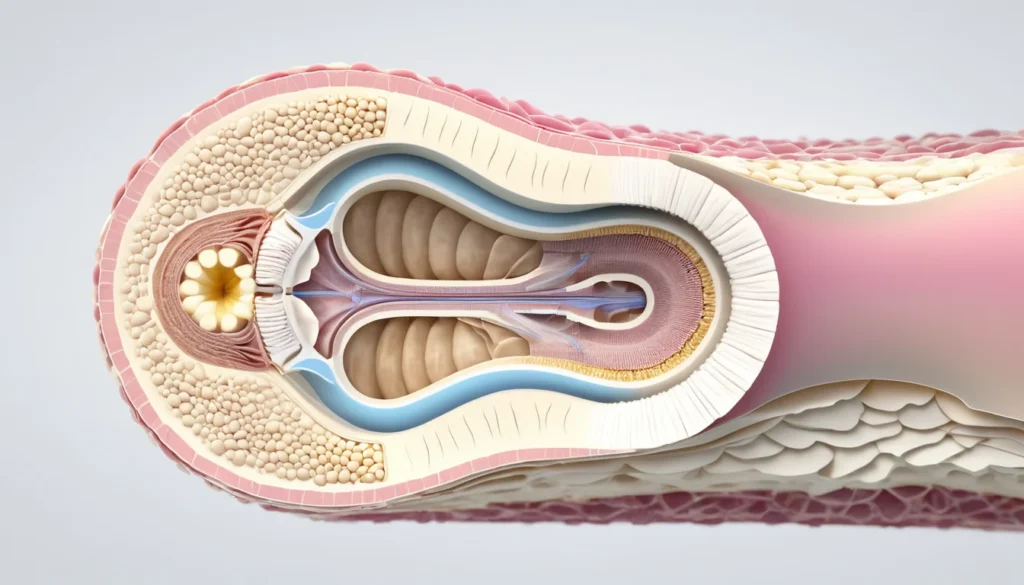
Chancroid is a bacterial sexually transmitted infection (STI) that causes painful sores on the genitals. It is caused by a bacterium called Haemophilus ducreyi and is more commonly diagnosed in men than women. While it is most widespread in parts of Africa and Southeast Asia, chancroid does occur in Canada and other parts of North America and Europe. This article explains what chancroid is, how it spreads, what symptoms to watch for, and how it is treated.
What Is Chancroid?
Chancroid is an STI that causes open, painful sores — called ulcers — on the genitals or around the anal area. Unlike syphilis, which also causes genital sores, chancroid sores are very painful to the touch. The infection can also cause swollen, tender lymph nodes in the groin.
The bacterium responsible, Haemophilus ducreyi, is a gram-negative organism that lives on the mucous membranes of humans. It requires very specific laboratory conditions to grow and identify. For this reason, diagnosis can be more challenging than with some other STIs.
Chancroid is considered one of the most common causes of genital ulcers worldwide. In Canada, it is less common than herpes or syphilis, but it remains an important infection for sexually active people to know about. Health Canada provides updated guidance on sexually transmitted infections, including information for Canadians seeking testing and treatment.
How Is Chancroid Spread?
Chancroid spreads through direct sexual contact with an infected person. The bacterium enters the body through tiny breaks in the skin or mucous membranes. Even a very small skin injury is enough to allow the infection to take hold.
The incubation period — the time between exposure and the appearance of symptoms — is typically four to seven days. However, symptoms can appear as quickly as one day or as late as two weeks after contact.
Chancroid does not spread through casual contact. You cannot get it from toilet seats, towels, or everyday touching. However, it is important to understand that having chancroid can significantly increase your risk of acquiring or transmitting HIV. Open sores make it much easier for viruses to enter or exit the body.
In addition, chancroid often occurs alongside other STIs, including syphilis and genital herpes. Therefore, if you are diagnosed with chancroid, your doctor will likely recommend testing for other infections as well.
Symptoms of Chancroid
Early Symptoms
The first sign of chancroid is usually a small, red bump on the genitals. This bump appears within four to seven days of infection. Within two to three days, it fills with pus and becomes a pustule, which then breaks open on its own.
Once the bump breaks open, it leaves behind a painful, open sore. The ulcer has clearly defined edges and an irregular, pus-covered base. These sores bleed easily when touched. The skin around the ulcer may look normal or slightly inflamed.
Where Sores Appear
In men, sores most often appear on the foreskin, the shaft of the penis, or around the anus. In women, sores can develop on the labia, the entrance to the vagina, or around the anus. Women may also experience painful intercourse and an unpleasant-smelling vaginal discharge.
Sometimes multiple ulcers can merge together to form one very large sore. This is known as a giant ulcer. In other cases, the lymph node swelling in the groin may appear after the original sores have already healed.
Swollen Lymph Nodes
About half of all people with chancroid develop swollen, painful lymph nodes in the groin. This swelling — called inguinal adenopathy — usually affects only one side of the groin. Over time, these swollen nodes can become filled with fluid and may burst open on their own, releasing pus. When this happens, the swollen node is called a bubo.
The pain from both the sores and the swollen lymph nodes can be quite severe. This level of pain is actually one of the key features that helps doctors tell chancroid apart from other STIs that cause genital sores.
How Is Chancroid Diagnosed?
Diagnosing chancroid based on symptoms alone is difficult. Several other STIs cause genital ulcers, and they can look similar. Your doctor will need to consider the following conditions when making a diagnosis:
Genital herpes: Causes multiple, painful, shallow sores that usually heal within two to four weeks.
Syphilis (hard chancre): Causes a painless sore along with enlarged lymph nodes.
Lymphogranuloma venereum: Starts with small, painless bumps on the genitals, followed by swollen lymph nodes that can burst and form multiple draining openings.
Donovanosis (granuloma inguinale): Causes firm nodules under the skin that break open to form red, fleshy, painless ulcers.
To confirm a chancroid diagnosis, a doctor will take a sample from the sore and send it to a laboratory for culture. This means growing the bacteria in a controlled setting using special growth media suited to Haemophilus ducreyi. A Gram stain of the sample may also show the characteristic bacteria under a microscope. In some cases, a biopsy of the tissue may be needed.
Because chancroid is associated with HIV, your healthcare provider will also strongly recommend an HIV test. The Mayo Clinic offers a helpful overview of chancroid and its connection to other infections.
Treatment for Chancroid
Antibiotic Options
Chancroid is treated with antibiotics. When caught early, it responds well to treatment. Your doctor or a sexual health specialist will prescribe one of the following antibiotic regimens:
Ceftriaxone: 250 mg, given as a single intramuscular injection.
Erythromycin: 500 mg taken orally three times a day for seven days.
Trimethoprim/sulfamethoxazole: Two tablets taken orally once a day for seven days.
Ciprofloxacin: 500 mg taken orally twice a day for three days.
It is important to complete the full course of antibiotics, even if your symptoms improve before the medication is finished. Stopping early can allow the infection to return or become harder to treat.
Antibiotic Resistance
Although Haemophilus ducreyi was once reliably sensitive to ampicillin and chloramphenicol, many strains are now resistant to these and other antibiotics, including tetracyclines and sulfonamides. Therefore, if your infection does not respond quickly to treatment, your doctor may order a sensitivity test. This test — called an antibiogram — identifies which antibiotics will work most effectively against the specific strain of bacteria you have.
What Happens Without Treatment
Without treatment, chancroid sores can heal on their own over several weeks. However, healing without treatment often leaves deep scars. Furthermore, there is a real risk of the sore becoming infected with additional bacteria. This can cause much more serious, widespread tissue damage. Treating chancroid promptly is always the better choice.
Prevention of Chancroid
The most effective way to prevent chancroid — and other STIs — is to use barrier contraception consistently and correctly. Condoms, when used properly every time, significantly reduce the risk of skin-to-skin contact with sores and lower your chance of infection.
Reducing the number of sexual partners and having open conversations with partners about STI testing also reduces your risk. Regular STI screening is a smart habit for any sexually active person, especially if you have new or multiple partners. The World Health Organization outlines global STI prevention strategies that apply to Canadians as well.
If you or a partner is diagnosed with chancroid, both of you should be treated at the same time. This prevents reinfection passing back and forth between partners.
When to See a Doctor
You should see a doctor as soon as possible if you notice any unexplained sores, ulcers, or painful bumps on your genitals or around your anus. Do not wait to see if they go away on their own. Early treatment makes a significant difference in how quickly you recover and reduces the risk of complications.
In Canada, you have several options for care. You can book an appointment with your family doctor, visit a walk-in clinic, or go to a sexual health clinic in your community. Sexual health clinics offer confidential testing and treatment for STIs and are available in most provinces and territories. Your provincial health plan covers most STI testing and treatment services, so cost should not be a barrier.
If you are unsure where to find a sexual health clinic near you, contact your provincial health authority or call your local public health unit. Always be honest with your healthcare provider about your symptoms and sexual history. This helps them give you the most accurate diagnosis and the best possible care.
This article is for informational purposes only and is not a substitute for professional medical advice. Always consult your family doctor or a qualified healthcare provider if you have concerns about your sexual health.
Frequently Asked Questions About Chancroid
Is chancroid common in Canada?
Chancroid is not as common in Canada as other STIs like herpes or syphilis, but it does occur. It is most widespread in parts of Africa and Southeast Asia. Canadians who travel internationally or have sexual contact with someone who has travelled recently should be aware of chancroid as a possibility if genital sores develop.
How do I know if I have chancroid or herpes?
Both chancroid and genital herpes cause painful sores on the genitals, which makes them easy to confuse. However, chancroid sores tend to have irregular edges, bleed easily, and are usually accompanied by very painful swollen lymph nodes in the groin. A doctor can tell the difference through laboratory testing, so it is important not to self-diagnose.
Can chancroid be cured?
Yes, chancroid can be cured with the right antibiotic treatment. When diagnosed and treated early, it responds well to antibiotics such as ceftriaxone or erythromycin. Completing the full course of medication is essential to clear the infection and prevent it from coming back.
Does chancroid increase the risk of HIV?
Yes, having chancroid significantly increases the risk of both acquiring and transmitting HIV. The open sores caused by chancroid create a direct pathway for HIV to enter or leave the body during sexual contact. Anyone diagnosed with chancroid should also get tested for HIV as soon as possible.
Where can I get tested for chancroid in Canada?
You can get tested for chancroid at your family doctor’s office, a walk-in clinic, or a sexual health clinic. Most provinces and territories have dedicated sexual health clinics that offer confidential, low-barrier STI testing. Testing and treatment for STIs is generally covered under provincial health plans across Canada.
Does a condom protect against chancroid?
Condoms offer significant protection against chancroid by reducing skin-to-skin contact with infected sores. However, if sores are located on areas not covered by a condom, some risk of transmission remains. Using condoms consistently and correctly is still one of the most effective ways to reduce your risk of chancroid and other STIs.
Key Takeaways
Chancroid is a bacterial STI caused by Haemophilus ducreyi that produces painful genital ulcers.
It spreads through direct sexual contact and can enter the body through tiny breaks in the skin.
Key symptoms include painful open sores on the genitals and swollen, tender lymph nodes in the groin.
Diagnosis requires laboratory culture, as chancroid can look similar to herpes, syphilis, and other STIs.
Chancroid is treatable with antibiotics, including ceftriaxone, erythromycin, and ciprofloxacin.
Having chancroid significantly raises the risk of HIV infection — always get tested for HIV at the same time.
Condoms are the most effective barrier against chancroid and other STIs.
Canadians can access STI testing and treatment through their family doctor, walk-in clinics, or provincial sexual health clinics.
Always speak with a healthcare provider for a proper diagnosis and treatment plan.