Cervical spine surgery in children is a serious but sometimes necessary treatment for young patients who have experienced a neck injury or who were born with a spinal abnormality. The cervical spine is the upper part of the backbone, made up of seven vertebrae that run through the back of the neck. When something goes wrong in this area, it can affect a child’s movement, sensation, and even breathing. This article explains what parents in Canada need to know, from causes and symptoms to surgery, risks, and recovery.
What Is the Cervical Spine and Why Does It Matter in Children?
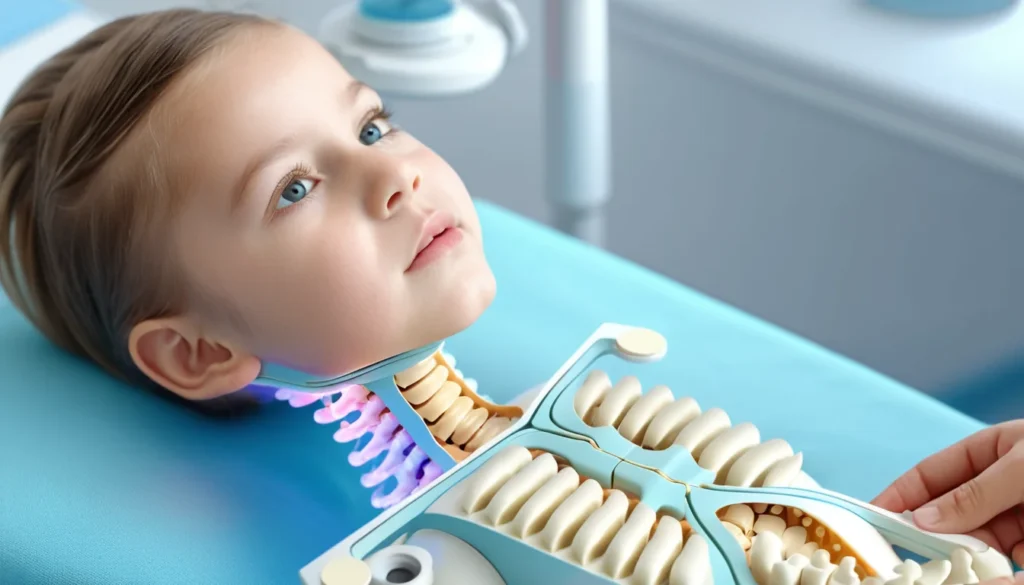
The cervical spine sits at the very top of the backbone, starting just below the skull. It supports the head and allows it to move in all directions. The first two vertebrae, called C1 (the atlas) and C2 (the axis), are especially important. Together, they allow the head to rotate and tilt.
In young children, these bones are not yet fully hardened. The process of bone hardening, called ossification, continues until around ages three to four. This means that infants and toddlers are more vulnerable to cervical spine injuries than older children or adults.
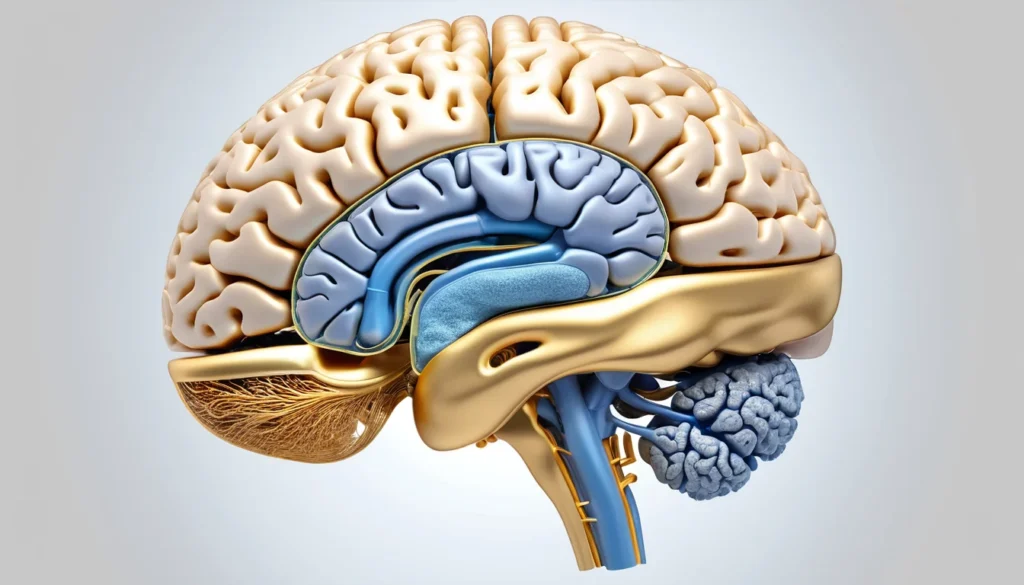
Problems in this area can put pressure on the spinal cord and the lower part of the brain. As a result, a child may experience developmental delays, loss of sensation, or difficulty moving their arms and legs. Early diagnosis and treatment are critical to protecting long-term function.
Causes of Cervical Spine Problems in Children
Congenital Abnormalities
Some children are born with cervical spine abnormalities. These conditions develop early, sometimes even before birth. They often involve the vertebrae being misaligned, which can squeeze nearby nerves.
Children with certain genetic conditions face a higher risk. For example, those with Down syndrome, Klippel-Feil syndrome, or certain bone disorders are more likely to have cervical spine abnormalities. According to Mayo Clinic’s overview of Klippel-Feil syndrome, this condition involves the fusion of two or more neck vertebrae and can lead to serious spinal complications.
These abnormalities do not always cause obvious symptoms at birth. However, as the child grows, signs may become more apparent and may require surgical correction.
Traumatic Cervical Spine Injuries
Injuries to the cervical spine can happen at any age, including during birth. A difficult delivery can sometimes cause damage to the fragile neck vertebrae of a newborn. In older children and teenagers, the most common causes of traumatic cervical spine injury include:
Car accidents
Falls from heights
Sports injuries, including winter sports, football, and wrestling
Sudden drops in blood flow to the spine
Ligament injuries
Penetrating injuries from sharp or blunt objects
Fractures of C1 and C2 are rare, occurring in only one to two percent of childhood trauma cases. However, they carry a mortality rate of up to 16 percent. For this reason, any suspected neck injury in a child must be treated as a medical emergency without delay.
Signs and Symptoms to Watch For
Symptoms of Congenital Cervical Spine Abnormalities
The symptoms of a congenital cervical spine condition can vary greatly from child to child. Some children show signs early, while others may not show problems until later in childhood. Common symptoms include:
Pain or stiffness in the neck or upper back
Numbness or tingling in the arms or legs
Difficulty walking or maintaining balance
Trouble sitting or standing upright
Breathing difficulties
Bladder or bowel problems, including incontinence or constipation
Frequent infections
Symptoms of a Traumatic Cervical Spine Injury
If a child has injured their neck, the symptoms will depend on which vertebrae are affected and how severe the injury is. Signs of a C1 or C2 injury can include:
Neck pain or a feeling of stiffness
Muscle weakness
Trouble breathing
Inability to move the arms or legs
If you suspect your child has injured their neck, do not move them. Use rolled towels or blankets to keep the head and neck as still as possible. Call 911 immediately and wait for emergency medical help to arrive.
How Cervical Spine Surgery in Children Works
Cervical spine surgery in children is performed by a paediatric neurosurgeon, sometimes working alongside a paediatric orthopaedic surgeon. The goal of surgery is to relieve pressure on the spinal cord and nerves, correct misaligned vertebrae, and prevent further damage.
During the procedure, the surgeon may remove abnormal bone structures or reposition vertebrae that are out of alignment. In some cases, small metal implants are used to hold the vertebrae in the correct position. This helps prevent long-term problems such as chronic pain, nerve damage, and spinal deformity.
Surgery on the paediatric cervical spine is technically demanding. Children’s bones are small, and the surgeon must also consider how the operation might affect the child’s future growth. For more background on spinal surgery approaches, Healthline’s guide to spinal fusion surgery offers a helpful overview of techniques used in these procedures.
Risks and Possible Complications
Like any surgery, cervical spine surgery in children carries risks. Parents should discuss these thoroughly with the surgical team before giving consent. Possible complications include:
Localised pain after the operation
Bleeding
Spinal cord injury
Infection
Persistent spinal deformity that cannot be corrected surgically
Stiffness or reduced range of motion in the neck
The surgical team will take your child’s age, size, and stage of growth into account when planning the procedure. This helps reduce the risk of interfering with healthy bone development after surgery.
Preparing Your Child for Surgery
Once the surgical team confirms that your child needs cervical spine surgery, preparation begins quickly. As a parent, you play an important role in this process. Here is what to expect:
Tell the medical team about all medications and supplements your child takes
Share information about any other diagnosed health conditions
Complete all pre-operative tests and imaging as requested by the surgeon
Follow fasting instructions — your child will typically need to stop eating and drinking the night before surgery
All cervical spine surgeries require general anaesthesia. A trained anaesthesiologist will ensure your child is fully asleep and comfortable throughout the procedure. Your child will not remember anything from the operation itself.
It is also helpful to prepare your child emotionally. Use age-appropriate language to explain what will happen. Many children’s hospitals in Canada have child life specialists who can help reduce anxiety before a procedure.
When to See a Doctor
Not every neck concern in a child requires emergency care. However, it is always better to act early. If your child is showing signs of numbness, weakness, breathing difficulty, or persistent neck pain, contact your family doctor right away. If you do not have a family doctor, a walk-in clinic can assess your child and refer them to a specialist if needed.
If you believe your child has suffered a traumatic neck injury — for example, after a fall, a car accident, or a sports collision — call 911 immediately. Do not wait to see if the symptoms improve on their own. Spinal cord injuries can worsen quickly without proper immobilisation and emergency care.
Health Canada recommends that parents know the signs of serious injury in children and seek emergency care without hesitation when those signs appear.
Frequently Asked Questions
What is cervical spine surgery in children used to treat?
Cervical spine surgery in children is used to treat congenital spinal abnormalities and traumatic neck injuries. The goal is to relieve pressure on the spinal cord, correct misaligned vertebrae, and prevent long-term nerve damage. It may also help reduce chronic pain and prevent further deformity as the child grows.
How do I know if my child needs cervical spine surgery?
Only a specialist, such as a paediatric neurosurgeon, can determine whether cervical spine surgery is necessary for your child. If your child has persistent neck pain, numbness, weakness, or difficulty moving their limbs, speak to your family doctor or visit a walk-in clinic for a referral. Early assessment is important to prevent the condition from worsening.
Are children at higher risk for cervical spine injuries than adults?
Yes, young children are at higher risk for upper cervical spine injuries because their vertebrae are not fully hardened until around ages three to four. This makes the C1 and C2 vertebrae especially vulnerable in infants and toddlers. Children with genetic conditions such as Down syndrome also face a greater risk of cervical spine abnormalities.
What should I do if I think my child has injured their neck?
If you suspect a neck injury, do not move your child, especially their head and upper body. Use rolled towels or blankets to keep the neck still, and call 911 immediately. Cervical spine injuries in children can be life-threatening, so emergency medical care is essential as quickly as possible.
Is cervical spine surgery covered by provincial health plans in Canada?
In most cases, medically necessary cervical spine surgery in children is covered under provincial health plans across Canada. Coverage details can vary by province, so it is best to speak with your child’s specialist and your provincial health authority to understand what is included. Your family doctor can help guide you through the referral and coverage process.
What is recovery like after cervical spine surgery in children?
Recovery after cervical spine surgery in children depends on the type and complexity of the procedure. Most children will need a period of restricted movement, and some may require a neck brace or physical therapy. The surgical team will provide a specific recovery plan tailored to your child’s age, condition, and overall health.
Key Takeaways
Cervical spine surgery in children treats both congenital abnormalities and traumatic neck injuries affecting the upper backbone.
The cervical spine consists of seven vertebrae. The top two, C1 and C2, are the most vulnerable in young children due to incomplete bone development.
Warning signs include neck pain, numbness, tingling, muscle weakness, and difficulty breathing or moving limbs.
A suspected neck injury in a child is a medical emergency. Call 911 and do not move the child.
Surgery is performed by a paediatric neurosurgeon, sometimes with an orthopaedic surgeon, and always under general anaesthesia.
Risks include infection, bleeding, stiffness, and in rare cases, further nerve damage. These should be discussed fully with the surgical team.
If you have concerns about your child’s spine health, speak with your family doctor or visit a walk-in clinic for an assessment and referral.
Always consult a qualified medical professional before making any decisions about your child’s health or treatment.