A cerebral hemorrhage happens when a blood vessel inside the brain bursts and bleeds into the surrounding tissue. This is a life-threatening emergency that requires immediate medical attention. In Canada, stroke and brain bleeds are among the leading causes of death and long-term disability. This article explains what a cerebral hemorrhage is, what causes it, how to recognize it, and what treatment options are available.
What Is a Cerebral Hemorrhage?
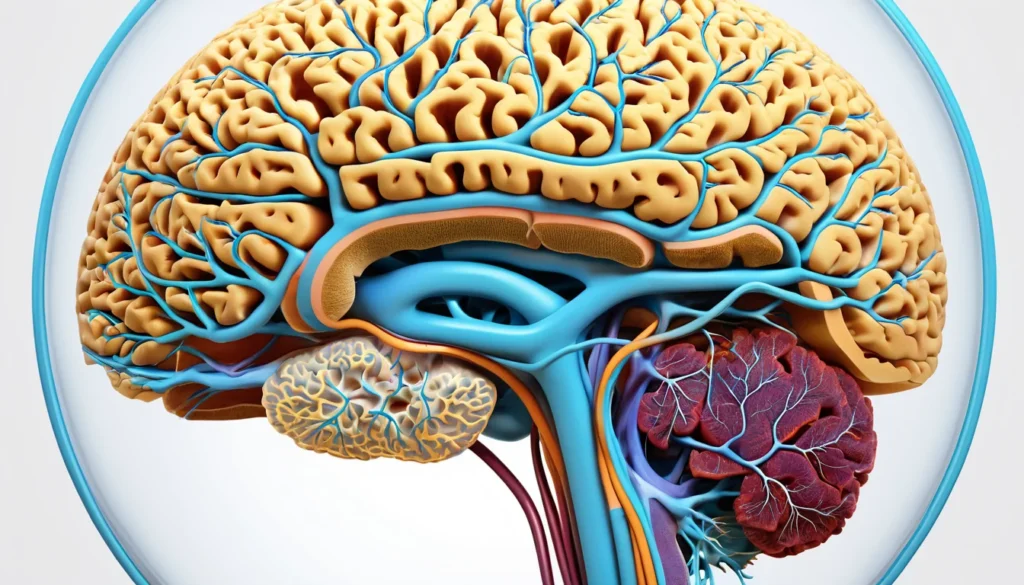
A cerebral hemorrhage is a type of stroke caused by bleeding within the brain. When a blood vessel ruptures, blood spills into the brain tissue and puts dangerous pressure on surrounding areas. This pressure damages brain cells quickly.
There are two main types of brain bleeding. An intracerebral hemorrhage occurs inside the brain tissue itself. A subarachnoid hemorrhage occurs in the space between the brain and the skull. Both types are serious and require emergency care.
According to the World Health Organization, stroke — including hemorrhagic stroke — is the second leading cause of death worldwide. Hemorrhagic strokes make up roughly 13% of all strokes but are responsible for a disproportionately high number of stroke deaths.
Common Causes of Cerebral Hemorrhage
Several conditions can cause a blood vessel in the brain to rupture. Understanding the causes can help you manage your risk.
High Blood Pressure
High blood pressure (hypertension) is the most common cause of cerebral hemorrhage. Over time, high pressure weakens blood vessel walls. Eventually, a vessel can burst under the strain. Many Canadians live with undiagnosed high blood pressure, which is why regular check-ups with your family doctor are so important.
Aneurysms
An aneurysm is a bulge or weak spot in a blood vessel wall. If an aneurysm ruptures, it causes sudden and severe bleeding in the brain. This type of bleed is particularly dangerous and often strikes without warning.
Head Trauma
A serious blow to the head — from a car accident, a fall, or a sports injury — can rupture blood vessels in the brain. In Canada, traumatic brain injuries are a significant public health concern, particularly among older adults and young athletes. Wearing helmets and seatbelts greatly reduces this risk.
Other Causes
Additional causes include abnormal blood vessel formations (arteriovenous malformations, or AVMs), blood-thinning medications, liver disease, and certain bleeding disorders. Illegal drug use, especially cocaine, can also trigger a cerebral hemorrhage by causing sudden spikes in blood pressure.
Recognizing the Symptoms of a Cerebral Hemorrhage
Knowing the symptoms of a cerebral hemorrhage can save a life. Symptoms often appear suddenly and worsen quickly. Do not wait to see if they pass — call 911 immediately.
Common symptoms include:
Sudden, severe headache — often described as the worst headache of your life
Weakness or numbness on one side of the body, including the face, arm, or leg
Sudden confusion or trouble understanding speech
Slurred speech or difficulty speaking
Vision problems in one or both eyes
Loss of balance or coordination
Nausea and vomiting
Seizures with no prior history of epilepsy
Loss of consciousness
In Canada, health authorities recommend using the FAST acronym to spot stroke symptoms quickly: Face drooping, Arm weakness, Speech difficulty, Time to call 911. These signs apply to hemorrhagic strokes as well.
How Is a Cerebral Hemorrhage Diagnosed?
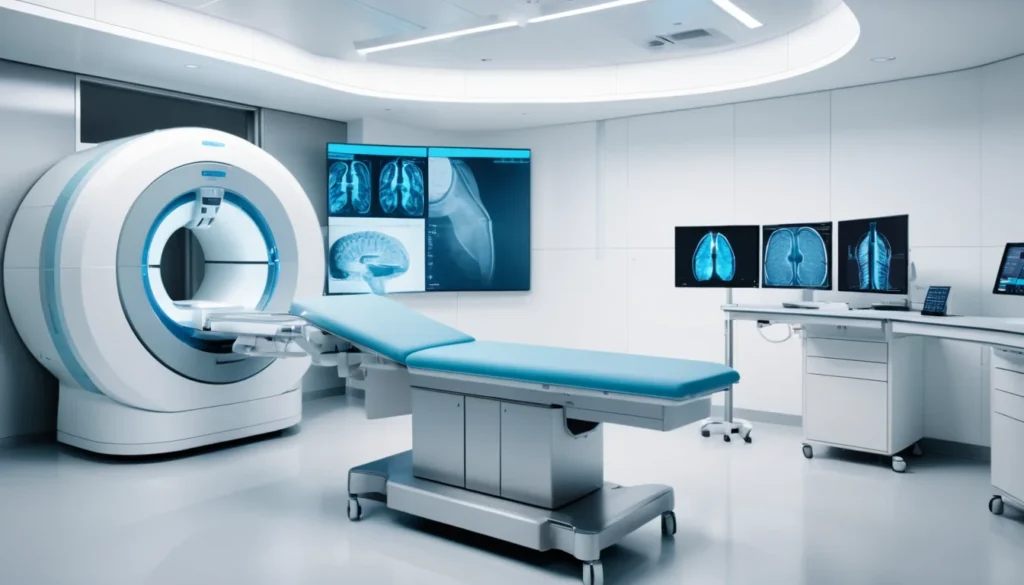
Doctors use imaging tests to confirm a cerebral hemorrhage. Time is critical — the faster a diagnosis is made, the better the outcome is likely to be.
CT Scan
A computed tomography (CT) scan is usually the first test done in the emergency room. It produces detailed images of the brain and can quickly identify bleeding. This test is available at most Canadian hospital emergency departments.
MRI
A magnetic resonance imaging (MRI) scan provides a more detailed picture of the brain. Doctors may use it to get a clearer view of the location and extent of the bleed. It is often used after the initial CT scan.
Other Tests
Doctors may also order blood tests, an angiogram (an imaging test of blood vessels), or a lumbar puncture (spinal tap) in some cases. These tests help identify the underlying cause of the bleed. Finding the cause is important for choosing the right treatment.
Treatment Options for Cerebral Hemorrhage
Treatment for a cerebral hemorrhage depends on its location, severity, and cause. The main goals are to stop the bleeding, reduce pressure in the brain, and prevent further damage.
Emergency Care
In the emergency room, doctors focus on stabilizing the patient. They manage blood pressure, control seizures, and prevent the bleed from worsening. Patients who take blood thinners may receive medications to reverse the effect of those drugs quickly.
Surgery
In some cases, surgery is needed to remove pooled blood, repair a ruptured blood vessel, or clip an aneurysm. The type of surgery depends on the location and size of the bleed. Not all patients with a cerebral hemorrhage require surgery, however.
Rehabilitation
After the initial crisis, many survivors need rehabilitation to recover lost functions. This may include physiotherapy, speech therapy, and occupational therapy. In Canada, rehabilitation services are typically covered under provincial health plans, though wait times and availability can vary by province. Your care team will help coordinate these services for you.
For more detailed information on stroke treatment and recovery, visit the Mayo Clinic’s guide to brain hemorrhage.
Risk Factors and Prevention
Many risk factors for cerebral hemorrhage are controllable. Taking steps to manage them can significantly lower your risk.
Key risk factors include:
High blood pressure — the single biggest risk factor
Smoking — damages blood vessel walls over time
Heavy alcohol use — raises blood pressure and affects clotting
Diabetes — increases the risk of blood vessel damage
High cholesterol — contributes to vessel disease
Obesity — linked to high blood pressure and diabetes
Physical inactivity
Furthermore, regular physical activity, a diet high in fibre and low in sodium, not smoking, and limiting alcohol can all reduce your risk. Your family doctor can help you build a prevention plan tailored to your health needs. Talk to them about getting your blood pressure checked regularly — it is a simple step that can make a major difference.
Health Canada also offers guidance on managing chronic conditions that increase stroke risk. You can explore their resources at Health Canada’s official website.
When to See a Doctor
If you or someone nearby shows any symptoms of a cerebral hemorrhage, call 911 right away. Do not drive yourself to the hospital. Do not wait to see if symptoms improve. Every minute counts when the brain is bleeding.
For ongoing concerns — such as managing high blood pressure, a history of aneurysm, or a family history of stroke — speak with your family doctor. If you do not have a family doctor, a walk-in clinic can be a good starting point. They can assess your risk factors and refer you to a specialist if needed.
In Canada, most provinces have stroke prevention clinics and neurology referral services available through the public health system. Ask your doctor or walk-in clinic about what is available in your province.
Frequently Asked Questions
What is the difference between a cerebral hemorrhage and a stroke?
A stroke is a broad term for any sudden interruption of blood flow to the brain. A cerebral hemorrhage is one specific type of stroke caused by bleeding inside or around the brain. The other main type of stroke is an ischemic stroke, which happens when a blood clot blocks a vessel.
Can you survive a cerebral hemorrhage?
Yes, survival is possible, but outcomes depend heavily on the size and location of the bleed and how quickly treatment begins. Some people recover with few lasting effects, while others face long-term disabilities. Immediate emergency care gives patients the best chance of survival and recovery.
What are the warning signs of a cerebral hemorrhage?
The most common warning signs include a sudden severe headache, weakness on one side of the body, confusion, slurred speech, and vision changes. A cerebral hemorrhage can also cause loss of consciousness or seizures. If you notice any of these signs, call 911 immediately.
What causes a cerebral hemorrhage in a healthy person?
Even in otherwise healthy individuals, a cerebral hemorrhage can be caused by an undetected aneurysm or an arteriovenous malformation (AVM) — an abnormal tangle of blood vessels present from birth. Head trauma from accidents or sports injuries is another common cause. In some cases, the cause is never fully identified.
How long does recovery from a cerebral hemorrhage take?
Recovery time varies widely depending on the severity of the bleed and the areas of the brain affected. Some people regain function within weeks, while others require months or even years of rehabilitation. In Canada, provincial health plans generally cover many rehabilitation services, including physiotherapy and speech therapy.
Is a cerebral hemorrhage the same as a brain aneurysm?
No, but the two are closely related. A brain aneurysm is a weak bulge in a blood vessel wall. A cerebral hemorrhage is what happens if that aneurysm ruptures and bleeds. Not all aneurysms rupture, but when they do, the resulting hemorrhage is a medical emergency.
Key Takeaways
A cerebral hemorrhage is bleeding inside or around the brain caused by a ruptured blood vessel.
It is a medical emergency — call 911 immediately if symptoms appear.
Use the FAST method to recognize stroke symptoms: Face, Arms, Speech, Time.
High blood pressure is the leading cause — manage it with regular check-ups and a healthy lifestyle.
Treatment may include emergency medication, surgery, and rehabilitation.
In Canada, rehabilitation services are largely covered by provincial health plans.
Always consult your family doctor or visit a walk-in clinic to discuss your personal risk factors.
This article is for informational purposes only. It is not a substitute for professional medical advice, diagnosis, or treatment. Always consult your family doctor or a qualified healthcare provider with any questions you have about a medical condition.