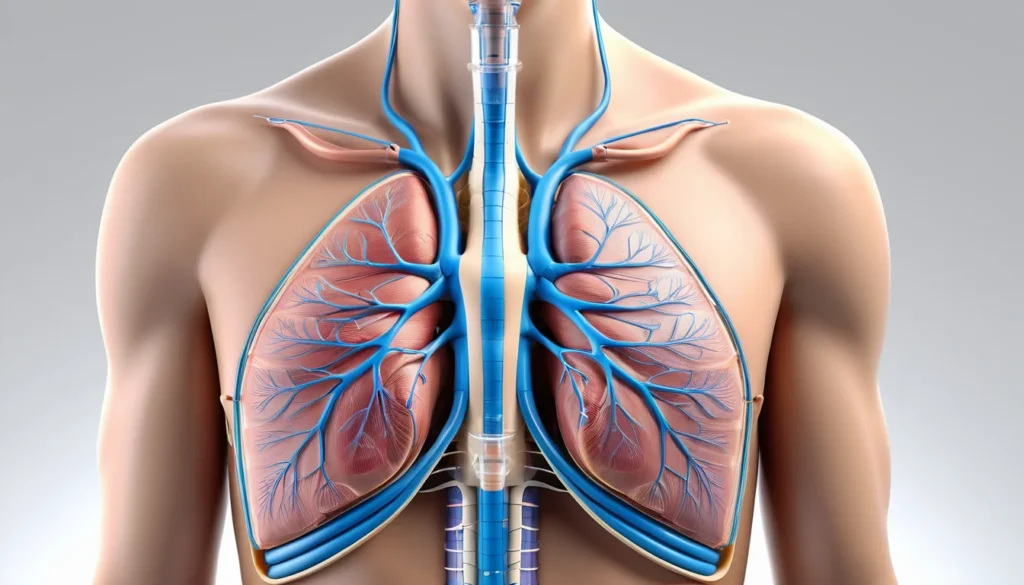
A central venous catheter is a thin, flexible tube inserted into a large vein in your body. Doctors use it to deliver medicines, fluids, nutrients, or blood products over a long period — sometimes weeks or even months. It plays a critical role in treating patients with serious or complex medical conditions, especially in hospital intensive care units (ICUs) across Canada. Understanding how this device works can help you or a loved one feel more prepared if a doctor recommends one.
What Is a Central Venous Catheter?
A central venous catheter (also called a central line) is different from a regular IV line. A regular IV goes into a small vein near the surface of your skin. A central line goes much deeper, into one of the large veins close to your heart.
Doctors typically insert a central venous catheter into one of three main veins. These include the subclavian vein (near your collarbone), the internal jugular vein (in your neck), or the femoral vein (in your groin). The choice depends on your condition, your body, and what the catheter will be used for.
Because this tube sits inside a large vein, it can handle medications that would damage smaller veins. It also allows healthcare teams to give multiple treatments at the same time through different ports on the catheter.
Why Would You Need a Central Venous Catheter?
Healthcare providers recommend a central venous catheter in several important situations. This device is especially useful when a patient needs long-term treatment or urgent medical care. In Canadian hospitals, central lines are a standard part of critical care medicine.
Long-Term Medication Delivery
A central venous catheter can stay in place much longer than a standard IV line. This makes it ideal for delivering treatments over many weeks. For example, patients receiving chemotherapy for cancer, long-term antibiotics for serious infections, or pain management medications often benefit from a central line.
In addition, patients who cannot eat normally may receive nutrition directly through a central venous catheter. This is called total parenteral nutrition (TPN). It delivers proteins, sugars, fats, vitamins, and minerals straight into the bloodstream.
Heart Medications and Monitoring
Some heart medications need to reach the bloodstream very quickly to work properly. A central venous catheter allows these drugs to act faster than a regular IV. This is especially important in emergency situations or in the ICU.
Furthermore, doctors can use a central line to measure the pressure inside the superior vena cava — the large vein that carries blood back to your heart. This measurement, called central venous pressure (CVP), helps diagnose certain heart and circulation problems. It gives the care team valuable information about how well your heart is pumping.
Emergency and Specialized Procedures
Central venous catheters are also used for urgent or specialized treatments. Two common examples are haemodialysis (a process that filters waste from your blood when your kidneys are not working) and plasmapheresis (a treatment that removes and replaces the liquid part of your blood). Both procedures require reliable, high-volume vascular access that a central line can provide.
Who Should Not Have a Central Venous Catheter?
A central venous catheter is not the right choice for everyone. Doctors weigh the benefits against the risks carefully before recommending this procedure. There are certain situations where placing a central line may be too risky or not appropriate.
People with blood clotting disorders may face higher bleeding risks during insertion. Similarly, patients on long-term blood thinners (anticoagulants) need extra precautions. Low blood pressure (hypotension) and chest trauma can also make the procedure more complicated or dangerous.
In addition, damage to the vein being used can make insertion impossible or unsafe. Pregnant women generally cannot have this procedure because it requires X-ray imaging guidance. The radiation exposure poses risks to the developing baby. Your doctor will always review your full medical history before deciding if a central line is right for you.
What Are the Risks and Complications of a Central Venous Catheter?
Like any medical procedure, inserting a central venous catheter comes with some risks. However, in most cases, the benefits outweigh these risks for patients who truly need one. Canadian hospitals follow strict safety protocols to reduce complications as much as possible.
Understanding the possible risks can help you ask better questions and feel more confident about your care. Here are the most common complications associated with central venous catheters:
Bleeding: Some bleeding can occur at the insertion site. In most cases, this is minor and stops quickly with pressure.
Pneumothorax (collapsed lung): When a central line is placed in the chest area, there is a small risk of accidentally puncturing the lung. This causes air to leak into the chest cavity, which can collapse part of the lung. The risk depends largely on the skill of the person inserting the catheter and the exact location of placement. It is relatively uncommon but serious if it occurs.
Infection: Hospital-acquired infections (also called nosocomial infections) are one of the most significant risks with central lines. Bacteria can enter the bloodstream through the catheter site. This may require antibiotics or, in some cases, removal of the catheter. Health Canada actively monitors and works to reduce these types of infections in Canadian hospitals.
Blockage or kinking: The catheter can become blocked by a blood clot or kinked (twisted). Regular flushing of the catheter helps prevent blockages. If the catheter twists, the medical team will need to reposition it.
Pain at the insertion site: Some discomfort or soreness around the insertion site is normal. This usually improves within a few days.
Catheter displacement: The catheter can shift out of its correct position. Sometimes the care team can reposition it. In other cases, they may need to remove it and insert a new one.
According to the Mayo Clinic, careful insertion technique and proper ongoing care significantly reduce the risk of these complications. Always ask your care team how they monitor and manage central line safety.
How Is a Central Venous Catheter Inserted and Cared For?
Inserting a central venous catheter is a sterile procedure. This means the healthcare team takes special precautions to keep everything clean and free from germs. The procedure usually takes place in a hospital setting, such as an ICU, an operating room, or a specialized procedure room.
The doctor or nurse will clean your skin thoroughly and use a sterile drape around the area. You will receive local anaesthetic to numb the skin. Imaging guidance, such as ultrasound or X-ray, helps the provider place the catheter in exactly the right position.
Ongoing Care of Your Central Line
Once the catheter is in place, the nursing team will check it regularly. They change the dressing (the bandage covering the site) on a set schedule to keep the area clean. The catheter is also flushed regularly with a saline or heparin solution to prevent blockages.
You or a family member may be taught how to care for the catheter at home if you are receiving long-term treatment. This includes recognizing signs of infection, such as redness, swelling, warmth, or fever. Proper home care is an important part of keeping a central line safe over time.
The World Health Organization (WHO) emphasizes that hand hygiene and proper catheter care protocols are among the most effective ways to prevent central line-associated bloodstream infections worldwide.
When to See a Doctor
If you or a loved one has a central venous catheter, it is important to know the warning signs that something may be wrong. Do not wait to seek help if you notice any of the following symptoms.
Contact your family doctor or visit a walk-in clinic right away if you notice redness, warmth, swelling, or discharge around the catheter site. A fever — especially one that comes on suddenly — can be a sign of a catheter-related infection and needs prompt attention. Shortness of breath or chest pain should also be taken seriously, as these can indicate a more serious complication such as a collapsed lung or a blood clot.
If you are in a rural or remote area of Canada and cannot easily access your family doctor, call 811 (Health Link in most provinces) to speak with a registered nurse. In an emergency, always call 911 or go to your nearest emergency department. Your provincial health plan covers hospital care related to central line complications, so do not delay seeking treatment due to cost concerns.
As always, talk to your family doctor or specialist before, during, and after any procedure involving a central venous catheter. They are your best resource for personalized medical advice.
Frequently Asked Questions About Central Venous Catheters
How long can a central venous catheter stay in place?
A central venous catheter can remain in place for several weeks to several months, depending on the type of catheter and the reason it was inserted. Some types, such as tunnelled catheters or implanted ports, are designed for even longer-term use. Your doctor will decide the appropriate duration based on your treatment plan and overall health.
Is inserting a central venous catheter painful?
The insertion of a central venous catheter is done under local anaesthetic, so you should not feel significant pain during the procedure. You may feel some pressure or mild discomfort as the catheter is being placed. After the procedure, the site may be sore for a day or two, but most patients manage this well with simple pain relief.
What is the difference between a central venous catheter and a PICC line?
A central venous catheter is inserted directly into a large central vein, such as those near the neck, collarbone, or groin. A PICC line (peripherally inserted central catheter) is inserted through a vein in the arm and threaded up to a large vein near the heart. Both are types of central lines, but the insertion site and technique differ. Your doctor will choose the best option based on your needs and vein health.
Can you shower or bathe with a central venous catheter?
You can usually shower with a central venous catheter, but you must keep the site dry and covered with a waterproof dressing. Submerging the catheter site in water — such as in a bath or swimming pool — is generally not recommended, as this increases the risk of infection. Your healthcare team will give you specific instructions on how to protect your central line during daily activities.
What are the signs of a central line infection?
Signs of a central venous catheter infection include redness, swelling, warmth, or pus at the insertion site. You may also develop a fever, chills, or feel generally unwell. If you notice any of these symptoms, contact your healthcare provider immediately, as a central line infection can become serious very quickly if left untreated.
Is a central venous catheter covered by provincial health plans in Canada?
Yes, in Canada, the insertion and management of a central venous catheter in a hospital setting is covered under provincial and territorial health insurance plans. If you are receiving home care through a central line, coverage for supplies and nursing visits may vary by province. Check with your provincial health authority or speak with a hospital social worker to understand what home care support is available to you.
Key Takeaways
A central venous catheter is a thin, flexible tube placed in a large vein to deliver medications, fluids, nutrition, or blood products over a long period.
It is used for long-term treatment of cancer, infections, pain, and heart conditions, as well as for emergency procedures like haemodialysis.
Not everyone is a candidate — people with clotting disorders, those on blood thinners, or pregnant women may face higher risks.
Common complications include infection, bleeding, a collapsed lung, blockage, and catheter displacement. These are managed closely by your hospital care team.
Proper sterile technique during insertion and careful ongoing care significantly reduce the risk of complications.
Watch for signs of infection (redness, fever, swelling) and contact your family doctor, walk-in clinic, or call 811 if you have concerns.
In Canada, hospital care for central line procedures is covered under provincial health plans. Home care coverage may vary by province.
Always speak with your doctor or specialist to understand whether a central venous catheter is right for your specific situation.