Your central nervous system is the command centre of your entire body. It receives information, processes it, and sends instructions to every muscle, organ, and tissue you have. Understanding how it works can help you recognize when something may be wrong — and when to reach out to your family doctor or a walk-in clinic.
What Is the Central Nervous System?
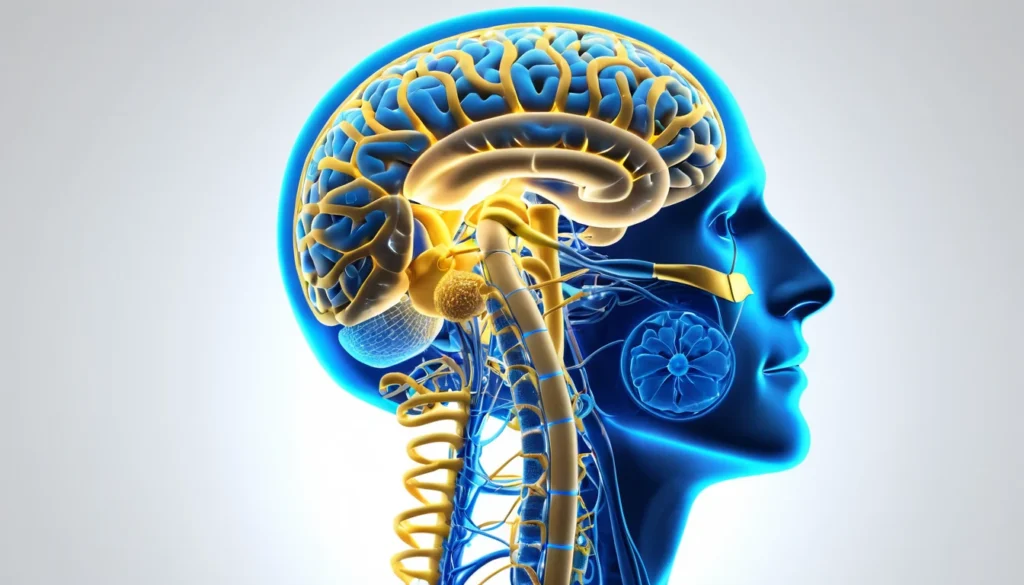
The central nervous system (CNS) is made up of the brain and the spinal cord. Together, these two structures control almost everything your body does — from breathing and moving to thinking and feeling emotions.
The CNS is sometimes called the “nevrax” in older medical texts. However, most doctors and health professionals today simply refer to it as the central nervous system. It works alongside the peripheral nervous system, which connects the brain and spinal cord to the rest of the body.
According to the World Health Organization’s overview of neurological disorders, conditions that affect the central nervous system are among the leading causes of disability worldwide. That is why learning about this system matters for your long-term health.
The Building Blocks: Neurons and Support Cells
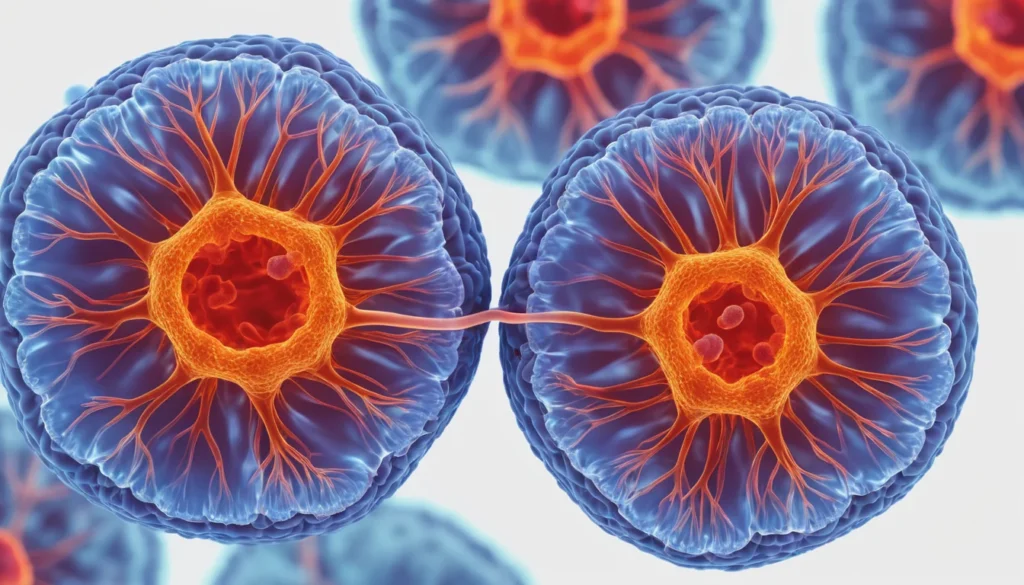
The central nervous system contains billions of neurons — the basic nerve cells that carry electrical signals. These neurons connect to each other through tiny gaps called synapses. When a signal travels from one neuron to the next, it allows your brain to communicate with your body almost instantly.
However, neurons do not work alone. They are supported by a type of tissue called neuroglia, or glial cells. These support cells protect neurons, keep them nourished, and help repair damage when it occurs.
Think of neurons as the wires in a house, and neuroglia as the insulation and protective casing around those wires. Both are essential for the system to function properly.
Types of Neurons
There are three main types of neurons in the central nervous system. Sensory neurons carry information from your senses — like touch, sight, and sound — to your brain. Motor neurons send instructions from your brain out to your muscles. Interneurons connect sensory and motor neurons together inside the brain and spinal cord.
Each type plays a specific role. As a result, damage to different neurons can cause very different symptoms — from numbness and tingling to muscle weakness or vision changes.
The Brain: Your Body’s Control Centre
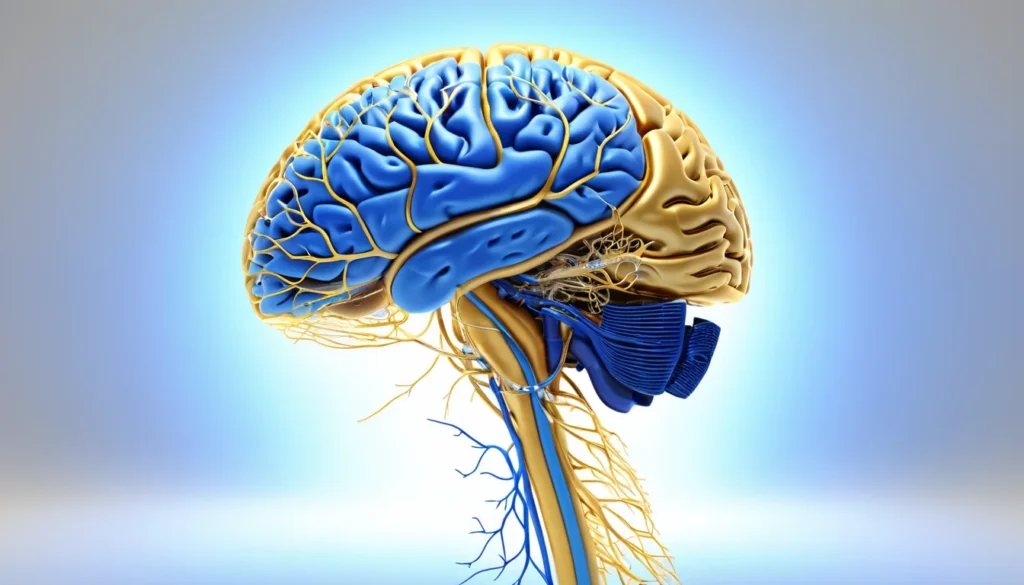
The brain is the largest and most complex part of the central nervous system. It sits protected inside your skull and is divided into three main regions: the cerebrum, the cerebellum, and the brainstem.
Each region handles different tasks. Understanding what each part does can help you make sense of symptoms when something goes wrong.
The Cerebrum
The cerebrum is the largest part of the brain. It controls thinking, memory, language, and voluntary movement. It is also responsible for your personality and your ability to make decisions.
The cerebrum is divided into two halves, called hemispheres. In general, the left hemisphere controls the right side of your body, and the right hemisphere controls the left side. Furthermore, different regions of the cerebrum are responsible for specific functions, such as vision, speech, or movement.
The Cerebellum
The cerebellum sits at the back and bottom of the brain. It coordinates balance, posture, and the smooth movement of your muscles. For example, when you catch a ball or walk in a straight line, your cerebellum is hard at work.
Damage to the cerebellum can cause problems with coordination, making tasks like walking or writing very difficult. This type of damage can result from injury, stroke, or certain diseases.
The Brainstem
The brainstem connects the brain to the spinal cord. It controls many automatic functions that you never have to think about — such as breathing, heart rate, and swallowing. Without a healthy brainstem, the body cannot maintain basic life functions.
The brainstem includes three parts: the midbrain, the pons, and the medulla oblongata. Each one handles a specific set of automatic body processes.
The Spinal Cord: Your Body’s Information Highway
The spinal cord runs from the base of the brain down through your backbone, also called the vertebral column. It acts as the main pathway for signals travelling between the brain and the rest of the body.
When you touch something hot, for instance, sensory neurons in your hand send a signal up the spinal cord to your brain. Your brain processes that information and sends a signal back down the spinal cord telling your hand to pull away. This entire process happens in a fraction of a second.
The spinal cord also handles some reflexes on its own, without waiting for the brain. These are called spinal reflexes. They allow your body to react quickly to danger, even before you are consciously aware of it.
How the Spinal Cord Is Protected
Like the brain, the spinal cord is well protected. It sits inside a column of bones called vertebrae. These bones form your spine and act like a hard shell around the delicate spinal cord inside.
In addition, the brain and spinal cord are both surrounded by three layers of protective tissue called the meninges. Between these layers flows cerebrospinal fluid, a clear liquid that cushions and nourishes the central nervous system.
Common Conditions That Affect the Central Nervous System
Many health conditions can affect the central nervous system. Some develop slowly over time, while others come on suddenly. Knowing the warning signs is an important first step toward getting the right help.
According to Mayo Clinic’s guide to brain diseases, symptoms of CNS conditions can vary widely depending on which part of the system is affected.
Here are some of the most common conditions that affect the central nervous system:
Stroke: A blockage or bleed in the brain that cuts off blood supply to neurons.
Multiple sclerosis (MS): A disease where the immune system attacks the protective covering of nerve fibres.
Meningitis: Inflammation of the meninges, often caused by infection.
Parkinson’s disease: A progressive condition that affects movement and coordination.
Epilepsy: A condition causing repeated seizures due to abnormal electrical activity in the brain.
Concussion: A traumatic brain injury caused by a blow or jolt to the head.
Spinal cord injury: Damage to the spinal cord that can affect movement and sensation below the injury site.
Canada has a notably high rate of multiple sclerosis compared to many other countries. If you have concerns about MS or other neurological conditions, your provincial health plan may cover assessments through your family doctor or a specialist referral.
How to Keep Your Central Nervous System Healthy
Taking care of your central nervous system does not require anything complicated. Many of the habits that support overall health also protect your brain and spinal cord.
Here are practical steps you can take every day:
Eat a brain-friendly diet: Choose foods rich in fibre, healthy fats like omega-3s, and antioxidants. Leafy greens, fatty fish, and berries are all excellent choices.
Stay physically active: Regular exercise improves blood flow to the brain and supports the growth of new neurons.
Get enough sleep: During sleep, the brain clears out waste products that can damage neurons over time.
Protect your head: Wear a helmet during cycling, skiing, or contact sports to reduce the risk of concussion.
Limit alcohol: Excessive drinking damages neurons and can lead to long-term neurological problems.
Manage stress: Chronic stress raises cortisol levels, which can harm brain cells over time. Try meditation, walking, or other relaxation techniques.
Stay socially connected: Social engagement and mental stimulation help keep the brain sharp as you age.
For more detailed guidance, Healthline’s tips for a healthier nervous system offer additional evidence-based strategies you can put into practice.
When to See a Doctor
Some symptoms point to a possible problem with the central nervous system and should never be ignored. If you or someone you care for experiences any of the following, seek medical attention right away:
Sudden severe headache, especially one described as “the worst of your life”
Weakness, numbness, or tingling in one side of the body
Sudden confusion, trouble speaking, or difficulty understanding others
Loss of vision in one or both eyes
A seizure for the first time
Loss of bladder or bowel control after a back injury
Fainting or loss of consciousness
For non-emergency concerns — such as persistent headaches, memory issues, or ongoing dizziness — start by visiting your family doctor. If you do not have a family doctor, most provinces have walk-in clinics that can assess your symptoms and refer you to a neurologist if needed.
In an emergency, call 911 or go to your nearest hospital emergency department immediately. Do not wait to see if symptoms improve on their own.
Please note: This article is for general information only. Always consult your doctor or a qualified healthcare provider for personal medical advice.
Frequently Asked Questions About the Central Nervous System
What does the central nervous system do?
The central nervous system controls almost all functions of the body and mind. It receives signals from your senses, processes information in the brain, and sends instructions to your muscles and organs. In short, it is the master control system that keeps your body working properly.
What are the two main parts of the central nervous system?
The two main parts of the central nervous system are the brain and the spinal cord. The brain processes all information and makes decisions, while the spinal cord acts as the main communication pathway between the brain and the rest of the body. Both are protected by bone and surrounded by a cushioning fluid.
What diseases affect the central nervous system?
Many conditions can affect the central nervous system, including stroke, multiple sclerosis, Parkinson’s disease, epilepsy, meningitis, and concussion. Canada has one of the highest rates of MS in the world, making awareness especially important here. If you notice unusual neurological symptoms, speak with your family doctor or visit a walk-in clinic.
Can the central nervous system repair itself?
Unlike many other tissues in the body, the central nervous system has a limited ability to repair itself after damage. However, the brain does show a degree of plasticity — meaning it can sometimes form new connections to compensate for damaged areas. Research into CNS repair is an active and growing field of medical science.
How can I keep my central nervous system healthy?
You can support your central nervous system by eating a diet rich in fibre and healthy fats, exercising regularly, getting enough sleep, and protecting your head from injury. Managing stress and limiting alcohol also play important roles. Small, consistent lifestyle choices add up to significant long-term brain health benefits.
What is the difference between the central nervous system and the peripheral nervous system?
The central nervous system consists of the brain and spinal cord, which process all incoming information and coordinate responses. The peripheral nervous system includes all the nerves that branch out from the spinal cord to reach the rest of the body — your limbs, organs, and skin. Together, these two systems allow every part of your body to communicate effectively.
Key Takeaways
The central nervous system is made up of the brain and spinal cord, and it controls almost everything your body does.
Billions of neurons and supporting glial cells make up the tissue of the CNS.
The brain has three main regions: the cerebrum, the cerebellum, and the brainstem — each with distinct roles.
The spinal cord carries signals between the brain and the body, and also handles some reflexes independently.
Common CNS conditions include stroke, MS, Parkinson’s disease, epilepsy, and concussion.
Healthy lifestyle habits — including regular exercise, good sleep, and a fibre-rich diet — protect your nervous system over time.
Seek immediate medical attention for sudden neurological symptoms such as weakness on one side of the body, severe headache, or confusion.
Your family doctor or a walk-in clinic is the right first step for non-emergency neurological concerns under your provincial health plan.