Respiratory Health
Tracheobronchitis: Symptoms, Causes & Treatment
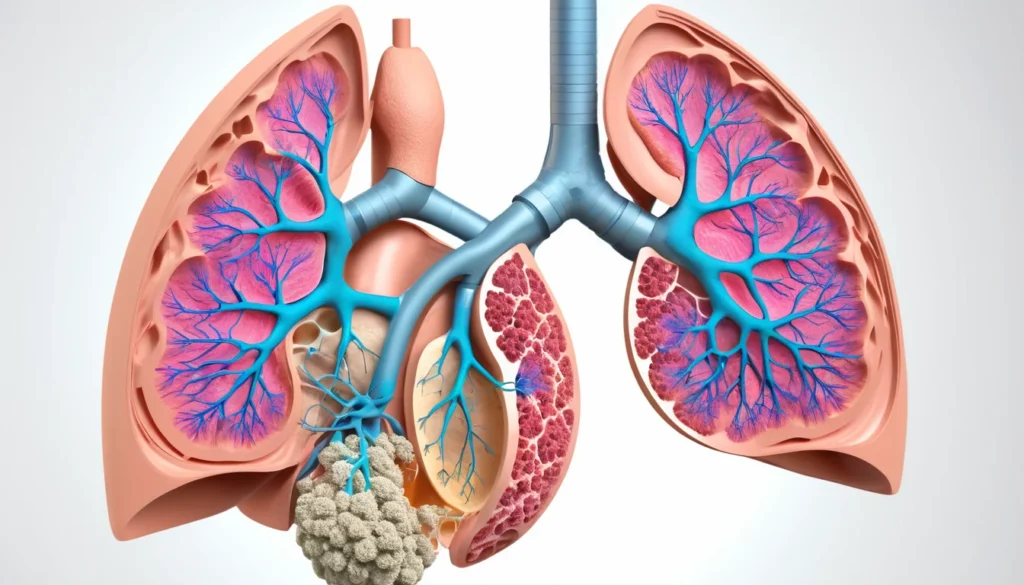
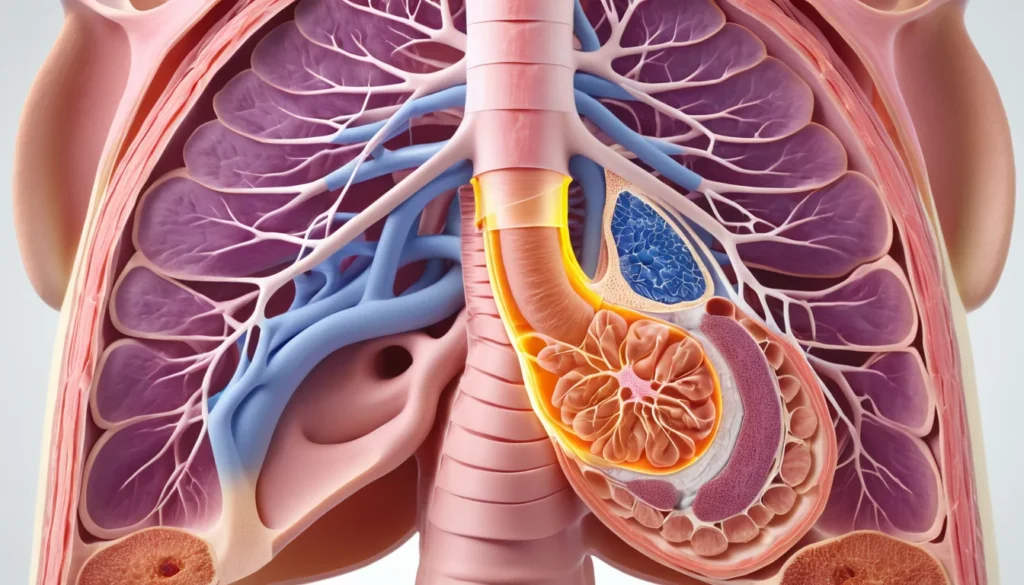
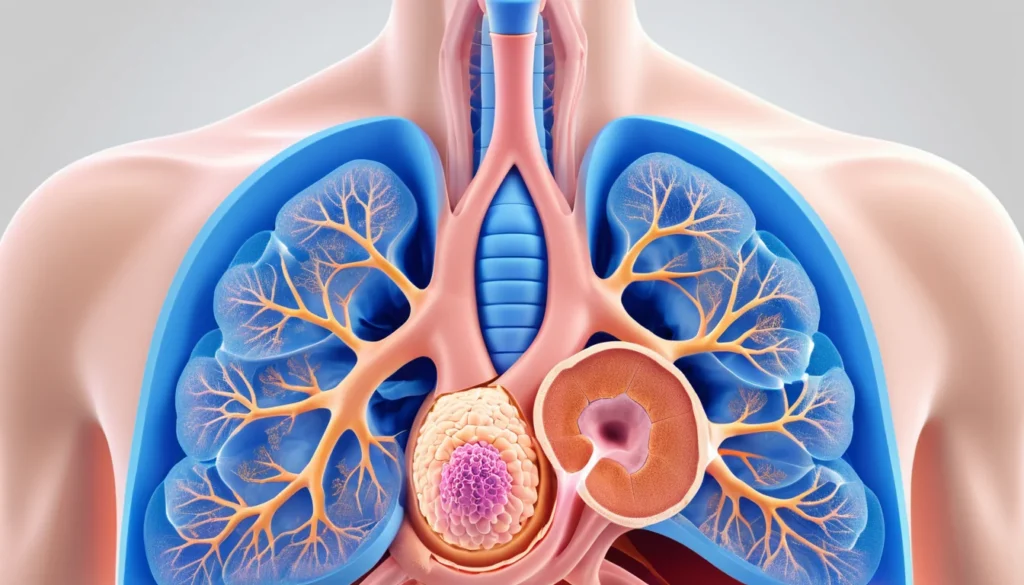
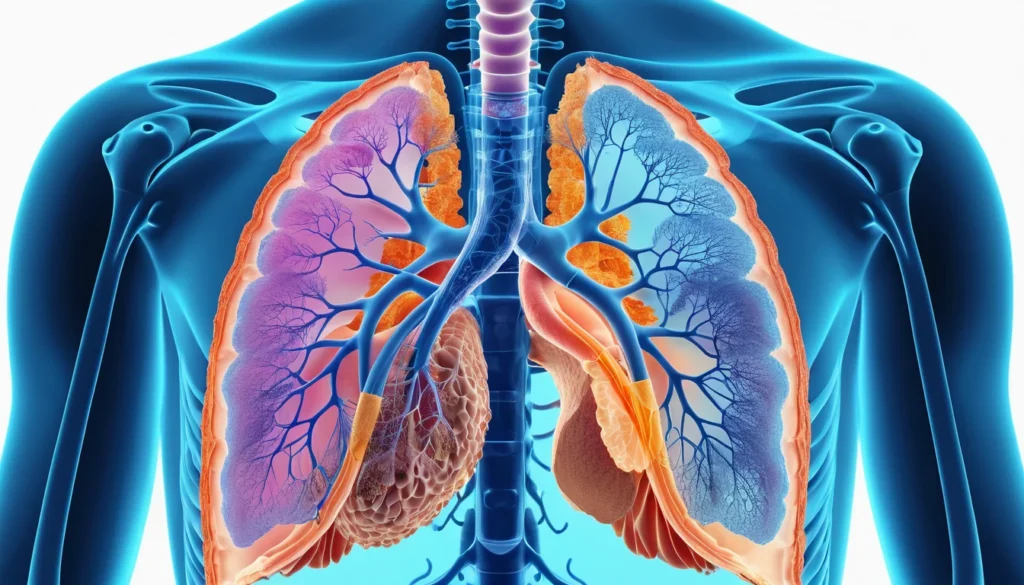
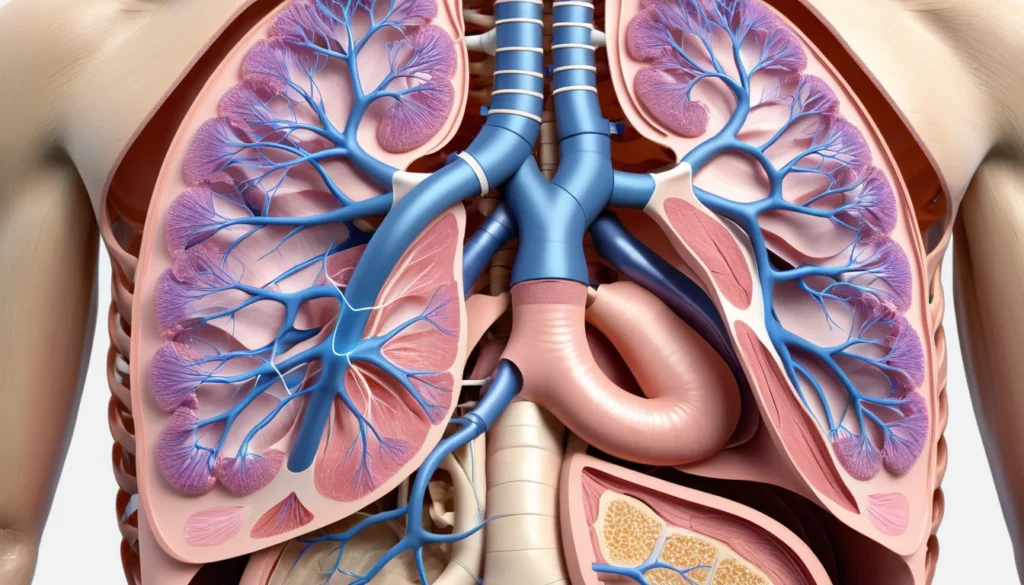
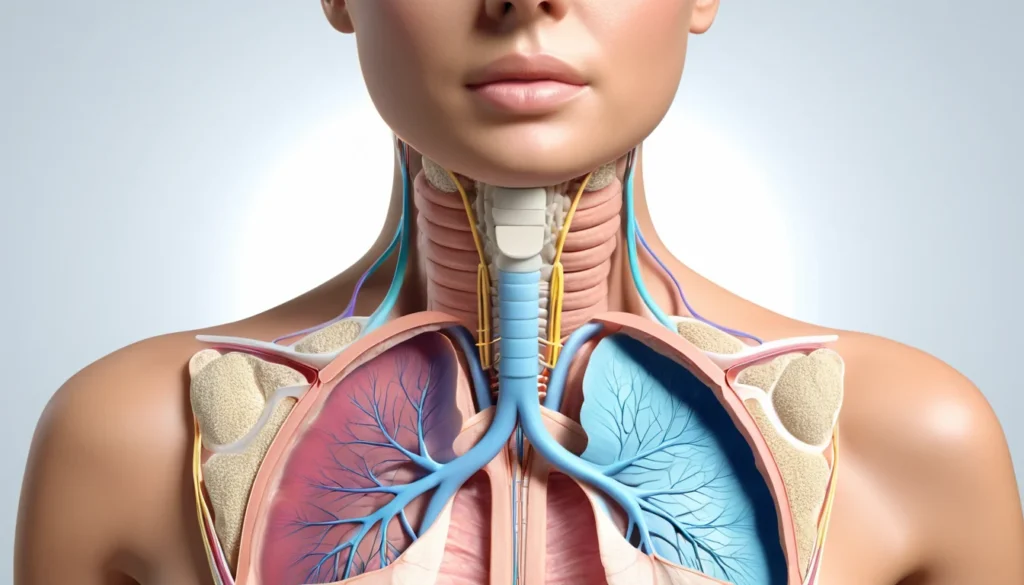
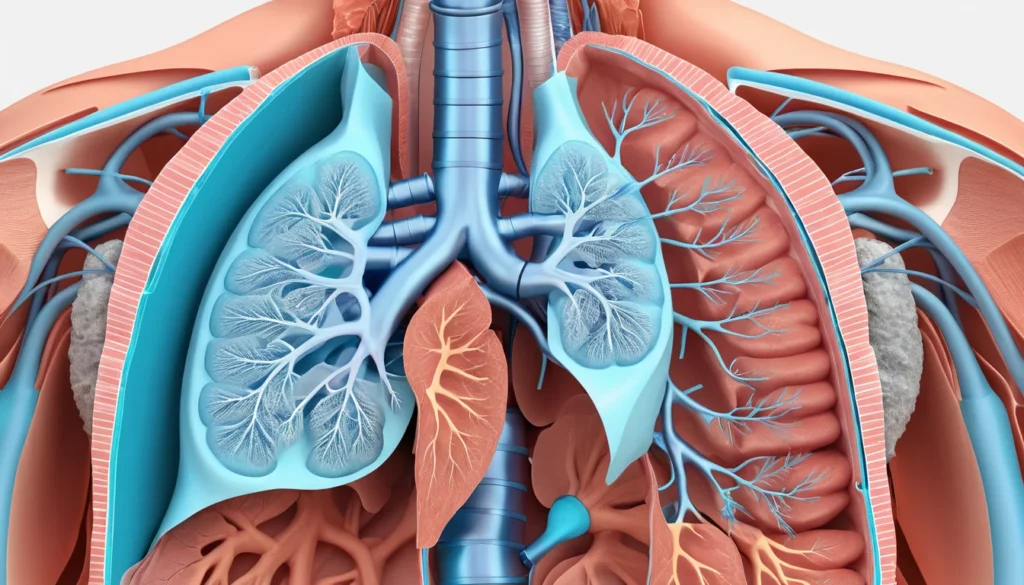
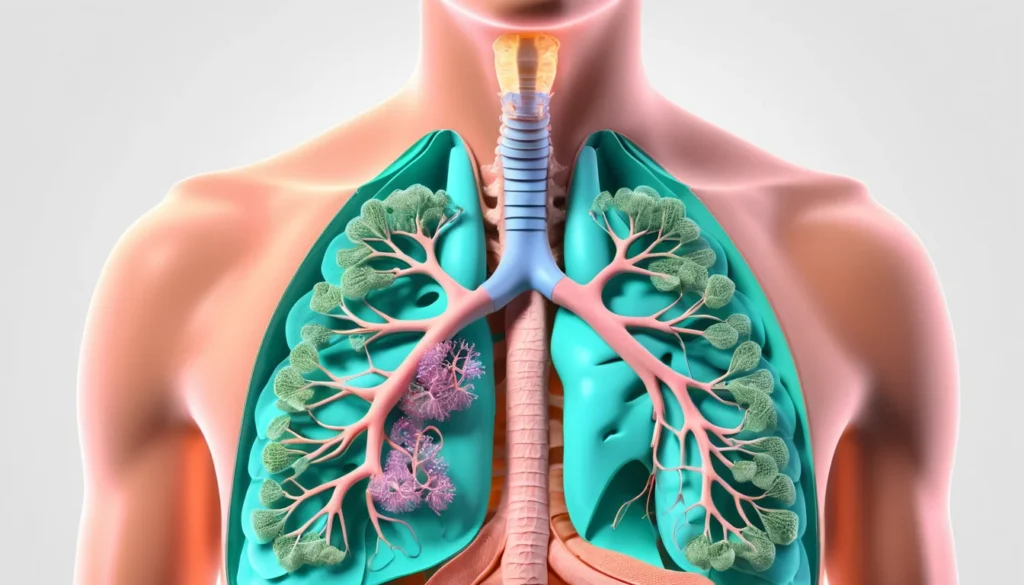
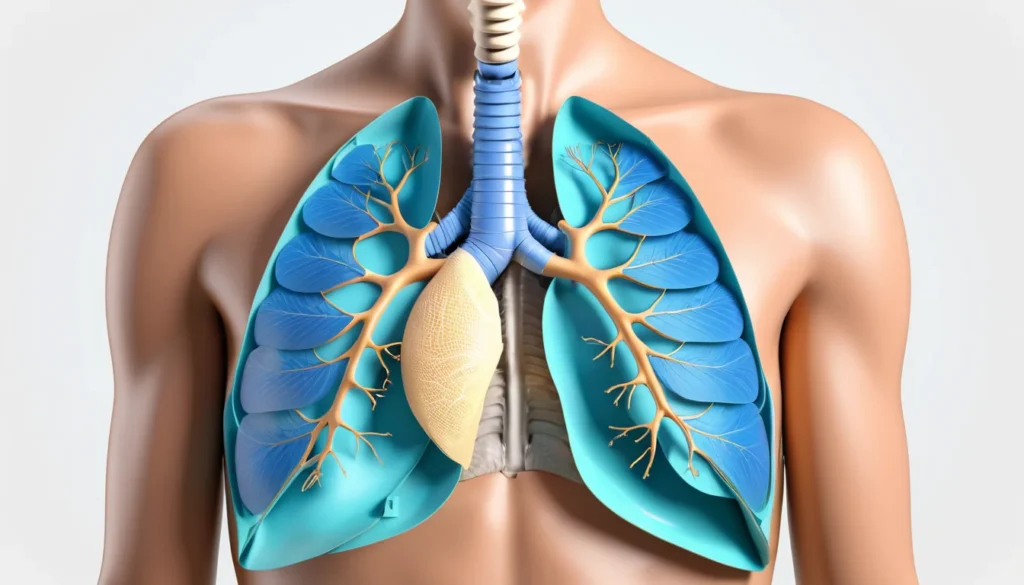
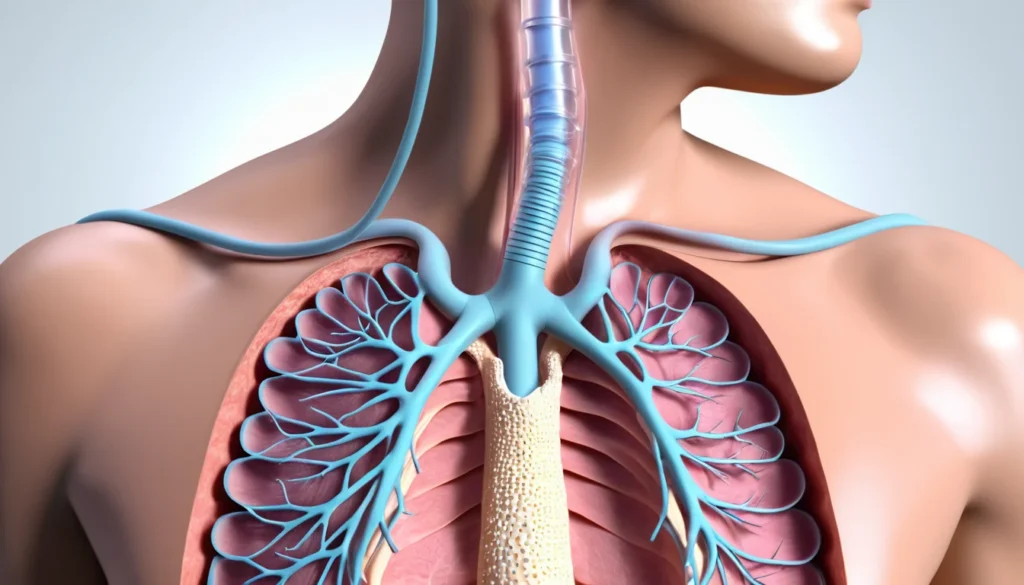
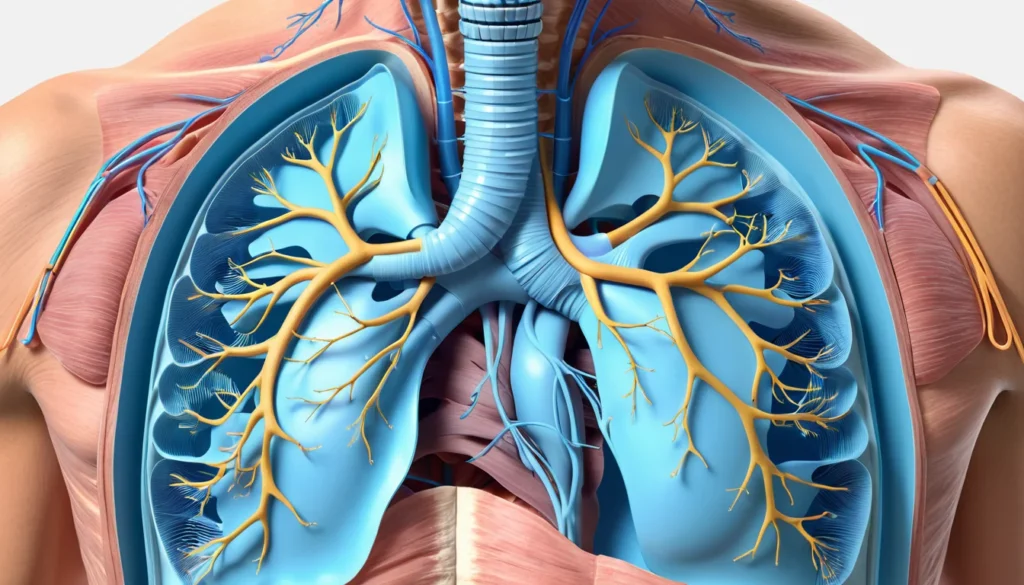
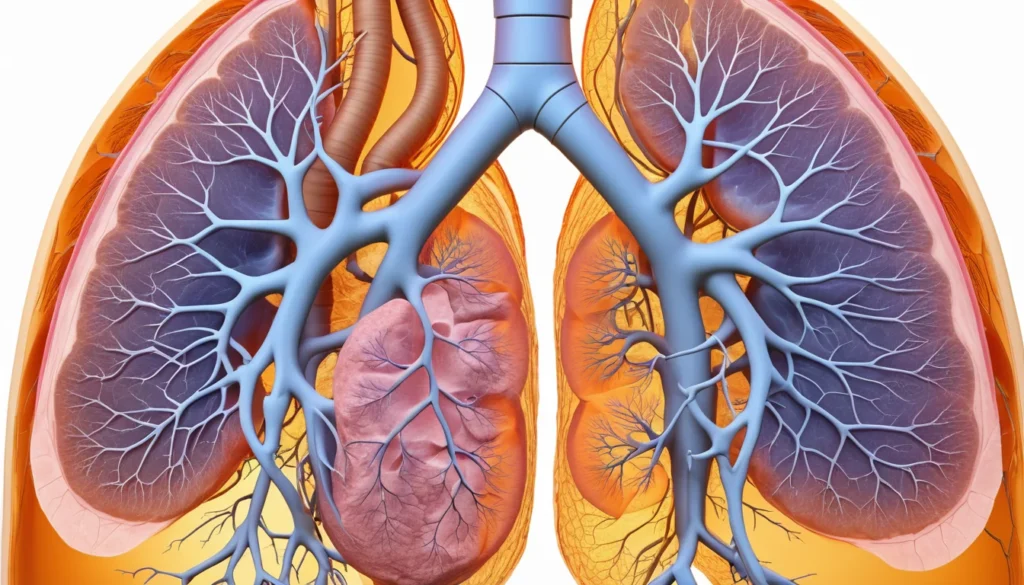
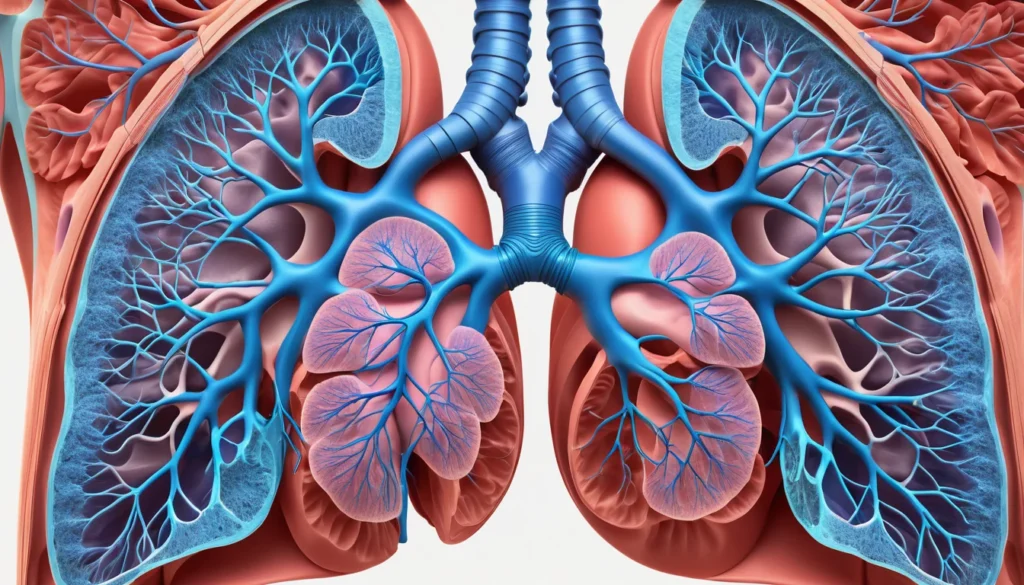
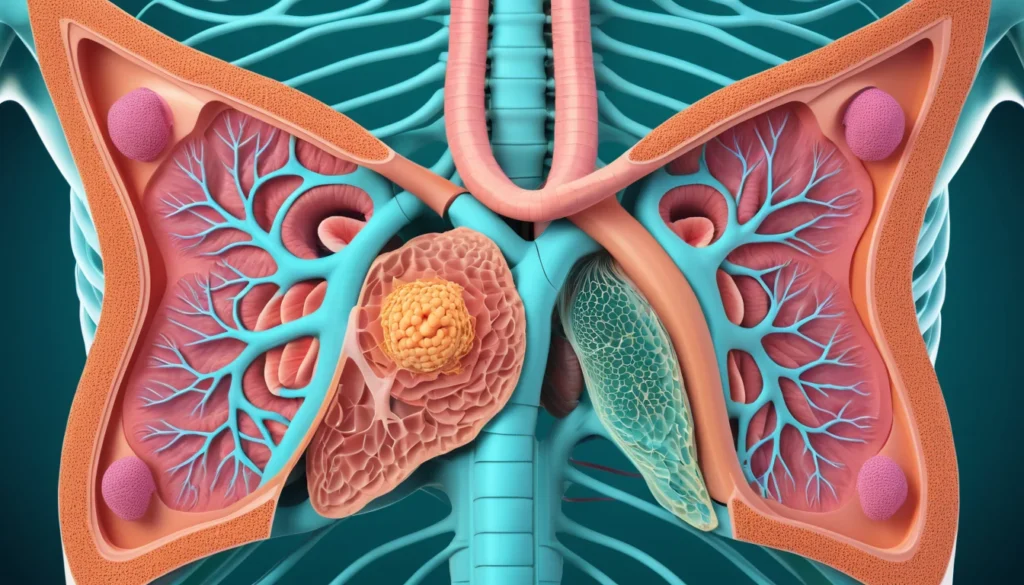
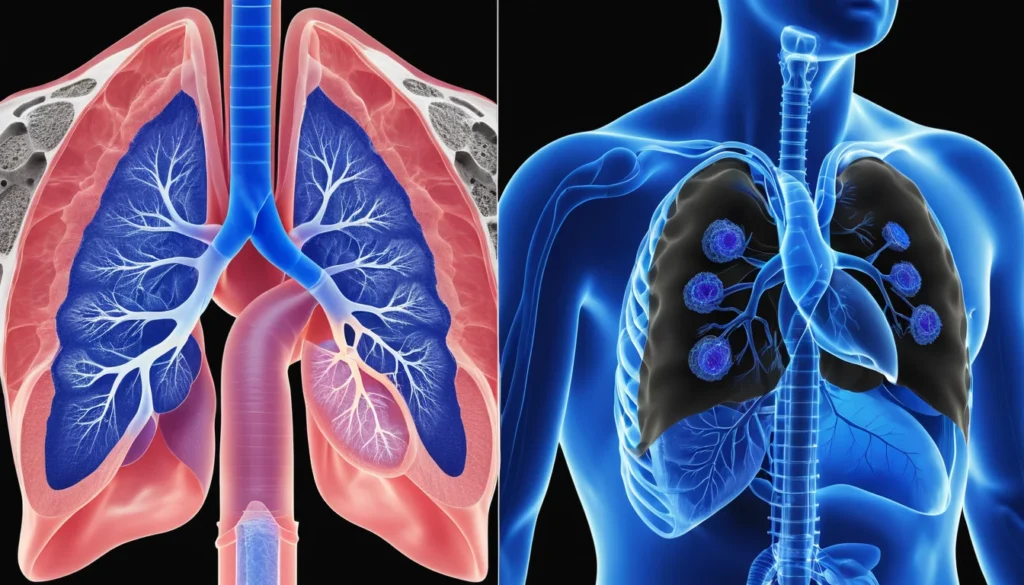
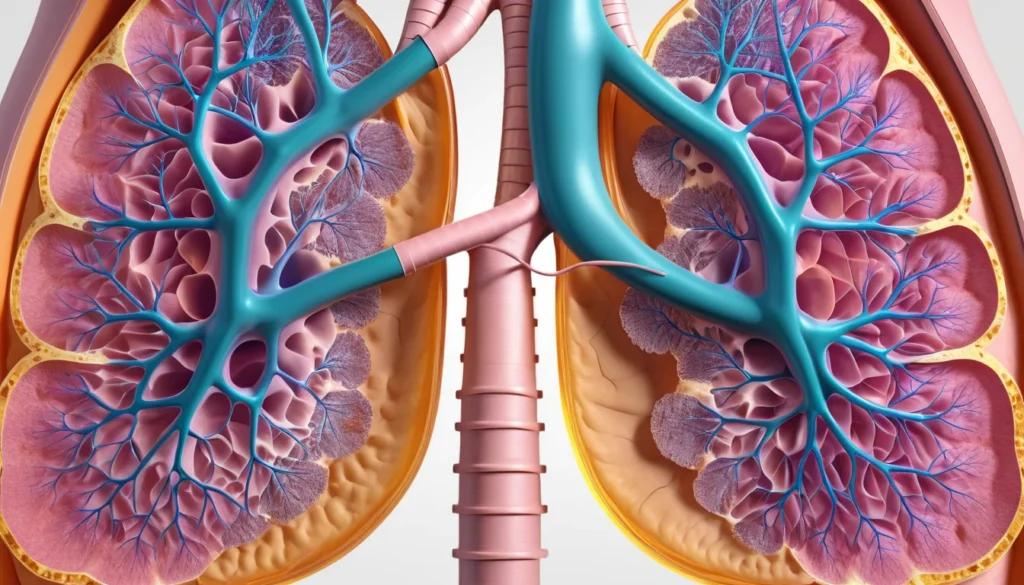
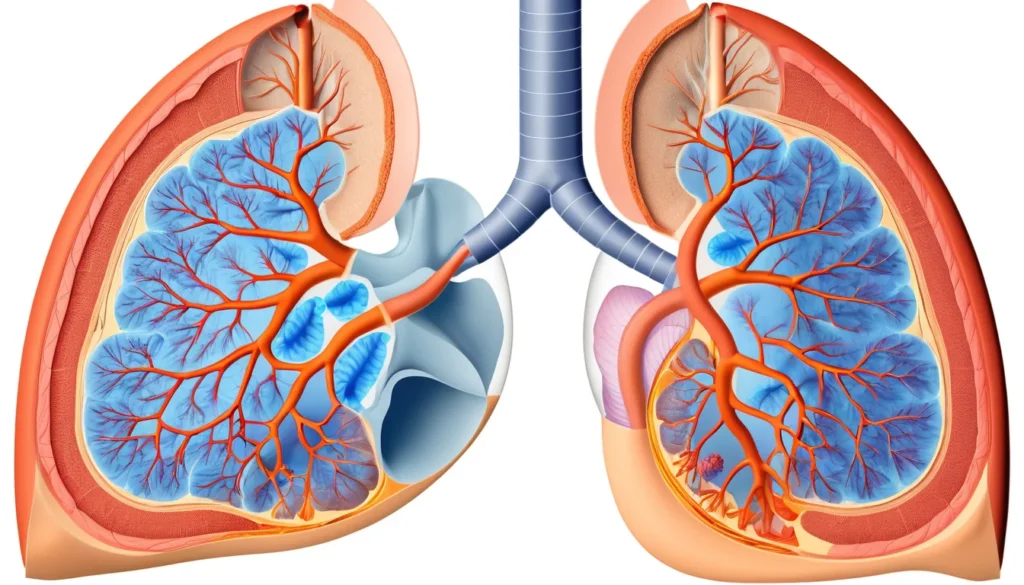
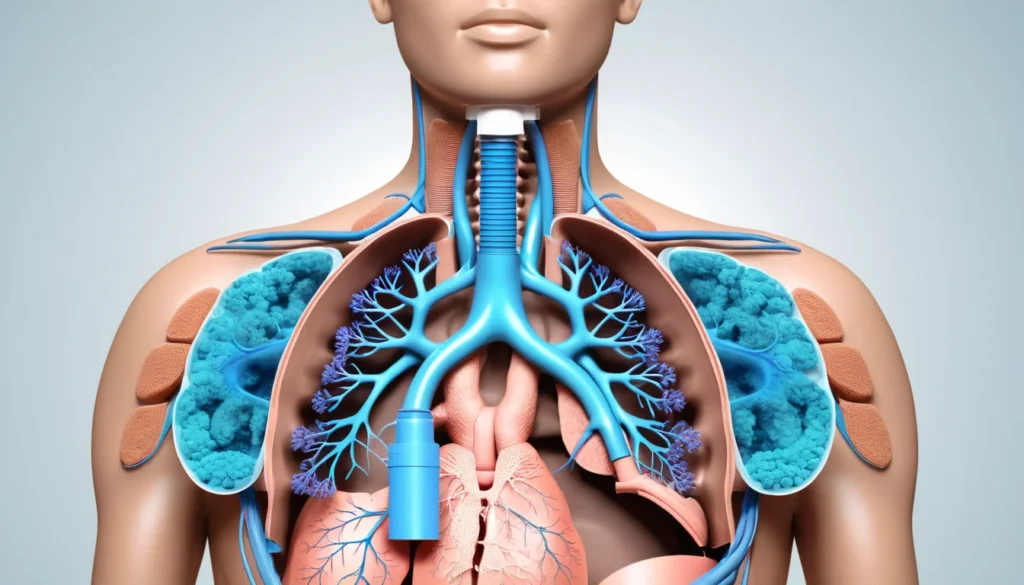
Tracheobronchitis occurs when the lining of your trachea and bronchi becomes inflamed and swollen.
Evidence-based health articles researched by our editorial team and sourced from trusted Canadian and international health authorities.
Tracheobronchitis occurs when the lining of your trachea and bronchi becomes inflamed and swollen.
Your lungs contain millions of tiny air sacs called alveoli. These sacs look like clusters of grapes and expand with each breath …
Your airways — called bronchial tubes — carry air in and out of your lungs. When these tubes become inflamed, the condition is …
Your airways are the tubes that carry air into and out of your lungs. When these airways become inflamed, the condition is called …
COPD is a group of long-term lung diseases that block airflow in and out of the lungs. As a result, the lungs cannot move air …
Wheezing happens when the airways in your lungs become narrow or blocked. Air squeezes through these smaller passages and creates …
A cough is one of the most common reasons Canadians visit their family doctor or local walk-in clinic.
A wet cough — sometimes called a productive cough or chest cough — brings up mucus or phlegm from your lungs.
A chronic cough is one that lasts eight weeks or longer. It is more than just an annoyance — it can disrupt your sleep, affect …
A pulmonary embolism occurs when a clot — or sometimes a clump of fat, air, or tumour tissue — travels through the bloodstream and …
Hantavirus pulmonary syndrome is an infectious disease caused by several types of hantavirus.
ARDS happens when fluid builds up inside the tiny air sacs in your lungs. This fluid stops your lungs from filling properly with …
Understanding respiratory symptoms can help you take better care of your lungs and overall health.
Sarcoidosis is a systemic inflammatory disease. “Systemic” means it can affect many parts of the body at the same time.
A chest ultrasound is a safe, fast, and radiation-free way for doctors to look at your lungs and the structures around them.
Shortness of breath is the medical term for breathing that feels difficult, laboured, or abnormal. Doctors call this condition …
Living with chronic bronchitis or another long-term lung condition can make everyday life feel like a struggle.
A collapsed lung, known medically as a pneumothorax, happens when air leaks into the space between your lung and chest wall.
Aspiration pneumonia is a type of lung infection caused by inhaling foreign material into the airways.
Your lungs are wrapped in two thin layers of tissue called the pleura. One layer covers the outside of your lungs.
Have you ever noticed that you struggle to breathe when you lie flat, but feel better once you sit up or stand? This is called …
Pulmonary nocardiosis is an infection of the lung tissue caused by bacteria from the Nocardia genus.
Pulmonary histoplasmosis is a fungal infection that mainly affects the lungs. The fungus Histoplasma capsulatum lives in soil and …
Pulmonary fibrosis causes scarring around and between the tiny air sacs (alveoli) in your lungs.
A lung disease is considered “rare” when it affects fewer than one in 2,000 people. These conditions are chronic, meaning they …
Congenital lobar emphysema occurs when one or more lobes of a baby’s lung become over-inflated. Air enters the lung lobe but …
Your lungs contain millions of tiny, elastic air sacs called alveoli. With every breath, these sacs fill with oxygen and release …
Lung pain — also called chest pain or pulmonary pain — refers to discomfort felt in the chest area, particularly around or within …
Shortness of breath — known medically as dyspnea — is not a disease on its own. It is a symptom.
Breathing difficulties happen when your body struggles to take in or move air normally. The medical term is dyspnea.
Respiratory viral infections are illnesses caused by viruses that attack your breathing system.
Most people think of hives or stomach pain when they hear the words “food allergy.” However, food allergies and respiratory health …
Bronchiectasis happens when the bronchi — the tubes that carry air in and out of your lungs — become stretched and damaged.
Bronchopneumonia is a form of pneumonia, but it works a little differently. Instead of affecting just one part of the lung, it can …
Your lungs are spongy, elastic organs inside your chest, sitting above the diaphragm. They are part of your respiratory system and …
White lung disease gets its name from the appearance of the lungs on an X-ray or CT scan. Healthy lung tissue looks dark on …
Asbestosis is a type of lung disease called pulmonary fibrosis. It belongs to a group of conditions known as pneumoconioses — lung …
Acute severe asthma is the most dangerous stage of an asthma episode. During this stage, the airways become so narrow and inflamed …
Pulmonary aspergillosis is a fungal infection that starts in the lungs. It is caused mainly by a mould called Aspergillus …
Black lung disease gets its name from what happens inside the lungs. When coal dust builds up in the lung tissue, it turns the …
If you are dealing with cold symptoms this season, you are not alone. Millions of Canadians catch a cold every year, especially in …
Asthma is a long-term condition that affects the airways — the tubes that carry air in and out of your lungs.
Many Canadians living with asthma look beyond their prescribed inhalers for extra relief. Alternative asthma treatments — such as …
Asthma is a chronic condition that affects your airways — the tubes that carry air in and out of your lungs.
Most asthma medications are inhaled directly into the airways. This is different from swallowing a pill or getting an injection.
An asthma flare-up — also called an acute asthma episode or exacerbation — is a period when asthma symptoms get progressively …
Your lungs have a branching network of airways that carry air deep into the lung tissue. In people with asthma, these airways …
The word “asthma” comes from the ancient Greek word for “panting.” It is a condition where the airways — the tubes that carry air …
Asthma is a long-term (chronic) condition that affects the airways — the tubes that carry air in and out of your lungs.