Oral Health
Apicoectomy: What Canadians Need to Know
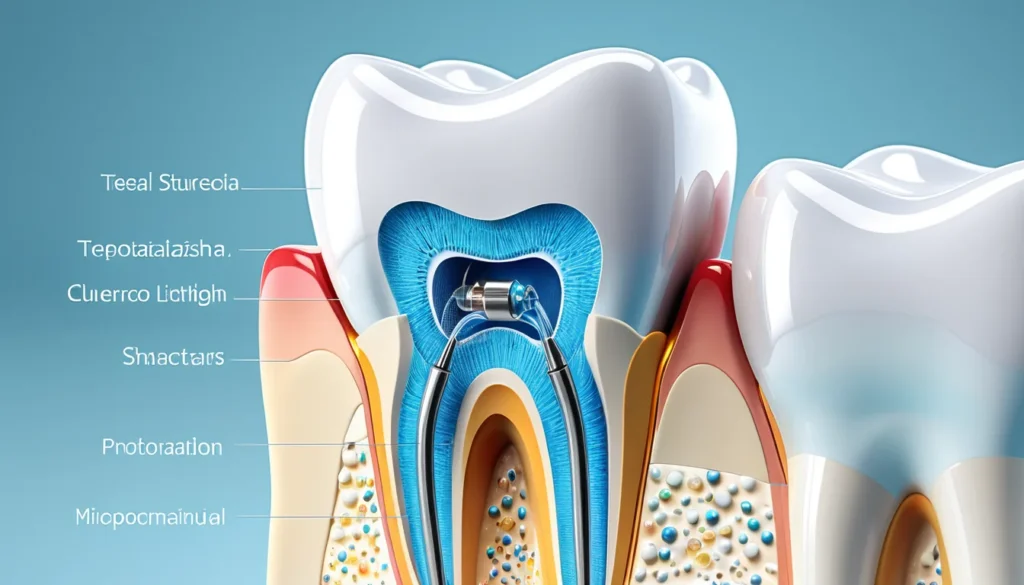
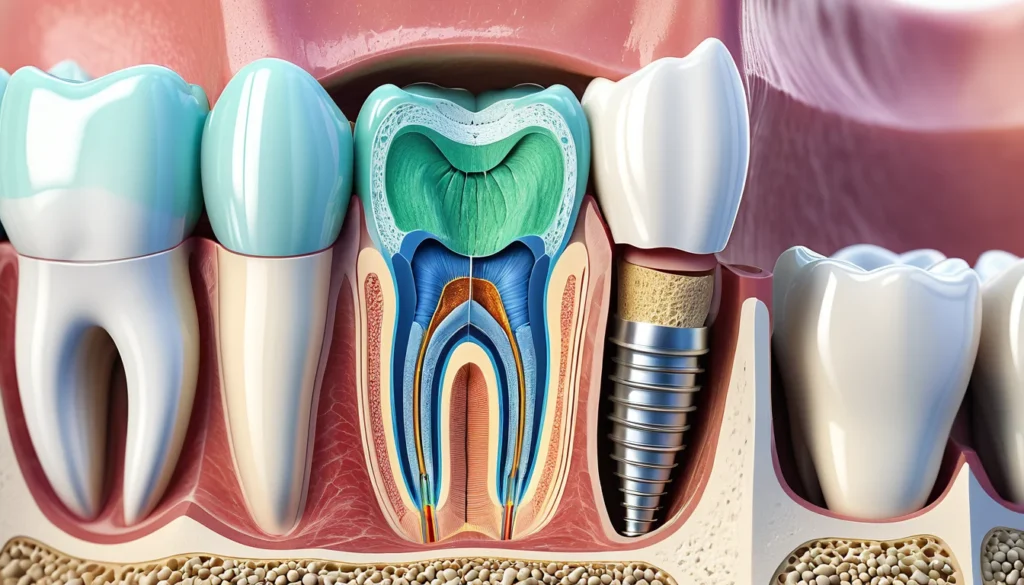
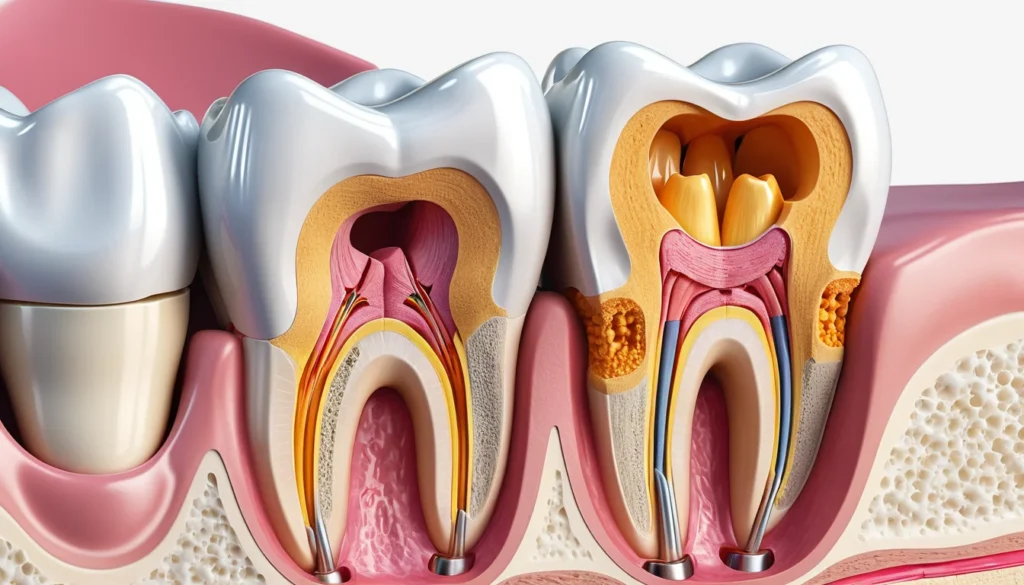
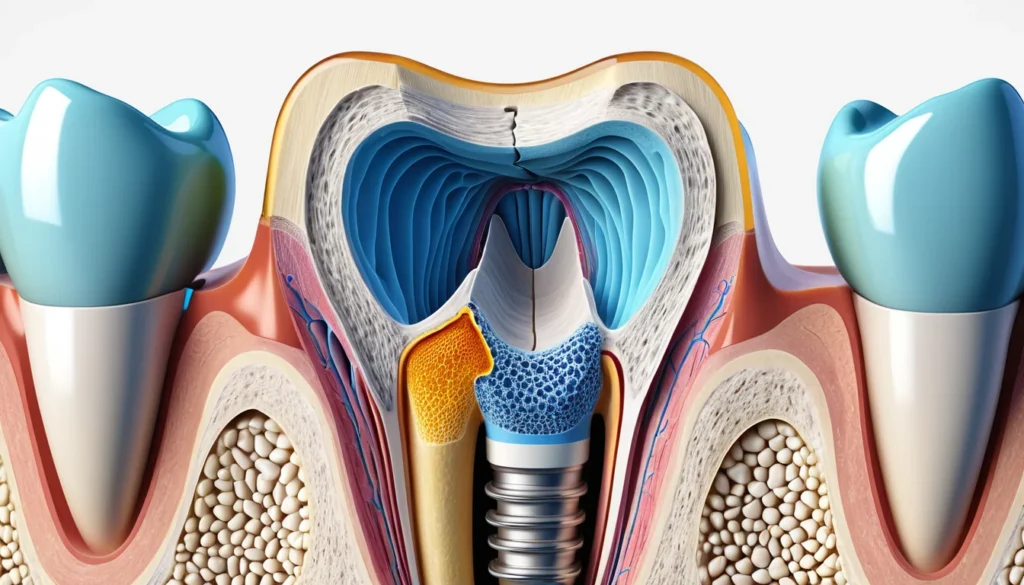
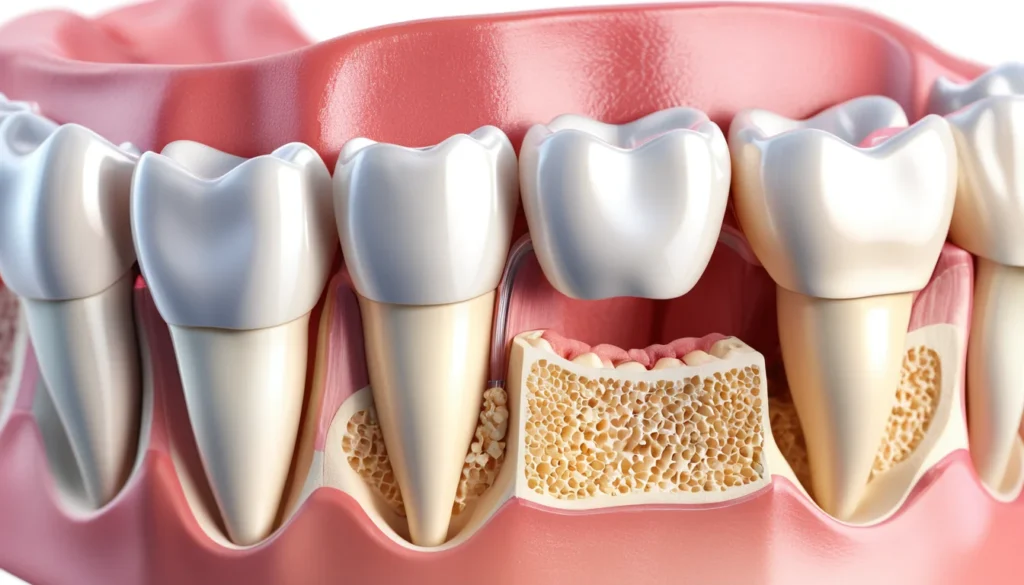
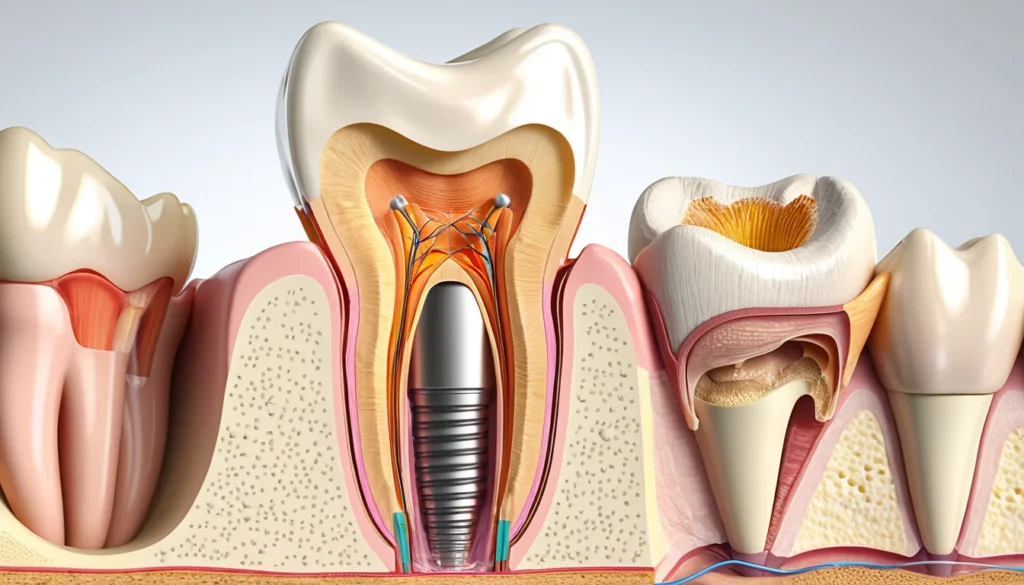
An apicoectomy is a minor surgical procedure that can save a tooth when a regular root canal treatment is not enough.
Evidence-based health articles researched by our editorial team and sourced from trusted Canadian and international health authorities.
An apicoectomy is a minor surgical procedure that can save a tooth when a regular root canal treatment is not enough.
After a dentist removes a tooth, a blood clot normally forms in the empty socket. This clot acts as a protective covering for the …
Canine teeth — also called “eye teeth” or “cuspids” — are the slightly pointed teeth on either side of your four front teeth.
For many Canadians, a trip to the dentist brings feelings of anxiety or fear — especially when it comes to pain.
The temporomandibular joint (TMJ) connects your lower jaw (mandible) to the temporal bone on the side of your skull.
Tooth decay happens when bacteria in your mouth feed on sugars and produce acid. That acid slowly breaks down the hard outer layer …
Sensitive teeth happen when the inner layer of your tooth, called dentine, becomes exposed. Dentine sits just below the hard outer …
Gum disease is an infection of the tissues that hold your teeth in place. It is caused by a buildup of plaque — a sticky film of …
Every day, the bacteria in your mouth feed on sugars and produce acids. These acids attack the outer layer of your teeth, called …
Many Canadians put off dental checkups — and it is easy to understand why. Life gets busy, costs add up, and for some people, the …
Your dentist and orthodontist may seem like two separate people doing two separate jobs. However, when they work closely together, …
Knowing how to prevent tooth decay is one of the most important things you can do for your overall health.
Your mouth is more powerful than you might think. Oral health and immunity are deeply connected — and the state of your teeth and …
Tooth decay occurs when the hard outer surface of your tooth — called enamel — gets damaged by acid. This acid comes from bacteria …
A dental sealant is a thin, protective coating made from a safe resin material. A dentist applies it to the chewing surface of the …
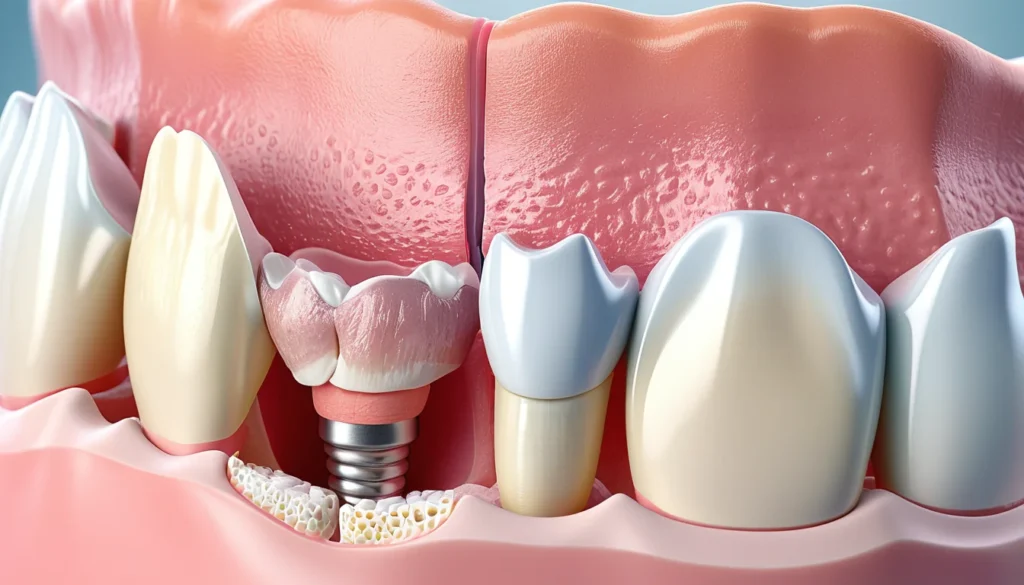
Dealing with missing teeth is more common than you might think. Whether you’ve lost a tooth to decay, injury, or gum disease, …
A dental abscess is a pocket of pus that forms inside or around a tooth. It happens when bacteria infect the tissue surrounding …
Bruxism is the medical term for grinding, clenching, or gnashing your teeth. It can happen while you are awake or while you sleep.
Sensitive teeth are one of the most common dental complaints among Canadians, affecting people of all ages across every province.
Your oral health affects far more than just your smile — it plays a critical role in your overall well-being.
Gingivitis treatment is essential for millions of Canadians affected by this common form of gum disease each year.
Oral cancer symptoms can be easy to overlook, yet recognizing them early could save your life.
A burned tongue is one of the most common minor mouth injuries Canadians experience, usually caused by sipping hot coffee, tea, or …
Ludwig's angina is a serious and potentially life-threatening bacterial infection that affects the soft tissue underneath the …
Mouth ulcers are small, painful sores that develop on the soft tissue lining the inside of your mouth, and they are one of the …
Mouth sores are small, painful ulcers that develop inside your mouth on the gums, cheeks, tongue, or lips.
Common mouth problems affect almost everyone at some point, and Canadians are no exception.
Macroglossia is a medical condition in which the tongue is abnormally large for the size of the mouth, making it difficult to eat, …
Dry mouth causes range from everyday medication use to underlying health conditions, and millions of Canadians deal with this …
Burning mouth syndrome is a chronic condition that causes a persistent burning or scalding sensation in the mouth, tongue, gums, …
Pericoronitis treatment is essential when the painful gum infection develops around a partially erupted wisdom tooth.
Oral thrush is a common fungal infection that affects the mouth, tongue, and inner cheeks of Canadians of all ages.