Digestive Health
Second Medical Opinion: When and Why You Need One
Getting a second medical opinion can be one of the most important steps you take for your health.
Evidence-based health articles researched by our editorial team and sourced from trusted Canadian and international health authorities.
Getting a second medical opinion can be one of the most important steps you take for your health.
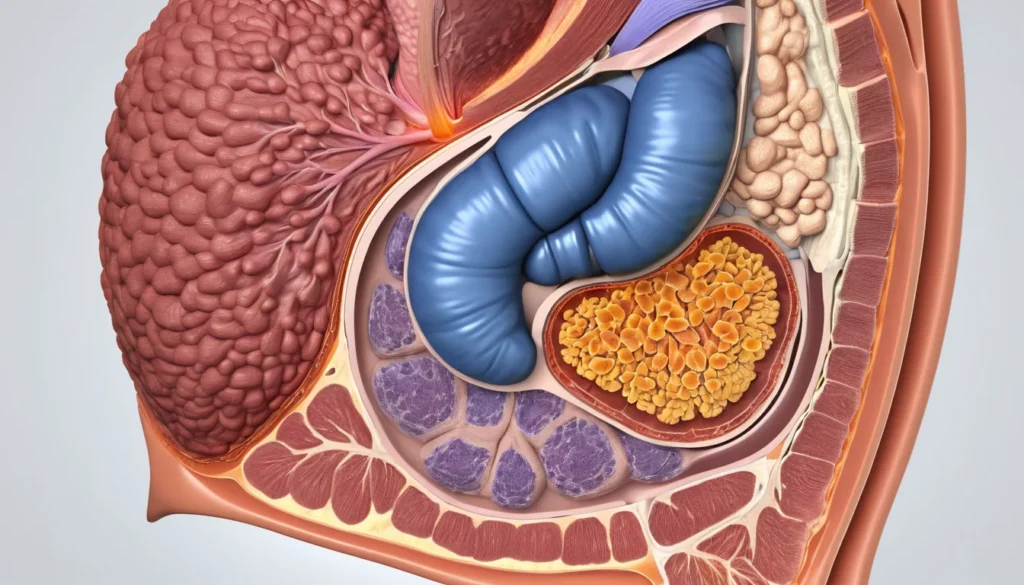
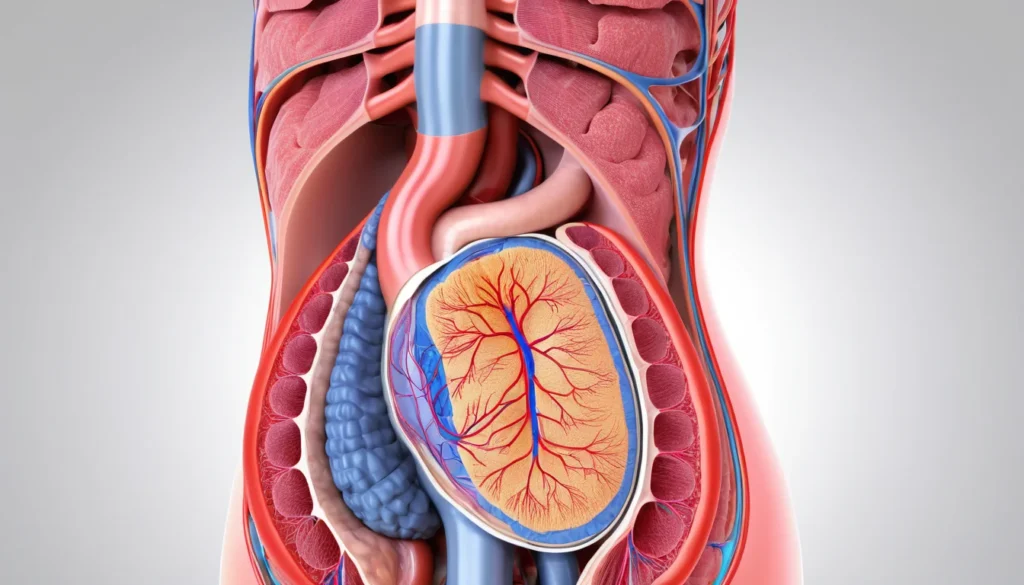
The pancreas sits behind your stomach, in front of your spine. It works as two systems in one organ.
The pancreas is a gland that sits behind your stomach. It does two important jobs: it makes digestive enzymes that break down …
The pancreas is a large gland behind your stomach. It helps digest food and controls blood sugar by producing insulin.
The pancreas is a gland that sits behind your stomach. It makes digestive enzymes and hormones like insulin.
A pancreatic cyst is an abnormal, fluid-filled sac that forms on or inside the pancreas. Most people feel alarmed when they first …
Your pancreas is a small but essential organ that keeps your whole body running. Pancreatic diseases — including pancreatitis, …
Your pancreas health plays a bigger role in your daily life than most people realize. This small organ, tucked behind your …
Steatorrhoea is the medical term for having too much fat in your stool. A small amount of fat in stool is normal.
Your intestinal lining works like a fine mesh screen. It allows nutrients to pass into your bloodstream while blocking harmful …
Placing a hand on your abdomen is almost a universal sign of feeling unwell — and for good reason.
Digestive bleeding does not always look the same. The appearance depends on where the bleeding is happening in your digestive …
The rectum is the final section of the large intestine, just above the anus. In a healthy body, strong muscles and ligaments hold …
You have probably heard of probiotics and prebiotics. But postbiotics are the newest player in gut health — and research suggests …
A polyp is an abnormal clump of tissue that grows out from the surface of a mucous membrane.
Colon polyps are extra tissue that grows along the wall of the large intestine. Doctors do not fully understand what causes them.
Your small intestine does most of the work when it comes to absorbing nutrients. It pulls vitamins, minerals, proteins, fats, and …
The word “ischemia” simply means a lack of adequate blood supply to a part of the body. Visceral ischemia — also called intestinal …
Gluten is a protein found in wheat, rye, and barley. It shows up in most grain-based foods we eat every day, including bread, …
Norovirus is a group of viruses that infect the stomach and intestines. Despite the nickname “stomach flu,” norovirus has nothing …
Diverticula are small, sac-like pouches that bulge outward through weak spots in the colon wall.
Gastroparesis is also called delayed gastric emptying or gastric atony. In a healthy digestive system, the stomach’s muscles …
Gastroenteritis is inflammation of the stomach and intestines. The word comes from “gastro” (stomach) and “enteritis” …
Your esophagus is a muscular tube about 25 centimetres long. It connects your mouth and throat to your stomach.
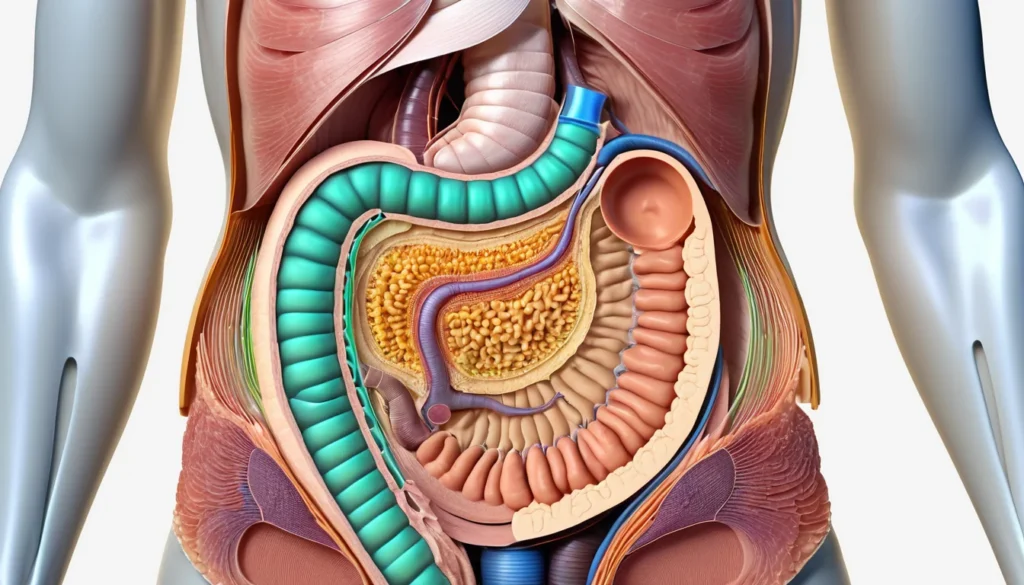
Your stomach sits surrounded by the liver, gallbladder, pancreas, intestines, and other structures.
Abdominal pain is very common, and most of the time it is not serious. However, acute abdominal pain — pain that comes on suddenly …
Dysentery is an infection of the intestines. It leads to diarrhoea that may contain blood, mucus, or pus.
Meckel’s diverticulum is a small, pouch-like sac on the wall of the small intestine (called the ileum).
Diverticulosis means you have small bulging pouches — called diverticula — in your large intestine.
Your large intestine (colon) can develop small, pouch-like bulges in its wall over time. Each individual pouch is called a …
You have likely heard the words prebiotics and probiotics before — but do you know how they work together?
These three digestive experiences are related, but they are not exactly the same thing. Understanding the difference helps you …
Digestive problems are conditions that affect any part of your gastrointestinal (GI) tract.
The colon is the last part of your digestive system. Its main job is to absorb water from digested food and move waste toward the …
Ulcerative colitis is one of the two most common forms of inflammatory bowel disease (IBD). The other is Crohn’s disease.
A colectomy is a surgical procedure to remove part or all of the large intestine, also called the colon.
IBD stands for inflammatory bowel disease. It is a term used to describe conditions that cause ongoing inflammation in the …
Inflammatory bowel disease is not the same as irritable bowel syndrome (IBS), though the two are often confused.
Diverticular disease is a group of conditions involving small, bulging pouches called diverticula.
A Crohn’s disease diet will not cure the condition, but it can make a real difference in how you feel every day.
Crohn’s disease belongs to a group of conditions called inflammatory bowel diseases. Unlike a stomach bug or food poisoning, it is …
Your digestive health affects nearly every part of your daily life. From the moment you eat, your body works hard to break down …
Aerophagia comes from the Greek words for “air” and “eating.” It happens when a person swallows excess air, usually during meals …
A ruptured spleen is a serious medical emergency that demands immediate attention, especially in time-sensitive trauma situations …
Peritonitis symptoms can escalate rapidly and require immediate emergency care — making early recognition potentially life-saving …
Mesenteric ischemia is a serious and potentially life-threatening condition that occurs when one or more of the arteries supplying …
Abdominal pain causes range from mild indigestion to serious medical emergencies, making it one of the most common reasons …
Abdominal bloating is one of the most common digestive complaints among Canadians, causing your belly to feel full, tight, or …
Peritonitis symptoms can appear suddenly and escalate into a life-threatening emergency if left untreated.
Appendicitis symptoms can appear suddenly and escalate quickly, making this condition the most common abdominal surgical emergency …
An appendectomy in Canada is one of the most common emergency surgeries performed each year, involving the surgical removal of the …
A colon cleanse is one of the most popular approaches to improving digestive health, and thousands of Canadians are turning to it …
Abdominal compartment syndrome is a rare but life-threatening medical emergency that requires immediate recognition and …
A bowel obstruction is a serious condition where a partial or complete blockage prevents food, fluid, and gas from passing through …
Abdominal cramps are one of the most common health complaints Canadians experience, affecting people of all ages at some point in …
Irritable bowel syndrome (IBS) is one of the most common digestive conditions in Canada, affecting millions of Canadians with …
The appendix function has puzzled doctors and scientists for generations — many once dismissed this small, finger-shaped pouch as …