Cancer
Breast Cancer Prevention: What Every Canadian Woman Should Know
The good news is that some of the most powerful tools for breast cancer prevention are already in your hands.
Evidence-based health articles researched by our editorial team and sourced from trusted Canadian and international health authorities.
The good news is that some of the most powerful tools for breast cancer prevention are already in your hands.
A promising new approach to breast cancer detection may one day use a simple strand of hair.
A preventive mastectomy is a surgery to remove one or both breasts before cancer develops. It is an option for women who have a …
A mastectomy is a surgery to remove all or part of the breast. Doctors use it to treat or prevent breast cancer.
New research suggests a clear link between fatty foods and breast cancer risk in women after menopause.
New research suggests that a high-fat diet and breast cancer risk are closely linked. A large study found that women who get more …
The early signs of breast cancer can be easy to miss, but catching them sooner can make a real difference.
Breast cancer begins in the cells that line the ducts or lobules of the breast. When these cells grow out of control, they can …
Your gallbladder is a small pouch located on the underside of your liver, in the upper right side of your abdomen.
Liver cancer occurs when malignant (cancerous) tumours form in the liver. These tumours can start directly in the liver, or they …
A gastrointestinal stromal tumour (GIST) is a rare type of cancer that grows in the walls of the digestive tract.
The gastrointestinal (GI) tract runs from your mouth all the way to your anus. It includes the esophagus, stomach, small …
Your stomach is a J-shaped organ in your upper abdomen. It stores food and helps break down nutrients like vitamins, minerals, …
The wall of the esophagus is made up of several layers of tissue. These layers include the mucous membrane, muscle tissue, and …
Most of us love soaking up the sun — especially after a long Canadian winter. However, too much sun exposure is one of the leading …
Understanding your skin cancer risk is one of the most important steps you can take for your health.
Melanoma gets its name from the word meaning “black tumour.” It starts in cells called melanocytes, which produce melanin — the …
Skin cancer begins when cells in the skin undergo changes that cause them to grow without stopping. As these cells multiply, they …
A skin biopsy is one of the most reliable tools doctors use to diagnose skin cancer and other skin conditions.
Could your morning coffee and a trip to the gym actually help protect your skin? New research suggests that combining caffeine and …
Melanoma develops in cells called melanocytes. These are the pigment-producing cells found in your skin.
Lynch syndrome was formerly known as hereditary non-polyposis colorectal cancer (HNPCC). Doctors now use the term Lynch syndrome …
Colorectal cancer begins in the large intestine, which includes the colon and the rectum. These are the final sections of your …
Colon cancer is a tumour that forms in the colon, which is part of your large intestine. When cancer affects the last section of …
The colon is the final section of your digestive tract. Like any tissue in the body, it can develop abnormal growths.
Cancer develops when cells grow abnormally and form a mass called a tumour. In colorectal cancer, these abnormal cells grow in the …
The anus is the final part of the large intestine, located just after the rectum. It is the opening through which stool leaves the …
Cancer screening means examining a person for early signs of cancer, even when they feel perfectly healthy.
Endometrial cancer is a cancer that starts in the endometrium. The endometrium is the thin layer of tissue that lines the inside …
Endometrial cancer is the most common cancer of the female reproductive system. It affects the inner lining of the uterus, known …
Vulvar intraepithelial neoplasia means that abnormal cells are growing within the skin of the vulva. The vulva is the outer part …
Cervical dysplasia means the cells lining the cervix have changed in an abnormal way. Doctors also call this condition cervical …
The testicles are two small, oval-shaped glands located in the scrotum, the pouch of skin below the penis.
A testicular self-exam is one of the simplest things a man can do to protect his health. Testicular cancer is the most common …
Penile cancer occurs when abnormal cells grow out of control in the penis. It is considered rare compared to other cancers, but it …
The uterus is a hollow, pear-shaped organ in a woman’s body. It is where a baby grows during pregnancy. The endometrium is the …
The prostate is a small gland in the male reproductive system. It is roughly the size of a walnut and sits just below the bladder, …
Ovarian cancer begins in the ovaries, the two small organs that produce eggs and hormones in women.
Ovarian cancer symptoms are often subtle, which is why this disease is sometimes called a “silent killer.” However, research shows …
Most of us have had a viral infection at some point — a sore throat, an upset stomach, or the common cold.
You have probably heard the saying: an apple a day keeps the doctor away. But could there be real science behind it?
A spinal tumour is a mass of abnormal cells that grows inside the spinal canal, within the spinal cord itself, or in the bones of …
The spine does much more than hold your body upright. It protects your spinal cord — a long bundle of nerve fibres that carries …
A tumour is any abnormal growth of cells in the body. Not all tumours are cancer. Benign tumours do not invade nearby tissue and …
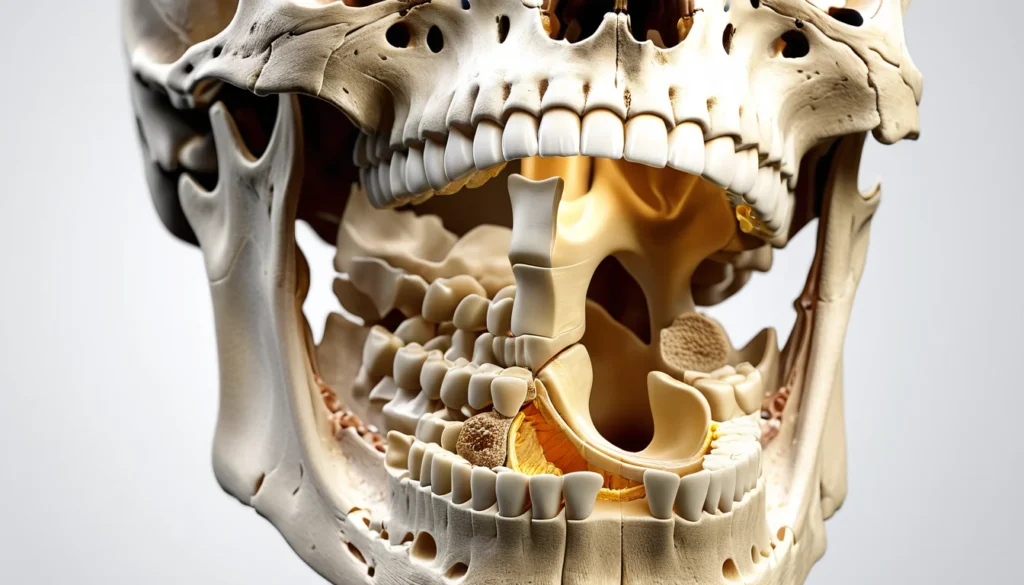
A jaw tumour is a mass of tissue caused by the abnormal, uncontrolled growth of cells in or around the mandible.
Gastrointestinal carcinoid tumours grow from special hormone-producing cells in the lining of the digestive tract.
In most cancers, doctors can trace the disease back to a single organ or tissue where it began.
A promising liver cancer treatment called Sorafenib (brand name Nexavar) has shown remarkable results in a major clinical study.
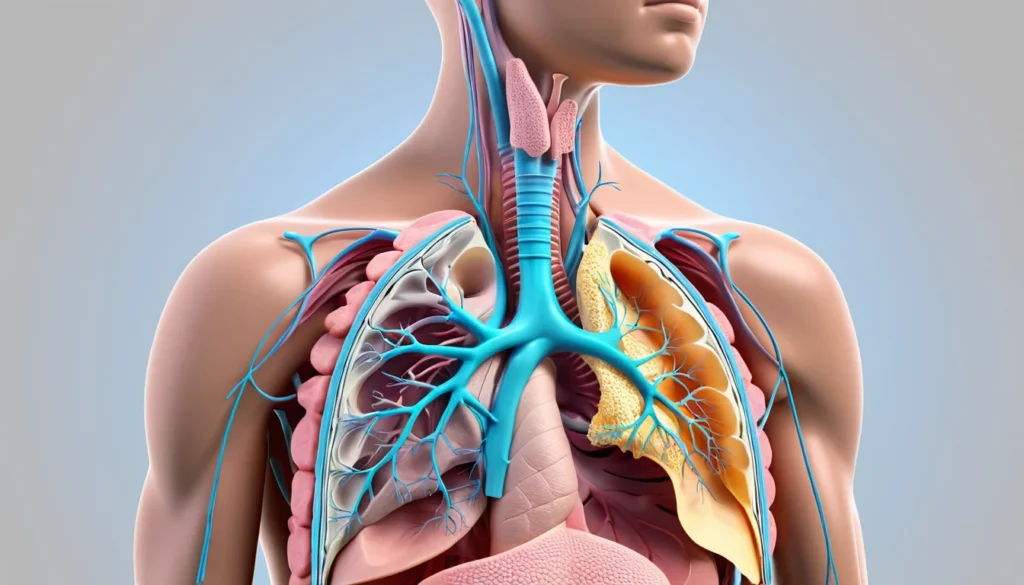
Lung cancer occurs when abnormal cells grow uncontrolled in the lungs. These cells can form tumours in the bronchial tubes (the …
A teratoma is a rare type of tumour that can contain different kinds of tissue — including hair, teeth, bone, or muscle.
Paraneoplastic syndrome is not a single disease. It is a collective term for a range of conditions that develop as a side effect …
A cancer diet is one of the most important — and often overlooked — parts of cancer care. What you eat during treatment can affect …
Radical prostatectomy is a surgical procedure that removes the entire prostate gland. The surgeon also removes both seminal …
Recognizing early cancer symptoms can make a real difference in your health outcomes. Cancer is not one single disease — it is a …
Your lungs sit inside a two-layered membrane called the pleura. Normally, a small amount of fluid keeps these layers moist and …
Osteosarcoma is a type of bone cancer that destroys healthy bone tissue as it grows. It most often appears near the knee — at the …
Nephrosclerosis — also called renal sclerosis or nephroangiosclerosis — refers to the hardening and thickening of the small …
Cancer begins in one part of the body. Over time, cancer cells can break away and travel through the bloodstream or lymphatic …
Your body has a network of vessels and nodes called the lymphatic system. This system moves a clear fluid called lymph through …
The main goal of chemotherapy is to destroy cancer cells. It does this by targeting cells that divide quickly — which is exactly …
Cancer pain has more than one cause. A tumour can press on bones, nerves, or nearby organs. This pressure creates pain that can …
Cancer pain is not the same for everyone. It can feel sharp and stabbing, like a sudden jolt.
When a doctor finds a tumour, it can feel frightening. However, not every tumour means cancer.
Your body is made up of trillions of cells. Normally, these cells grow, do their job, and then die in a controlled way.
Chemotherapy uses anti-cancer drugs to target cells that grow and divide quickly. Cancer cells divide much faster than most …
Cancer develops when certain cells in the body start dividing in an uncontrolled way. Normally, cells grow, divide, and die in an …
Tuberous sclerosis is a rare genetic disorder that triggers abnormal cell growth throughout the body.
Squamous cell carcinoma (SCC) is a form of skin cancer that starts in squamous cells. These are the thin, flat cells that make up …
Your kidneys are two bean-shaped organs, each about the size of a fist. They sit on either side of your spine, toward the back of …
Lung cancer happens when cells inside the lungs grow out of control. These abnormal cells form a tumour that looks and behaves …
Your lungs are two spongy organs sitting inside your chest, one on each side of your heart.
Lung cancer develops when cells in the lung tissue begin to grow and divide in an uncontrolled way.
The pancreas is an organ tucked behind the stomach. It does two important jobs. It makes digestive enzymes that break down food, …
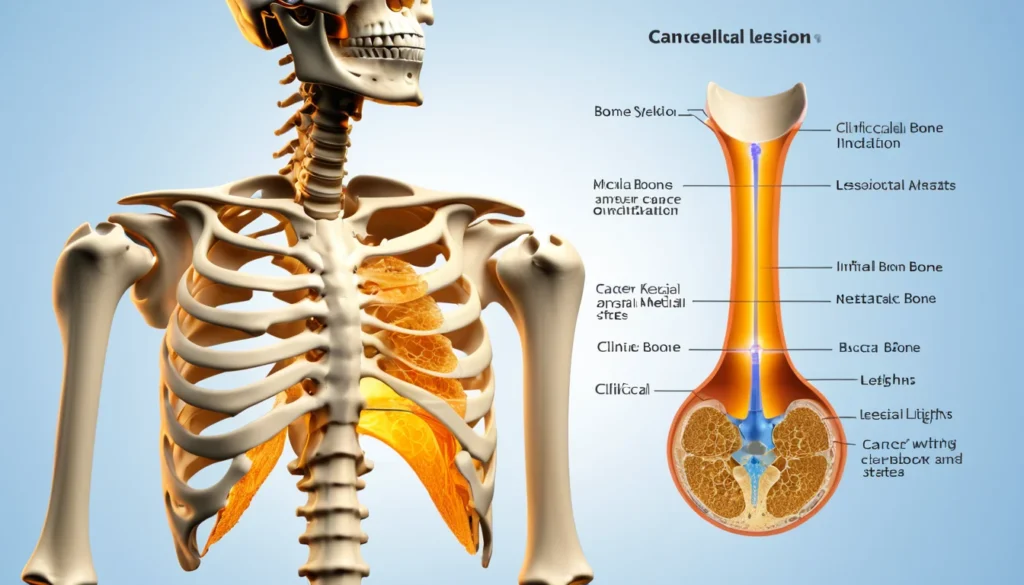
Primary bone cancer starts in the cells of the bone itself. It is relatively rare, with only a small number of new cases diagnosed …
Nasal cancer refers to any cancer that starts inside the nose. This includes the nasal vestibule — the area just inside the …
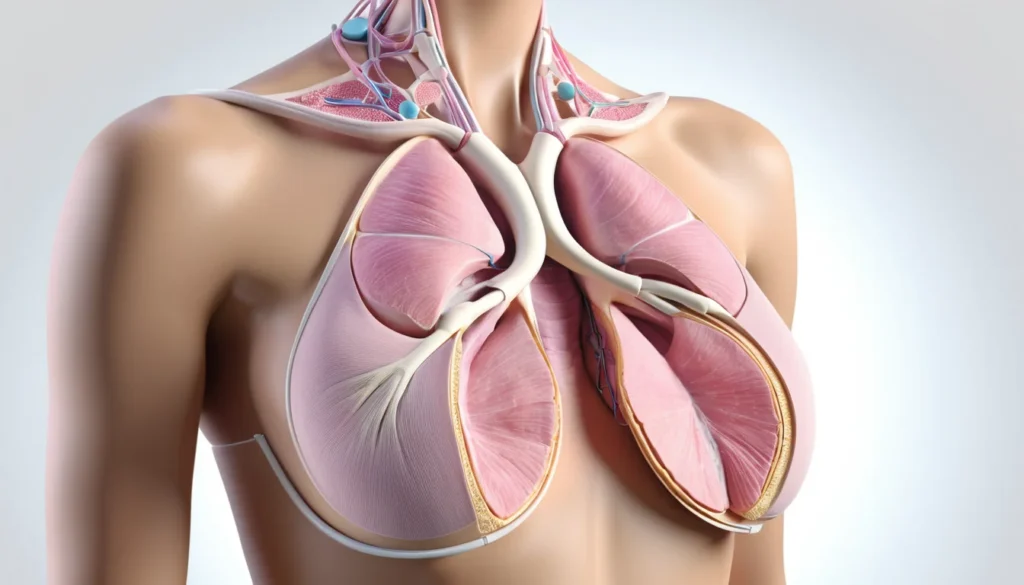
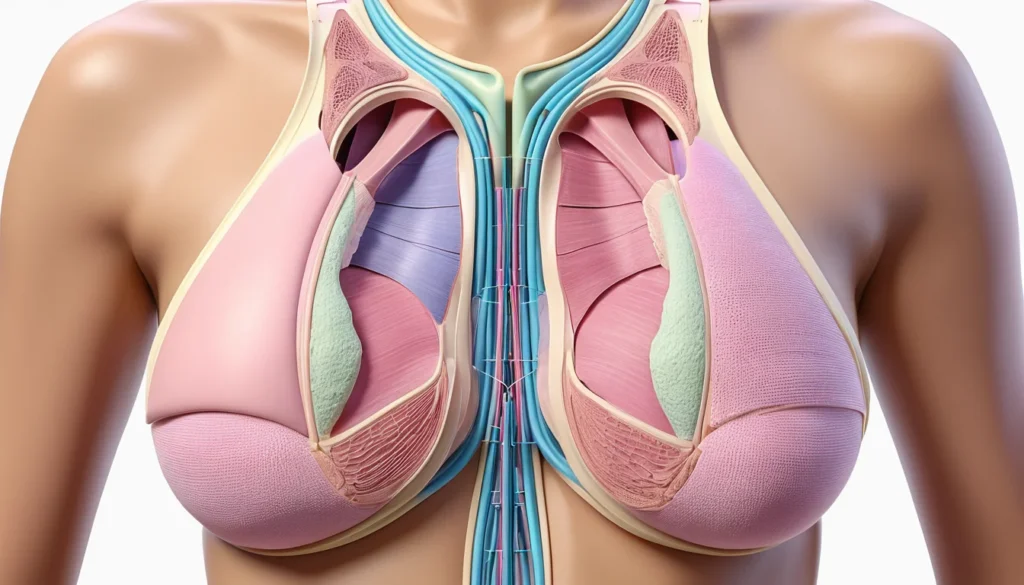
Breast cancer begins when cells in the breast grow in an uncontrolled way. Normally, the body signals old or damaged cells to die …
Many Canadians have questions about cancer risk factors — and it can be hard to separate fact from fiction.
Bladder cancer begins when cells lining the inside of the bladder develop changes in their DNA.
The bladder is a hollow, balloon-shaped organ in the lower abdomen. Its muscular walls expand when it stores urine and contract …
The stomach is a muscular, bag-like organ located in the upper middle part of your abdomen, just below your ribs.
A colon cancer diet plays a powerful role in both preventing and managing colorectal cancer.
The appendix is a small, finger-shaped pouch attached to the large intestine. It sits in the lower right side of your abdomen.
Your body has two adrenal glands, one on top of each kidney. These glands produce important hormones that help control blood …
Normally, your body’s cells grow, divide, and die in an orderly way. Cancer disrupts this process. Cells begin to multiply in an …
The small intestine is roughly six metres long and makes up more than 70% of the length of your digestive tract.
Brachytherapy is sometimes called internal radiation therapy. The word comes from the Greek word “brachy,” meaning short distance …
Von Hippel-Lindau disease — also called VHL disease or Hippel-Lindau syndrome — is a hereditary condition caused by a mutation in …
The warning signs of cancer in women are often easy to brush off as nothing serious. Bloating, fatigue, or a few extra pounds lost …
According to Health Canada, cancer is the leading cause of death in the country. About 1 in 2 Canadians will develop cancer in …