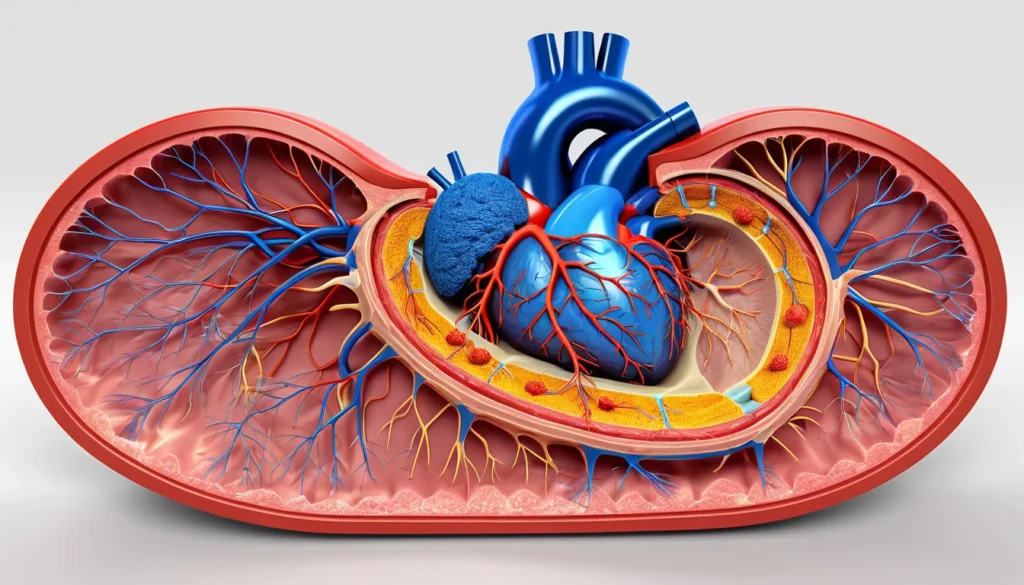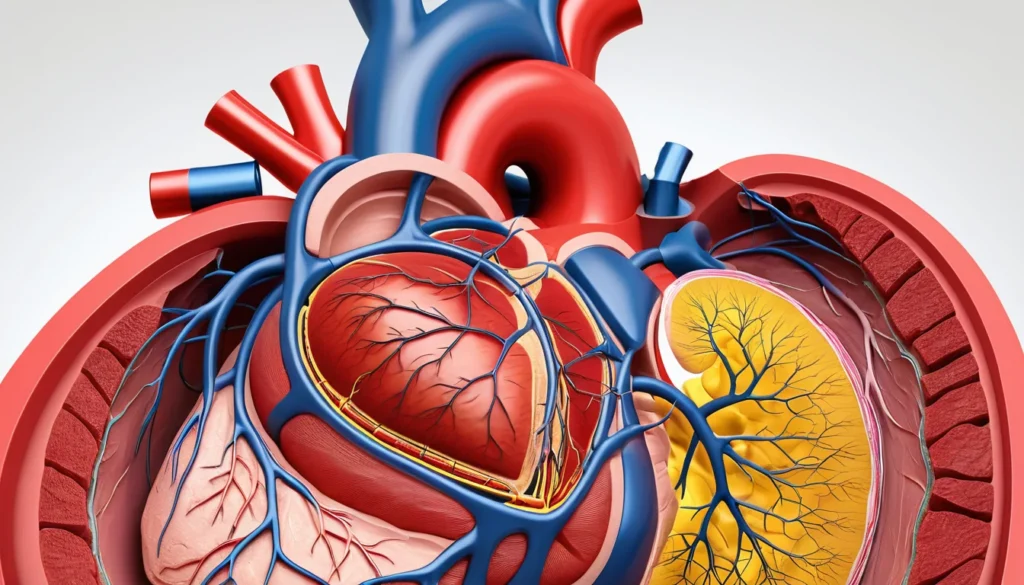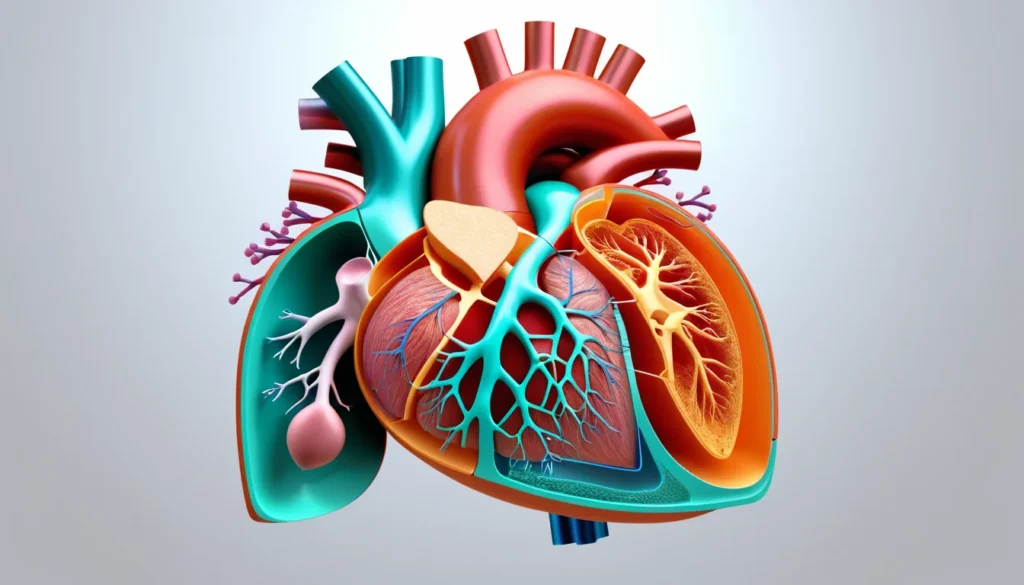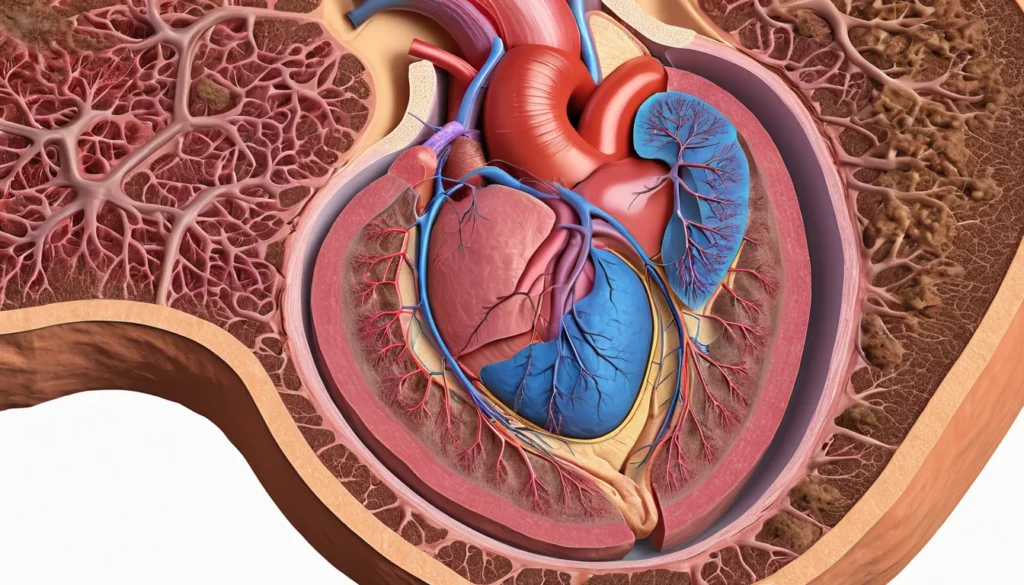
Carney complex is a rare inherited syndrome that causes tumours to grow in the heart, skin, and endocrine glands. It is passed down through families and can affect people of any age or sex. The condition can lead to serious heart complications, including stroke and heart failure. Understanding the symptoms and risks is the first step toward getting proper care.
What Is Carney Complex?
Carney complex is a genetic syndrome that belongs to a group of conditions called multiple neoplasia syndromes. It was first described as a distinct inherited condition in 1985, though combinations of its features had been reported earlier. The condition accounts for about 7% of all cardiac myxomas — tumours that grow inside the heart.
In the past, doctors grouped related conditions under names like LAMB syndrome and NAME syndrome. Today, these all fall under the broader label of Carney complex. It follows an autosomal dominant inheritance pattern. This means a child has a 50% chance of inheriting the condition if one parent carries the gene.
The condition involves a mutation in a gene called PRKAR1A. This gene normally acts as a tumour suppressor — it helps control how cells grow and divide. When this gene is altered, cells may grow in ways they should not. Researchers continue to study how this gene affects the heart and other organs.
Carney Complex Symptoms to Watch For
Symptoms of Carney complex vary widely between people. Some people have mostly heart-related symptoms, while others notice skin changes first. In some cases, the syndrome causes no obvious symptoms until a serious event — like a stroke — occurs.
Skin and Pigmentation Changes
One of the most visible signs of Carney complex is spotty pigmentation of the skin. These dark spots often appear on the face, lips, eyelids, and the whites of the eyes (called the sclera). They can also appear on mucous membranes, including the mouth and genitals.
Skin myxomas — small, benign tumours just under the skin — are also common. These can develop on the eyelids, ears, and nipples. However, they are usually harmless on their own. A family doctor or dermatologist can often identify these during a routine physical exam.
Systemic Symptoms
Some people with Carney complex experience general symptoms such as fever, joint pain, and fatigue. These symptoms can look similar to other conditions, including lupus. As a result, Carney complex is sometimes misdiagnosed or missed altogether. Researchers believe these symptoms may be caused by the tumour releasing an inflammatory protein called interleukin-6.
Heart Effects of Carney Complex
The heart-related effects of Carney complex are the most serious concern. Cardiac myxomas — tumours inside the heart — are the hallmark of this condition. Unlike sporadic myxomas, those linked to Carney complex can grow in any chamber of the heart, not just the left atrium.
These tumours can reach up to 1.8 centimetres in diameter. Although they are usually benign (non-cancerous), they can still cause major health problems. For example, a myxoma can block blood flow inside the heart, leading to heart failure. Pieces of the tumour can also break off and travel through the bloodstream, causing a stroke.
Risk of Recurrence After Surgery
Surgery to remove the tumour is the standard treatment. However, one of the most challenging aspects of Carney complex is that cardiac myxomas often grow back. They may also appear in new locations — both inside and outside the heart — after the initial surgery. Therefore, people with this condition need regular heart monitoring throughout their lives.
Multiple surgeries may be necessary over a person’s lifetime. This ongoing need for care can place a significant burden on patients and their families. If you or a family member has had a cardiac myxoma removed, ask your doctor whether genetic testing for Carney complex is appropriate. Health Canada provides resources on accessing specialist care across Canada.
Effects Outside the Heart
Carney complex affects more than just the heart. It can cause a wide range of problems in other parts of the body, particularly the endocrine system — the system of glands that produce hormones.
Endocrine and Hormonal Complications
One of the most well-known endocrine complications is a condition called primary pigmented nodular adrenocortical disease (PPNAD). This causes the adrenal glands to produce too much cortisol, leading to Cushing syndrome. Symptoms of Cushing syndrome include weight gain, high blood pressure, fatigue, and changes in mood or behaviour.
The thyroid and pituitary glands can also be affected. In some cases, the pituitary gland produces too much growth hormone, which can lead to a condition called acromegaly. This causes abnormal growth of the hands, feet, and facial features. Hormonal imbalances like these may be subtle at first, but they can worsen over time without treatment.
Tumours in Other Parts of the Body
In addition to the heart, myxomas can develop in the breasts, testes, thyroid, adrenal glands, and brain. Men with Carney complex may develop testicular tumours called large cell calcifying Sertoli cell tumours. These tumours can sometimes cause infertility. Other non-myxomatous tumours include psammomatous melanotic schwannomas and pituitary adenomas.
Although most of these tumours are benign, they can still cause harm through local tissue damage or by disrupting hormone production. Regular screening for these tumours is an important part of managing Carney complex. The Mayo Clinic offers detailed information on Carney complex diagnosis and management.
Who Is at Risk?
Carney complex affects men and women equally. This is different from sporadic cardiac myxomas, which are more common in middle-aged women. Because Carney complex is genetic, anyone with a parent or close relative who has the condition faces an elevated risk.
The condition can appear at any age. However, cardiac myxomas linked to Carney complex tend to appear earlier in life than sporadic myxomas. Genetic testing can identify the PRKAR1A mutation in family members who may not yet have symptoms. Early identification allows for earlier monitoring and intervention.
Possible Complications
Without proper monitoring and treatment, Carney complex can lead to serious complications. These include:
Stroke — caused by tumour fragments breaking off and blocking blood vessels in the brain
Heart failure — caused by a myxoma blocking a heart valve
Atrial arrhythmia — irregular heart rhythms caused by tumour activity
Sudden cardiac death — in severe, untreated cases
Recurrent myxomas — requiring multiple surgeries
Hormonal disorders — including Cushing syndrome and acromegaly
Infertility in men — due to testicular tumours
Furthermore, tumours in the brain or kidneys can cause additional complications through local spread. The full range of complications underscores why ongoing specialist care is so important for people living with Carney complex.
When to See a Doctor
If you have a family history of cardiac myxomas, unexplained skin pigmentation, or endocrine problems, speak with your family doctor as soon as possible. You do not need to wait for serious symptoms to appear. Early evaluation can make a significant difference in long-term outcomes.
Your family doctor can refer you to a cardiologist, geneticist, or endocrinologist depending on your symptoms. If you do not have a family doctor, a walk-in clinic can be a good starting point. The clinic can arrange initial tests and connect you with specialist services through your provincial health plan.
If you experience sudden chest pain, shortness of breath, fainting, or symptoms of a stroke — such as sudden weakness, confusion, or difficulty speaking — call 911 immediately or go to your nearest emergency department. These symptoms require urgent care. Healthline provides a helpful overview of Carney complex warning signs.
As always, please consult your doctor before making any decisions about your health. Only a qualified healthcare provider can give you a proper diagnosis and recommend the right treatment plan for your situation.
Frequently Asked Questions About Carney Complex
What causes Carney complex?
Carney complex is caused by a mutation in the PRKAR1A gene, which normally helps suppress tumour growth. It is inherited in an autosomal dominant pattern, meaning one copy of the altered gene is enough to cause the condition. In some cases, the mutation occurs for the first time in a person with no family history.
How is Carney complex diagnosed?
Doctors diagnose Carney complex based on a combination of clinical findings, family history, and genetic testing. Key features include cardiac myxomas, spotty skin pigmentation, and endocrine tumours. A cardiologist or geneticist will often lead the diagnostic process, which may include an echocardiogram and blood hormone tests.
Is Carney complex the same as Carney syndrome?
Yes, Carney complex and Carney syndrome refer to the same condition. The terms are used interchangeably in medical literature. Both describe the same inherited syndrome involving cardiac myxomas, skin pigmentation, and endocrine abnormalities.
Can cardiac myxomas from Carney complex come back after surgery?
Yes, cardiac myxomas associated with Carney complex have a high rate of recurrence compared to sporadic myxomas. They can regrow in the same location or appear in entirely new areas of the heart or body. This is why lifelong cardiac monitoring is essential for anyone with this condition.
Does Carney complex affect life expectancy?
Carney complex can reduce life expectancy if complications like stroke, heart failure, or malignant tumours are not managed promptly. However, with regular monitoring and early treatment, many people with Carney complex live full lives. Working closely with a specialist team through your provincial health plan is the best approach.
Is Carney complex common in Canada?
Carney complex is considered a rare condition worldwide, including in Canada. Fewer than 750 cases have been reported in medical literature globally. Because it is rare, it is sometimes missed or misdiagnosed, which is why awareness among both patients and healthcare providers is so important.
Key Takeaways
Carney complex is a rare inherited condition that causes tumours in the heart, skin, and endocrine glands.
It is caused by a mutation in the PRKAR1A gene and follows an autosomal dominant inheritance pattern.
Cardiac myxomas linked to Carney complex can cause stroke, heart failure, and arrhythmia.
Unlike sporadic myxomas, those from Carney complex frequently recur after surgery and can appear in multiple locations.
The condition also affects the skin, adrenal glands, thyroid, pituitary, and testes.
Both men and women are equally affected, and symptoms can appear at any age.
If you have a family history of this condition, speak with your family doctor or visit a walk-in clinic to discuss genetic testing and referrals available under your provincial health plan.
Always consult a qualified healthcare provider for a proper diagnosis and personalised treatment plan.