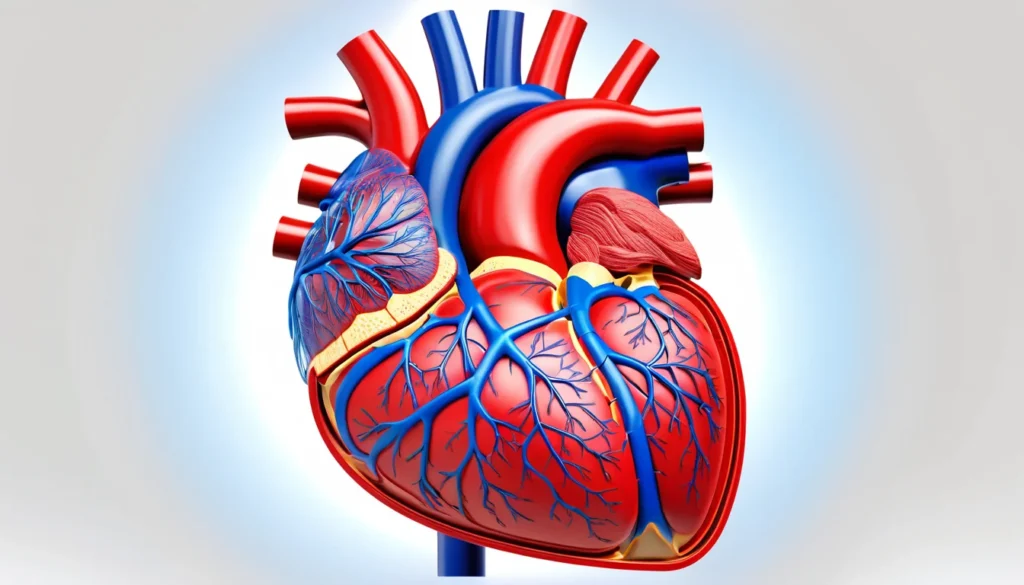
Cardiovascular disease is the leading cause of death worldwide — and Canada is no exception. It is an umbrella term for conditions that affect your heart and blood vessels. These include heart attacks, strokes, high blood pressure, and more. Understanding this group of diseases is one of the most important steps you can take for your long-term health.
What Is Cardiovascular Disease?
Cardiovascular disease (CVD) refers to a wide range of conditions that affect the heart and blood vessels. The most common types include ischemic heart disease, cerebrovascular disease, high blood pressure (hypertension), and peripheral arterial disease.
Other forms of cardiovascular disease include myocarditis, which is inflammation of the heart muscle often linked to rheumatic fever, and congenital heart disease, which involves heart defects present from birth. CVD is closely associated with heart attacks, angina (chest pain), and strokes.
According to the World Health Organization’s cardiovascular disease resources, CVD accounts for roughly one-third of all deaths globally — more than cancer, chronic respiratory disease, and diabetes combined.
The Impact of Cardiovascular Disease in Canada and the World
Cardiovascular disease causes approximately 17 million deaths every year around the world. Statistically, a death from CVD occurs every two seconds. A heart attack happens every five seconds. A stroke occurs every six seconds.
Of the 17.5 million CVD deaths recorded in a single year, an estimated 7.6 million were caused by ischemic heart disease. Another 5.7 million were caused by strokes. These are staggering numbers that underscore why heart health must be taken seriously.
CVD does not only cause death. It is also a major cause of long-term disability. Of the 10 million people who survive a stroke each year worldwide, more than 5 million are left with permanent disabilities. This places enormous pressure on families, communities, and healthcare systems — including Canada’s provincial health plans.
In addition to the human cost, CVD carries a massive economic burden. Reduced productivity, long-term care needs, and hospitalizations all add up. Reducing CVD rates would benefit not just individuals, but the broader Canadian healthcare system as a whole.
What Causes Cardiovascular Disease?
Most heart attacks and strokes are caused by a process called atherosclerosis. This is the gradual build-up of fatty material — such as cholesterol, platelets, and cellular waste — on the inner walls of blood vessels. Over time, these deposits form plaques.
As plaques grow larger, they narrow the arteries. This limits how much blood can flow through. The arteries can also become stiff and lose their flexibility. When the heart or brain does not receive enough blood, serious problems can follow.
Reduced blood flow caused by atherosclerosis can lead to angina, or chest pain. More severe blockages can trigger a full heart attack or stroke. In some cases, a plaque can rupture and form a blood clot. That clot can completely block a blood vessel, cutting off oxygen to the heart or brain.
For a deeper look at how these processes work, visit Mayo Clinic’s guide to atherosclerosis.
Signs and Symptoms to Watch For
One of the most dangerous facts about cardiovascular disease is that it often has no symptoms until a serious event occurs. For many people, the first sign of CVD is a heart attack or stroke. This makes awareness and prevention especially important.
Heart Attack Symptoms
The most common symptoms of a heart attack include pain or discomfort in the centre of the chest. This feeling may also spread to the arms, left shoulder, elbows, jaw, or back. Do not ignore these warning signs.
Other heart attack symptoms include:
Shortness of breath or difficulty breathing
Nausea or vomiting
Feeling faint or losing consciousness
Cold sweats
Unusual paleness
Stroke Symptoms
The most recognisable stroke symptom is sudden weakness on one side of the face or body. Symptoms often come on very quickly. Think of the acronym FAST: Face drooping, Arm weakness, Speech difficulty, Time to call 911.
Other stroke symptoms include:
Sudden confusion or trouble understanding speech
Vision problems in one or both eyes
Trouble walking, dizziness, or loss of balance
A sudden, severe headache with no clear cause
Loss of consciousness
If you or someone near you experiences any of these symptoms, call 911 immediately. Time is critical during both a heart attack and a stroke.
Types of Cardiovascular Disease
CVD covers several distinct conditions. Knowing the differences can help you understand your own risk and symptoms.
Ischemic Heart Disease
Ischemic heart disease affects the blood vessels that supply the heart. It is the most common form of cardiovascular disease. It can cause heart attacks, angina, and certain irregular heartbeats (arrhythmias).
Cerebrovascular Disease
Cerebrovascular disease affects the blood vessels that supply the brain. This includes strokes, where brain cells die due to lack of blood flow, and transient ischemic attacks (TIAs). A TIA causes temporary changes in vision, speech, sensation, or movement. It is sometimes called a “mini-stroke” and should be treated as a medical emergency.
Peripheral Arterial Disease
Peripheral arterial disease (PAD) affects the blood vessels that supply the arms and legs. The most common symptom is cramping or pain in the leg muscles during physical activity. The pain usually stops with rest.
Risk Factors for Cardiovascular Disease
CVD risk factors fall into two main categories: modifiable (things you can change) and non-modifiable (things you cannot change). The good news is that modifiable risk factors account for roughly 80% of ischemic heart disease and stroke cases. That means most CVD is preventable.
Modifiable Risk Factors
These are factors you can take action on:
High blood pressure (hypertension): One of the most significant risk factors for both heart attack and stroke.
High cholesterol: Excess cholesterol in the blood accelerates plaque build-up in arteries.
Tobacco use: Smoking damages blood vessel walls and speeds up atherosclerosis.
Physical inactivity: A sedentary lifestyle increases your risk significantly.
Unhealthy diet: Diets high in saturated fat, salt, and sugar raise blood pressure and cholesterol.
Obesity: Excess body weight strains the heart and raises blood pressure.
Diabetes: High blood sugar damages blood vessels over time.
Harmful alcohol use: Heavy drinking raises blood pressure and can weaken the heart muscle.
Non-Modifiable Risk Factors
These are factors you cannot change, but should be aware of:
Age: Risk increases significantly after age 55 for women and 45 for men.
Family history: A close relative with CVD raises your own risk.
Sex: Men tend to develop CVD earlier than women, though women’s risk increases after menopause.
Ethnicity: Some groups, including South Asian and Black Canadians, face higher rates of hypertension and CVD.
Learning more about your personal risk is a great starting point. Health Canada’s cardiovascular disease information offers clear guidance for Canadians.
When to See a Doctor
If you experience any chest pain, sudden weakness, speech problems, or severe headache, call 911 right away. Do not drive yourself to hospital. These symptoms can signal a heart attack or stroke, both of which require immediate treatment.
For ongoing heart health concerns, start by speaking with your family doctor. Your doctor can order blood pressure checks, cholesterol tests, and other screenings that are often covered under your provincial health plan. If you do not have a family doctor, a walk-in clinic can help with initial assessments and referrals.
Even if you feel healthy, regular check-ups matter. Cardiovascular disease often develops silently. Catching risk factors early — like high blood pressure or elevated cholesterol — gives you the best chance of preventing a serious event.
Always speak with a qualified healthcare provider before making significant changes to your diet, exercise routine, or medications. This article is for general information only and does not replace professional medical advice.
Frequently Asked Questions About Cardiovascular Disease
What is the most common type of cardiovascular disease in Canada?
Ischemic heart disease is the most common form of cardiovascular disease in Canada. It occurs when the blood vessels supplying the heart become narrowed or blocked, often leading to chest pain or a heart attack. High blood pressure and high cholesterol are the leading contributors.
Can cardiovascular disease be prevented?
Yes, most cases of cardiovascular disease can be prevented or delayed through healthy lifestyle choices. Quitting smoking, eating a heart-healthy diet, staying active, and managing blood pressure and cholesterol all make a significant difference. Talk to your family doctor about a prevention plan that works for you.
What are the early warning signs of cardiovascular disease?
Unfortunately, cardiovascular disease often has no symptoms in its early stages. When symptoms do appear, they may include chest pain, shortness of breath, fatigue, or swelling in the legs. Regular check-ups with your doctor are the best way to catch risk factors before they become serious.
Is cardiovascular disease hereditary?
Family history does play a role in cardiovascular disease risk. If a parent or sibling developed heart disease at a young age, your own risk is higher. However, having a family history does not mean CVD is inevitable — lifestyle changes can significantly lower your risk.
How is cardiovascular disease diagnosed in Canada?
Your family doctor can begin the diagnostic process with blood pressure readings, blood tests for cholesterol and blood sugar, and an electrocardiogram (ECG). More advanced testing, such as stress tests or imaging, may be arranged through a specialist referral covered by your provincial health plan.
What is the difference between a heart attack and a stroke?
Both are serious cardiovascular disease events, but they affect different organs. A heart attack occurs when blood flow to the heart is blocked. A stroke occurs when blood flow to the brain is cut off or a blood vessel in the brain bursts. Both are medical emergencies — call 911 immediately if you suspect either.
Key Takeaways
Cardiovascular disease is the number one cause of death worldwide, including in Canada.
CVD includes heart attacks, strokes, high blood pressure, and peripheral arterial disease.
Atherosclerosis — the build-up of fatty plaques in arteries — is the main underlying cause of most heart attacks and strokes.
CVD often has no symptoms early on. Regular screening with your family doctor is essential.
About 80% of CVD cases are linked to modifiable risk factors like smoking, poor diet, inactivity, and high blood pressure.
If you experience chest pain, sudden weakness, or speech problems, call 911 immediately.
Prevention is possible. Small, consistent lifestyle changes protect your heart over the long term.
Speak with your family doctor or visit a walk-in clinic to understand your personal CVD risk and get screened.