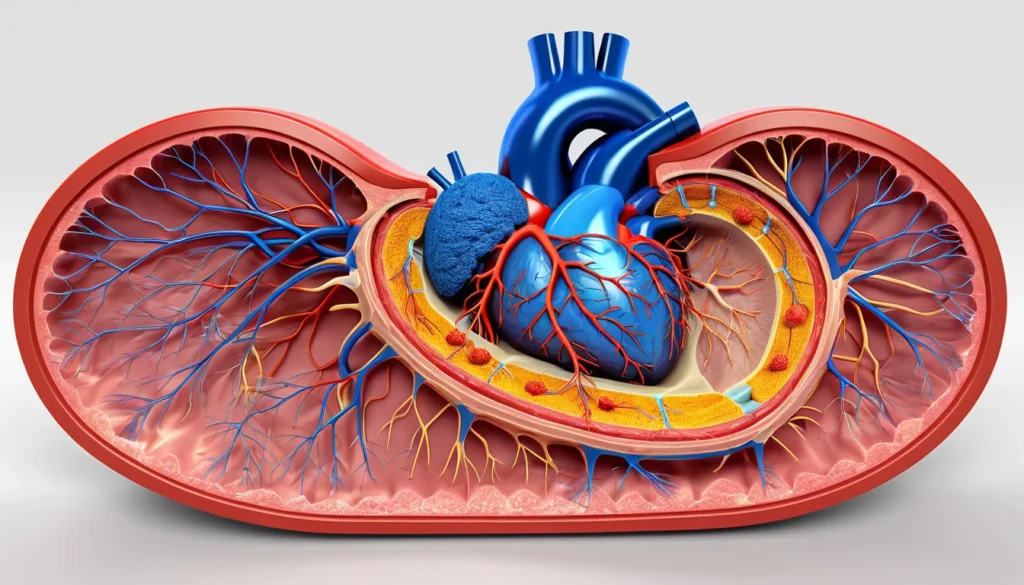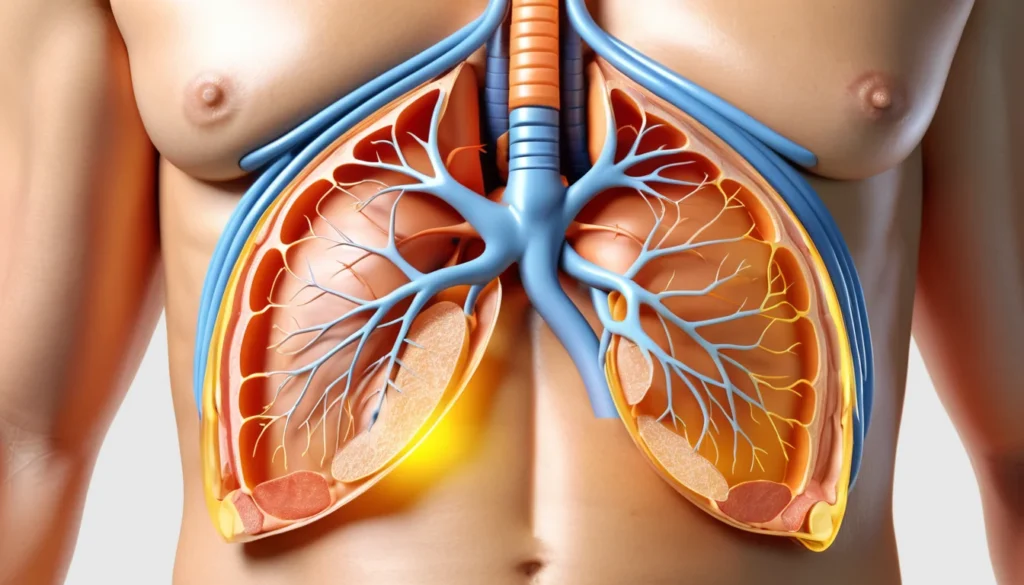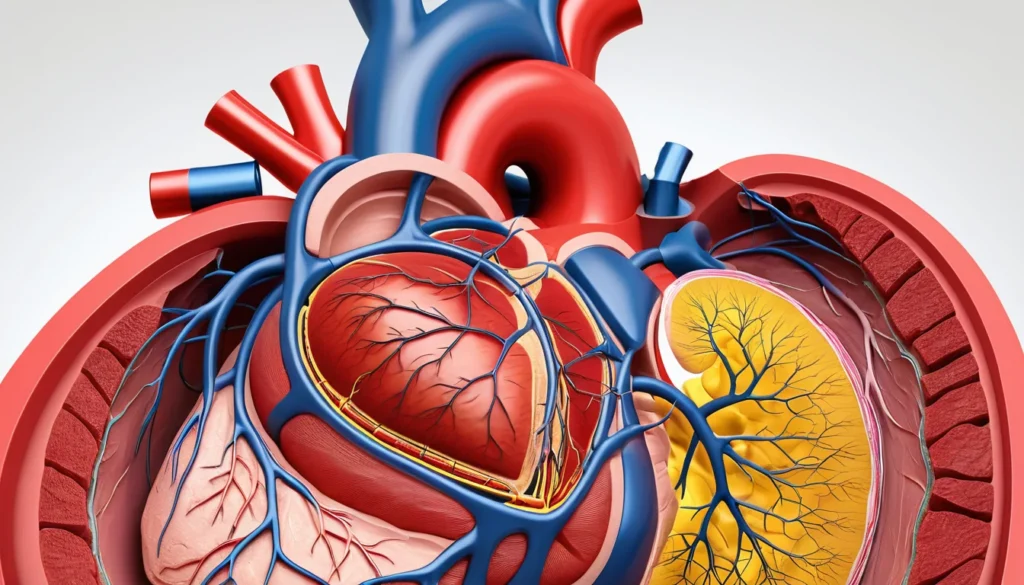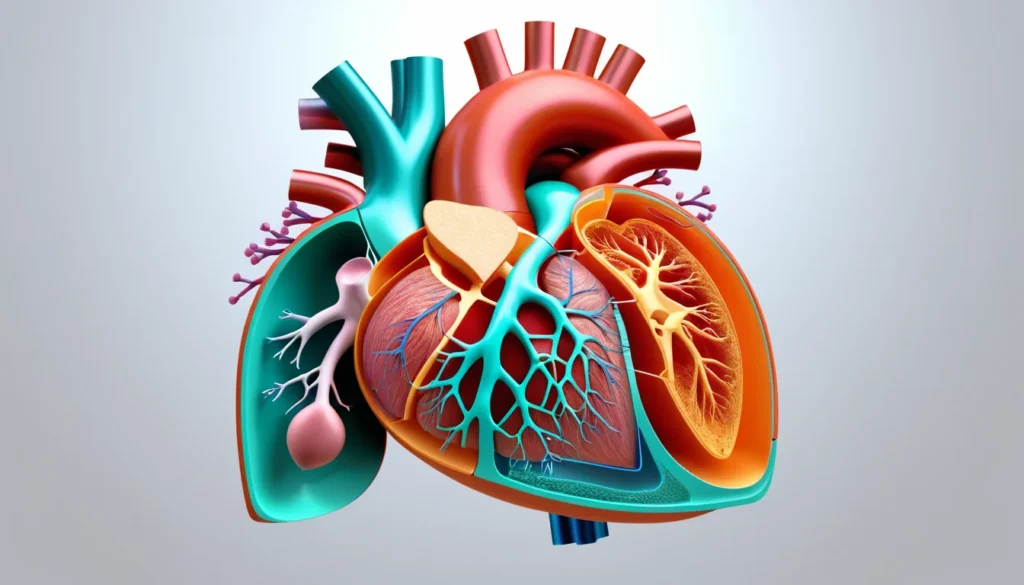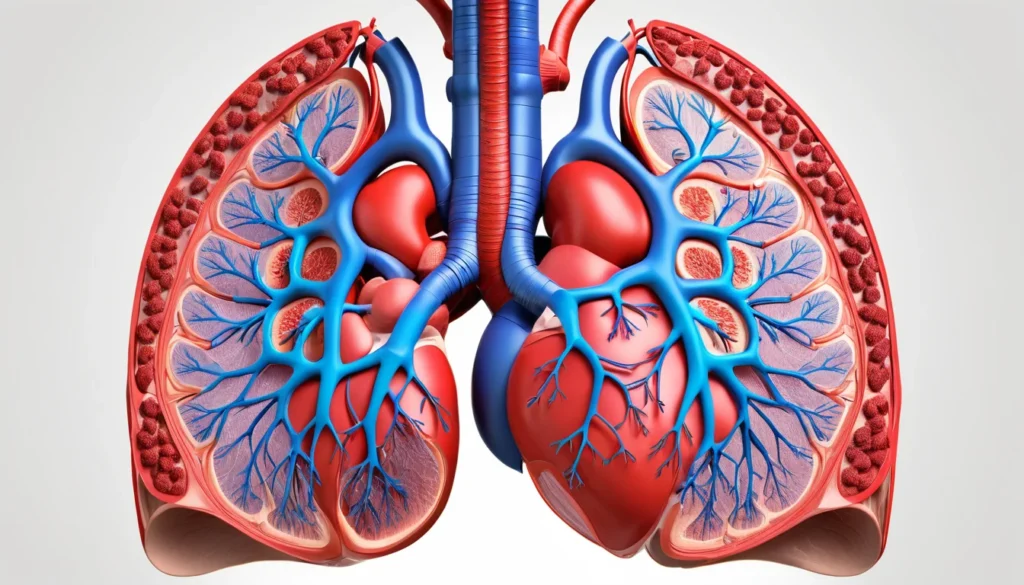
Cardiopulmonary disease is a medical term that covers a wide range of serious conditions affecting both the heart and the lungs. These two organs work closely together, so when one is struggling, the other often suffers as well. In Canada, conditions like high blood pressure, stroke, and coronary artery disease are among the most common and most preventable forms of cardiopulmonary disease. Understanding the symptoms, causes, and treatment options can help you protect your health and know when to seek care.
What Is Cardiopulmonary Disease?
Cardiopulmonary disease refers to a group of conditions that affect the heart and lungs together. Because these organs are so closely linked, a problem with one can quickly affect the other. For example, coronary artery disease can make it harder for the heart to pump blood efficiently, which means the lungs may not receive enough oxygen.
This close relationship can trigger a chain reaction in the body. As a result, complications can develop quickly — especially in people who already have other health conditions. Without proper treatment, many forms of cardiopulmonary disease can become life-threatening.
Treatment options vary depending on the specific condition. They can include lifestyle changes, prescription medications, or surgery. The good news is that many risk factors are manageable with the right support from your healthcare team.
Common Types of Cardiopulmonary Disease
There are several well-known types of cardiopulmonary disease. Each one affects the heart and lungs in different ways. Here is a look at the most common ones Canadians should know about.
High Blood Pressure (Hypertension)
High blood pressure is one of the most widespread cardiopulmonary conditions in Canada. It develops when the force of blood against the artery walls stays too high over time. Common causes include kidney disease, damaged blood vessels, and certain medications.
Many people with high blood pressure feel no symptoms at all. However, some experience headaches, dizziness, or nosebleeds. Treatment usually involves dietary changes and prescription medication, guided by your family doctor. Health Canada offers resources to help Canadians understand and manage high blood pressure.
Chronic Obstructive Pulmonary Disease (COPD)
COPD makes it difficult to breathe and puts extra strain on the heart over time. When the lungs cannot work efficiently, the heart has to work much harder to deliver oxygen to the body. This added stress can lead to serious heart problems if COPD is left unmanaged.
People with COPD often notice shortness of breath during everyday activities. Furthermore, they may experience a chronic cough and frequent respiratory infections. Early diagnosis and treatment are key to slowing the progression of this disease.
Stroke
A stroke can sometimes be caused by underlying cardiopulmonary disease. It occurs when blood flow and oxygen supply to the brain are suddenly interrupted. This is a medical emergency that requires immediate attention.
Symptoms of a stroke include sudden weakness or numbness, often on one side of the body. In addition, a person may experience vision problems, a severe headache, or confusion. If you or someone nearby shows these signs, call 911 right away. Surgery may be needed to remove blockages in the blood vessels.
Coronary Artery Disease
Coronary artery disease develops when the small blood vessels that supply the heart become narrowed or blocked. As a result, the heart does not receive enough blood and oxygen to function properly. Symptoms can include shortness of breath and chest pain, especially during physical activity.
If left untreated, coronary artery disease can lead to a heart attack or even death. Treatment may involve prescription medications, lifestyle changes, or surgical procedures such as a stent or bypass surgery. According to the World Health Organization, cardiovascular diseases are the leading cause of death globally — making early action critical.
Rheumatic Heart Disease
Rheumatic heart disease is another condition that can contribute to cardiopulmonary disease. It develops as a complication of untreated strep throat infection. The infection triggers inflammation that can permanently damage the heart valves.
Treatment begins with prescription antibiotics to clear the infection. In some cases, long-term medication may be needed to prevent future episodes. Your family doctor can assess your risk and recommend the right course of action.
Other Causes of Cardiopulmonary Disease
Several other medical conditions can also lead to cardiopulmonary disease. Some of these are complex structural problems, while others develop gradually over time. Your doctor may investigate these possibilities if your symptoms do not clearly point to a common diagnosis.
Other known causes include:
Congestive heart failure — the heart cannot pump blood as well as it should
Pulmonary embolism — a blood clot blocks an artery in the lungs
Pericarditis — inflammation of the sac surrounding the heart
Aortic stenosis — narrowing of the heart’s aortic valve
Mitral stenosis — narrowing of the mitral valve between heart chambers
Aortic regurgitation — the aortic valve leaks blood back into the heart
Mitral regurgitation — the mitral valve does not close properly
Coarctation of the aorta — a narrowing of the body’s main artery
Tetralogy of Fallot — a combination of four heart defects present at birth
Pneumoconiosis — lung disease caused by breathing in dust particles
Bronchiectasis — permanent widening and scarring of the airways
Symptoms of Cardiopulmonary Disease
The symptoms of cardiopulmonary disease can vary widely depending on which condition is involved. However, there are several common warning signs that should never be ignored. Recognising these symptoms early can make a significant difference in outcomes.
Common symptoms include:
Shortness of breath or difficulty breathing
Chest pain or tightness, especially after physical effort
Chest pain that spreads to the jaw or arms
Dizziness or lightheadedness
Bluish colouring of the lips or fingertips (cyanosis)
High blood pressure readings
Wheezing or noisy breathing
Sudden sweating without a clear cause
Anxiety, nausea, or vomiting
Over time, these symptoms may worsen if the underlying condition is not treated. In addition, cardiopulmonary disease can cause inflammation that narrows both the airways and the coronary arteries. This can lead to serious infections and further complications.
How Is Cardiopulmonary Disease Diagnosed?
If your doctor suspects cardiopulmonary disease, they will likely order a series of tests to check how well your heart and lungs are functioning. These tests help build a clear picture of your health and guide treatment decisions. The sooner a diagnosis is made, the sooner treatment can begin.
Common diagnostic tests include:
Echocardiogram — uses sound waves to create images of the heart
Stress test — measures how your heart performs during physical activity
Holter monitor test — records your heart’s rhythm over 24 to 48 hours
Pulmonary function tests — measure how much air your lungs can hold and move
Electroencephalogram (EEG) — monitors brain activity, sometimes used after a stroke
Medical imaging — X-rays, CT scans, or MRIs to view the heart and lungs
These investigations help your healthcare provider assess current function and gather the information needed for an accurate diagnosis. Your specialist may recommend additional tests based on your specific symptoms and medical history.
Treatment and Prevention of Cardiopulmonary Disease
The good news about cardiopulmonary disease is that many forms can be managed effectively — and some can even be prevented. Treatment depends on the specific diagnosis, but there are several approaches that are widely used across Canada. Working with your healthcare team is the most important step you can take.
Lifestyle Changes
Simple changes to your daily habits can make a big difference. Eating a heart-healthy diet rich in fibre, fruits, and vegetables supports both heart and lung health. Regular physical activity, maintaining a healthy body weight, and quitting smoking are also strongly recommended.
Managing stress is another important part of the picture. Chronic stress raises blood pressure and strains the heart over time. Therefore, incorporating stress-reduction techniques — such as walking, meditation, or connecting with others — can support your overall health.
Medications
Many people with cardiopulmonary disease require prescription medications to manage their condition. These may include blood pressure medications, blood thinners, cholesterol-lowering drugs, or antibiotics (in the case of rheumatic heart disease). Your family doctor or cardiologist will tailor the medication plan to your specific needs.
It is important to take medications exactly as prescribed and to report any side effects to your doctor. Never stop taking a prescribed medication without speaking to a healthcare provider first.
Surgery and Cardiac Rehabilitation
In more serious cases, surgery may be necessary. This can include procedures such as heart valve replacement, coronary bypass surgery, or stent placement. After a major cardiac or respiratory event, your doctor may refer you to a cardiac rehabilitation programme.
Cardiac rehabilitation is a supervised programme that combines exercise, education, and lifestyle support. It helps patients recover safely and reduce the risk of future events. Many provincial health plans in Canada cover cardiac rehabilitation — ask your family doctor for a referral. Mayo Clinic’s guide to heart disease also provides helpful information on recovery and rehabilitation options.
When to See a Doctor
You should speak with your family doctor if you notice any persistent symptoms such as shortness of breath, chest discomfort, or unusual fatigue. Do not wait to see if symptoms improve on their own — early detection of cardiopulmonary disease leads to better outcomes. If you do not have a family doctor, a walk-in clinic can help assess your symptoms and refer you for further testing.
Call 911 immediately if you experience sudden chest pain, difficulty breathing, or stroke-like symptoms such as facial drooping, arm weakness, or slurred speech. These are medical emergencies that require urgent care. Time is critical when it comes to heart attacks and strokes.
Routine check-ups with your family doctor are also important, even when you feel well. Many forms of cardiopulmonary disease develop silently over time. Regular blood pressure checks and cholesterol screenings — often covered under provincial health plans — can catch problems before they become serious.
Frequently Asked Questions About Cardiopulmonary Disease
What is the difference between cardiovascular disease and cardiopulmonary disease?
Cardiovascular disease refers specifically to conditions affecting the heart and blood vessels. Cardiopulmonary disease is a broader term that includes conditions affecting both the heart and the lungs. Because the two organs work so closely together, problems in one often impact the other.
What are the early warning signs of cardiopulmonary disease?
Early signs of cardiopulmonary disease can include shortness of breath, unexplained fatigue, mild chest discomfort, and occasional dizziness. High blood pressure is also a common early indicator that often has no obvious symptoms. If you notice any of these signs, speak with your family doctor as soon as possible.
Can cardiopulmonary disease be prevented?
Many cases of cardiopulmonary disease can be prevented or delayed through healthy lifestyle choices. Eating a balanced diet high in fibre, staying physically active, not smoking, and managing stress all reduce your risk significantly. Regular check-ups with your family doctor also help catch risk factors early.
Is cardiopulmonary disease covered under provincial health plans in Canada?
Most diagnostic tests, doctor visits, and hospital care related to cardiopulmonary disease are covered under provincial and territorial health plans in Canada. Some medications and cardiac rehabilitation programmes may also be covered, depending on your province. Check with your provincial health authority or family doctor for details specific to your situation.
How is cardiopulmonary disease treated?
Treatment for cardiopulmonary disease depends on the specific condition and its severity. Options commonly include lifestyle changes, prescription medications, and in some cases, surgery or a cardiac rehabilitation programme. Your family doctor or a specialist such as a cardiologist or respirologist will create a personalised treatment plan for you.
When should I go to the emergency room for cardiopulmonary symptoms?
Call 911 or go to your nearest emergency room immediately if you experience sudden chest pain, severe shortness of breath, or stroke symptoms such as facial drooping or arm weakness. These can be signs of a heart attack or stroke, both of which are life-threatening emergencies. Do not drive yourself — call for emergency help right away.
Key Takeaways
Cardiopulmonary disease affects both the heart and the lungs, and the two organs are closely connected. The most common types in Canada include high blood pressure, coronary artery disease, COPD, and stroke. Symptoms can include chest pain, shortness of breath, dizziness, and bluish colouring of the skin. Diagnosis involves tests such as echocardiograms, stress tests, Holter monitors, and pulmonary function tests. Treatment options include lifestyle