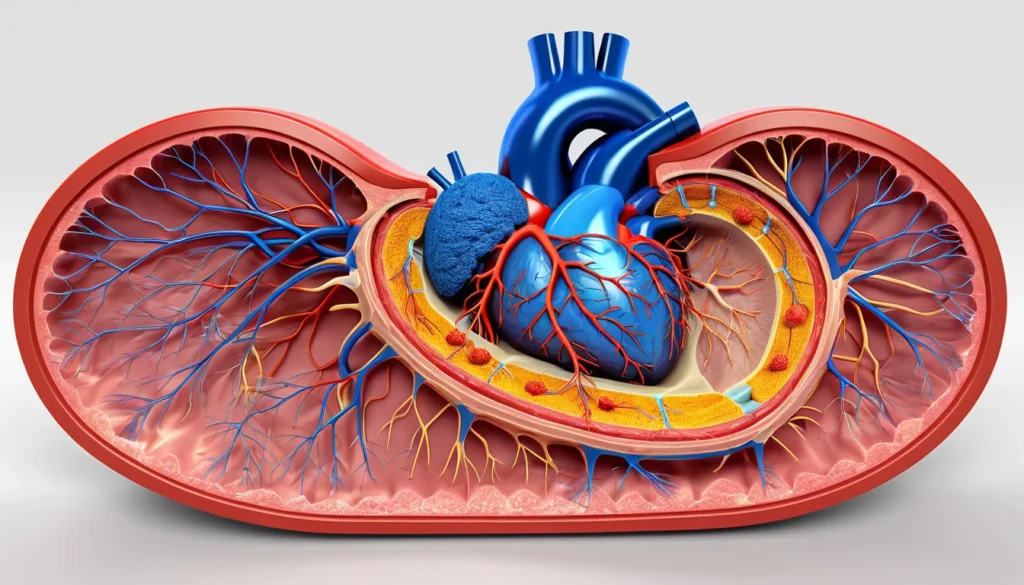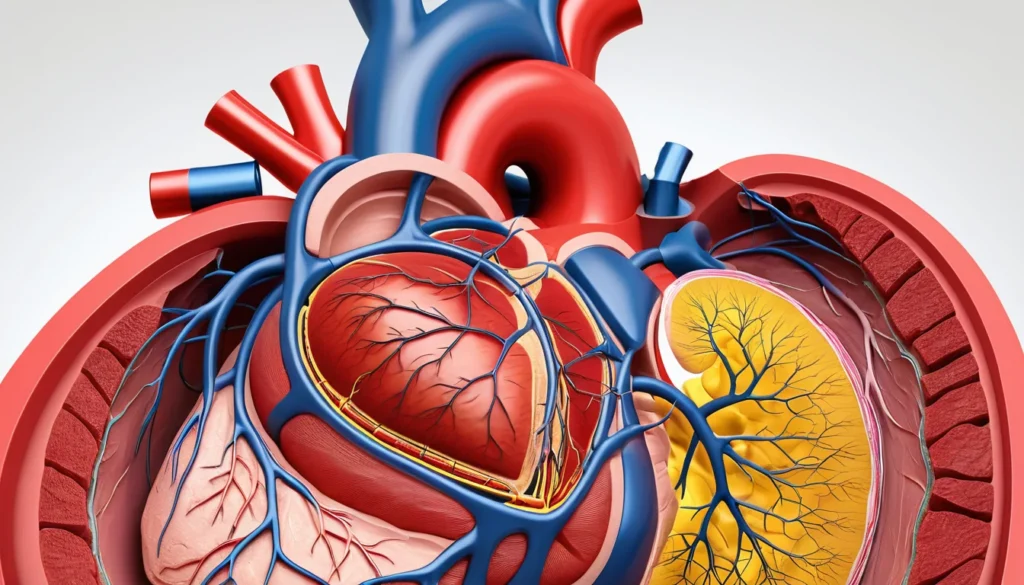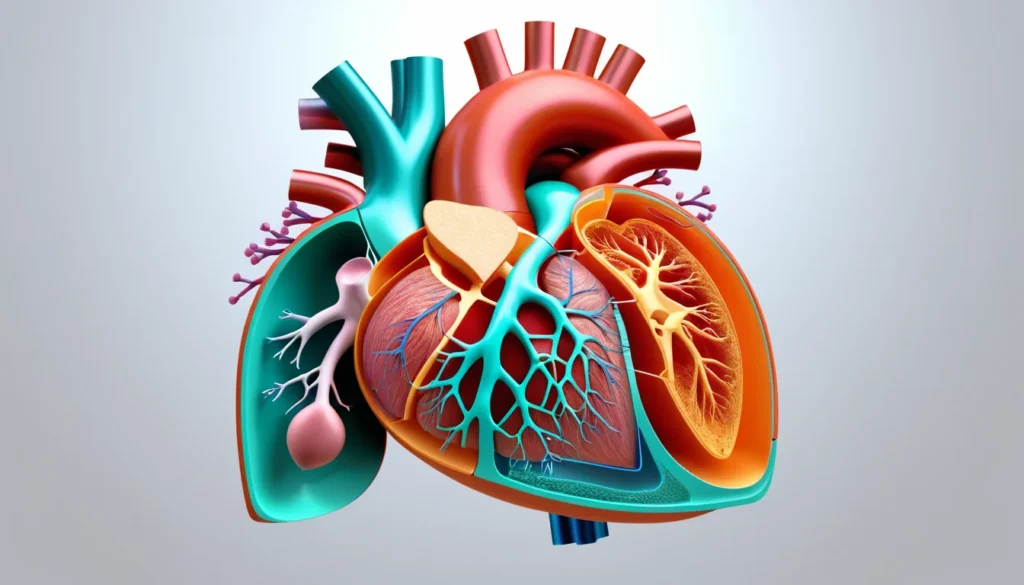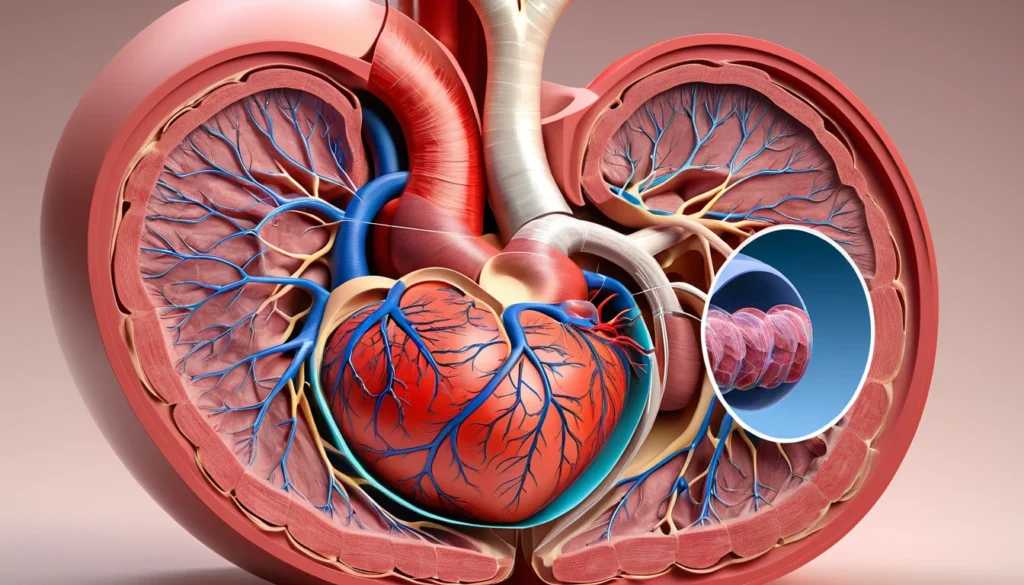
Cardiomyopathy is a disease of the heart muscle that makes it harder for your heart to pump blood throughout your body. It affects about 1 in 500 Canadians, and many cases go undiagnosed. Cardiomyopathy can be present from birth or develop over time. In this article, you will learn about the different types, common symptoms, causes, and treatment options available through the Canadian healthcare system.
What Is Cardiomyopathy?
Cardiomyopathy means the heart muscle has become weakened, thickened, or stiffened. As a result, the heart cannot pump blood as efficiently as it should. Over time, this can lead to serious complications, including heart failure.
The condition can affect people of any age, including children. However, some types are more common in adults, while others appear more often in younger people or those with a family history of heart disease. According to the Mayo Clinic’s overview of cardiomyopathy, early detection is key to managing this condition effectively.
Types of Cardiomyopathy
There are several types of cardiomyopathy. Each type affects the heart in a different way. Understanding which type you have helps guide treatment.
Dilated Cardiomyopathy
Dilated cardiomyopathy is the most common form of the disease. It usually affects adults between the ages of 20 and 60. The condition often starts in the left ventricle, which is the heart’s main pumping chamber.
Over time, dilated cardiomyopathy can spread to the right ventricle and affect the upper chambers of the heart as well. As a result, the heart becomes enlarged and weakened, making it harder to pump blood properly.
Hypertrophic Cardiomyopathy
Hypertrophic cardiomyopathy is a genetic condition. It causes the heart muscle fibres to grow abnormally thick. This thickening makes the heart’s chambers stiffer and restricts blood flow.
Furthermore, this type raises the risk of arrhythmias, which are irregular heart rhythms. Hypertrophic cardiomyopathy is the most common form of cardiomyopathy in children. In about one-third of young patients, doctors diagnose it before the child turns one year old.
Restrictive Cardiomyopathy
Restrictive cardiomyopathy happens when the tissue inside the heart’s lower chambers becomes stiff. The chambers can no longer fill with blood properly. This type is more common in older adults.
In some cases, restrictive cardiomyopathy results from conditions like amyloidosis, where abnormal proteins build up in the heart tissue. If left untreated, it can lead to heart failure.
Arrhythmogenic Cardiomyopathy
Arrhythmogenic cardiomyopathy is an inherited genetic condition. In this type, normal heart muscle tissue in the right ventricle is replaced by fatty or fibrous tissue. This change can cause dangerous irregular heart rhythms.
In some cases, the left ventricle is affected as well. Arrhythmogenic cardiomyopathy significantly raises the risk of sudden cardiac death, especially in young people and athletes. For this reason, early diagnosis is critically important.
Common Symptoms of Cardiomyopathy
In mild cases, cardiomyopathy may cause no symptoms at all. Many Canadians live with the condition for years without knowing it. However, as the disease progresses, symptoms can appear and worsen over time.
The most common symptoms include:
Fatigue — feeling unusually tired, even with little activity
Shortness of breath — especially during physical activity or when lying down
Swelling in the legs, ankles, or feet — caused by fluid buildup
Heart palpitations — a fluttering, pounding, or racing heartbeat
Dizziness or lightheadedness — feeling faint or unsteady
Fainting — sudden loss of consciousness, which may signal a serious arrhythmia
These symptoms can also point to other heart conditions. Therefore, it is important not to ignore them. Speak with your family doctor or visit a walk-in clinic if you experience any of these signs.
Causes and Risk Factors
The exact cause of cardiomyopathy is not always clear. However, several known risk factors can increase your chances of developing the condition. Understanding these risk factors can help with prevention and early detection.
Medical Conditions That Raise Your Risk
Conditions that damage or inflame the heart muscle can lead to cardiomyopathy. These include coronary artery disease, high blood pressure, and heart failure following a heart attack. In addition, viral infections of the heart, known as myocarditis, can also cause lasting damage to the heart muscle.
Other conditions linked to cardiomyopathy include:
Amyloidosis — abnormal protein deposits in organs, including the heart
Sarcoidosis — inflammatory cell clusters that can affect the heart
Diabetes — long-term high blood sugar can damage blood vessels and heart tissue
Thyroid disorders — an overactive or underactive thyroid affects heart function
Lifestyle and Genetic Factors
Chronic alcohol use is a well-known risk factor for cardiomyopathy. Long-term heavy drinking weakens the heart muscle over time. Quitting alcohol can slow or even reverse some of this damage in early cases.
A family history of heart disease, sudden cardiac death, or cardiomyopathy also raises your risk significantly. Some types of cardiomyopathy are directly inherited. Furthermore, some women develop a form of cardiomyopathy during or after pregnancy, called peripartum cardiomyopathy. According to the World Health Organization’s cardiovascular disease fact sheet, heart conditions remain one of the leading causes of death globally, making risk factor awareness especially important.
How Is Cardiomyopathy Diagnosed?
Your doctor will start with a physical exam and a review of your medical history. They will listen to your heart and lungs and check for signs of fluid retention or an enlarged heart. From there, several tests can help confirm a diagnosis of cardiomyopathy.
Common Diagnostic Tests
A chest X-ray can show whether the heart has become enlarged, a condition called cardiomegaly. This is often one of the first signs of cardiomyopathy that appears on imaging.
An electrocardiogram (ECG) measures the heart’s electrical activity. It shows your heart rate and rhythm, and can reveal irregular patterns that suggest cardiomyopathy or arrhythmia. Most family doctors and walk-in clinics across Canada can order an ECG quickly.
An echocardiogram is an ultrasound of the heart. It uses sound waves to create moving images of the heart in action. This test shows the size and shape of the heart, how well it pumps, and whether the valves are working properly. It is one of the most useful tools for diagnosing cardiomyopathy. You can learn more about these diagnostic tools from Healthline’s detailed guide on cardiomyopathy diagnosis.
Treatment Options for Cardiomyopathy
The goal of treatment is to control symptoms, slow the progression of the disease, and reduce the risk of serious complications like sudden cardiac death. Treatment depends on the type and severity of your cardiomyopathy. Most people need a combination of approaches.
Lifestyle Changes
Making healthy lifestyle changes is an important first step. These changes can reduce the strain on your heart and improve your overall quality of life. Key changes include:
Eating a heart-healthy diet low in trans fats, saturated fats, added sugar, and sodium
Increasing physical activity at a level your doctor approves
Quitting smoking, which directly damages the heart and blood vessels
Reducing or eliminating alcohol consumption
Managing stress through relaxation techniques, counselling, or mindfulness
Maintaining a healthy body weight
Always discuss lifestyle changes with your doctor or a registered dietitian before making major adjustments, especially if you have other health conditions.
Medications
Several types of medication can help manage cardiomyopathy. Your doctor may prescribe drugs to lower blood pressure, slow the heart rate, reduce fluid buildup, or prevent blood clots. Common medication classes include beta-blockers, ACE inhibitors, and diuretics (water pills).
In some cases, doctors prescribe anti-arrhythmic medications to help keep the heart rhythm steady. The right combination of medications depends on your specific type of cardiomyopathy and overall health.
Implanted Devices
In more serious cases, doctors may recommend implanting a device in the chest to help manage the heart’s rhythm. An implantable cardioverter-defibrillator (ICD) monitors the heart continuously. If it detects a dangerous rhythm, it delivers an electric shock to restore normal beating.
A pacemaker sends small electrical signals to keep the heart beating at a steady rate. Some patients receive a combined device that acts as both a pacemaker and a defibrillator. These devices are covered under most provincial health plans in Canada, depending on eligibility criteria.
Surgical Options
In advanced cases, surgery may be necessary. For hypertrophic cardiomyopathy, a procedure called septal myectomy removes part of the thickened heart muscle to improve blood flow. In the most severe cases, a heart transplant may be considered when other treatments are no longer effective.
When to See a Doctor
You should speak with a healthcare provider if you notice any symptoms of cardiomyopathy, such as unexplained fatigue, shortness of breath, swelling in your legs, or heart palpitations. Do not wait to see if symptoms go away on their own.
If you experience sudden chest pain, fainting, or a very rapid heartbeat, call 911 or go to your nearest emergency department right away. For non-urgent concerns, start by booking an appointment with your family doctor. If you do not have a family doctor, a walk-in clinic can assess your symptoms and refer you to a cardiologist if needed. Most provincial health plans cover cardiology referrals when medically necessary.
If you have a family history of cardiomyopathy or sudden cardiac death, mention this to your doctor. Genetic screening may be recommended for you and your close relatives.
Frequently Asked Questions About Cardiomyopathy
Can cardiomyopathy be cured?
There is currently no cure for most types of cardiomyopathy. However, treatment can effectively control symptoms and slow the progression of the disease. Many Canadians with cardiomyopathy live full, active lives with the right medical care and lifestyle changes.
Is cardiomyopathy hereditary?
Some types of cardiomyopathy, such as hypertrophic cardiomyopathy and arrhythmogenic cardiomyopathy, are inherited genetic conditions. If a close family member has been diagnosed, your doctor may recommend genetic testing. Early screening can help catch the condition before serious symptoms develop.
What is the difference between cardiomyopathy and heart failure?
Cardiomyopathy refers to disease of the heart muscle itself, while heart failure describes the heart’s inability to pump enough blood to meet the body’s needs. Cardiomyopathy is one of the leading causes of heart failure. In other words, cardiomyopathy can lead to heart failure if it is not properly managed.
Can exercise make cardiomyopathy worse?
For some types of cardiomyopathy, intense exercise can be risky and may trigger dangerous arrhythmias. However, moderate, doctor-approved physical activity is often beneficial for heart health. Always consult your doctor or a cardiac rehabilitation specialist before starting or changing your exercise routine.
How is cardiomyopathy diagnosed in Canada?
In Canada, cardiomyopathy is typically diagnosed through a combination of a physical exam, ECG, chest X-ray, and echocardiogram. Your family doctor can order initial tests and refer you to a cardiologist if needed. These diagnostic services are generally covered under provincial health plans.
Can alcohol cause cardiomyopathy?
Yes, long-term heavy alcohol use is a known cause of a type called alcoholic cardiomyopathy. Chronic drinking weakens the heart muscle over time and reduces its ability to pump blood effectively. Reducing or stopping alcohol consumption, especially in early stages, can help improve heart function.
Key Takeaways
Cardiomyopathy is a disease of the heart muscle that affects the heart’s ability to pump blood effectively. The four main types are dilated, hypertrophic, restrictive, and arrhythmogenic cardiomyopathy, each with different causes and characteristics. Common symptoms include fatigue, shortness of breath, leg swelling, palpitations, dizziness, and fainting.