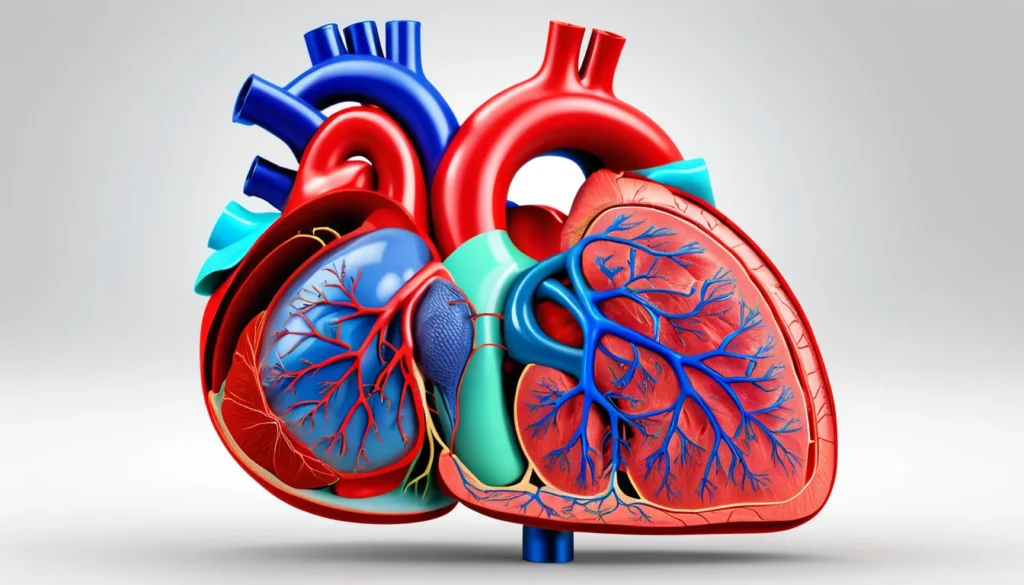
Cardiac rehabilitation is a medically supervised programme that helps people recover after a heart attack, heart surgery, or other cardiovascular events. According to the World Health Organization, rehabilitation combines physical activity, education, and lifestyle changes to help patients live longer, healthier lives. In Canada, this kind of structured recovery programme can make a real difference — reducing the risk of future heart events and improving overall quality of life.
What Is Cardiac Rehabilitation?
Cardiac rehabilitation is not just about exercise. It is a complete, team-based approach to heart health recovery. The programme typically includes a cardiologist, a physiotherapist or kinesiologist, a dietitian, and a psychologist or social worker.
Together, this team creates a personalised plan for each patient. The plan targets physical fitness, mental well-being, and long-term prevention of further heart disease. In Canada, many provincial health plans cover cardiac rehabilitation services — ask your family doctor whether your province’s plan includes this coverage.
The goal is clear: help patients build the best possible physical and mental condition, so they can return to a normal, active life. Research from recent decades consistently shows that improving exercise tolerance leads to lower rates of heart-related death.
How Cardiac Rehabilitation Works
A cardiac rehabilitation programme is built around gradual, supervised physical activity. Your healthcare team will set your exercise time, intensity, and frequency based on how serious your heart condition is and what kind of event you experienced — for example, a heart attack or open-heart surgery.
Training always starts slowly and increases over time. Your team watches key health markers closely at every stage. This careful approach keeps you safe while steadily building your strength and endurance.
Exercise Therapy and Physiotherapy
Exercise therapy — sometimes called kinesiotherapy or physiotherapy — plays a central role in cardiac rehabilitation. It helps patients achieve the highest level of physical fitness that is safe for their specific condition. Furthermore, exercise therapy has shown positive results even for patients who have undergone heart surgery.
Sessions are structured and monitored. Your physiotherapist or kinesiologist tracks your heart rate, blood pressure, and how you feel during each workout. As a result, adjustments happen quickly if anything seems off.
The type of exercise recommended is usually aerobic activity — such as walking, cycling, or swimming. These activities strengthen the heart muscle and improve circulation without putting dangerous strain on the cardiovascular system.
Mental Health Support in Recovery
Heart disease affects more than just the body. Many patients feel anxious, depressed, or afraid after a cardiac event. Therefore, psychological support is built into a well-rounded cardiac rehabilitation programme.
A psychologist or counsellor helps patients process their emotions and develop a positive outlook. This mental health support also plays a role in keeping patients motivated to stick with healthy lifestyle changes over the long term.
Who Should Not Exercise During Cardiac Rehabilitation?
Cardiac rehabilitation is not suitable for everyone right away. Certain medical conditions mean a person must wait before starting an exercise programme. Your doctor will screen you carefully before recommending physical activity.
Conditions that may prevent or delay cardiac rehabilitation include:
Decompensated heart failure — when the heart cannot pump enough blood, even at rest
Unstable angina or resting angina — chest pain that is unpredictable or occurs without exertion
Pericarditis, endocarditis, or myocarditis — active inflammation of heart tissues
Severe or uncontrolled high blood pressure
Pulmonary arterial hypertension — high blood pressure in the lungs
Recent pulmonary embolism — a blood clot in the lungs
Recent thrombophlebitis — a blood clot in a vein, usually in the leg
Serious metabolic disorders that are not yet under control
Certain congenital or acquired heart defects
Ventricular arrhythmias — dangerous irregular heart rhythms
Acute or severe systemic illness
However, many of these conditions can be treated or stabilised first. Once your doctor determines it is safe, cardiac rehabilitation can often begin. Always follow your healthcare team’s guidance before starting any exercise programme.
Risk Factors You Can Change
Preventing cardiovascular disease — or stopping it from getting worse — starts with understanding your risk factors. Some risk factors, like age or family history, cannot be changed. However, many of the most common ones are entirely within your control.
The main lifestyle-related risk factors include:
Physical inactivity (sedentary lifestyle)
Obesity or being overweight
Smoking
Excessive alcohol consumption
Chronic stress
A diet high in salt, saturated fat, and sugar
In Canada, these risk factors are extremely common. As a result, rates of cardiovascular disease and heart-related deaths continue to rise. Health Canada encourages all Canadians to take active steps toward a heart-healthy lifestyle.
Small Changes That Make a Big Difference
You do not need to overhaul your entire life overnight. In fact, small, consistent changes are often the most sustainable. Even 30 minutes of moderate physical activity each day can significantly reduce your risk of heart disease.
Here are some practical steps you can take right now:
Walk or cycle instead of driving for short trips
Take the stairs instead of the elevator
Reduce added salt in your cooking
Cut back on processed foods, sweets, and alcohol
Quit smoking — talk to your family doctor about free cessation programmes available in your province
Manage stress through mindfulness, hobbies, or social connection
Aim for a healthy body weight
These are not dramatic sacrifices. They are small, everyday habits that build a stronger heart, a better mood, and greater confidence in your own health.
Healthy Habits During and After Cardiac Rehabilitation
Cardiac rehabilitation teaches patients more than just how to exercise safely. It also helps people build lasting healthy behaviours that protect the heart for years to come.
Patients learn to enjoy physical activity — not see it as a burden. They discover how to eat in a heart-friendly way, manage stress, and avoid the habits that put their heart at risk in the first place. For example, quitting smoking is one of the single most powerful things a person can do for heart health.
According to Mayo Clinic, patients who complete cardiac rehabilitation programmes have better outcomes, higher energy levels, and a stronger sense of control over their health. In addition, they are less likely to be hospitalised again for heart-related problems.
Nutrition and Diet
A heart-healthy diet is a key part of any cardiac rehabilitation programme. Your dietitian will help you build a meal plan that works for your lifestyle and preferences. In general, the focus is on whole foods, plenty of fibre, and limiting saturated fat, sugar, and sodium.
Good heart-healthy food choices include fruits, vegetables, whole grains, legumes, fish, and lean proteins. Limiting processed meats, fried foods, and sugary drinks also makes a significant difference over time.
When to See a Doctor
If you have been diagnosed with a heart condition — or if you have several risk factors such as high blood pressure, diabetes, obesity, or a strong family history of heart disease — talk to your family doctor or cardiologist about cardiac rehabilitation. You do not have to wait for a heart attack to take action.
In Canada, your family doctor is the best starting point. They can refer you to a cardiac rehabilitation programme covered under your provincial health plan. If you do not have a family doctor, a walk-in clinic can assess your cardiovascular risk and connect you with the right specialist.
Seek emergency care immediately if you experience chest pain, shortness of breath, sudden dizziness, or pain spreading to your arm or jaw. These could be signs of a heart attack — call 911 right away.
Always speak with a qualified healthcare provider before starting any new exercise programme, especially if you have a heart condition or other serious health concerns. This article is for general information only and does not replace professional medical advice.
Frequently Asked Questions About Cardiac Rehabilitation
What does cardiac rehabilitation involve?
Cardiac rehabilitation involves a structured programme of supervised exercise, education, and lifestyle support. A team of healthcare professionals — including a cardiologist, physiotherapist, and dietitian — creates a personalised plan for each patient. The goal is to help heart patients recover safely and reduce the risk of future heart events.
Is cardiac rehabilitation covered by provincial health plans in Canada?
In many Canadian provinces, cardiac rehabilitation programmes are covered under provincial health insurance plans, at least in part. Coverage varies by province, so it is important to check with your family doctor or provincial health authority. Your doctor can refer you to an approved programme and clarify what costs, if any, are involved.
How long does a cardiac rehabilitation programme last?
Most cardiac rehabilitation programmes run between 8 and 12 weeks, depending on the patient’s condition and progress. Some patients may need longer support, especially after major surgery or a serious cardiac event. Your healthcare team will set a timeline that is appropriate for your specific situation.
Can I do cardiac rehabilitation at home?
Yes — home-based cardiac rehabilitation programmes are available and have become more common in Canada, especially since the COVID-19 pandemic. These programmes use remote monitoring, video check-ins, and written exercise plans to guide patients safely. However, your doctor must assess whether a home programme is appropriate for your level of risk.
Who qualifies for cardiac rehabilitation in Canada?
Cardiac rehabilitation is typically recommended for people who have had a heart attack, heart surgery, angioplasty, or a diagnosis of stable heart failure or angina. People with multiple cardiovascular risk factors may also qualify. Talk to your family doctor or cardiologist to find out if you are a good candidate.
What are the benefits of cardiac rehabilitation?
Cardiac rehabilitation has been shown to reduce the risk of dying from heart disease, lower rates of re-hospitalisation, and improve patients’ overall quality of life. Patients also report better mental health, more energy, and greater confidence in managing their condition. In addition, the programme helps people build lasting heart-healthy habits.
Key Takeaways
Cardiac rehabilitation is a proven, team-based programme that helps heart patients recover and stay healthy.
It combines supervised exercise, nutrition guidance, and mental health support into one personalised plan.
Research shows that improving exercise tolerance through rehabilitation reduces heart-related deaths.
Not everyone can start exercise right away — your doctor will screen for contraindications such as unstable angina, recent blood clots, or uncontrolled blood pressure.
Lifestyle risk factors like smoking, physical inactivity, obesity, and poor diet are major contributors to heart disease — and they are all changeable.
Even 30 minutes of daily activity — walking, cycling, or swimming — can significantly reduce your cardiovascular risk.
In Canada, your family doctor or a walk-in clinic is the right first step to accessing cardiac rehabilitation services.
Always consult a healthcare professional before beginning any new exercise programme related to heart health.