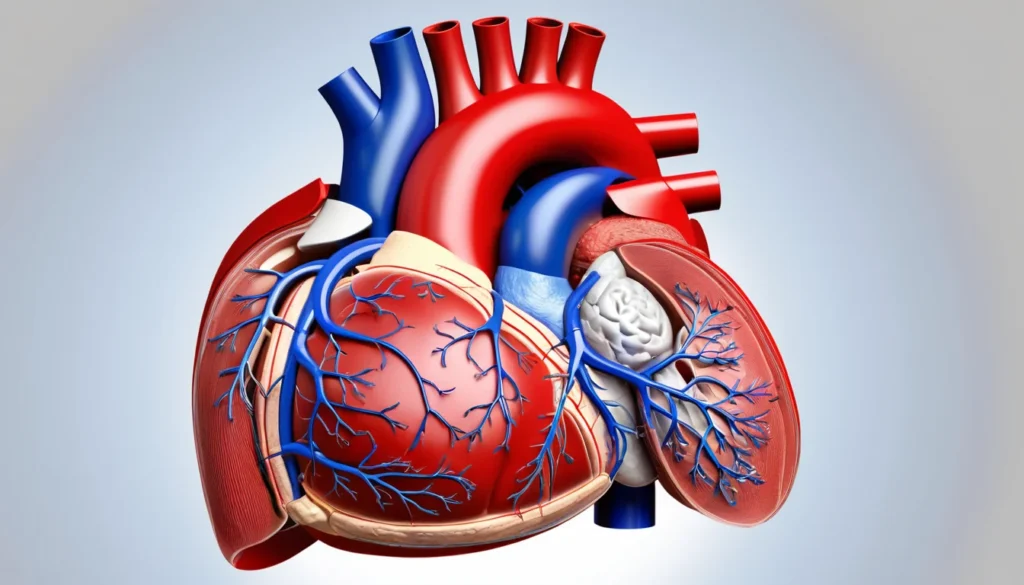
After a heart attack or heart surgery, getting back to everyday life can feel overwhelming. Cardiac rehabilitation is a structured, medically supervised programme that helps you recover safely, regain your strength, and reduce your risk of future heart problems. In Canada, these programmes are available through hospitals, community health centres, and provincial health plans — and they can truly make a life-changing difference.
What Is Cardiac Rehabilitation?
Cardiac rehabilitation is a coordinated set of steps taken after a serious heart event. The goal is to restore your quality of life as fully as possible. It combines physical activity, education, nutrition guidance, and psychological support.
This process works best when it starts early. It should also be consistent and supervised by a team of healthcare professionals. Think of it as a roadmap back to the life you had before your heart event — guided by experts who know your specific condition.
According to Health Canada, cardiovascular disease remains one of the leading causes of death and disability in the country. Cardiac rehabilitation directly addresses this by giving patients the tools they need to recover and stay healthy long-term.
Who Should Consider a Cardiac Rehabilitation Programme?
Not everyone realises they may qualify for a cardiac rehab programme. In Canada, your family doctor or cardiologist can refer you based on your medical history and current condition.
Conditions That Qualify for Cardiac Rehab
You are generally eligible for cardiac rehabilitation if you have experienced one of the following:
A heart attack (myocardial infarction)
Stable angina (chest pain brought on by physical activity)
Heart bypass surgery or angioplasty (a procedure to open blocked arteries)
Heart valve surgery
Heart failure
A pacemaker or implantable defibrillator implant
These groups have a firm indication for cardiac rehab. The benefits for these patients are well supported by research. In fact, studies show that completing a cardiac rehabilitation programme can reduce the risk of a second heart attack by up to 25 percent.
When Cardiac Rehab Is Not Recommended
There are situations where cardiac rehabilitation may need to be delayed or avoided. Your healthcare team will assess your safety before starting any programme.
Conditions that may prevent participation include:
Acute or severely decompensated (unstable) heart failure
A recent or ongoing heart attack with unstable symptoms
Dangerous heart rhythm problems (arrhythmias)
Severe inflammation around the heart (pericarditis)
Blood clots inside the heart chambers
Severe heart valve disease
Significant mobility or movement disorders
However, many of these conditions can be treated first, allowing you to enter a programme later. Always discuss your eligibility with your family doctor or a cardiac specialist.
The Goals of Cardiac Rehabilitation
A cardiac rehabilitation programme is about much more than just exercise. It focuses on helping you live independently, feel better, and lower your long-term health risks.
The main goals include:
Controlling cardiovascular risk factors — such as high blood pressure, high cholesterol, and blood sugar levels
Reducing symptoms — like shortness of breath and fatigue — and gradually increasing your ability to be active
Health education — so you understand your condition and how to manage it every day
Improving your long-term outlook — by reducing the chance of future heart events
To reach these goals, you need both a clear strategy and a strong team behind you. A well-rounded cardiac rehab team typically includes a cardiologist, an internal medicine specialist, a registered dietitian, a physiotherapist (kinesiologist), nurses, and a psychologist.
Steps Involved in a Cardiac Rehabilitation Programme
Cardiac rehabilitation follows a structured process from your very first appointment to long-term follow-up. Each step is designed to make your recovery as safe and effective as possible.
Step 1 — Initial Clinical Assessment
Before joining a programme, you will have a thorough clinical evaluation. Your healthcare team will review your symptoms, medical history, and current medications. A physical exam will also be done to identify any signs that could affect your recovery.
Blood tests are an important part of this assessment. These typically include a complete blood count, blood sugar (glucose), kidney function, liver enzymes, electrolytes, and a full lipid (cholesterol) panel. These results help identify risk factors that can be controlled or improved.
Step 2 — Heart Function Testing
To understand how well your heart is working, your team will likely order several tests. These may include:
An ECG (electrocardiogram) to check your heart’s electrical activity
An echocardiogram (ultrasound of the heart) to assess structure and function
A 24-hour Holter monitor to detect irregular heart rhythms or blood pressure changes
These tests give your team a detailed picture of your heart health. Furthermore, they help determine the safest starting point for your exercise plan.
Step 3 — Exercise Capacity Testing
Knowing how much physical activity your heart can safely handle is essential. Your team may use one or more of these methods to measure your exercise capacity:
A six-minute walk test
A treadmill or stationary bike stress test
A cardiorespiratory fitness evaluation
Imaging techniques that assess your heart during physical stress
As a result of these tests, you will be placed in a risk category — low, moderate, or high. This determines the intensity and type of exercise that is right for you. Every plan is personalised — what works for one patient may not be safe for another.
Step 4 — The Exercise Programme
Once your risk level is established, your supervised exercise plan begins. For cardiac rehabilitation to be effective, the Mayo Clinic recommends at least 30 minutes of physical activity per session, with three to five sessions per week.
The difficulty level increases gradually over time. Your team monitors your heart rate, blood pressure, and overall response to exercise at every session. This careful approach ensures you build strength safely without putting your heart under too much stress.
Healthy Lifestyle Changes: The Heart of Prevention
Cardiac rehabilitation is not just about what happens during your sessions. Lasting heart health comes from the lifestyle choices you make every day.
Prevention should not feel like a punishment or a strict diet. Instead, think of it as a sustainable way of living. Here are the key habits to build:
Daily movement: Aim for at least 20–30 minutes of walking each day
Quit smoking: Smoking is one of the most significant risk factors for heart disease
Moderate alcohol intake: Limit drinks as recommended by your doctor
Blood sugar control: Normal fasting blood glucose is between 3.9 and 5.6 mmol/L (Canadian standard)
Blood pressure control: Target is below 140/90 mmHg for most adults
Heart-healthy eating: Focus on fish, lean poultry, fruits, vegetables, and whole-grain fibre. Reduce processed foods, fried foods, saturated fats, and added salt.
The World Health Organization confirms that up to 80 percent of premature heart disease and stroke can be prevented through healthy lifestyle changes. That is a powerful reason to take these habits seriously.
Mental Health and Returning to Work After a Heart Event
Recovery from a heart event is not only physical. The emotional and psychological impact can be just as significant. Many patients experience anxiety, depression, or fear after a heart attack — and these feelings are completely normal.
Psychological counselling is a core part of comprehensive cardiac rehabilitation. A psychologist or mental health professional on your rehab team can help you process the experience, manage stress, and build confidence in your recovery.
Getting Back to Work
Returning to work is an important milestone for many patients. Your cardiac rehab team will consider several factors when guiding this process:
Your age and the physical demands of your job
The severity of your heart condition
Your emotional adjustment to your new health situation
Any workplace accommodations that may be needed
In Canada, provincial disability programmes and workplace accommodation policies may support you during this transition. Talk to your healthcare team and employer about what options are available to you.
When to See a Doctor
If you have recently had a heart attack, heart surgery, or have been diagnosed with a heart condition, ask your family doctor about a referral to a cardiac rehabilitation programme. Most provincial health plans in Canada cover cardiac rehab services — but you typically need a referral to access them.
If you do not have a family doctor, a walk-in clinic can provide an initial assessment and point you in the right direction. Do not wait to seek help. Starting cardiac rehabilitation early leads to better outcomes.
You should also see a doctor promptly if you experience new or worsening chest pain, unusual shortness of breath, dizziness, or a rapid or irregular heartbeat during your recovery. These symptoms need immediate medical attention.
Always consult your doctor or a qualified healthcare professional before starting any new exercise programme, especially after a heart event. This article is for general information only and does not replace personalised medical advice.
Frequently Asked Questions About Cardiac Rehabilitation
How long does a cardiac rehabilitation programme last?
Most cardiac rehabilitation programmes in Canada run for 8 to 12 weeks, with sessions two to five times per week. However, the length depends on your individual condition, progress, and the specific programme offered in your province. Your care team will recommend the best duration for you.
Is cardiac rehabilitation covered by provincial health plans in Canada?
In most provinces, cardiac rehabilitation is covered under provincial health insurance when referred by a physician. Coverage details vary by province, so it is worth checking with your provincial health authority or family doctor. A referral is usually required to access a funded programme.
What types of exercise are done during cardiac rehabilitation?
Cardiac rehabilitation typically includes aerobic exercise such as walking, cycling on a stationary bike, or light treadmill work. Strength training and flexibility exercises may also be included based on your fitness level and risk category. All exercises are supervised and adjusted as your fitness improves.
Can I do cardiac rehabilitation at home?
Some cardiac rehabilitation programmes in Canada offer home-based or hybrid options, especially following the expansion of virtual care services. Home programmes still involve regular check-ins with your healthcare team and a structured plan. Ask your family doctor or cardiologist whether a home-based cardiac rehab option is available in your area.
Who is on a cardiac rehabilitation team?
A cardiac rehabilitation team is multidisciplinary, meaning it includes professionals from several fields. This typically includes a cardiologist, nurses, a physiotherapist or kinesiologist, a registered dietitian, and a psychologist or social worker. Together, they address every aspect of your physical and emotional recovery.
What happens if I skip sessions in my cardiac rehabilitation programme?
Missing sessions can slow your recovery and reduce the full benefits of cardiac rehabilitation. Consistency is important — regular attendance helps your heart adapt safely to increasing levels of activity. If you need to miss a session, let your care team know so they can adjust your plan accordingly.
Key Takeaways
Cardiac rehabilitation is a proven, structured programme that supports recovery after a heart attack, surgery, or other serious heart event.
It combines supervised exercise, nutrition guidance, mental health support, and education about managing cardiovascular risk factors.
Most Canadians with qualifying heart conditions can access cardiac rehab through a referral from their family doctor, with coverage under provincial health plans.
Sessions should last at least 30 minutes and take place three to five times per week for the best results.
Healthy lifestyle habits — including daily movement, a fibre-rich diet, not smoking, and managing blood pressure and blood sugar — are essential companions to any cardiac rehab programme.
Mental health and returning to work are equally important parts of a full recovery, and both are addressed within a comprehensive cardiac rehabilitation programme.
Always speak with your family doctor or a healthcare professional before beginning or changing your exercise or treatment plan after a heart event.