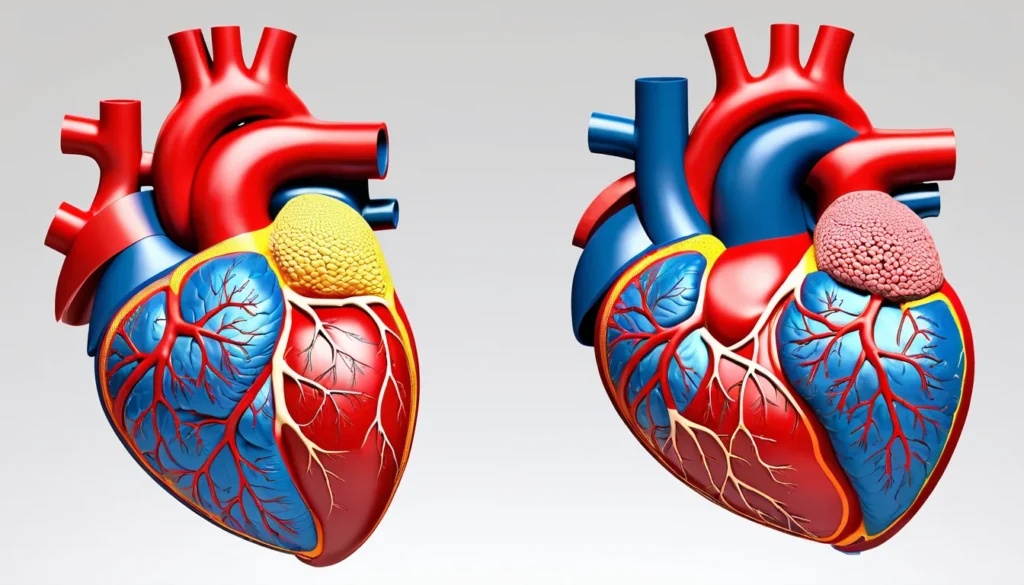
Cardiac hypertrophy means the muscle of your heart has grown thicker or larger than normal. This can happen for many reasons — from intense athletic training to high blood pressure or heart valve problems. In some cases, it is a harmless adaptation. In others, it can lead to serious complications like heart failure or sudden cardiac death. This article explains what cardiac hypertrophy is, what causes it, and how it is treated in Canada.
What Is Cardiac Hypertrophy?
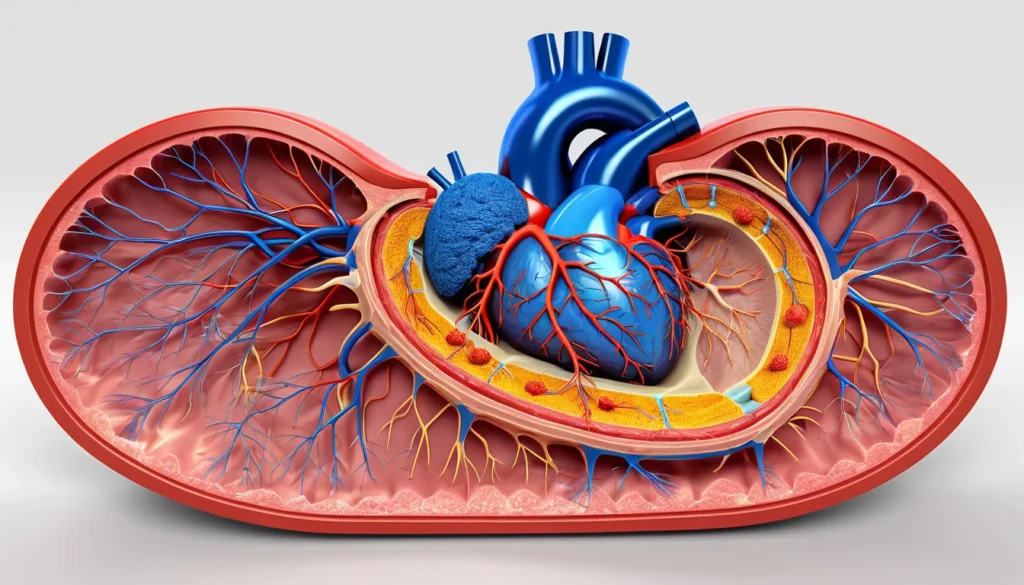
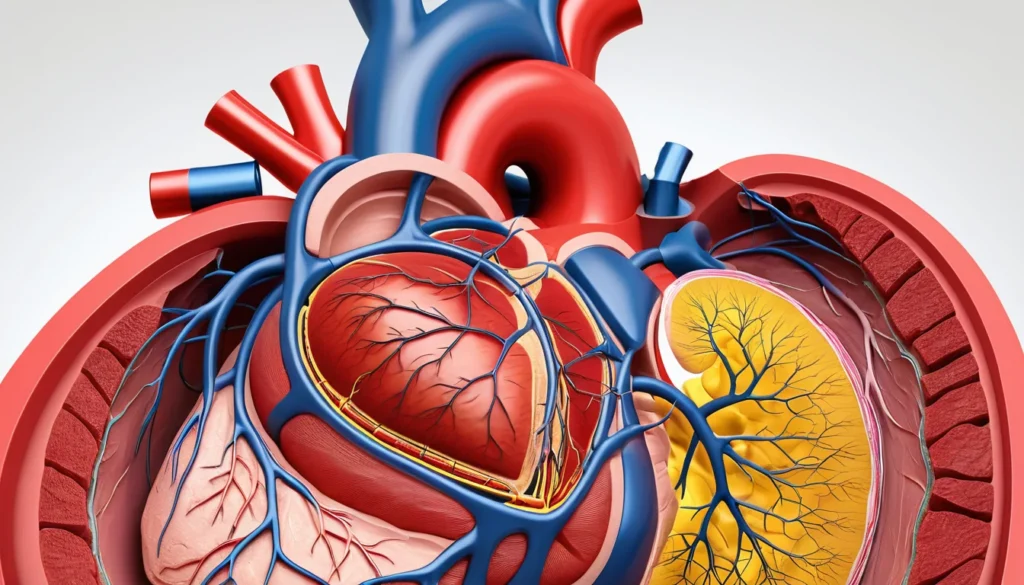
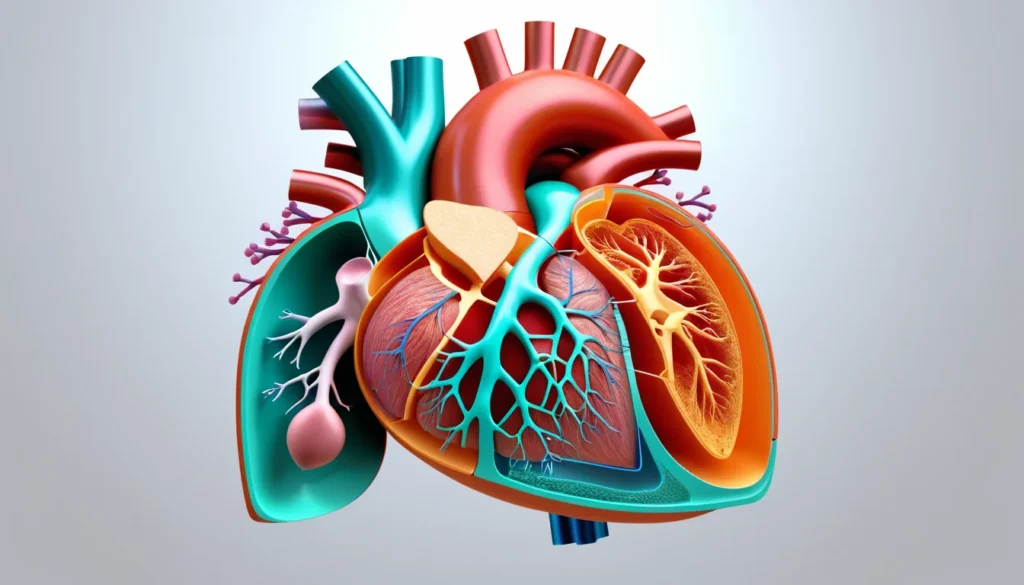
Your heart is a muscle. Like any muscle, it can grow larger when it works harder than usual. Cardiac hypertrophy refers to the thickening or enlarging of the heart muscle, called the myocardium.
This growth happens in response to physical, hormonal, or disease-related stress on the heart. It can be a normal, healthy response — or a dangerous sign of an underlying condition. The outcome depends on the cause and how the heart adapts over time.
The most common area affected is the left or right ventricle. These are the lower chambers of the heart. The left ventricle pumps most of the blood through your body. The right ventricle sends blood to your lungs. When either ventricle thickens abnormally, blood flow can become restricted.
Concentric vs. Eccentric Hypertrophy
There are two main types of cardiac hypertrophy. Concentric hypertrophy means the heart wall thickens inward, making the inner chamber smaller. This type is most often linked to high blood pressure and is associated with a higher risk of heart failure.
Eccentric hypertrophy means the heart wall stretches outward, making the chamber larger. This type is more common in athletes and is generally considered less harmful. However, any significant change in heart size should be assessed by a doctor.
Common Causes of Cardiac Hypertrophy
Many different factors can trigger cardiac hypertrophy. Some are lifestyle-related. Others are medical conditions or even genetic. Understanding the cause is the first step toward effective treatment.
High Blood Pressure
High blood pressure — also called hypertension — is the most common cause of cardiac hypertrophy. When blood pressure stays elevated for a long time, the heart must work harder to push blood through the arteries. As a result, the heart muscle thickens over time.
In Canada, nearly one in four adults lives with high blood pressure. Many do not know they have it. This makes regular blood pressure checks — through your family doctor or a walk-in clinic — very important. Health Canada recommends routine cardiovascular screening as part of preventive care.
Heart Valve Disease
Narrowed or leaky heart valves force the heart to pump harder than normal. Over time, this extra strain causes the heart muscle to thicken. Aortic stenosis — a narrowing of the aortic valve — is a common example.
When the valves do not open or close properly, the heart compensates by growing larger. This compensation eventually becomes a problem in itself.
Athletic Training
Regular intense aerobic exercise can also cause the heart to enlarge. This is sometimes called “athlete’s heart.” In most cases, this type of cardiac hypertrophy is considered a healthy adaptation and does not cause symptoms.
However, it is important to distinguish athlete’s heart from pathological hypertrophy. Your family doctor can help determine whether your heart enlargement is harmless or needs further investigation.
Other Causes
Additional causes of cardiac hypertrophy include:
Genetic mutations affecting heart muscle proteins (hypertrophic cardiomyopathy)
Previous heart attack, which causes the remaining heart muscle to work harder
Chronic alcohol abuse, which can lead to vitamin B1 deficiency and weaken the heart
Ischemic heart disease, where reduced blood supply damages the heart over time
Hormonal disorders, such as thyroid disease or acromegaly
Recognising the Symptoms of Cardiac Hypertrophy
Many people with cardiac hypertrophy have no symptoms at all in the early stages. The condition is often discovered during a routine check-up or investigation for another problem. However, as the condition progresses, symptoms may appear.
Common Symptoms to Watch For
Symptoms of cardiac hypertrophy can include:
Shortness of breath, especially during physical activity or exercise
Chest pain or pressure during exertion
Dizziness or lightheadedness
Fainting, particularly during or after physical effort
Fatigue or unusual tiredness
Heart palpitations — a fluttering or racing heartbeat
These symptoms can also point to other heart conditions. Therefore, it is important not to self-diagnose. See your family doctor or visit a walk-in clinic if you experience any of these signs regularly.
How Is Cardiac Hypertrophy Diagnosed?
Your doctor will use a combination of tools to diagnose cardiac hypertrophy. The process usually starts with a review of your personal and family medical history, followed by a physical exam.
Diagnostic Tests
Common tests used to confirm the diagnosis include:
Electrocardiogram (ECG): Records the electrical activity of the heart and can detect abnormal patterns linked to hypertrophy.
Chest X-ray: Shows the overall size and shape of the heart.
Echocardiogram: An ultrasound of the heart. This is the most detailed test. It shows the thickness of the heart walls, the size of the chambers, and how well the heart pumps blood.
Doppler ultrasound: Evaluates blood flow through the heart’s ventricles and valves.
MRI scan: Provides detailed images of the heart muscle and structure.
In Canada, these tests are typically covered under provincial health plans when ordered by a physician. Your family doctor will refer you to a cardiologist if further investigation is needed. According to the Mayo Clinic, an echocardiogram is considered the gold standard for diagnosing and monitoring cardiac hypertrophy.
Complications of Cardiac Hypertrophy
Left untreated, cardiac hypertrophy can lead to serious and life-threatening complications. The thicker the heart wall becomes, the harder it is for the heart to function efficiently.
Possible complications include:
Heart failure: The heart becomes too weak or stiff to pump blood effectively throughout the body.
Arrhythmia: Abnormal electrical signals in the thickened heart muscle cause irregular heartbeats. This can feel like a racing, fluttering, or skipping heartbeat.
Sudden cardiac death: Severe arrhythmias, such as ventricular fibrillation or ventricular tachycardia, can cause the heart to stop suddenly.
Blocked blood flow: The thickened muscle can obstruct the outflow of blood from the heart.
Mitral valve regurgitation: The valve between the upper and lower left chambers of the heart may not close properly, causing blood to leak backward.
Furthermore, over time, the affected ventricle may stretch and weaken, reducing its ability to pump blood. This is why early detection and treatment are so important. The World Health Organization identifies cardiovascular disease as the leading cause of death globally, making prevention a top public health priority.
Treatment Options for Cardiac Hypertrophy
Treatment for cardiac hypertrophy depends on what is causing it, how severe it is, and your overall health. Your cardiologist will work with your family doctor to create a treatment plan suited to your needs.
Lifestyle Changes
In many cases, lifestyle changes are the first line of treatment. These include:
Eating a heart-healthy diet rich in vegetables, whole grains, and fibre
Maintaining a healthy body weight
Getting regular, moderate exercise — as recommended by your doctor
Avoiding alcohol or reducing intake significantly
Getting adequate rest and managing stress
Quitting smoking, if applicable
These changes support heart health and reduce the workload on your heart. They are effective whether cardiac hypertrophy is the primary diagnosis or part of a broader cardiovascular condition.
Medications
Your doctor may prescribe medication to help the heart work more efficiently. Common medications include:
Beta-blockers: Slow the heart rate and reduce the force of contractions, giving the heart muscle a chance to relax.
Calcium channel blockers: Relax the heart muscle and improve blood flow.
ACE inhibitors or ARBs: Lower blood pressure and reduce strain on the heart.
Diuretics: Remove excess fluid from the body, reducing pressure on the heart.
Antibiotics: In some cases, antibiotics are prescribed to reduce the risk of bacterial endocarditis — an infection of the inner lining of the heart.
It is important to note that certain medications — such as nitrates and digoxin — may not be appropriate for all types of cardiac hypertrophy. Nitrates can lower blood pressure too much. Digoxin increases the force of heart contractions, which can be harmful in some cases. Always follow your cardiologist’s guidance on medication.
Surgical and Procedural Options
In more severe cases, surgery or a medical procedure may be necessary. Options include:
Septal myectomy: Surgeons remove a portion of the thickened heart muscle to improve blood flow.
Implantable cardioverter-defibrillator (ICD): A small device placed in the chest to monitor heart rhythm and deliver a shock if a dangerous arrhythmia occurs.
Pacemaker: Helps regulate an abnormal heart rhythm.
Heart valve repair or replacement: If a faulty valve is the underlying cause.
In Canada, these procedures are performed at cardiac care centres and are covered under most provincial health plans when medically necessary. Your specialist will discuss the risks and benefits of each option with you.
When to See a Doctor
You should see your family doctor if you experience shortness of breath, chest pain, fainting, or persistent fatigue — especially during physical activity. These symptoms may point to cardiac hypertrophy or another serious heart condition.
If you do not have a family doctor, a walk-in clinic can assess your symptoms and arrange referrals as needed. Do not wait if symptoms are severe or come on suddenly. Call 911 or go to your nearest emergency department immediately if you experience chest pain, loss of consciousness, or a rapid, irregular heartbeat that does not stop.
It is also worth discussing cardiac hypertrophy with your doctor if you have a family history of heart disease or hypertrophic cardiomyopathy. Early screening can catch problems before they become life-threatening. As always, speak with a qualified healthcare provider before making any changes to your health routine or treatment plan.
Frequently Asked Questions About Cardiac Hypertrophy
Can cardiac hypertrophy be reversed?
In some cases, yes. If cardiac hypertrophy is caused by high blood pressure or a correctable condition, treating the underlying cause may allow the heart muscle to return closer to its normal size. However, long-standing or genetic forms of cardiac hypertrophy may be managed but not fully reversed. Your cardiologist can advise on the best approach for your specific situation.
Is cardiac hypertrophy the same as an enlarged heart?
They are closely related but not exactly the same. Cardiac hypertrophy specifically refers to the thickening of the heart muscle. An enlarged heart — medically called cardiomegaly — can result from hypertrophy, but it can also occur when the heart chambers stretch and dilate without the walls necessarily thickening. Both conditions require medical evaluation.
Is cardiac hypertrophy dangerous?
It can be, depending on the cause and severity. Pathological cardiac hypertrophy — caused by disease, high blood pressure, or genetic conditions — significantly increases the risk of heart failure, dangerous arrhythmias, and sudden cardiac death. Physiological hypertrophy in athletes is generally not dangerous. Early diagnosis and treatment are key to reducing serious risks.
What lifestyle changes help with cardiac hypertrophy?
Key lifestyle changes include eating a diet high in fibre and low in sodium, maintaining a healthy weight, exercising regularly at a level approved by your doctor, avoiding alcohol, and quitting smoking. These habits reduce strain on the heart and support overall cardiovascular health. Always check with your family doctor before starting a new exercise programme if you have been diagnosed with cardiac hypertrophy.
How is cardiac hypertrophy diagnosed in Canada?
In Canada, cardiac hypertrophy is typically diagnosed through a combination of an ECG, chest X-ray, and echocardiogram ordered by your family doctor or a cardiologist. These tests are covered under provincial health plans when medically indicated. If your family doctor suspects a heart condition, they will refer you to a specialist for further assessment.