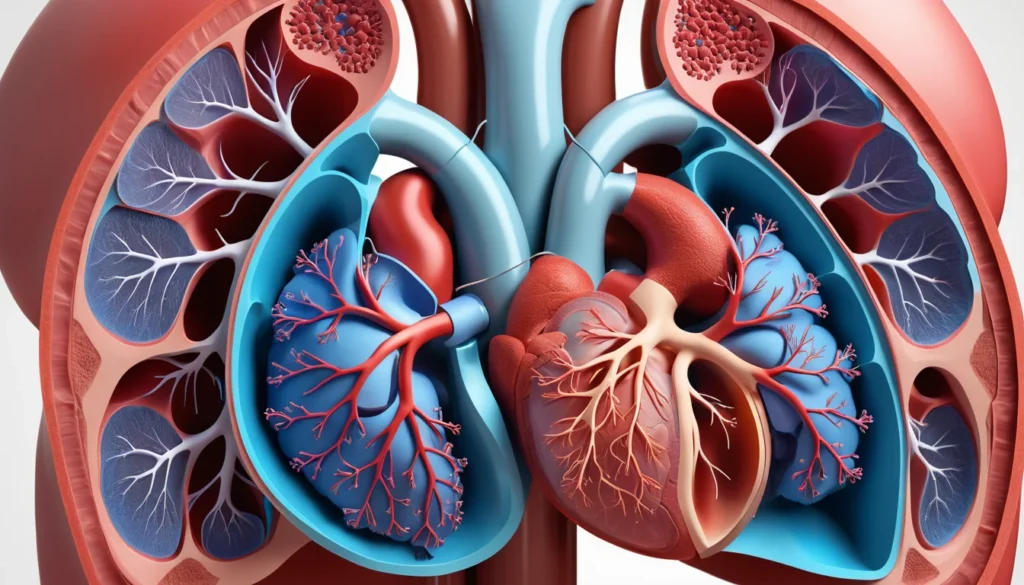
Cardiac asthma is a breathing problem caused by fluid buildup in the lungs, not by a lung disease. It happens when the heart is not pumping blood properly, leading to increased pressure in the lungs. This condition is closely linked to heart failure and can become a medical emergency very quickly. In this article, we explain the causes, symptoms, diagnosis, and treatment options available to Canadians.
What Is Cardiac Asthma?
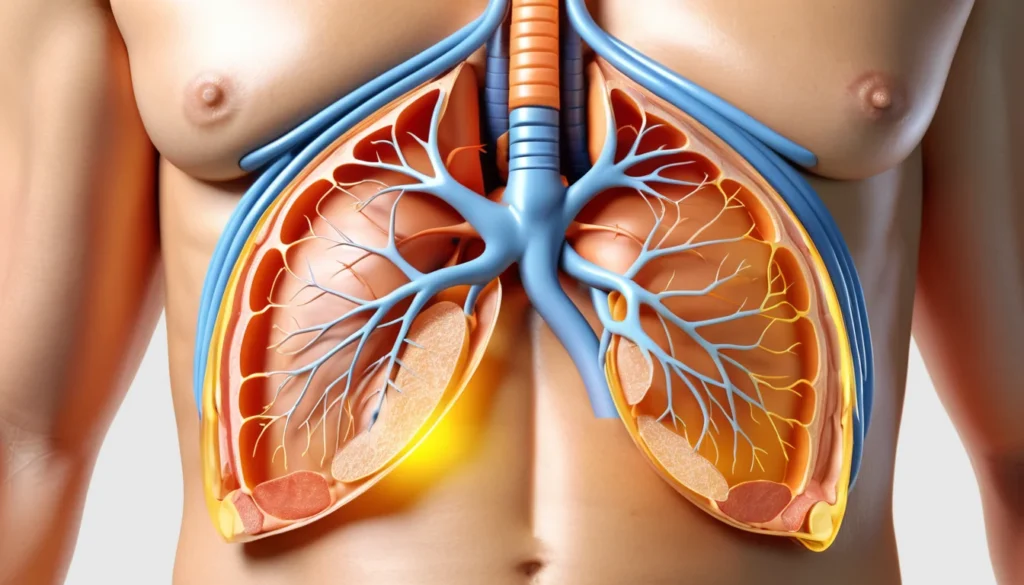
Cardiac asthma occurs when fluid builds up in the lungs — a condition called pulmonary edema. This fluid makes it very hard to breathe, especially at night. Unlike bronchial asthma, which is a lung disease, cardiac asthma is caused by a heart problem.
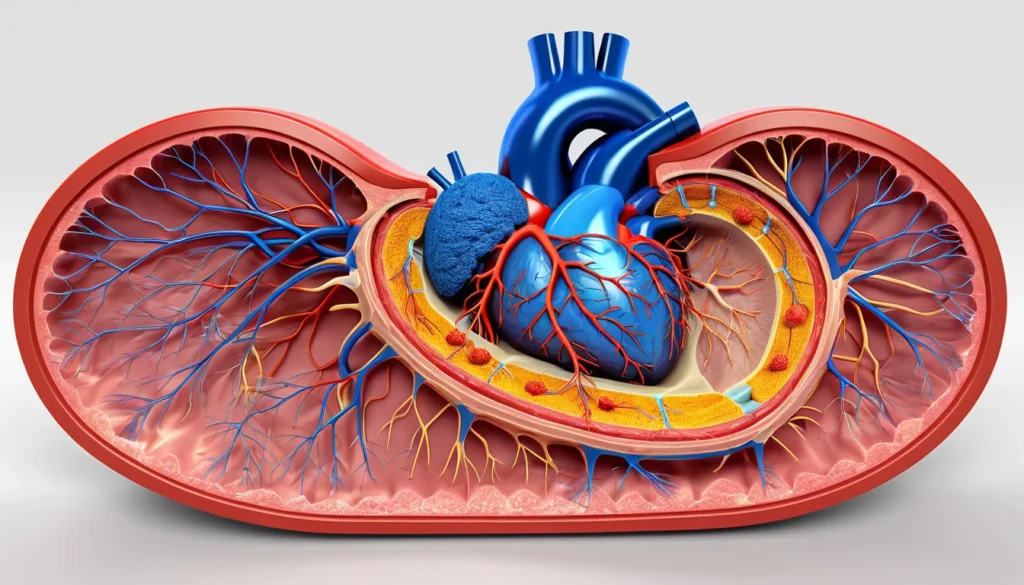
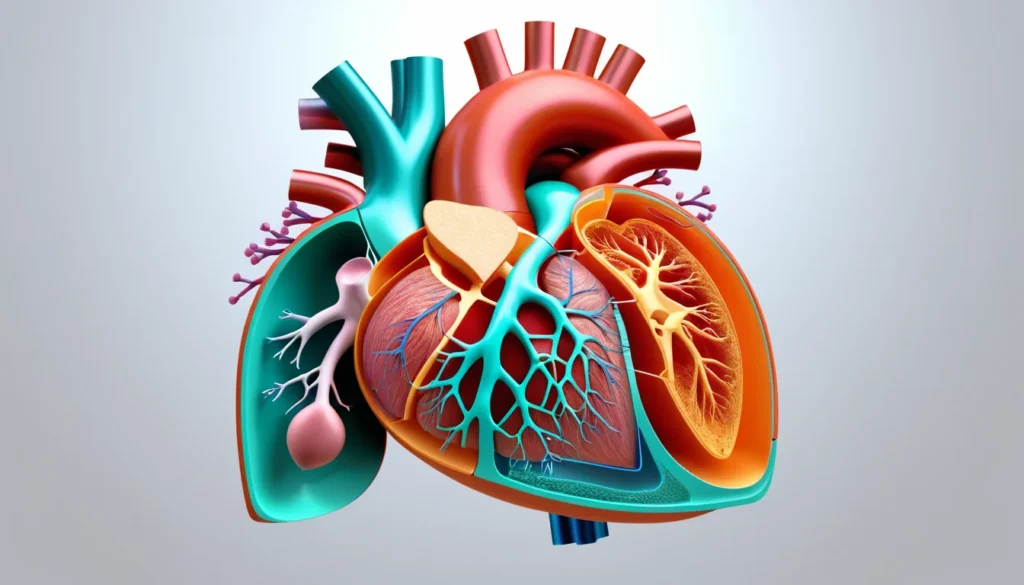
The heart has two sides. When the left side of the heart weakens, blood can back up into the lungs. This raises pressure inside the lung’s blood vessels and forces fluid into the lung tissue. As a result, breathing becomes difficult and, in severe cases, dangerous.
It is important to understand that heart failure does not mean the heart has stopped. It means the heart cannot pump enough blood to meet the body’s needs. Over time, this can lead to cardiac asthma episodes.
Cardiac Asthma vs. Bronchial Asthma
These two conditions can look very similar, but they have very different causes. Bronchial asthma is a chronic lung disease. It causes inflammation and narrowing of the small airways inside the lungs.
Cardiac asthma, however, is caused by fluid in the lungs due to heart failure. The treatment for each condition is completely different. This is why getting the right diagnosis is so important. Your family doctor or a walk-in clinic can help determine which condition you have and refer you to a specialist.
One key clue: cardiac asthma symptoms often get worse at night or when lying flat. Bronchial asthma is more often triggered by allergens, exercise, or irritants in the air.
Causes and Risk Factors of Cardiac Asthma
Main Cause: Left-Sided Heart Failure
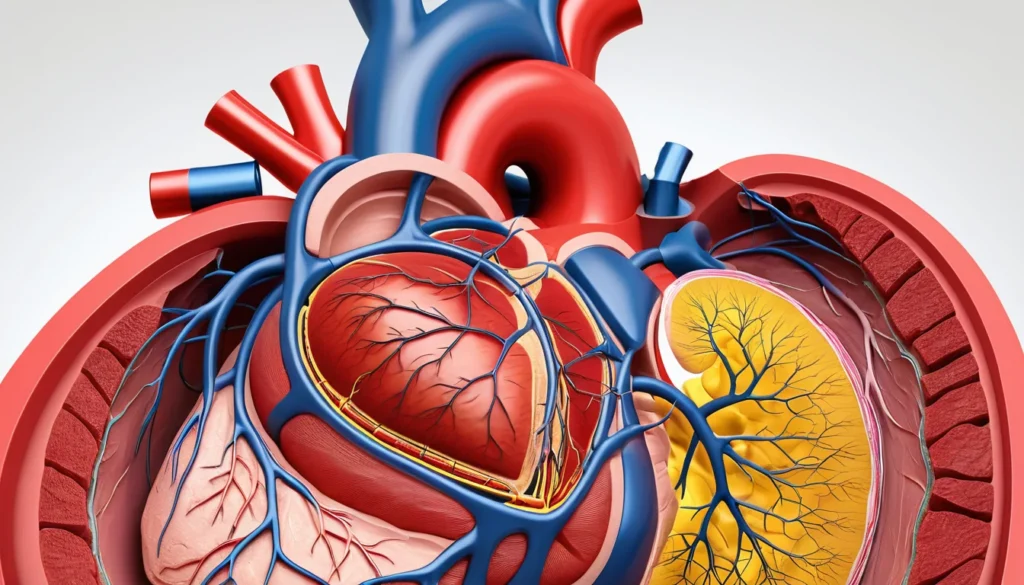
The main cause of cardiac asthma is left-sided heart failure. The left ventricle — the heart’s main pumping chamber — becomes too weak to push blood forward into the body. Blood then backs up into the left atrium and into the pulmonary veins that connect to the lungs.
This backup raises pressure in the lungs. When the pressure gets high enough, fluid leaks out of the blood vessels and into the lung tissue. This is called acute pulmonary edema, and it is a medical emergency.
Risk Factors to Know
Certain health conditions raise your risk of developing cardiac asthma. These include:
High blood pressure (hypertension) — puts extra strain on the heart over time
Diabetes — can damage blood vessels and weaken the heart muscle
Heart valve disease — affects how well blood flows through the heart
Angina (chest pain) — a sign the heart muscle is not getting enough blood
Heart attack (myocardial infarction) — can permanently damage heart muscle
Congestive heart failure — worsens as venous pressure increases
According to Health Canada, heart disease remains one of the leading causes of death in Canada. Managing your risk factors early is one of the best things you can do for your long-term health.
Symptoms of Cardiac Asthma
The symptoms of cardiac asthma can appear suddenly, especially at night. Many people wake up from sleep unable to breathe properly. This is one of the most telling signs of this condition.
Common symptoms include:
Shortness of breath, especially when lying down or during sleep
Orthopnoea — needing to sit upright or prop yourself up with pillows to breathe
Rapid, shallow breathing (tachypnoea)
Wheezing — a high-pitched whistling sound when breathing out
Productive cough — sometimes with pink or blood-tinged mucus
Feeling of suffocation or chest tightness
These symptoms can look like a severe bronchial asthma attack. However, if you have a history of heart problems, always treat these symptoms as a potential cardiac emergency. Do not wait to see if they go away on their own.
For more detail on breathing symptoms linked to heart conditions, visit the Mayo Clinic’s heart disease resource centre.
How Is Cardiac Asthma Diagnosed?
Starting With Your Doctor
A cardiologist (heart specialist) usually diagnoses and manages cardiac asthma. However, the process often starts with your family doctor or a visit to a walk-in clinic. Your doctor will ask about your symptoms, when they started, and your history of heart problems.
They will also do a physical exam, listening to your heart and lungs. This helps rule out other causes of breathing difficulty. From there, they will refer you for further testing.
Diagnostic Tests
To confirm a diagnosis of cardiac asthma, your doctor may order several tests. These can include:
Blood tests — to check for heart damage markers, inflammation, and clotting factors
Urine test — to assess kidney function and fluid balance
Electrocardiogram (ECG) — measures the heart’s electrical activity
Echocardiogram — an ultrasound of the heart to see how well it is pumping
Chest X-ray — shows fluid in the lungs and the size of the heart
Cardiopulmonary stress test — measures how the heart and lungs work during exercise
Cardiac CT or MRI — detailed imaging of the heart’s structure
Cardiac catheterisation — measures pressure inside the heart and blood vessels
Most of these tests are covered under provincial health plans in Canada, though wait times may vary by province. Ask your doctor which tests are most urgent for your situation.
Treatment Options for Cardiac Asthma
Treating cardiac asthma is very different from treating bronchial asthma. The goal is to treat the underlying heart condition and reduce fluid buildup in the lungs. Treatment is divided into emergency care and long-term management.
Emergency Treatment
Acute pulmonary edema is a medical emergency. If you or someone you know cannot breathe properly, call 911 immediately. In the emergency setting, doctors use:
Diuretics (water pills) — to quickly remove excess fluid from the body
Non-invasive ventilation support — such as a CPAP or BiPAP mask to help the patient breathe
Oxygen therapy — to raise blood oxygen levels quickly
Long-Term Treatment and Medications
Once the acute episode is under control, your cardiologist will create a long-term treatment plan. This plan targets the heart failure that causes cardiac asthma. It may include:
Regular physical activity — tailored to your fitness level and heart condition
Cardiac rehabilitation programme — a supervised programme to strengthen the heart
Implantable defibrillator (ICD) — for those at risk of dangerous heart rhythms
Biventricular pacemaker — helps both sides of the heart beat in sync
Medications commonly used to manage heart failure and cardiac asthma include:
ACE inhibitors — relax blood vessels and reduce the heart’s workload
Beta-blockers — slow the heart rate and lower blood pressure
Diuretics — reduce fluid buildup throughout the body
SGLT2 inhibitors — a newer class of drugs shown to improve heart failure outcomes
Aldosterone blockers — help control fluid and sodium balance
These medications can cause side effects such as fatigue, headaches, dizziness, and drowsiness. Always speak with your doctor before stopping or changing any medication. Your provincial drug benefit programme may cover some or all of these costs, depending on your province and income level.
Learn more about heart failure management from Healthline’s guide to heart failure treatment.
Prevention of Cardiac Asthma
Because heart failure causes cardiac asthma, preventing heart failure — or slowing its progression — is the best way to prevent cardiac asthma episodes. The good news is that many risk factors are within your control.
Here are key steps to lower your risk:
Control high blood pressure and diabetes with the help of your doctor
Maintain a healthy body weight to reduce strain on your heart
Exercise regularly — even gentle walking makes a difference
Manage daily stress through relaxation techniques, social support, or counselling
Do not smoke — smoking damages blood vessels and weakens the heart
Limit or avoid alcohol — alcohol can weaken the heart muscle over time
Avoid cardiotoxic substances — including certain over-the-counter drugs and recreational substances
See your doctor regularly — early treatment of heart conditions prevents them from getting worse
Prevention is always more effective than treatment. Small lifestyle changes, made consistently, can have a big impact on your heart health over time.
Outlook and Prognosis
Heart failure — the root cause of cardiac asthma — is a progressive condition. This means it tends to get worse over time, even with treatment. Symptoms can worsen suddenly and without warning.
However, many Canadians live well with heart failure by following their treatment plan and making healthy lifestyle changes. Medications and regular monitoring can slow the progression of the disease significantly.
Advanced heart failure can greatly reduce quality of life and may lead to other complications. Therefore, early diagnosis and consistent follow-up care are critical. Staying in contact with your healthcare team is one of the most important things you can do.
Cardiac asthma lasts as long as the underlying pulmonary hypertension continues. Managing it requires a long-term commitment to your health, your medications, and your lifestyle.
When to See a Doctor
If you develop sudden or worsening breathing problems, seek medical help right away. Do not wait to see if things improve on their own. Call 911 if you feel you cannot breathe at all.
See your family doctor or visit a walk-in clinic as soon as possible if you notice any of the following:
Sudden or severe shortness of breath
Swelling in your legs or ankles
Rapid or unexplained weight gain (more than 1–2 kg in a day or two)
Breathing difficulty when lying flat or during sleep
Loss of appetite or nausea without a clear cause
Allergic reaction to any of your current medications
Your family doctor can assess your symptoms, adjust your treatment, and refer you to a cardiologist if needed. Most provincial health plans cover these referrals at no direct cost to you. Always check with your province’s health authority for the most current coverage information.
This article is for informational purposes only and does not replace professional medical advice. Always consult your doctor or a qualified healthcare provider about any health concerns.
Frequently Asked Questions About Cardiac Asthma
What is the difference between cardiac asthma and regular asthma?
Cardiac asthma is caused by fluid buildup in the lungs due to heart failure, while regular (bronchial) asthma is a chronic lung disease caused by airway inflammation. Although both conditions cause wheezing and shortness of breath, they require completely different treatments. Getting the correct diagnosis from your doctor is essential for safe and effective care.
Can cardiac asthma be cured?
Cardiac asthma itself cannot always be permanently cured, because it depends on the underlying heart failure, which is often a long-term condition. However, with the right medications, lifestyle changes, and regular follow-up care, symptoms can be well controlled. Many Canadians manage cardiac asthma effectively and maintain a good quality of life.
Is cardiac asthma dangerous?
Yes, cardiac asthma can be life-threatening, especially during an acute episode of pulmonary edema (fluid in the lungs). This is a medical emergency that requires immediate treatment. If you or someone nearby suddenly cannot breathe, call 911 right away — do not drive yourself to the hospital.
What triggers cardiac asthma episodes?
Cardiac asthma episodes are often triggered by worsening heart failure, high salt intake, missed medications, physical overexertion, or infections like pneumonia. Lying flat can also trigger symptoms, which is why many people with cardiac asthma sleep propped up on pillows. Identifying and avoiding your personal triggers is an important part of managing this condition.