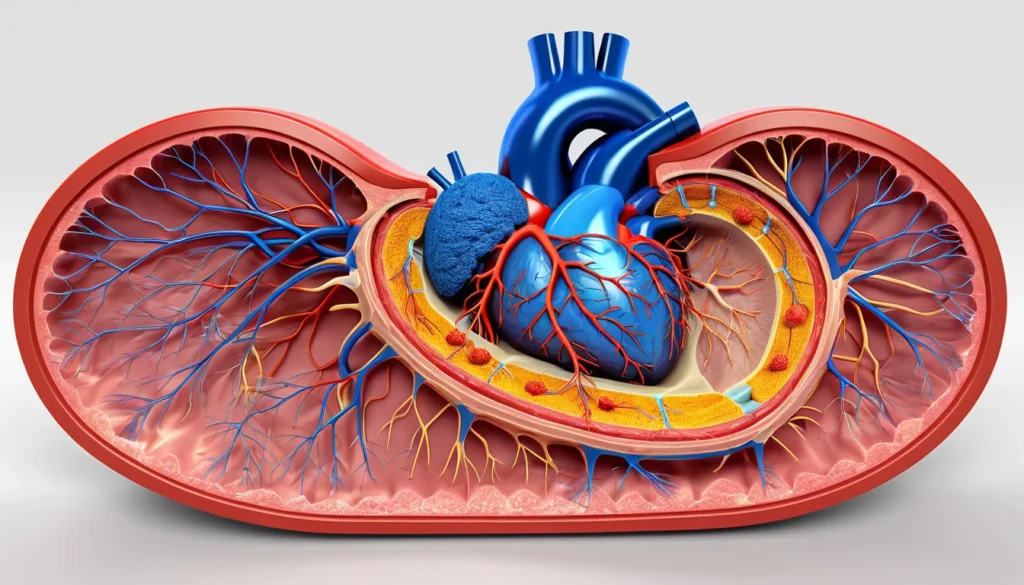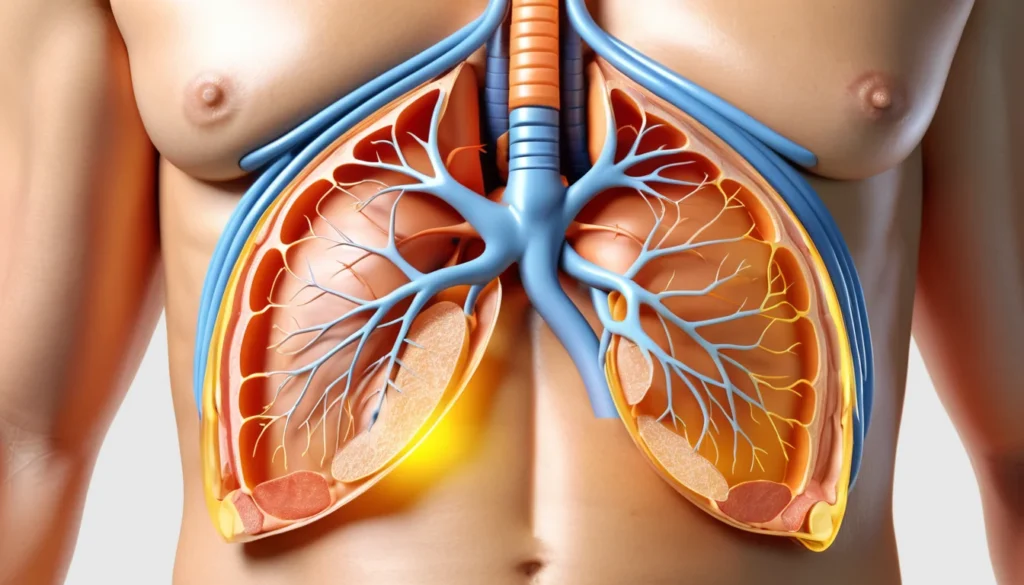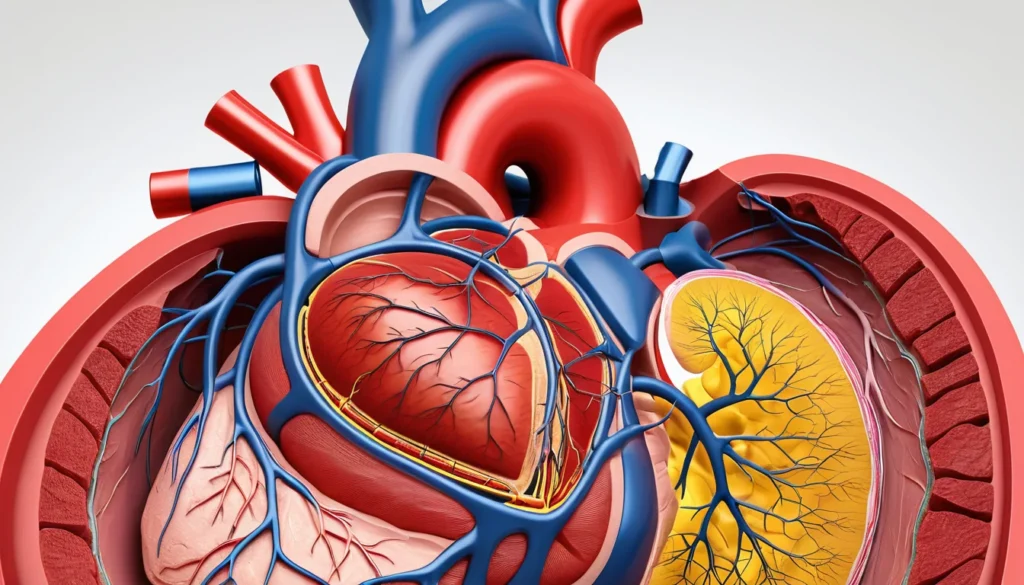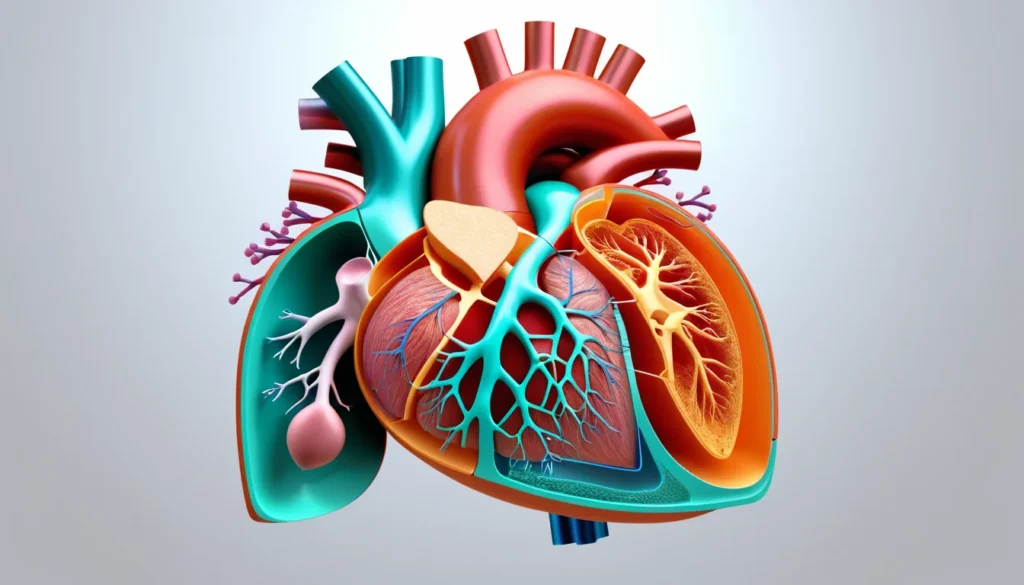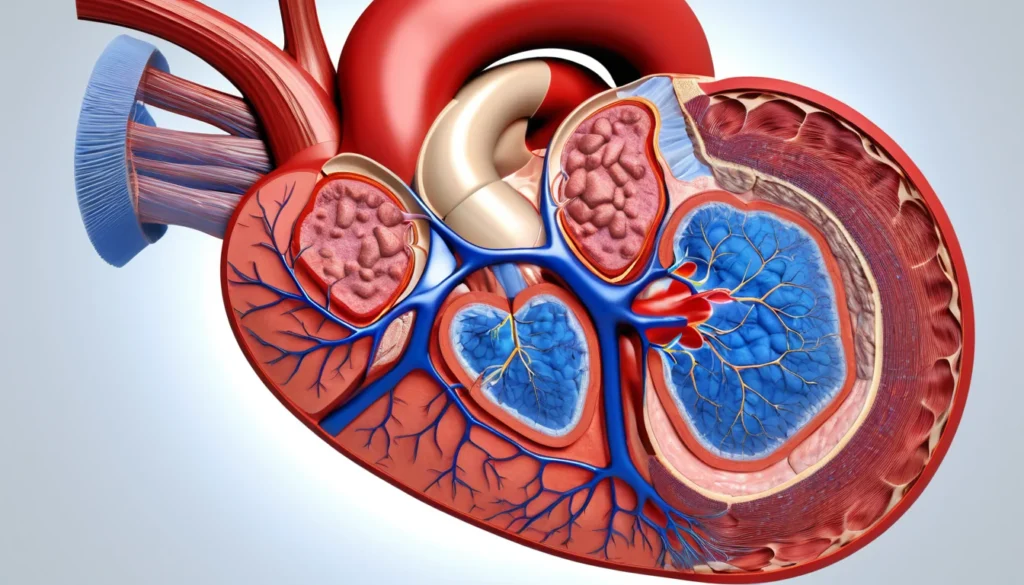
Cardiac amyloidosis is a serious heart condition where abnormal proteins build up inside the heart muscle. Over time, this buildup makes it harder for the heart to pump blood properly. It can affect people of any age, though it is most commonly diagnosed after age 50. This article explains what cardiac amyloidosis is, who is at risk, and what treatment options are available to Canadians.
What Is Cardiac Amyloidosis?
Cardiac amyloidosis happens when proteins in the body change shape and become abnormal. These misfolded proteins, called amyloid proteins, deposit themselves in different parts of the heart. As they accumulate, they interfere with the heart’s ability to pump blood efficiently.
This leads to a condition called systolic dysfunction — when the heart muscle becomes too stiff or thick to pump properly. The heart works harder and harder to do its job. As a result, it can eventually lead to heart failure.
Cardiac amyloidosis is considered a restrictive cardiomyopathy. This means the heart walls become rigid rather than flexible. According to the Mayo Clinic’s overview of amyloidosis, the condition can affect multiple organs beyond the heart, including the kidneys and liver.
Risk Factors for Cardiac Amyloidosis
Not everyone faces the same level of risk. However, certain factors make some people more likely to develop this condition. Understanding your risk can help you have a more informed conversation with your family doctor.
Age and Sex
Cardiac amyloidosis can appear in people as young as 20. However, it is rare under age 40. Most diagnoses happen at age 50 or older. Men are more commonly affected than women.
Country of Origin and Genetics
Certain genetic mutations that cause familial amyloidosis are more common in specific countries. These include Portugal, Japan, Sweden, and Finland, as well as several other European nations. If you or a family member came from one of these regions, mention it to your doctor.
In addition, research shows that a genetic mutation linked to amyloidosis appears in about 4% of people of African descent. This mutation can increase the risk of developing the condition later in life.
Long-Term Dialysis
People who have been on kidney dialysis for several years face a higher risk. Dialysis cannot always remove all abnormal proteins from the blood. Over time, these proteins accumulate and can cause structural damage to the heart.
How Cardiac Amyloidosis Affects the Heart
There are three main ways that cardiac amyloidosis damages the heart. Understanding these processes helps explain why symptoms can be so wide-ranging and serious.
Thickening of the Heart Walls
As amyloid proteins build up in the heart muscle, the walls of the heart become thicker. This forces the heart to work harder with every beat. Over time, this extra effort leads to heart failure.
Disruption of the Heart’s Electrical System
Amyloid deposits can weaken the heart’s electrical system. This leads to arrhythmias — irregular heartbeats. One of the most common arrhythmias in cardiac amyloidosis is atrial fibrillation, where the upper chambers of the heart beat chaotically.
Blockage of Heart Valves
Amyloid proteins tend to clump together and form large plaques. If these plaques build up near the heart valves, they can block or restrict blood flow. This limits circulation and puts further strain on the heart.
For a deeper look at how the heart works under stress, Healthline’s guide to amyloidosis offers a helpful explanation of these processes.
Signs and Symptoms of Cardiac Amyloidosis
Symptoms can vary widely from person to person. Some people with the genetic mutation never develop the disease at all. Others experience mild, moderate, or severe symptoms. Therefore, it is important to know what to watch for.
Heart-Related Symptoms
Shortness of breath (dyspnea): This is especially common during physical activity or when lying flat.
Swelling (edema): Fluid buildup most often appears in the legs, ankles, and abdomen.
Extreme fatigue: Feeling deeply exhausted over a period of days or weeks, not just after exercise.
Heart palpitations: An uncomfortable awareness of your own heartbeat, often rapid or irregular.
Swollen neck veins: The jugular veins in the neck can become visibly enlarged due to increased pressure in the heart.
Enlarged liver (hepatomegaly): Excess pressure from the heart can back up into the liver, causing it to swell.
Reduced kidney function: Amyloid deposits can cause inflammation or damage in the kidneys.
Non-Cardiac Symptoms
Interestingly, cardiac amyloidosis can also show up outside the heart. These symptoms may appear before any heart problems are noticed. Furthermore, they can sometimes be early warning signs of the disease.
Unusual bruising
Swelling or enlargement of the tongue
Carpal tunnel syndrome: This can appear several years before heart symptoms develop and may be an early clue.
Narrowing around the lower spinal canal (lumbar spinal stenosis)
Vision or hearing changes
Tingling or numbness in the hands and feet
If you notice several of these symptoms together, it is worth speaking with your family doctor or visiting a walk-in clinic for an initial assessment.
Causes of Cardiac Amyloidosis
Most forms of cardiac amyloidosis involve changes to DNA. DNA carries the instructions that tell your cells how to build and shape proteins. When those instructions are faulty, proteins can form incorrectly and become amyloid deposits.
Inherited Genetic Mutations
Some genetic mutations are passed down from parents to children. A parent may carry the faulty gene without ever developing the disease themselves. However, for a child to develop clinical amyloidosis, both parents typically need to carry the specific mutation.
Acquired Genetic Mutations
Other mutations are not inherited. Instead, they develop spontaneously at some point during a person’s life. Dialysis-related amyloidosis and ATTR amyloidosis are examples of this type.
Wild-Type ATTR Amyloidosis
ATTR amyloidosis, also called wild-type amyloidosis, happens when the body produces normal proteins that become unstable with age. These proteins lose their proper shape over time and start to deposit in the heart. This type is closely linked to the natural aging process.
Dialysis-Related Amyloidosis
In dialysis-related amyloidosis, the kidneys are no longer filtering blood effectively. Dialysis helps, but it cannot always remove a protein called beta-2 microglobulin fast enough. As this protein accumulates, it begins to damage the heart and other tissues.
The Health Canada health information portal offers guidance on managing chronic conditions and finding specialist care through your provincial health plan.
Treatment Options for Cardiac Amyloidosis
Treatment for cardiac amyloidosis depends on the type and how advanced it is. Most forms cannot be fully cured, but symptoms can be managed effectively. Early diagnosis gives the best chance at slowing the disease’s progression.
Managing Heart Failure Symptoms
Your doctor may prescribe medications to reduce fluid buildup, control your heart rate, and ease the workload on your heart. Diuretics (water pills) are commonly used to reduce swelling. Your care team will monitor you closely and adjust treatment as needed.
Medications That Target Amyloid Proteins
Newer medications can slow or stop the production of amyloid proteins. For ATTR amyloidosis, drugs called TTR stabilizers have shown good results. These are typically prescribed by a specialist, such as a cardiologist or internal medicine doctor, who can refer you through your provincial health plan.
Treating Arrhythmias
If cardiac amyloidosis has affected your heart’s electrical system, your doctor may recommend a pacemaker or medication to regulate your heartbeat. Atrial fibrillation is often managed with blood thinners to reduce the risk of stroke.
Chemotherapy and Stem Cell Transplant
For certain types of amyloidosis, such as AL amyloidosis, chemotherapy may be needed to stop abnormal cells from producing harmful proteins. In some cases, a stem cell transplant may be considered. These options are decided by a specialist team.
Dialysis Adjustments
For dialysis-related amyloidosis, switching to a more frequent or different type of dialysis may help remove more of the problem proteins. Your nephrologist (kidney specialist) will guide this decision.
When to See a Doctor
If you are experiencing shortness of breath, persistent swelling, extreme fatigue, or an irregular heartbeat, do not wait. These symptoms can have many causes, and only a medical professional can determine what is going on.
Start by booking an appointment with your family doctor. If you do not have a family doctor, a walk-in clinic can provide an initial assessment and referral. Most provinces also offer Telehealth lines where a registered nurse can advise you at no cost.
Early detection of cardiac amyloidosis can make a meaningful difference in your quality of life. If you have a family history of heart disease or come from a region with higher rates of hereditary amyloidosis, be sure to mention this to your doctor. Always speak with a qualified healthcare provider before making any changes to your health routine or treatment plan.
Frequently Asked Questions About Cardiac Amyloidosis
What is cardiac amyloidosis and how serious is it?
Cardiac amyloidosis is a condition where abnormal proteins build up in the heart, making it stiff and reducing its ability to pump blood. It is a serious condition that can lead to heart failure if not treated. However, with early diagnosis and the right treatment, many people are able to manage their symptoms effectively.
What are the early warning signs of cardiac amyloidosis?
Early signs of cardiac amyloidosis can include carpal tunnel syndrome, tingling in the hands and feet, and unexplained fatigue. These non-cardiac symptoms sometimes appear years before heart problems develop. If you notice a combination of unusual symptoms, speak with your family doctor for an evaluation.
Is cardiac amyloidosis hereditary?
Some forms of cardiac amyloidosis are inherited, meaning they are passed down through family genes. However, other forms develop spontaneously due to aging or long-term dialysis, with no family link. If heart disease or amyloidosis runs in your family, it is worth discussing genetic screening with your doctor.
Can cardiac amyloidosis be cured?
Currently, most forms of cardiac amyloidosis cannot be completely cured. However, newer medications can slow the disease and help manage symptoms significantly. Treatment options depend on the type of amyloidosis, and your specialist can help determine the best plan for you.
How is cardiac amyloidosis diagnosed in Canada?
Diagnosis typically involves a combination of blood tests, urine tests, imaging such as an echocardiogram or MRI, and sometimes a tissue biopsy. Your family doctor can refer you to a cardiologist through your provincial health plan if amyloidosis is suspected. Genetic testing may also be recommended if a hereditary form is possible.
Who is most at risk for cardiac amyloidosis?
Cardiac amyloidosis most commonly affects men over the age of 50, though it can occur in younger adults. People of African descent, those with a family history of the condition, and individuals on long-term kidney dialysis face a higher risk. Certain genetic backgrounds, including Portuguese, Japanese, and Scandinavian heritage, are also associated with higher rates of hereditary cardiac amyloidosis.
Key Takeaways
Cardiac amyloidosis is caused by abnormal proteins that build up in the heart and interfere with its pumping ability.
The condition can be inherited or acquired, and is most common in men over age 50.
Symptoms range from shortness of breath and swelling to carpal tunnel syndrome and tingling in the limbs.
There are different types, including ATTR amyloidosis (linked to aging) and dialysis-related amyloidosis.
While most forms cannot be cured, newer medications and specialist care can slow progression and improve quality of life.
If you are concerned, start by speaking with your family doctor or visiting a walk-in clinic for a referral through your provincial health plan.
Always consult a qualified healthcare provider for advice specific to your health situation.