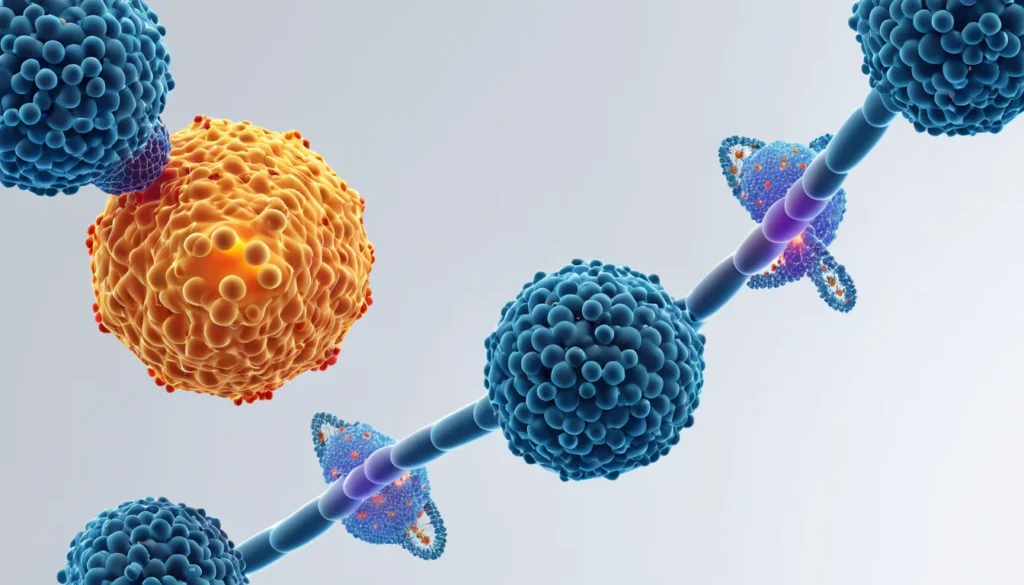
Carcinogenesis is the process by which normal cells in your body transform into cancer cells. It happens gradually, through a series of genetic mutations that build up over time. Understanding how cancer starts can help you make informed decisions about your health. This article explains the science behind carcinogenesis in plain language — and what it means for everyday Canadians.
What Is Carcinogenesis?
The word carcinogenesis comes from the Greek word for cancer (karkinos) and the Latin word for origin (genesis). You may also hear it called oncogenesis or cancerogenesis. All three terms mean the same thing: the process by which cancer begins.
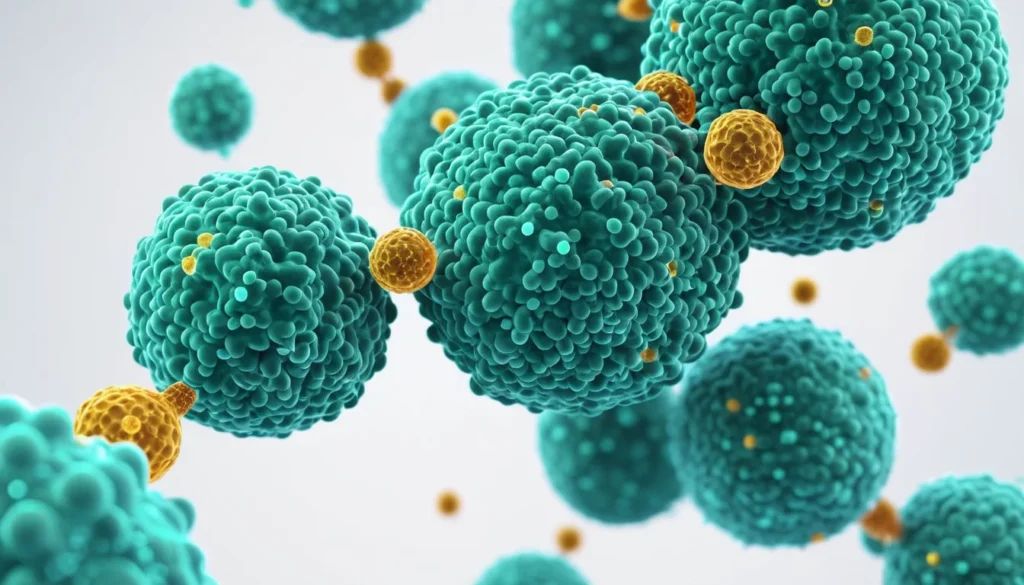
In simple terms, carcinogenesis is what happens when a healthy cell stops following the body’s normal rules. Instead of growing, dividing, and dying in an orderly way, it begins to multiply out of control. Over time, these abnormal cells can form a tumour or spread through the body.
Cancer does not happen overnight. It is a slow, multi-step process. Scientists believe most cancers require several genetic changes before a cell becomes fully cancerous. For more background, the World Health Organization’s cancer fact sheet offers a helpful global overview.
The Three Stages of Carcinogenesis
Researchers have identified three main stages in the development of cancer. Understanding these stages helps explain why cancer can take years — or even decades — to appear.
Stage 1: Initiation
Initiation is the first stage. This is when a cell’s DNA suffers a mutation — a change in its genetic code. This change can be caused by something external, like a chemical, radiation, or a virus. It can also happen due to a random error when a cell copies its DNA during normal division.
Not every mutation leads to cancer. Your body has built-in repair systems that fix most DNA errors. However, if the damage is not repaired, the mutation becomes permanent. The cell is now “initiated,” meaning it carries a genetic change that could eventually lead to cancer.
It is important to know that an initiated cell does not yet act like a cancer cell. It still looks and behaves normally at this stage. The process of carcinogenesis has simply begun.
Stage 2: Promotion
Promotion is the second stage. During this phase, the initiated cell begins to divide more rapidly than normal. It is encouraged to grow by certain substances or conditions called promoters.
Promoters do not directly damage DNA. Instead, they create an environment where abnormal cells are more likely to thrive. Examples include chronic inflammation, hormonal imbalances, or long-term exposure to tobacco smoke. Unlike initiation, promotion is often reversible — removing the promoter can slow or stop this stage.
This is one reason why lifestyle changes, such as quitting smoking or reducing alcohol intake, can genuinely lower cancer risk. The promotion stage can last for many years.
Stage 3: Progression
Progression is the final stage of carcinogenesis. Here, the abnormal cells accumulate even more mutations. They become increasingly aggressive and unstable.
During progression, cells may invade nearby tissues or break away and travel through the bloodstream to other parts of the body. This spreading process is called metastasis. At this point, the cancer is considered fully developed and much harder to treat.
Therefore, early detection — before progression occurs — is critical. Regular screening and awareness of warning signs give people the best chance of catching cancer early.
What Causes Carcinogenesis? Common Risk Factors
Many different factors can trigger or speed up the process of carcinogenesis. Some are within your control, and some are not. Understanding both types can help you and your family doctor create a plan to reduce your personal risk.
Environmental and Lifestyle Factors
These are among the most studied causes of carcinogenesis. They include:
Tobacco use: Smoking is the leading preventable cause of cancer in Canada. It introduces dozens of carcinogens — substances that trigger carcinogenesis — directly into the lungs and bloodstream.
Ultraviolet (UV) radiation: Overexposure to the sun or tanning beds damages the DNA in skin cells. This is the main driver of skin cancer.
Alcohol consumption: Regular heavy drinking increases the risk of several cancers, including those of the mouth, liver, and colon.
Diet and physical activity: A diet low in fibre and high in processed foods, combined with a sedentary lifestyle, is linked to higher cancer risk.
Occupational exposures: Some workplaces expose people to known carcinogens, such as asbestos, benzene, or formaldehyde.
Biological and Genetic Factors
Some people carry inherited gene mutations that make carcinogenesis more likely. For example, mutations in the BRCA1 and BRCA2 genes significantly raise the risk of breast and ovarian cancers. However, having one of these gene variants does not mean you will definitely develop cancer.
Age is also a major biological factor. As we get older, our cells have had more time to accumulate mutations, and our DNA repair systems become less efficient. This is why cancer rates rise significantly after age 50 in Canada.
In addition, certain viruses can directly trigger carcinogenesis. Human papillomavirus (HPV) is linked to cervical and throat cancers. The hepatitis B and C viruses are connected to liver cancer. Vaccines and antiviral treatments can reduce these risks significantly.
Carcinogenesis and Cancer Prevention in Canada
The good news is that many of the factors that drive carcinogenesis are preventable. Public health experts estimate that roughly 40% of cancers in Canada could be prevented through lifestyle changes and early screening.
Health Canada’s cancer prevention resources offer practical guidance on reducing your risk. Key steps include quitting smoking, maintaining a healthy weight, limiting alcohol, protecting your skin from UV exposure, and staying up to date on cancer screenings.
Screening programmes are particularly important. Provincial health plans across Canada cover several routine cancer screenings, including mammograms for breast cancer, Pap tests for cervical cancer, and colorectal cancer screening for adults over 50. These programmes catch cancer in its earliest stages — often before carcinogenesis has fully progressed.
Furthermore, getting vaccinated against HPV is one of the most effective ways to prevent virus-driven carcinogenesis. The HPV vaccine is publicly funded for eligible age groups in every province and territory in Canada.
How Doctors Detect and Study Carcinogenesis
Doctors and researchers study carcinogenesis in several ways. Understanding how cancer develops helps them find it earlier and treat it more effectively.
Diagnostic Tools
When a doctor suspects that carcinogenesis may have produced abnormal cells, they use a range of diagnostic tools. These include imaging tests like MRI and CT scans, blood tests, and biopsies — where a small sample of tissue is removed and examined under a microscope.
Genetic testing has also become an important tool. It can identify inherited mutations that put certain individuals at higher risk. If you have a strong family history of cancer, your family doctor may refer you for genetic counselling.
Emerging Research
Scientists are constantly improving their understanding of carcinogenesis at the molecular level. New research is exploring how to identify cancer-causing mutations earlier, even through simple blood tests known as liquid biopsies. As a result, the future of cancer detection looks very promising.
Immunotherapy — a treatment that helps the body’s own immune system attack cancer cells — is also closely linked to our understanding of carcinogenesis. By knowing how cells become cancerous, researchers can develop more targeted treatments. The Mayo Clinic’s overview of cancer explains some of these newer approaches clearly.
When to See a Doctor
You do not need to wait for symptoms to talk to a healthcare provider about cancer risk. In fact, the best time to discuss carcinogenesis and prevention is during a routine check-up — long before any problems arise.
Book an appointment with your family doctor if you have concerns about your cancer risk, a strong family history of cancer, or if you notice any unusual or persistent changes in your body. These may include unexplained weight loss, a lump or swelling, unusual bleeding, or changes to a mole or skin patch.
If you do not have a family doctor, a walk-in clinic can provide an initial assessment and refer you to the appropriate specialist. Most provincial health plans cover these visits at no direct cost to you. Do not let a lack of a regular family doctor stop you from seeking care.
Always consult a qualified healthcare professional for any health concerns. The information in this article is for educational purposes only and is not a substitute for professional medical advice.
Frequently Asked Questions About Carcinogenesis
What is carcinogenesis in simple terms?
Carcinogenesis is the process by which normal body cells gradually turn into cancer cells through genetic mutations. It happens in stages — initiation, promotion, and progression — and can take many years to develop. Think of it as the biological story of how cancer begins.
What are the main causes of carcinogenesis?
The main causes of carcinogenesis include tobacco use, UV radiation, alcohol, certain viruses like HPV, inherited gene mutations, and exposure to chemicals or radiation. Lifestyle factors play a big role, and many of these triggers are preventable. Age is also a significant factor, as DNA repair becomes less effective over time.
Is carcinogenesis the same as cancer?
No — carcinogenesis is the process that leads to cancer, not cancer itself. It refers to all the cellular and genetic changes that happen before a tumour forms. By the time a person is diagnosed with cancer, carcinogenesis has already been underway for some time.
Can carcinogenesis be stopped or reversed?
In the early promotion stage, carcinogenesis can sometimes be slowed or interrupted by removing the triggering factor — for example, quitting smoking or treating a chronic infection. Once progression begins, it becomes much harder to reverse. This is why prevention and early detection are so important.
How long does carcinogenesis take?
Carcinogenesis is typically a slow process that can take anywhere from several years to several decades. The exact timeline depends on the type of cancer, the person’s genetics, and their exposure to risk factors. This long window is also why regular cancer screenings are so valuable for catching changes early.
What cancers are most linked to environmental carcinogenesis?
Lung cancer is most strongly linked to environmental carcinogenesis through tobacco smoke. Skin cancer is closely tied to UV radiation exposure. Colorectal, liver, and throat cancers are also commonly associated with environmental and lifestyle-related triggers such as alcohol, diet, and viral infections.
Key Takeaways
Carcinogenesis is the step-by-step process by which normal cells become cancer cells through genetic mutations.
It occurs in three stages: initiation, promotion, and progression.
Common triggers include tobacco, UV radiation, alcohol, certain viruses, inherited gene mutations, and chemical exposures.
Many cancers are preventable — lifestyle changes and screening programmes can significantly lower your risk.
Provincial health plans in Canada cover many cancer screenings and the HPV vaccine, which directly targets virus-driven carcinogenesis.
Talk to your family doctor or a walk-in clinic if you have concerns about your cancer risk — early action is always your best option.