Canker sores are small, painful ulcers that form inside the mouth. They are one of the most common oral health complaints seen by family doctors and dentists across Canada. Although they are rarely serious, they can make eating, drinking, and talking very uncomfortable. The good news is that most canker sores heal on their own within seven to ten days.
What Are Canker Sores?
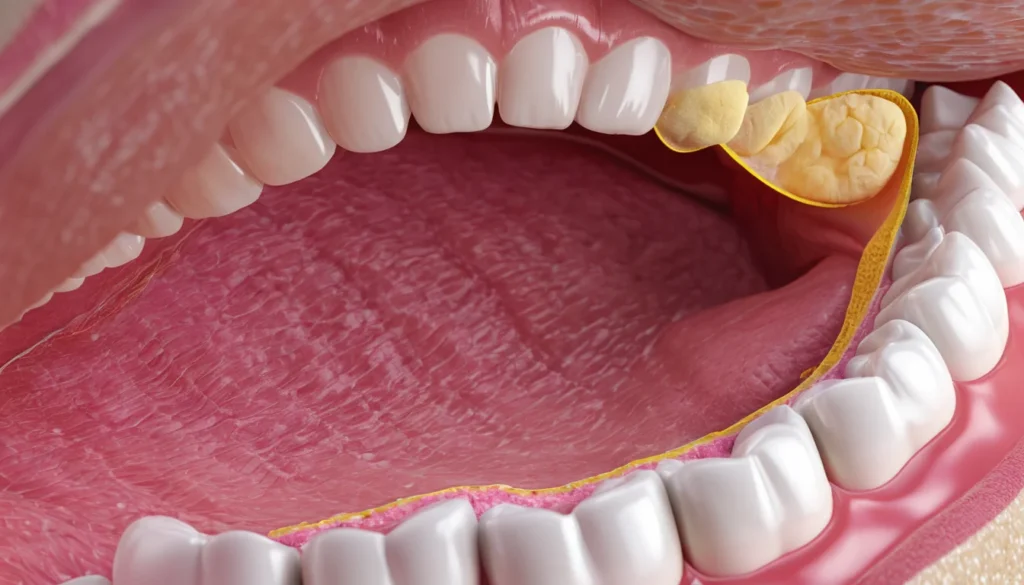
A canker sore is a shallow, open sore that develops on the soft tissues inside your mouth. You might notice them on the inside of your lips or cheeks, on your gums, or along the edges of your tongue. They are round or oval in shape, with a yellowish centre and a red, inflamed border.
Unlike cold sores, canker sores do not appear on the outer surface of the lips or skin. They are also not contagious. You cannot spread them to another person through kissing or sharing food.
In rare cases, similar sores can appear on the genitals. When this happens, it is usually a sign of a broader condition that needs medical attention. Always speak with your family doctor if you notice sores in areas other than your mouth.
Types of Canker Sores
Not all canker sores look or behave the same way. They tend to fall into a few different categories depending on their size and severity.
Minor Canker Sores
Minor canker sores are the most common type. They are small — usually less than one centimetre across. They heal on their own within one to two weeks and rarely leave a scar.
Major Canker Sores
Major canker sores are larger and deeper than minor ones. They can be very painful and may take several weeks to heal. In some cases, they leave a scar after healing. This type is less common but more disruptive to daily life.
Herpetiform Canker Sores
Herpetiform canker sores appear as clusters of tiny ulcers. Despite the name, they have nothing to do with the herpes virus. These clusters can merge into one larger sore. They often heal within one to two weeks.
What Causes Canker Sores?
The exact cause of canker sores is not fully understood. However, researchers have identified several triggers that can bring them on. Most people find that their sores are linked to more than one factor at a time.
Common Triggers
Several everyday factors are known to trigger canker sores in people who are prone to them. These include:
Minor injuries to the mouth, such as biting your cheek or aggressive brushing
Eating highly acidic or spicy foods, such as citrus fruits, nuts, and strong condiments
Stress and physical exhaustion
Hormonal changes, especially around menstruation
Nutritional deficiencies, particularly in B vitamins, iron, or zinc
Certain toothpastes or mouthwashes that contain sodium lauryl sulphate
For example, some people notice that eating walnuts, almonds, or dried fruits consistently brings on a flare. Keeping a simple food diary can help you identify your personal triggers.
Underlying Health Conditions
In some cases, frequent or severe canker sores are linked to an underlying health condition. These may include inflammatory bowel diseases like Crohn’s disease or celiac disease. A weakened immune system can also make a person more prone to recurring sores.
A rare but serious condition called Behçet’s disease can cause repeated canker sores in the mouth and genitals, along with other symptoms. If you experience sores in multiple areas of the body, it is important to see your doctor promptly. Learn more about canker sore causes from the Mayo Clinic.
Symptoms of Canker Sores
Most people recognize a canker sore by its distinctive look and feel. The symptoms are usually easy to identify, even without a medical examination.
Early Warning Signs
Before a canker sore fully develops, you may notice a tingling or burning sensation inside your mouth. This feeling can start one to two days before the sore becomes visible. Some people also feel a slight swelling or tenderness in the affected area.
Visible Symptoms
Once the sore appears, it typically looks like a small crater on the inside of your mouth. The centre is usually white or yellowish. The edges are raised and surrounded by a red, inflamed ring.
Canker sores are almost always painful. The pain is often worse when you eat salty, spicy, or acidic foods. Talking and swallowing can also feel uncomfortable, particularly with larger sores.
In rare cases, especially with major sores, you may also experience mild fever, swollen lymph nodes in the neck, or a general feeling of fatigue. These symptoms suggest the body is mounting a stronger immune response.
How to Treat Canker Sores at Home
Most canker sores do not require a visit to a clinic. However, several home remedies and over-the-counter products can help reduce pain and speed up healing.
Pain Relief
Over-the-counter gels and rinses that contain a local anaesthetic — such as benzocaine — can temporarily numb the sore and reduce discomfort. These products are widely available at Canadian pharmacies without a prescription. Apply them directly to the sore as directed on the packaging.
Rinsing your mouth with a mild saltwater solution can also help soothe irritation. Mix half a teaspoon of salt into a cup of warm water. Swish it gently around your mouth for 30 seconds, then spit it out. Repeat a few times per day.
Antiseptic Mouthwashes
Antiseptic mouthwashes help reduce bacteria in the mouth and can prevent a canker sore from becoming infected. Look for products that contain chlorhexidine or cetylpyridinium chloride. Use them according to the label instructions. Avoid alcohol-based mouthwashes, as these can irritate the sore further.
Nutritional Support
If your canker sores are linked to nutritional deficiencies, increasing your intake of B vitamins may help. Foods rich in B vitamins include leafy greens, eggs, dairy products, and whole grains. In some cases, a doctor may recommend a supplement. Always discuss supplementation with a healthcare provider before starting.
Foods to Avoid During a Flare
Certain foods can make canker sore pain significantly worse. During a flare, try to avoid:
Citrus fruits and juices (oranges, lemons, grapefruit)
Spicy foods and hot condiments
Crunchy or sharp-edged foods like chips or crackers
Nuts, particularly walnuts and almonds
Dried fruits
Very hot beverages
Furthermore, drinking through a straw can reduce contact between liquids and the sore, making meals more comfortable during recovery.
How to Prevent Canker Sores
You may not be able to prevent canker sores entirely, especially if you are genetically prone to them. However, a few practical habits can reduce how often they occur and how severe they are.
Maintain Good Oral Hygiene
Brush your teeth gently twice a day using a soft-bristled toothbrush. Be careful not to accidentally brush or scrape the soft tissue inside your mouth. Floss daily to keep your gums healthy. Good oral hygiene helps prevent the minor injuries that often trigger canker sores.
Consider switching to a toothpaste that does not contain sodium lauryl sulphate (SLS). Some studies suggest that SLS-free toothpastes reduce the frequency of canker sores in people who are prone to them. Healthline has a helpful overview of canker sore prevention strategies.
Manage Stress and Fatigue
Stress is one of the most commonly reported triggers for canker sore flares. Finding healthy ways to manage stress — such as regular physical activity, adequate sleep, or mindfulness practices — can reduce how often sores appear. Even small changes to your daily routine can make a noticeable difference over time.
Watch What You Eat
Pay attention to which foods seem to bring on your canker sores. If you notice a pattern, try reducing or eliminating those foods from your diet. A balanced diet rich in vitamins and minerals will also support your immune system and overall mouth health.
When to See a Doctor
Most canker sores are harmless and heal without treatment. However, there are times when you should seek medical advice. Do not wait if you experience any of the following:
Sores that are unusually large or painful
Sores that last longer than three weeks without healing
Sores that keep coming back frequently
Sores spreading to your lips or skin
High fever alongside the sores
Difficulty drinking fluids due to pain
Sores appearing in the genital area
If you are in Canada, you can start by booking an appointment with your family doctor. If you do not have a family doctor, most walk-in clinics across the country can assess mouth sores and provide treatment if needed. Your pharmacist is also an excellent first resource — they can recommend appropriate over-the-counter products and let you know if a doctor’s visit is warranted.
In some cases, a doctor may prescribe a short course of topical antibiotics such as tetracycline, or a corticosteroid gel to reduce inflammation and speed healing. These are typically reserved for severe or recurring cases. Health Canada provides resources to help Canadians find local healthcare services.
Frequently Asked Questions About Canker Sores
Are canker sores contagious?
No, canker sores are not contagious. You cannot pass them to another person through kissing, sharing utensils, or any other form of contact. Unlike cold sores, canker sores are not caused by a virus that spreads between people.
How long do canker sores last?
Most minor canker sores heal completely within seven to ten days without any treatment. Major canker sores can take up to six weeks to heal. If your canker sore lasts longer than three weeks, it is a good idea to see your family doctor or visit a walk-in clinic.
What is the fastest way to heal a canker sore?
There is no instant cure for canker sores, but several steps can speed up healing. Applying an over-the-counter anaesthetic gel, rinsing with an antiseptic mouthwash, and avoiding trigger foods can all help. In more severe cases, a doctor may prescribe a topical treatment to reduce inflammation faster.
What foods trigger canker sores?
Common food triggers for canker sores include citrus fruits, spicy foods, nuts, dried fruits, and sharp-edged foods like chips. Acidic foods and drinks can also irritate the soft tissues of the mouth. Keeping a food diary can help you identify which specific foods bring on your flares.
Can stress cause canker sores?
Yes, stress is one of the most commonly reported triggers for canker sores. Physical exhaustion can also play a role in bringing on a flare. Managing stress through regular exercise, good sleep, and relaxation techniques may help reduce how often canker sores appear.
Are canker sores a sign of something serious?
In most cases, canker sores are a minor and temporary annoyance. However, frequent or severe canker sores can sometimes signal an underlying condition such as celiac disease, Crohn’s disease, or a weakened immune system. If your sores are recurring, unusually large, or appear alongside other symptoms, speak with your family doctor.
Key Takeaways
Canker sores are small, painful ulcers that form on the soft tissues inside the mouth.
They are not contagious and are different from cold sores.
Most canker sores heal on their own within seven to ten days.
Common triggers include stress, acidic foods, minor mouth injuries, and nutritional deficiencies.
Home treatment includes antiseptic rinses, numbing gels, and avoiding trigger foods.
Good oral hygiene and stress management can help prevent future flares.
See your family doctor or visit a walk-in clinic if sores are large, last more than three weeks, or keep coming back.
Always consult a healthcare professional before starting any new treatment or supplement.