Candida tropicalis is a type of fungus that naturally lives on human skin and in the digestive tract. In most healthy people, it causes no harm. However, in people with weakened immune systems, it can grow out of control and lead to serious infections. This article explains what Candida tropicalis is, what symptoms it causes, how doctors diagnose it, and what treatments are available to Canadians today.
What Is Candida Tropicalis?
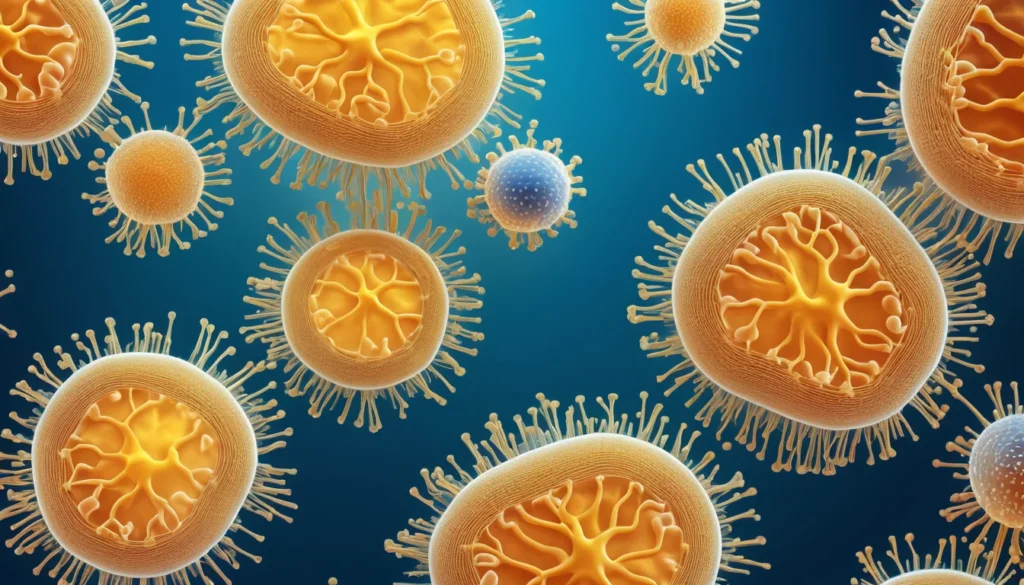
Candida tropicalis belongs to the Candida family of fungi. It is the second most common Candida species found in humans, after Candida albicans. Researchers have noted a dramatic rise in Candida tropicalis infections worldwide in recent years.
This fungus normally lives in small amounts in the gut and on the skin. In healthy individuals, the immune system keeps it under control. However, certain medical conditions can allow it to multiply rapidly and spread to other parts of the body.
People living with diabetes, lymphoma, or leukaemia are especially vulnerable. In these cases, Candida tropicalis can enter the bloodstream and cause a life-threatening condition called candidemia. For this reason, doctors and researchers now classify it as a fungus of growing concern. You can learn more about fungal infections from Health Canada’s official health resources.
Who Is at Risk of Candida Tropicalis Infection?
Not everyone exposed to Candida tropicalis will develop an infection. Certain risk factors make some people much more likely to get sick. Understanding these factors can help you protect your health.
People at higher risk include:
Those with weakened immune systems (for example, cancer patients or people living with HIV)
Patients receiving chemotherapy or radiation therapy
People with diabetes or other chronic illnesses
Individuals who have been on long-term antibiotic use
Patients in hospital settings, especially those in intensive care units
People with neutropenia (low levels of white blood cells)
In hospital settings, Candida tropicalis is a well-known cause of bloodstream infections. It tends to affect cancer patients with leukaemia or neutropenia most severely. As a result, doctors closely monitor these patients for early signs of infection.
Symptoms of Candida Tropicalis
The symptoms of a Candida tropicalis infection vary depending on where in the body the fungus is growing. Infections can affect the gut, skin, nervous system, immune system, and internal organs. Recognising the signs early is important for getting the right treatment quickly.
Digestive Symptoms
The digestive tract is one of the most common places where Candida tropicalis takes hold. Symptoms can include bloating, constipation, diarrhoea, indigestion, and abdominal pain. Many people also develop unusual food sensitivities or experience worsening allergies.
These gut symptoms are often mistaken for irritable bowel syndrome or other common digestive issues. Therefore, it is important to speak with your family doctor if your digestive problems are ongoing or getting worse.
Neurological Symptoms
Some people with Candida tropicalis overgrowth report symptoms that affect the brain and nervous system. These can include memory loss, severe mood swings, depression, and unexplained anxiety. Headaches and even migraines have also been reported in some cases.
In addition, some individuals experience panic attacks and unexplained irritability. These symptoms can be alarming and are often linked to the body’s response to toxins released by the fungus. However, these neurological symptoms have many possible causes, so a proper medical evaluation is essential.
Skin and Immune System Symptoms
When Candida tropicalis enters the bloodstream, it releases chemical compounds that can overwhelm the immune system. The body may react similarly to how it responds to an allergen. Common skin and immune symptoms include rashes, eczema, hives, and swelling.
In some cases, breathing problems can also occur. Skin infections caused by Candida tropicalis may appear between the fingers (interdigital candidiasis), around the nails (paronychia), or as a nappy rash in infants. These are signs of cutaneous (skin-based) candidiasis.
Symptoms of Invasive Infection
In more serious cases, Candida tropicalis can infect the lungs, gastrointestinal organs, and other internal tissues. This is called invasive or disseminated candidiasis. Symptoms of invasive infection can include high fever, chills, and signs of organ dysfunction.
Candidemia — a Candida infection in the bloodstream — is the most dangerous form. It mainly affects peripheral organs and requires urgent medical treatment. If you or a loved one is in hospital and develops a sudden fever with no clear cause, ask your care team about fungal infections.
How Is Candida Tropicalis Diagnosed?
Diagnosing Candida tropicalis involves a combination of physical examination, laboratory tests, and sometimes advanced molecular methods. Doctors use several techniques to identify this specific species of Candida accurately.
Physical and Morphological Assessment
In the lab, scientists examine Candida cells under a microscope. They look at the shape, structure, colour, and arrangement of the fungal cells. The presence of pseudohyphae (thread-like projections) and blastoconidia (budding cells) can also help confirm the species.
Biochemical and Physiological Testing
Doctors and lab technicians also use biochemical tests to identify Candida tropicalis. These tests check how the fungus uses carbon and nitrogen. Two important tests are the urease hydrolysis test and the diazonium blue B test — both return negative results for Candida tropicalis, which helps rule out other species.
Molecular and Genetic Testing
Increasingly, Canadian labs use DNA sequencing to identify Candida species with precision. Molecular methods provide a faster and more accurate diagnosis than traditional techniques alone. This is especially important when choosing the right antifungal treatment, since some strains of Candida tropicalis resist common medications.
For more information on how fungal infections are diagnosed, visit the Mayo Clinic’s guide to fungal infections.
Treatment Options for Candida Tropicalis
There are several effective treatment options for Candida tropicalis infections. The right treatment depends on the severity of the infection and where it is located in the body. Your doctor will choose the best approach based on your specific situation.
Antifungal Medications
Antifungal drugs are the main treatment for Candida tropicalis infections. Fluconazole and nystatin are commonly prescribed for vaginal yeast infections caused by this fungus. A single dose is effective in about 90% of straightforward cases.
For more serious infections — especially in hospitalised patients — doctors may prescribe amphotericin B or caspofungin. These stronger medications are used when the infection has spread to other organs or when the fungus resists fluconazole. Always follow your doctor’s instructions carefully when taking antifungal medications.
Topical Treatments
For skin infections and vaginal infections, topical treatments are often very effective. These include vaginal suppositories, antifungal creams, patches, and medicated solutions applied directly to the skin. Your doctor or pharmacist can recommend the right product based on where the infection is and how severe it is.
Topical treatments are widely available at Canadian pharmacies. Some mild cases can be managed with over-the-counter products. However, it is always best to confirm the diagnosis with a healthcare provider before starting treatment.
Preventive Measures
The single most important step in preventing Candida tropicalis infection is regular and thorough handwashing. Keeping skin clean and dry also helps prevent fungal overgrowth. For people at high risk — such as those undergoing chemotherapy — doctors may prescribe preventive antifungal medication.
Alternative and Complementary Approaches
Some research has explored natural remedies for Candida tropicalis. For example, extracts from bitter orange leaves — a plant native to Australia, Spain, Morocco, and South Africa — have shown promise against fluconazole-resistant strains in laboratory studies. However, these findings are still early-stage, and natural remedies should never replace prescribed medical treatment.
Always speak with your family doctor before trying any alternative treatments. Natural products can interact with prescription medications and may not be safe for everyone.
Antifungal Resistance: A Growing Concern
One of the most worrying trends in Candida tropicalis research is its growing resistance to antifungal medications. Fluconazole resistance, in particular, has been reported at increasing rates around the world. This makes treating infections more difficult and sometimes requires more potent medications with stronger side effects.
Scientists are still studying exactly why Candida tropicalis resists certain drugs and how the immune system responds to this fungus. Furthermore, the mechanisms that allow this fungus to become dominant in the gut and bloodstream are not yet fully understood. This is an active area of medical research.
For the latest updates on antifungal resistance, the World Health Organization tracks antimicrobial and antifungal resistance globally.
When to See a Doctor
You should speak with your family doctor or visit a walk-in clinic if you notice any of the symptoms described above — especially if they are persistent or worsening. Digestive problems, unusual skin rashes, or recurring yeast infections that do not clear up with standard treatment should always be evaluated by a healthcare professional.
If you are currently in hospital, have a weakened immune system, or are undergoing cancer treatment, report any new symptoms to your care team right away. Early diagnosis and treatment of Candida tropicalis is critical to preventing serious complications.
In Canada, you can access care through your provincial health plan. Most provinces cover visits to your family doctor or a walk-in clinic. If you do not have a family doctor, a walk-in clinic is a good first step for assessment and referral. Always consult a qualified healthcare provider before starting any new treatment for a fungal infection.
Frequently Asked Questions About Candida Tropicalis
What is Candida tropicalis and how is it different from other Candida species?
Candida tropicalis is a fungal species that normally lives in the human gut and on the skin. It is the second most common Candida species after Candida albicans. Unlike some other species, Candida tropicalis is more likely to cause serious bloodstream infections, especially in people with weakened immune systems.
What are the most common symptoms of a Candida tropicalis infection?
The most common symptoms of Candida tropicalis include bloating, diarrhoea, constipation, and abdominal pain. Skin rashes, hives, and mood changes can also occur. In severe cases, especially in hospitalised patients, it can cause fever and signs of organ involvement.
How is Candida tropicalis treated in Canada?
Candida tropicalis is typically treated with antifungal medications such as fluconazole or nystatin for mild infections. More serious infections may require stronger medications like amphotericin B or caspofungin, prescribed by a doctor in a hospital setting. Topical antifungal creams are also used for skin and vaginal infections.
Can Candida tropicalis be resistant to antifungal drugs?
Yes, Candida tropicalis has shown increasing resistance to fluconazole, a commonly used antifungal drug. This resistance is a growing concern for doctors worldwide. When resistance is present, alternative medications such as caspofungin or amphotericin B are used instead.
Who is most at risk of a serious Candida tropicalis infection?
People most at risk include those with leukaemia, neutropenia, diabetes, or other conditions that weaken the immune system. Patients receiving chemotherapy or staying in an intensive care unit are also at higher risk. Candida tropicalis bloodstream infections are especially common in cancer patients with low white blood cell counts.
Is Candida tropicalis contagious?
Candida tropicalis is not typically spread from person to person the way a cold or flu is. It is an opportunistic organism that already lives on the body and causes problems when the immune system is weakened. However, good hygiene practices, especially regular handwashing, are important to reduce the risk of spreading fungal organisms in healthcare settings.
Key Takeaways
Candida tropicalis is a common fungus that lives naturally in the human gut and on the skin.
It can become dangerous in people with weakened immune systems, diabetes, or blood cancers.
Symptoms range from digestive issues and skin rashes to serious bloodstream infections.
Diagnosis involves lab tests, biochemical analysis, and increasingly, DNA-based molecular testing.
Treatment includes antifungal medications such as fluconazole, nystatin, amphotericin B, and caspofungin.
Antifungal resistance is a growing concern globally and is being actively monitored by health authorities.
Regular handwashing is the simplest and most effective prevention measure.
If you have symptoms or risk factors, speak with your family doctor or visit a walk-in clinic covered by your provincial health plan.
Always consult a qualified healthcare provider before starting any treatment for a suspected fungal infection.