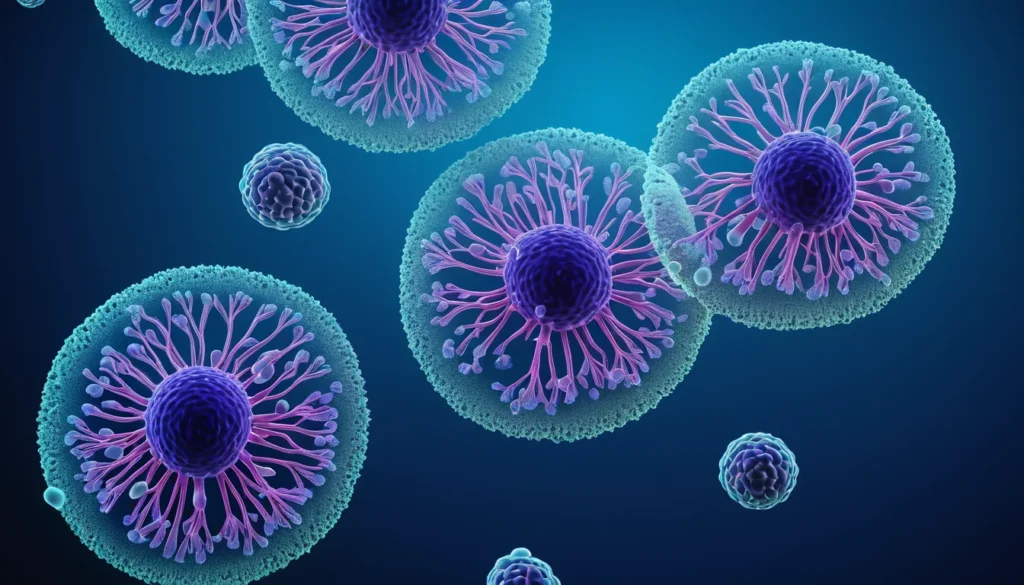
Candida krusei is a type of yeast fungus that can cause serious infections, especially in people with weakened immune systems. While it normally lives harmlessly in the body, it becomes dangerous when the immune system cannot keep it in check. What makes Candida krusei especially challenging is its natural resistance to common antifungal medications. In this article, we explain what this infection is, who is at risk, what symptoms to watch for, and what treatments are available through your family doctor or specialist.
What Is Candida Krusei?
Candida krusei is a diploid, dimorphic fungus that belongs to the ascomycete family. In simple terms, it is a yeast that can live on the mucous membranes of healthy people without causing harm. However, under certain conditions, it can grow out of control and cause infection.
This fungus is most often seen in hospital settings. It is considered a nosocomial pathogen, meaning it is commonly acquired during a hospital stay. People with blood cancers, organ transplant recipients, and those on long-term antifungal medication are at the highest risk.
Fungal infections are generally treated with five main classes of antifungal drugs. These include azoles, echinocandins, polyenes, allylamines, and nucleoside analogues. Unfortunately, Candida krusei has built-in resistance to fluconazole, one of the most widely used antifungal drugs. This makes treatment more complex.
Why Is Candida Krusei So Resistant to Treatment?
Fluconazole is typically the first choice for treating yeast infections. It is popular because it has low toxicity, dissolves easily in water, and works well throughout the body. However, Candida krusei is naturally resistant to fluconazole and can quickly develop resistance to other antifungal drugs as well.
The resistance happens through several mechanisms. These include changes to the drug’s target site inside the fungus, reduced drug concentration inside the fungal cell, and the development of alternative survival pathways. As a result, researchers are actively looking for new treatment options. You can read more about antifungal resistance at the World Health Organization’s overview of fungal infections.
Who Is at Risk of Candida Krusei Infection?
Most healthy people carry small amounts of Candida krusei in their body without any problems. The immune system normally keeps it under control. However, certain conditions allow this fungus to multiply rapidly and cause infection.
You may be at higher risk if you:
Have a weakened immune system due to illness or medication
Are undergoing treatment for blood cancers such as leukaemia or lymphoma
Have recently taken broad-spectrum antibiotics, which can disrupt healthy gut bacteria
Have been on long-term fluconazole prophylaxis (preventive antifungal treatment)
Are in an intensive care unit or have had a prolonged hospital stay
Have had an organ or bone marrow transplant
It is worth noting that the mortality rate from Candida krusei infections is significantly higher than that of the more common Candida albicans. This makes early diagnosis and appropriate treatment especially important.
Symptoms of Candida Krusei Infection
The symptoms of a Candida krusei infection vary widely depending on where the infection occurs in the body. In milder cases, symptoms are uncomfortable but manageable. In severe cases, especially in immunocompromised patients, the infection can become life-threatening.
Skin, Mouth, and Genital Infections
In visible areas such as the mouth, genitals, ears, or scalp, the infection often appears as a white, fluffy film on the surface of the skin or mucous membrane. This film is actually a growing colony of fungal cells.
Common symptoms in these areas include:
Local itching and burning sensation
Redness and irritation
White, cottage cheese-like discharge or patches
An unpleasant odour in the affected area
These symptoms are unpleasant but are generally not dangerous in people with healthy immune systems. However, it is still important to get a proper diagnosis and treatment.
Gastrointestinal Infections
A gastrointestinal Candida krusei infection may not always cause obvious symptoms, even while fungal colonies are actively growing in the soft tissues of the digestive tract. In more serious cases, a burning sensation in the gut may be present.
Broad-spectrum antibiotics are a common trigger for this type of infection. These antibiotics kill harmful bacteria but also destroy the healthy gut bacteria that normally keep yeast in check. This is one of the main reasons systemic fungal infections are so common in hospital settings.
Respiratory and Systemic Infections
Candida krusei can also spread to the respiratory tract. When this happens, symptoms may include a sore throat, hoarseness, and in some cases, pneumonia. These symptoms require urgent medical attention.
In the most severe cases, the fungus enters the bloodstream and spreads to multiple internal organs. This is called systemic or invasive candidiasis. Symptoms of systemic infection include:
Persistent fever that does not respond to antibiotics
Skin lesions
Septic shock in the most severe cases
Systemic Candida krusei infection is a medical emergency. If you or a loved one is in hospital and develops these symptoms, medical staff must be alerted immediately. For more information on systemic fungal infections, visit the Mayo Clinic’s resource on invasive fungal infections.
How Is Candida Krusei Diagnosed?
Diagnosing a Candida krusei infection begins with a conversation. Your doctor will ask about your medical history, current symptoms, any medications you are taking, and whether you have recently completed a course of antibiotics. They will also ask about any conditions that may affect your immune system.
Many common candida infections can be identified through a physical exam alone. However, because Candida krusei looks similar to other yeast infections, laboratory testing is often needed to confirm the diagnosis and identify the specific species involved.
Laboratory and Molecular Testing
Your doctor may take a swab from the affected area, or collect a blood sample if a bloodstream infection is suspected. This sample is then sent to a lab to grow and identify the organism. Knowing the exact species matters because different species respond to different antifungal drugs.
Identification methods for Candida krusei include immunological tests and more precise molecular methods. One specific test is the Krusei Colour Test, which uses a latex agglutination technique. It works by detecting a specific antigen found on the surface of C. krusei cells. Molecular testing is generally more accurate and is preferred when available.
Once the species is confirmed, your doctor can prescribe the most effective antifungal medication for your specific infection. This targeted approach is important given the drug resistance challenges associated with this fungus.
Treatment Options for Candida Krusei
Treating a Candida krusei infection requires careful selection of antifungal medication. Because this fungus is naturally resistant to fluconazole and ketoconazol, these drugs are not used. Instead, doctors turn to other effective options.
Antifungal medications commonly used to treat Candida krusei include:
Voriconazole – an azole antifungal that works against this species
Amphotericin B – a polyene antifungal used for serious systemic infections
Micafungin – an echinocandin antifungal
Caspofungin – another echinocandin option
Anidulafungin – a third echinocandin used in severe cases
Treatment by Infection Type
Skin infections are usually treated with topical antifungal creams, such as clotrimazole. These are applied directly to the affected area. Intestinal candidiasis may require oral antifungal medication in addition to topical treatment.
Systemic infections are more complex to treat and typically require intravenous antifungal medication in a hospital setting. In very rare cases, surgical drainage of infected areas may be needed. The colonised tissue may be removed before antifungal medication is given.
Your healthcare team will determine the best treatment plan based on the location and severity of your infection, as well as your overall health. Learn more about antifungal treatment options from Healthline’s guide to fungal infections and antifungal treatments.
When to See a Doctor
If you notice persistent white patches in your mouth, unusual genital discharge, or skin irritation that does not clear up on its own, it is a good idea to speak with your family doctor. Most mild yeast infections respond well to treatment when caught early.
In Canada, you can visit your family doctor or a walk-in clinic for an initial assessment. Provincial health plans cover medically necessary visits, so do not delay seeking care due to cost concerns. If you are already in hospital and develop a fever that does not respond to antibiotics, tell your care team right away, as this may signal a systemic fungal infection.
People with compromised immune systems, blood cancers, or those recovering from organ transplants should be especially vigilant. These groups face the greatest risk from Candida krusei and should have any new or unexplained symptoms evaluated promptly by a specialist.
Always consult your doctor or a qualified healthcare provider before starting, stopping, or changing any treatment. Self-diagnosing a fungal infection can lead to incorrect treatment and delay proper care.
Frequently Asked Questions About Candida Krusei
What is Candida krusei and how is it different from other yeast infections?
Candida krusei is a species of yeast fungus that is naturally resistant to fluconazole, the most commonly used antifungal drug. Unlike Candida albicans, the most common cause of yeast infections, Candida krusei is harder to treat and carries a higher risk of serious complications. It is most often seen in hospital patients with weakened immune systems.
Can a healthy person get a Candida krusei infection?
Candida krusei lives harmlessly on the mucous membranes of many healthy people. In most cases, a healthy immune system keeps it under control and prevents infection. However, taking broad-spectrum antibiotics or having a prolonged hospital stay can increase the risk even in otherwise healthy individuals.
Why does Candida krusei resist fluconazole?
Candida krusei has intrinsic, or built-in, resistance to fluconazole. This means the resistance is part of the fungus’s natural biology, not something it developed over time due to drug exposure. The fungus also rapidly develops resistance to other antifungal drugs, making treatment selection very important.
What antifungal medications work against Candida krusei?
Effective treatments for Candida krusei include voriconazole, amphotericin B, and echinocandins such as micafungin, caspofungin, and anidulafungin. Fluconazole and ketoconazole should not be used, as this species is resistant to them. Your doctor will choose the best option based on the severity and location of your infection.
How is a Candida krusei infection diagnosed in Canada?
In Canada, your family doctor or a hospital specialist can diagnose a Candida krusei infection through physical examination, lab cultures, and molecular testing. A swab or blood sample is taken from the affected area and sent to a lab to identify the exact species. Accurate species identification is essential because different types of Candida respond to different medications.
Is a Candida krusei infection dangerous?
For people with healthy immune systems, a Candida krusei infection is uncomfortable but manageable with proper treatment. However, for immunocompromised patients, the elderly, or those with serious underlying illnesses, this infection can become life-threatening. The mortality rate from systemic Candida krusei infection is considerably higher than that of more common yeast infections.
Key Takeaways
Candida krusei is a yeast fungus that lives harmlessly in healthy people but can cause serious infections in those with weakened immune systems. This fungus is naturally resistant to fluconazole, the most commonly used antifungal medication, making treatment more complex. People most at risk include hospital patients, those with blood cancers, organ transplant recipients, and individuals on long-term antibiotic or antifungal therapy. Symptoms range from mild itching and white patches to severe systemic infections with fever and septic shock. Effective treatments include voriconazole, amphotericin B, and echinocandin antifungals such as caspofungin and micafungin. In Canada, your family doctor or a walk-in clinic can assess mild symptoms. Severe or hospital-acquired infections require specialist care. Always speak with a qualified healthcare provider