Candida glabrata is a fungal organism that can cause serious infections in people with weakened immune systems. While it normally lives harmlessly on the skin and mucous membranes, it can become dangerous under the right conditions. In Canada, it is the second most common cause of candidiasis after Candida albicans, and it can be harder to treat. This article explains what Candida glabrata is, who is most at risk, and what your treatment options look like.
What Is Candida Glabrata?
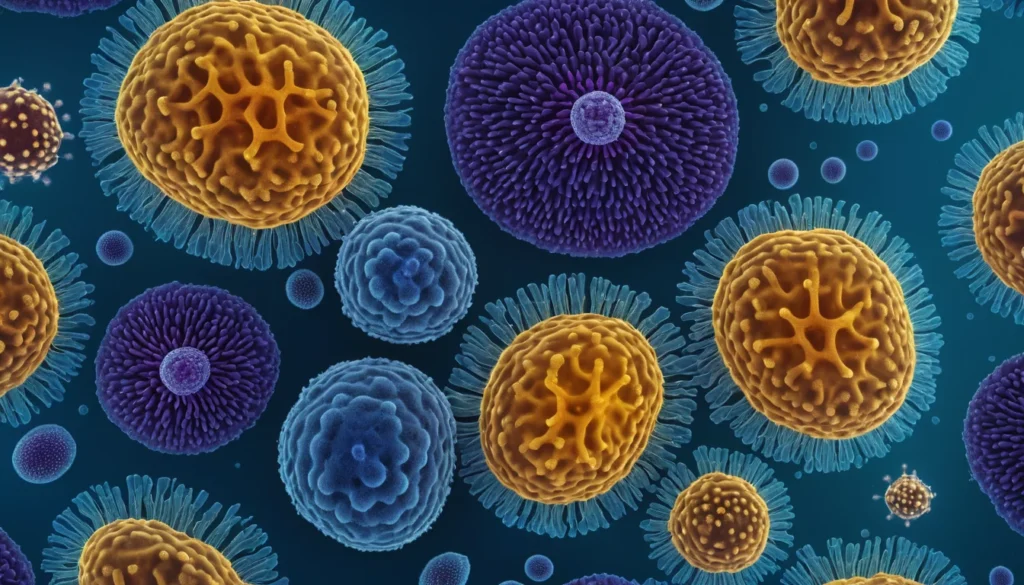
Candida is a large family of fungi. It includes around 154 species, and about six of those species regularly cause infections in humans. Candida glabrata is one of them. It is an opportunistic pathogen, meaning it takes advantage of a weakened immune system to cause illness.
Candida fungi naturally live on your skin, in your mouth, in your gut, and in the vagina. Most of the time, your immune system keeps them in check. However, when something disrupts that balance — like antibiotics, immunosuppressant medications, or illness — these fungi can multiply and cause infection.
Until recently, Candida glabrata was considered relatively harmless. However, its role as a serious human pathogen has grown significantly. This is partly due to the wider use of broad-spectrum antifungal drugs, immunosuppressive therapies, and antibiotic treatments. As a result, infections caused by this species — particularly in people living with HIV — have increased considerably. You can learn more about fungal infections from Health Canada’s official health resources.
Symptoms of Candida Glabrata Infection
Candida glabrata can cause a wide range of symptoms, from mild to life-threatening. The severity depends largely on your overall health and immune function. Most infections are superficial and clear up with treatment. However, in vulnerable individuals, the infection can enter the bloodstream and become very serious.
Common Symptoms by Infection Type
The symptoms you experience depend on where the infection develops in your body. Below are the most common presentations:
Vaginal infection: Itching, burning, and unusual discharge. This is one of the leading causes of vaginitis in women.
Oral infection (thrush): White patches in the mouth, soreness, and difficulty swallowing. Older adults are particularly vulnerable.
Urinary tract infection: Burning during urination, frequent urges to urinate, and lower abdominal discomfort.
Bloodstream infection (candidaemia): Fever, chills, and low blood pressure. This is a medical emergency.
Gastrointestinal infection: Bloating, cramping, and digestive upset. This is more common in elderly patients.
In addition, Candida glabrata has been linked to more serious conditions such as pneumonia, kidney infections (pyelonephritis), and endocarditis in immunocompromised patients. Both men and women can develop most forms of candidiasis. Furthermore, in both sexes, recurring Candida infections can be an early sign of HIV infection.
Who Is Most at Risk for Candida Glabrata?
Healthy people can develop Candida infections. However, certain groups face a much higher risk of developing a Candida glabrata infection. Knowing your risk factors is an important first step in prevention.
You are at higher risk if you:
Have recently taken antibiotics for a long period of time
Have diabetes with poorly controlled blood sugar levels
Have had a medical device inserted, such as a urinary catheter or central venous line
Wear dentures regularly
Have a weakened immune system — for example, if you are living with HIV, receiving cancer treatment, or taking immunosuppressant medications after an organ transplant
Are elderly, as immune function naturally declines with age
The risk of developing oral candidiasis also increases with age. Elderly Canadians are particularly susceptible to gastrointestinal forms of this infection. For a broader overview of yeast infection risk factors, the Mayo Clinic’s guide to yeast infections is a reliable resource.
How Is Candida Glabrata Diagnosed?
Diagnosing a Candida glabrata infection requires specific laboratory testing. Your doctor will not rely on symptoms alone, because many fungal infections look similar to other conditions.
Diagnostic Methods
The most reliable method is a fungal culture. Your doctor takes a swab from the infected area — the mouth, vagina, or urine — and sends it to a lab. The culture can take a few days to grow. However, once the fungus is isolated, specialists can identify the exact species quickly.
Urine tests alone are less accurate for identifying non-albicans Candida species like Candida glabrata. Skin infections are especially tricky to diagnose. Standard swabs and biopsies often test negative, so a specialist evaluation is needed.
If a bloodstream infection is suspected, blood cultures are essential. This is especially important in hospital settings, where candidaemia carries a high risk of complications and death. In fact, Candida glabrata is responsible for approximately 21% of deaths among children and adolescents with bloodstream Candida infections.
Treatment Options for Candida Glabrata
Treating Candida glabrata is more challenging than treating other Candida species. This is because it is known to resist azole antifungal medications — the most commonly prescribed class of antifungals. As a result, standard treatments like fluconazole are often less effective.
Antifungal Medications
When azole resistance is present, doctors typically prescribe alternative antifungal medications such as:
Amphotericin B: A powerful antifungal used for severe or systemic infections. It is given intravenously in hospital settings.
Flucytosine: Often used in combination with other antifungals to improve effectiveness.
Echinocandins (e.g., caspofungin, micafungin): These are now considered the first-line treatment for serious Candida glabrata infections in many clinical guidelines.
Interestingly, research has shown that preventive use of fluconazole has not increased the rate of bloodstream infections caused by Candida glabrata. However, appropriate antifungal prescribing remains critically important to prevent the development of drug resistance. Always follow your doctor’s full course of treatment and do not stop early.
Treatment in Canadian Healthcare Settings
In Canada, treatment for serious fungal infections typically takes place in hospital. Your provincial health plan generally covers inpatient antifungal treatment. For milder infections, your family doctor can prescribe oral antifungal medications. If you do not have a family doctor, a walk-in clinic can assess and treat most superficial Candida infections.
Prevention of Candida Glabrata Infections
Preventing Candida glabrata infections involves both personal habits and responsible practices in healthcare settings. There are steps that both patients and healthcare providers can take.
For Patients
Make sure everyone who enters your hospital room — including visitors and healthcare workers — cleans their hands before touching you or any equipment.
Ask your doctor whether you truly need antibiotics before taking them. Unnecessary antibiotic use disrupts healthy bacterial flora and increases fungal risk.
If you wear dentures, clean them thoroughly every day and remove them at night.
If you have diabetes, work with your healthcare team to keep your blood sugar levels well controlled.
For Healthcare Settings
Hospital infection control teams play a key role in prevention. They should monitor antifungal use closely and ensure that hand hygiene guidelines are strictly followed. Healthcare providers should document every antifungal prescription in detail — including the dose, duration, and reason for prescribing.
Furthermore, healthcare workers should stay up to date on which antifungals are losing effectiveness in their local area. This helps prevent the spread of resistant strains of Candida glabrata. The World Health Organization’s antimicrobial resistance resources provide useful guidance on this global challenge.
When to See a Doctor
If you think you have a Candida infection, it is important to get it checked out. Do not try to self-diagnose, especially if this is not your first infection or if your symptoms are worsening.
See your family doctor or visit a walk-in clinic if you notice:
Recurring yeast infections that do not clear up with over-the-counter treatments
White patches in your mouth that do not go away
Burning or discomfort when urinating
Unusual vaginal discharge or discomfort
Go to your nearest emergency department if you have a fever, chills, or feel suddenly very unwell — especially if you have a weakened immune system. These could be signs of a serious bloodstream infection that requires immediate care. Most provincial health plans cover urgent assessments for infections, so cost should not be a barrier to seeking help.
As always, speak with your doctor or a qualified healthcare provider before starting, stopping, or changing any treatment. The information in this article is for general educational purposes only and does not replace professional medical advice.
Frequently Asked Questions About Candida Glabrata
What is Candida glabrata and how is it different from a regular yeast infection?
Candida glabrata is a specific species of Candida fungus that tends to be more resistant to common antifungal medications than the more familiar Candida albicans. While both can cause similar symptoms such as vaginal itching, oral thrush, and urinary discomfort, Candida glabrata is harder to treat and more likely to cause serious illness in people with weakened immune systems. If standard yeast infection treatments are not working, your doctor may test to see which species is causing your infection.
Can Candida glabrata go away on its own?
Mild, superficial Candida glabrata infections may improve on their own if the underlying cause — such as recent antibiotic use — is resolved. However, because this species resists many standard treatments, it is best to see a doctor rather than wait and hope it clears up. Untreated infections can worsen or spread, particularly in people with health conditions that affect immunity.
Is Candida glabrata contagious?
Candida glabrata is not considered highly contagious in the way that a cold or flu is. It typically develops when the balance of microorganisms on your body is disrupted, rather than spreading from person to person. However, basic hygiene — such as handwashing — is still important to reduce any risk of transmission, especially in hospital settings.
Why is Candida glabrata resistant to fluconazole?
Candida glabrata has a natural tendency to develop resistance to azole antifungals like fluconazole. This happens because the fungus can change the way it processes these drugs or pump them out of its cells before they can cause damage. As a result, doctors often need to use alternative antifungals such as echinocandins or amphotericin B to effectively treat this infection.
Who is most at risk of a serious Candida glabrata infection in Canada?
People most at risk include those with HIV, those receiving cancer treatment, organ transplant recipients on immunosuppressant drugs, people with uncontrolled diabetes, and hospital patients with catheters or other invasive devices. Older Canadians are also more vulnerable due to naturally declining immune function. If you fall into one of these groups, talk to your family doctor or specialist about steps you can take to reduce your risk.
How is Candida glabrata treated in Canada?
In Canada, Candida glabrata infections are typically treated with echinocandin antifungals, which are considered the most effective first-line option for serious cases. Mild infections may be managed by your family doctor or at a walk-in clinic. More severe or systemic infections require hospital care, which is covered under provincial health plans. Your doctor will choose the right medication based on the location and severity of your infection.
Key Takeaways
Candida glabrata is the second most common species causing candidiasis, after Candida albicans.
It is an opportunistic fungus — it causes illness mainly when the immune system is weakened.
Common infections include vaginal, oral, urinary tract, and bloodstream infections.
It is notably resistant to azole antifungals like fluconazole. Alternative drugs such as echinocandins are usually needed.
High-risk groups include people with HIV, cancer patients, those with uncontrolled diabetes, denture wearers, and hospital patients with catheters.
Prevention includes good hand hygiene, careful antibiotic use, blood sugar management, and proper denture care.
If you suspect a fungal infection that is not responding to treatment, see your family doctor or visit a walk-in clinic. Do not wait.
Always consult a qualified healthcare provider for diagnosis and treatment. This article is for informational purposes only.