Cancer is one of the most common serious illnesses in Canada, affecting hundreds of thousands of Canadians every year. Understanding what cancer is, how it develops, and how doctors diagnose and stage it can help you feel more in control if you or a loved one receives a diagnosis. This article explains the key facts about cancer in plain language — from its causes to what cancer staging actually means for your treatment and outlook.
What Is Cancer?
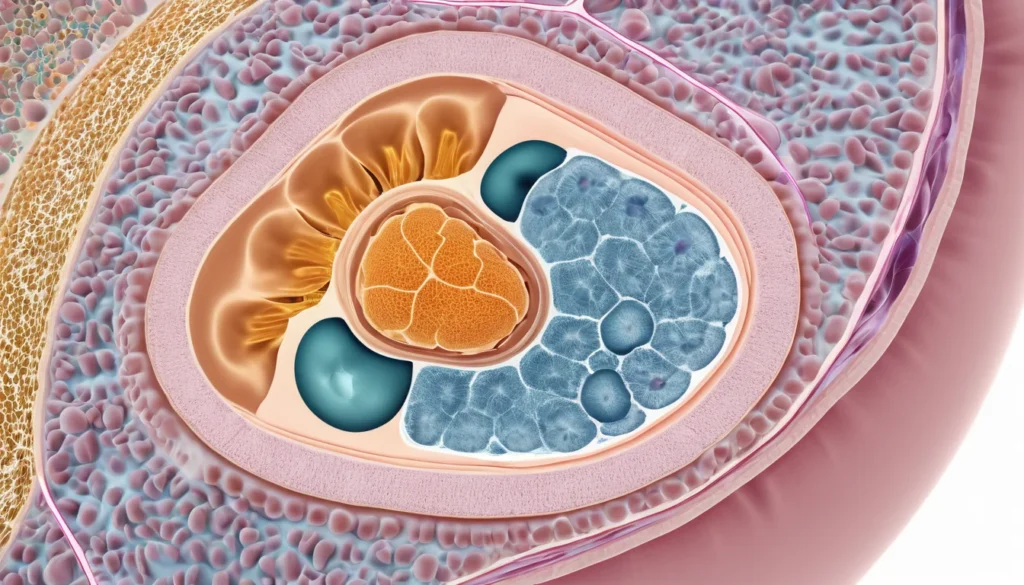
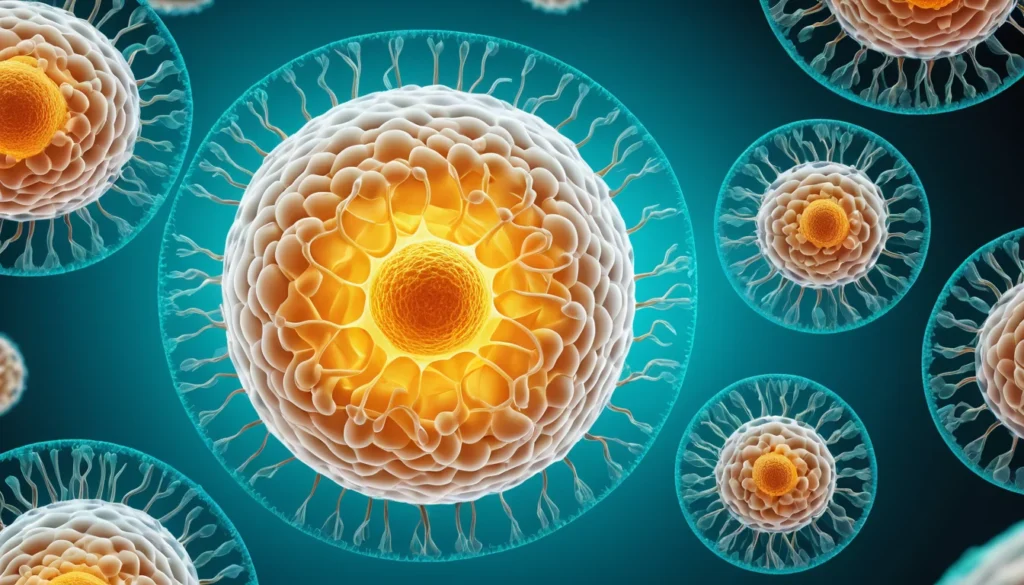
Cancer develops when certain cells in the body start dividing in an uncontrolled way. Normally, cells grow, divide, and die in an orderly process. However, when something goes wrong with that process, cells can keep multiplying and form a mass called a tumour.
Not all tumours are cancerous. Benign tumours stay in one place and do not spread. Malignant tumours, on the other hand, can invade nearby tissue and spread to other parts of the body.
Cancer is not one single disease. There are more than 100 types of cancer, and each behaves differently depending on where it starts and what kind of cells are involved. According to Health Canada, cancer remains one of the leading causes of death in the country.
How Cancer Spreads: Understanding Metastasis
The original tumour is made up of what doctors call primary cells. These are the cells where the uncontrolled division first began. Over time, some of these cells can break away from the original tumour.
Once loose, these cells can enter the bloodstream or lymphatic system and travel to other parts of the body. When they settle somewhere new and begin forming a second tumour, that is called a metastasis — or secondary tumour.
Why the Origin of Cancer Cells Matters
Metastatic cancer cells keep the characteristics of the original cancer cells, no matter where they end up. For example, colon cancer that spreads to the liver is still colon cancer — not liver cancer. This distinction is critically important because it determines which treatment your doctor will recommend.
Similarly, a bone tumour that has spread from breast cancer is treated very differently from a cancer that started in the bone itself. Therefore, doctors always work to identify exactly where a cancer originated before deciding on a treatment plan.
Cancer Diagnosis: How Doctors Confirm Cancer
Diagnosing cancer is a detailed process. A doctor may suspect cancer based on symptoms, a physical exam, or routine screening. However, confirming the diagnosis — and identifying the exact type — takes several steps.
Your family doctor or a specialist will likely order a series of tests. These may include blood work, imaging scans such as CT or MRI, and most importantly, a biopsy.
What Is a Biopsy?
A biopsy is a procedure where a small sample of tissue is removed from the suspected tumour. A pathologist — a doctor who studies tissue under a microscope — then examines the sample. This examination gives the most accurate picture of what type of cancer is present.
For some cancers, the type is fairly predictable. For instance, prostate cancer is most commonly a type called adenocarcinoma, and cervical cancer is often a carcinoma. In addition, some cancers of specific organs follow well-known patterns that help doctors narrow things down even before biopsy results come back.
Keeping Copies of Your Test Results
It is a good idea to keep copies of all your test results and reports. In Canada, you have the right to access your own medical records. Having these on hand makes it easier when seeing specialists, switching family doctors, or seeking a second opinion — all of which are reasonable steps to take after a cancer diagnosis.
You can also ask your doctor to explain the full medical name of your diagnosis, the cancer type, and the cell type involved. The more you understand, the better you can participate in decisions about your care. Mayo Clinic’s cancer overview is another helpful resource for understanding your diagnosis.
Cancer Staging: What the Numbers Mean
Once cancer is confirmed, doctors need to determine how far it has progressed. This process is called staging. Staging helps doctors recommend the right treatment and gives some indication of outlook, or prognosis.
Two common staging systems are used for solid tumours. The first is the classic system, which uses stages I through IV. The second is the TNM system, which is more detailed and looks at tumour size, lymph node involvement, and whether the cancer has spread.
Classic Cancer Stages Explained
Stage I: The tumour is small and has not spread to nearby tissue. In most cases, the cancer is highly treatable and the outlook is favourable.
Stage II and III: The cancer has grown and may have spread to nearby tissue or lymph nodes. Treatment and prognosis vary depending on the cancer type and the organ involved.
Stage IV: The cancer has spread to distant parts of the body (metastasized). This stage is generally considered advanced, and treatment focuses on managing the disease and maintaining quality of life.
It is important to note that staging for leukaemia works differently. In leukaemia, cancer cells travel freely through the blood rather than forming a solid tumour. As a result, the classic staging system does not apply.
Staging Before and After Surgery
In many cases, a definitive stage cannot be confirmed until after surgery. Before the operation, doctors work with a presumed or clinical stage based on scans and biopsies. After surgery, the pathologist can examine the full tumour and any removed lymph nodes to confirm the stage more precisely.
This means your treatment plan may be adjusted after surgery, once the full picture is clear. This is completely normal and expected in cancer care.
Cancer Recurrence and What It Means
Even after successful surgery that removes an entire tumour, cancer can sometimes come back. This happens because microscopic cancer cells may remain in the body, undetectable at the time of treatment. Over months or even years, these cells can grow into new tumours.
If the cancer returns in the same area as the original tumour, it is called a recurrence. If it appears in a different part of the body, it is called a metastasis. Both situations require reassessment and a new treatment plan.
This is why follow-up appointments after cancer treatment are so important. Regular check-ins with your healthcare team allow for early detection if the cancer returns. The World Health Organization’s cancer fact sheet highlights that early detection significantly improves outcomes.
Treatment: There Is No One-Size-Fits-All Approach
Cancer treatment is always tailored to the individual. The type of cancer, the organ involved, the cell type, and the stage all influence what treatment options are available. Common treatments include surgery, radiation therapy, chemotherapy, hormone therapy, immunotherapy, and targeted drug therapy — often used in combination.
Furthermore, two patients with the same type and stage of cancer may respond differently to the same treatment. Factors such as overall health, age, genetics, and personal preferences all play a role. Your healthcare team will work with you to build a plan that fits your specific situation.
In Canada, cancer treatment is covered under provincial and territorial health plans, though coverage details vary by province. Your oncologist and family doctor can help you understand what is covered in your region and what additional supports may be available.
When to See a Doctor
If you notice any unusual or persistent symptoms — such as unexplained weight loss, a new lump, changes in a mole, unusual bleeding, or a cough that will not go away — speak with a healthcare provider as soon as possible. These symptoms do not always mean cancer, but they deserve attention.
Start with your family doctor, who can assess your symptoms and refer you to a specialist if needed. If you do not have a family doctor, a walk-in clinic is a good first step. Early detection is one of the most powerful tools in cancer care.
Always consult your doctor before drawing any conclusions about symptoms or test results. A qualified healthcare professional is your best guide when it comes to cancer concerns.
Frequently Asked Questions About Cancer
What is cancer and how does it start?
Cancer starts when cells in the body begin dividing in an uncontrolled way, forming a mass called a tumour. This abnormal cell growth can happen in almost any part of the body. The exact cause varies by cancer type, but risk factors include genetics, lifestyle, and environmental exposures.
What are the early warning signs of cancer?
Common early warning signs of cancer include unexplained weight loss, a new or changing lump, unusual bleeding, persistent fatigue, or a sore that does not heal. However, many early cancers cause no symptoms at all, which is why regular screening is important. Talk to your family doctor if you notice anything unusual.
What does cancer staging mean?
Cancer staging describes how advanced the cancer is at the time of diagnosis, typically using a scale from Stage I (early, localised) to Stage IV (advanced, spread to other organs). Staging helps doctors choose the most appropriate treatment and gives an idea of the likely outcome. The stage may be updated after surgery once more information is available.
What is a biopsy and why is it needed for cancer diagnosis?
A biopsy involves removing a small sample of tissue so a pathologist can examine the cells under a microscope. It is the most reliable way to confirm a cancer diagnosis and identify the exact type of cancer. Without a biopsy, doctors cannot determine the precise cell type, which is essential for choosing the right treatment.
Can cancer come back after treatment?
Yes, cancer can return after treatment, sometimes months or even years later. This happens because microscopic cancer cells may survive initial treatment and grow again over time. Regular follow-up appointments with your healthcare team are essential for catching any recurrence as early as possible.
Is cancer treatment covered by provincial health plans in Canada?
Most core cancer treatments — including surgery, radiation, and chemotherapy — are covered under provincial and territorial health plans in Canada. However, some newer drug therapies or supportive services may have limited coverage depending on your province. Your oncologist or a cancer care social worker can help you understand what is available to you.
Key Takeaways
Cancer is the uncontrolled growth of abnormal cells that can form tumours and spread to other parts of the body.
When cancer spreads, it is called metastasis. Metastatic cells retain the characteristics of the original cancer, which affects how it is treated.
A biopsy is the most accurate way to confirm a cancer diagnosis and identify the exact cell type.
Cancer staging (Stage I through IV) helps doctors plan treatment and understand prognosis. Final staging is often confirmed after surgery.
Cancer treatment is highly individualised and depends on cancer type, stage, and overall health.
In Canada, most cancer treatments are covered under provincial health plans. Your family doctor or oncologist can guide you through available options.
Always speak with a qualified healthcare professional — your family doctor or a walk-in clinic — if you have concerns about symptoms or a cancer diagnosis.