Cancer prevention is something every Canadian can take an active role in. Cancer is one of the leading causes of death in Canada, but research shows that many cancers can be avoided — or caught early enough to treat effectively. The European Cancer Code, developed with support from the World Health Organization, outlines 12 practical steps anyone can take to lower their risk. In this article, we break down each tip in plain language, so you can make informed choices for yourself and your family.
What Is Cancer and Why Does It Matter?
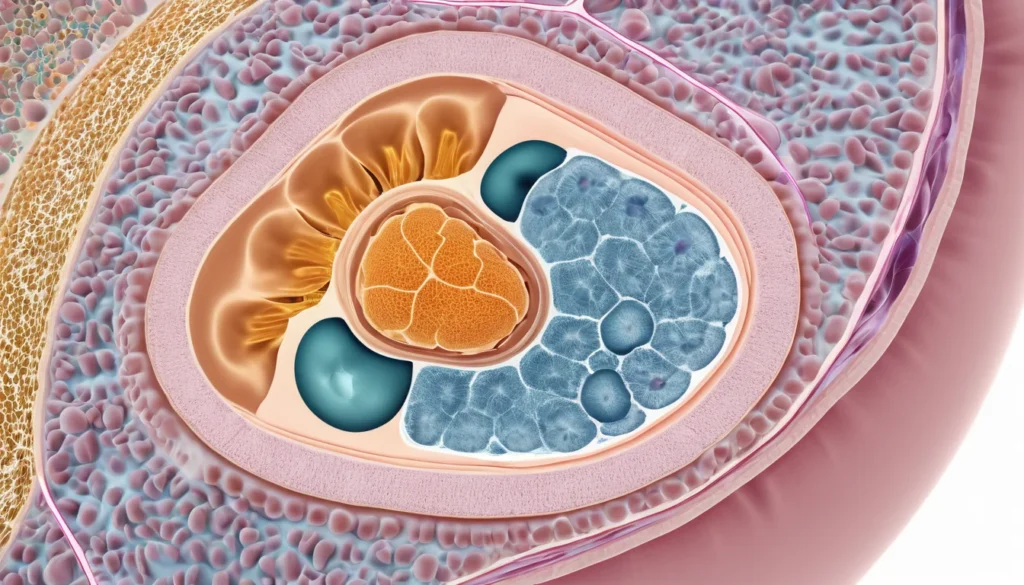
Your body is made up of trillions of cells. Normally, these cells grow, do their job, and then die in a controlled way. Cancer happens when cells start growing out of control, forming a mass called a tumour. That tumour can sometimes spread to other parts of the body.
Cancer can develop at any age. However, it is most often diagnosed in middle-aged and older adults. The cell changes that lead to cancer often begin many years before a diagnosis. That is why healthy habits matter at every stage of life — not just when you get older.
The number of people diagnosed with cancer is rising. This is partly because people are living longer. It is also linked to lifestyle and environmental factors like smoking, diet, and pollution. The good news is that many of these factors are within your control.
Cancer Prevention Starts With What You Put in Your Body
Tip 1: Do Not Smoke or Use Tobacco
Tobacco use is one of the biggest known causes of cancer. This includes cigarettes, cigars, chewing tobacco, and any other form. If you do not smoke, do not start. If you do smoke, quitting is the single most important step you can take for your health.
Talk to your family doctor or visit a walk-in clinic for support. Many provincial health plans in Canada cover smoking cessation programmes, including counselling and nicotine replacement therapy. Health Canada’s smoking and tobacco resources can help you find local support.
Tip 2: Make Your Home Smoke-Free
Second-hand smoke is also dangerous. It puts everyone in your home at risk, especially children. Support smoke-free policies at work and in public spaces. If someone in your household smokes, encourage them to seek help and avoid smoking indoors.
Tip 3: Maintain a Healthy Body Weight
Being overweight increases the risk of several types of cancer. These include breast, colon, and kidney cancers. Aim for a healthy weight through a balanced diet and regular physical activity. Even small, gradual changes can make a real difference over time.
Tip 4: Stay Physically Active
Regular movement helps your body in many ways, including reducing cancer risk. Try to be active every day — even a brisk 30-minute walk counts. Limit the time you spend sitting, whether at a desk or in front of a screen. Breaking up long periods of sitting with short movement breaks is a simple habit worth building.
Healthy Eating for Cancer Prevention
Tip 5: Eat a Cancer-Fighting Diet
What you eat every day has a real impact on your cancer risk. A healthy diet for cancer prevention includes plenty of whole grains, legumes, vegetables, and fruits. These foods are rich in fibre, vitamins, and antioxidants that help protect your cells.
On the other hand, try to limit high-calorie foods that are loaded with fat or sugar. Avoid sugary drinks like pop and energy drinks. Most importantly, avoid processed meats such as deli meats, hot dogs, and sausages. Limit red meat and foods high in salt as well.
A diet built around plants and whole foods does not have to be complicated. Small swaps — like choosing brown rice over white, or snacking on fruit instead of chips — add up over the years.
Tip 6: Limit Alcohol Consumption
Alcohol increases the risk of several cancers, including those of the mouth, throat, liver, and breast. If you choose to drink, keep it to a minimum. The European Cancer Code is clear: for cancer prevention, the best amount of alcohol is none at all. However, if you do drink, stay within Canada’s low-risk alcohol guidelines.
Protecting Yourself From Environmental Cancer Risks
Tip 7: Be Sun Smart
Too much sun exposure is a leading cause of skin cancer. Protect yourself by using sunscreen with a high SPF, wearing protective clothing, and seeking shade during peak sun hours (10 a.m. to 4 p.m.). This is especially important for children, whose skin is more vulnerable.
In addition, avoid tanning beds completely. Despite what some people believe, there is no such thing as a “safe tan” from a tanning booth. Mayo Clinic explains why tanning beds significantly raise your skin cancer risk. The same risk-reduction advice applies year-round in Canada, even on cloudy days.
Tip 8: Know Your Workplace Hazards
Some workplaces expose people to cancer-causing substances, called carcinogens. These include asbestos, certain chemicals, and industrial dust. Always follow health and safety guidelines at work. If you are unsure what you may be exposed to, speak with your employer or occupational health officer.
Tip 9: Check Your Home for Radon
Radon is a naturally occurring radioactive gas that can seep into homes through the foundation. It has no smell or colour, so you cannot detect it without testing. Radon exposure is the second leading cause of lung cancer in Canada after smoking. Test your home — especially the basement — and take action if levels are high. Health Canada offers guidance on radon testing and mitigation.
Cancer Prevention for Women and Families
Tip 10: Breastfeeding and Hormone Therapy
Breastfeeding offers health benefits for both baby and mother. Research shows that breastfeeding can reduce the mother’s risk of breast cancer. If you are able to breastfeed, it is worth considering for this reason among others.
Furthermore, hormone replacement therapy (HRT), sometimes used to manage menopause symptoms, can increase the risk of certain cancers. This does not mean you should avoid it entirely. However, talk to your doctor about the risks and benefits for your personal situation before starting or continuing HRT.
Tip 11: Vaccinate Your Children
Two important vaccines help prevent cancers caused by viral infections. The hepatitis B vaccine protects against a virus that can lead to liver cancer. The HPV (human papillomavirus) vaccine protects against a virus that can cause cervical cancer and other cancers.
Both vaccines are included in provincial immunisation programmes across Canada. Talk to your child’s doctor or public health nurse to make sure your child is up to date. Early vaccination provides the strongest protection.
Cancer Screening: Catching It Early
Tip 12: Participate in Recommended Screening Programmes
Cancer prevention is not only about avoiding risk factors. It also means catching cancer early, when it is easiest to treat. Organised screening programmes check for cancer in people who have no symptoms. Finding cancer before symptoms appear can be life-saving.
The European Cancer Code recommends screening for three types of cancer:
Colorectal (bowel) cancer — recommended for both men and women
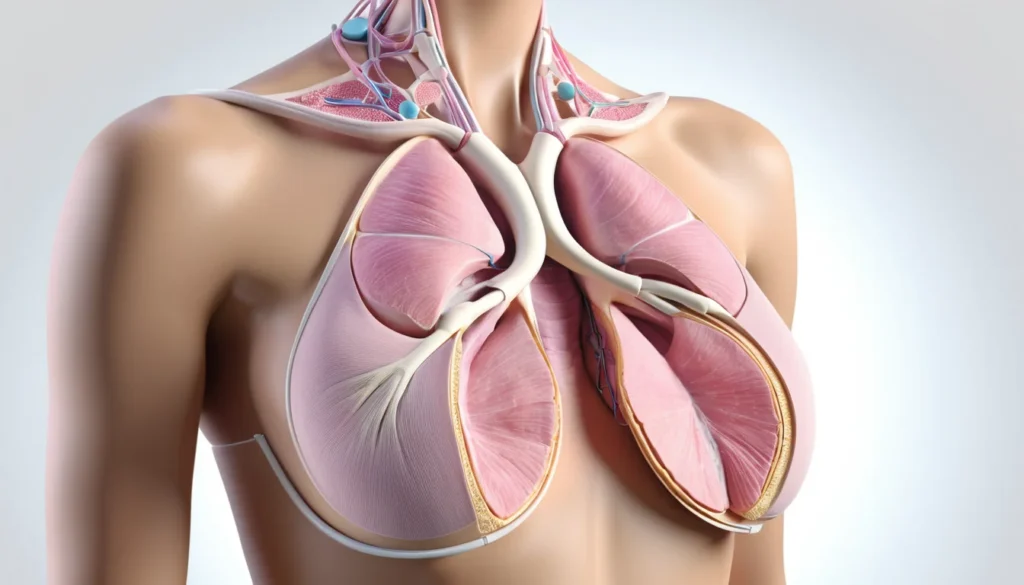
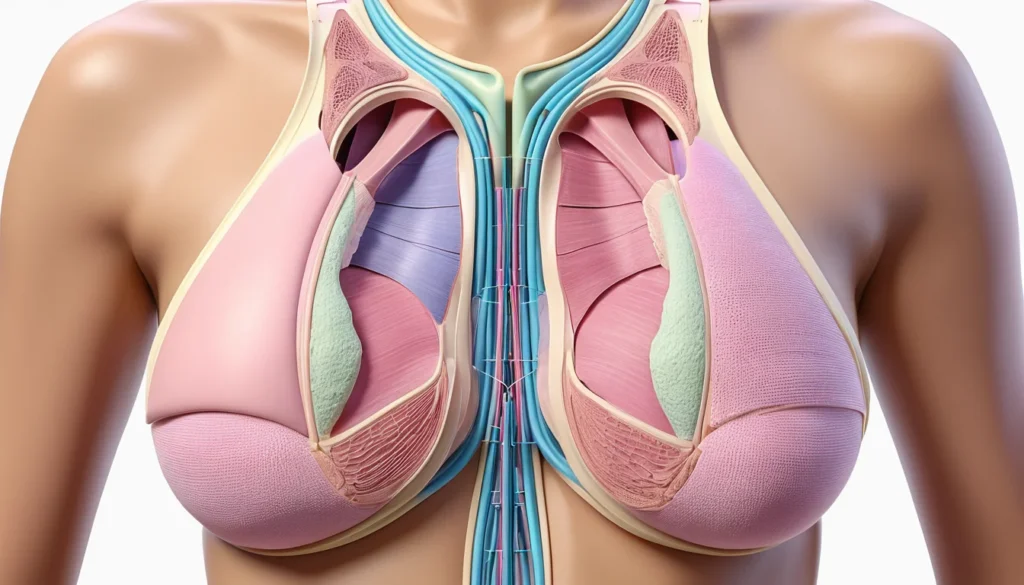
Breast cancer — recommended for women
Cervical cancer — recommended for women
In Canada, all provinces and territories offer organised cancer screening programmes. These are often covered under your provincial health plan at no direct cost to you. Ask your family doctor which screenings are appropriate for your age and health history. If you do not have a family doctor, a walk-in clinic can help connect you with the right resources.
It is important to note that skipping screening means cancer may only be found once symptoms appear. At that point, the cancer may already be advanced. Early detection leads to better outcomes, less aggressive treatment, and a much better quality of life.
When to See a Doctor
You do not need to wait for symptoms to talk about cancer prevention. Booking a regular check-up with your family doctor is a great first step. During this visit, your doctor can review your personal risk factors and recommend appropriate screenings.
If you do not have a family doctor, a walk-in clinic can provide basic guidance. Many communities across Canada also have cancer screening centres and public health units that offer support. If you notice any unusual changes in your body — such as unexplained weight loss, a new lump, changes in bowel habits, or unusual bleeding — see a healthcare provider as soon as possible. Do not wait to see if it goes away on its own.
Always speak with a qualified healthcare professional before making major changes to your health routine. This article is for general information only and is not a substitute for personalised medical advice.
Frequently Asked Questions About Cancer Prevention
What is the most effective cancer prevention strategy?
The most effective cancer prevention strategy combines not smoking, eating a healthy diet, staying physically active, and participating in recommended screening programmes. No single step eliminates all risk, but together these habits can significantly lower your chances of developing cancer. Talk to your family doctor about the steps most relevant to your health history.
Can cancer be prevented completely?
Cancer prevention measures can greatly reduce your risk, but they cannot guarantee that you will never develop cancer. Some cancers are influenced by genetics or factors we do not yet fully understand. However, following evidence-based guidelines significantly improves your odds and helps detect any cancer early if it does occur.
What foods help with cancer prevention?
Foods that support cancer prevention include whole grains, legumes, fruits, and vegetables, which are high in fibre and protective antioxidants. Limiting processed meats, red meat, sugary drinks, and high-fat foods also reduces risk. A plant-rich diet is consistently linked to lower rates of several common cancers.
Does alcohol really increase cancer risk?
Yes, alcohol is a known carcinogen and increases the risk of cancers including breast, colon, liver, and throat cancer. Even moderate drinking raises risk to some degree. For cancer prevention, health experts recommend limiting alcohol as much as possible or avoiding it altogether.
What cancer screenings are available in Canada?
Most Canadian provinces offer organised screening programmes for colorectal, breast, and cervical cancers, often at no direct cost through your provincial health plan. Your family doctor or local walk-in clinic can tell you which screenings are recommended for your age and risk level. Early detection through screening is one of the most powerful cancer prevention tools available.
Does the HPV vaccine prevent cancer?
Yes, the HPV vaccine is a proven cancer prevention tool. It protects against strains of human papillomavirus that cause cervical cancer, as well as some other cancers. The vaccine is most effective when given before exposure to the virus, which is why it is offered to children and adolescents through provincial immunisation programmes across Canada.
Key Takeaways
Cancer prevention is possible through daily lifestyle choices and participation in screening programmes.
Not smoking is the single most important step you can take to reduce your cancer risk.
A healthy diet rich in fibre, fruits, vegetables, and whole grains helps protect against cancer.
Limiting alcohol, staying active, and maintaining a healthy weight all reduce your risk significantly.
Protect yourself from sun exposure and check your home for radon — both are real cancer risks in Canada.
Vaccines for hepatitis B and HPV can prevent cancers caused by viral infections.
Participating in provincial cancer screening programmes can detect cancer early, when it is most treatable.
Always speak with your family doctor or a healthcare provider for personalised advice on cancer prevention.