Cancer pain management is one of the most important parts of living with cancer. Pain can come from the tumour itself, or from treatments like surgery, chemotherapy, or radiation. The good news is that cancer pain can be controlled. With the right plan, your quality of life can improve — no matter what stage of cancer you have.
What Causes Pain in Cancer Patients?
Cancer pain has more than one cause. A tumour can press on bones, nerves, or nearby organs. This pressure creates pain that can range from mild to severe.
Cancer treatments also cause pain. Surgery leaves wounds that need to heal. Chemotherapy can cause nerve pain, mouth sores, and muscle aches. Radiation may irritate skin and tissue in the treated area.
Everyone experiences pain differently. Your pain threshold — the point at which you feel discomfort — is unique to you. That is why describing your pain clearly to your healthcare team is so important.
How to Describe Your Cancer Pain to Your Doctor
Your doctor cannot feel your pain. You are the only one who can describe it. Being specific helps your medical team create a better cancer pain management plan for you.
When you visit your family doctor or specialist, be ready to share the following details:
When it started: Note when the pain began and how long each episode lasts.
What it feels like: Use words like dull, sharp, burning, stabbing, steady, or throbbing.
Where it is: Point to the exact location. Tell your doctor if it stays in one spot or spreads to other areas.
What makes it better or worse: For example, does rest help? Does movement make it worse?
How intense it is: Use a pain scale from 0 to 10. Zero means no pain. Ten means the worst pain you can imagine.
A simple notebook works well for tracking your pain. Write down the time, the pain score, and anything that changed that day. This information is very useful at your next appointment.
The Pain Scale: A Simple Tool
The 0-to-10 pain scale is a standard tool used across Canadian hospitals and clinics. It helps your healthcare team measure how well treatment is working over time. Try to record your score at the same times each day, such as morning, afternoon, and bedtime.
Furthermore, tracking your pain between appointments helps your doctor adjust your treatment faster. Do not wait until a follow-up visit if your pain suddenly gets much worse.
Cancer Pain Management: Your Treatment Options
Effective cancer pain management uses many different tools. Your doctor will recommend a plan based on the type and severity of your pain. In many cases, a combination of approaches works best.
According to the World Health Organization’s cancer guidelines, a step-by-step approach to pain relief is recommended worldwide. Canada follows similar standards in cancer care.
Non-Prescription and Comfort-Based Options
Mild pain may respond well to simple measures. These include:
Heat packs or cold compresses on painful areas
Over-the-counter pain relievers such as acetaminophen (Tylenol) or ibuprofen (Advil)
Vitamin supplements, as recommended by your doctor
Relaxation techniques, biofeedback, or guided hypnosis
Complementary therapies like acupuncture or aromatherapy
However, always check with your doctor or pharmacist before taking any over-the-counter medication. Some pain relievers can interact with cancer treatments.
Prescription Medications for Cancer Pain
When pain is moderate to severe, your doctor may prescribe stronger medications. These include:
Anti-inflammatory drugs: Non-steroidal anti-inflammatory drugs (NSAIDs) and corticosteroids reduce swelling and pain.
Opioids: Medications like morphine, hydrocodone, and fentanyl are effective for severe cancer pain. They are carefully managed by your healthcare team.
Antidepressants: Certain antidepressants, including tricyclic types, also help relieve nerve pain.
Anticonvulsants: Drugs like gabapentin (Neurontin) or carbamazepine (Tegretol) are often used for burning or shooting nerve pain.
Topical creams: Creams containing capsaicin or lidocaine can relieve pain on the skin and in surrounding tissue.
Mouth rinses: Special rinses help treat mouth pain caused by chemotherapy.
As a result of advances in pain medicine, most cancer patients can achieve meaningful relief. Talk openly with your oncologist or palliative care team about what is and is not working.
Advanced Pain Management Options
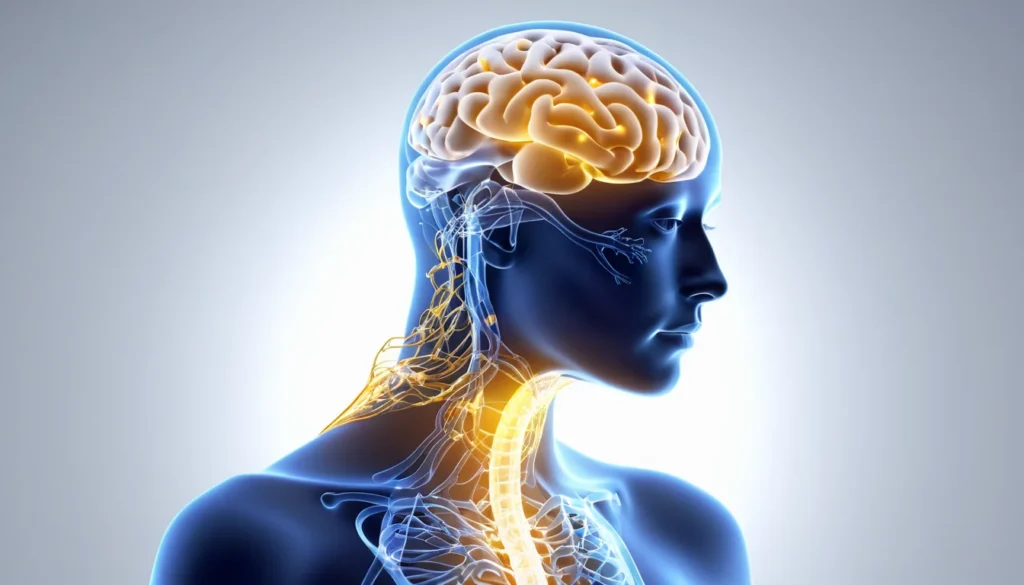
For harder-to-treat pain, additional medical options are available. Nerve blocks stop pain signals from reaching the brain. Implanted pumps deliver pain medication directly to the spinal cord. These approaches are used when other methods are not enough.
In addition, psychological support plays a real role in cancer pain management. Many patients find that speaking with a psychologist or counsellor helps them cope better with chronic pain. Ask your care team for a referral if you feel this could help you.
Keeping a Pain Management Record
Your cancer care team may ask you to keep a pain diary or a treatment record. This is sometimes called a pain management plan or pain log. It tracks which treatments you have tried, how well they worked, and any side effects you noticed.
This record is valuable for every member of your care team, including your oncologist, family doctor, nurses, and pharmacist. It helps everyone make informed decisions about your care. Therefore, bring your pain log to every appointment.
Note every change in your treatment — whether your doctor made the change or you made an adjustment at home. Honest and complete records lead to better outcomes. You can learn more about tracking symptoms through Healthline’s guide to understanding cancer pain.
Will I Become Addicted to Pain Medication?
Many people worry about becoming dependent on pain medication. This is a very common concern, and it is completely understandable. However, research shows that addiction is rare when pain medication is used correctly under medical supervision.
The goal of cancer pain medication is to improve your daily function and quality of life. Your healthcare team monitors your dosage carefully. If you have concerns about dependence, speak honestly with your doctor. They will not judge you, and they can explain your risks clearly.
Do not let fear of addiction stop you from seeking pain relief. Untreated cancer pain is harder to control over time. It is always easier to manage pain early than to try to catch up later.
For more information on safe medication use in cancer care, visit Health Canada’s opioid information resource.
When to See a Doctor About Cancer Pain
Do not wait for a scheduled appointment if your pain changes suddenly or becomes unbearable. In Canada, you have several options for getting help quickly.
Call your family doctor: Your family doctor is your first point of contact. They can adjust your pain plan or refer you to a specialist.
Visit a walk-in clinic: If your family doctor is not available, a walk-in clinic can assess your pain and provide short-term help.
Contact your cancer care centre: Most provincial cancer centres have on-call nurses or hotlines for patients between appointments.
Go to the emergency room: If your pain is sudden, severe, or comes with other alarming symptoms, go to your nearest emergency department right away.
Your provincial health plan covers cancer-related medical visits. You should never avoid seeking care because of cost. Pain that is reported early is pain that is treated earlier — and that makes a real difference.
Always speak with a qualified healthcare provider before starting, stopping, or changing any pain medication. This article provides general information only and is not a substitute for professional medical advice.
Frequently Asked Questions About Cancer Pain Management
Can cancer pain be completely eliminated?
For many patients, effective cancer pain management can reduce pain to a very low or manageable level. Complete elimination is not always possible, but most people can achieve significant relief with the right combination of treatments. Talk to your oncologist or palliative care team about setting realistic goals for your pain control.
Is it safe to take opioids for cancer pain?
Yes, opioids are considered safe and appropriate for cancer pain when prescribed and monitored by a doctor. They are a key part of cancer pain management for moderate to severe pain. Your healthcare team will track your dosage and watch for side effects to keep you as safe as possible.
What does cancer pain feel like?
Cancer pain feels different for every person. It may be dull and constant, sharp and stabbing, burning, or throbbing. Some people feel it in one spot, while others notice it spreading to other areas of the body.
How do I talk to my doctor about cancer pain in Canada?
Be as specific as possible when describing your pain to your family doctor or specialist. Use the 0-to-10 pain scale, describe where it hurts and what it feels like, and share your pain diary if you keep one. Good communication is the foundation of a strong cancer pain management plan.
Are there natural remedies for cancer pain?
Some complementary therapies, such as acupuncture, relaxation techniques, and aromatherapy, may help reduce cancer pain for some patients. However, they work best alongside — not instead of — medical treatment. Always tell your doctor about any natural or complementary therapies you are using.
Does cancer pain get worse over time?
Cancer pain can change as the disease progresses or as treatment continues. Some patients find their pain improves with treatment, while others may experience new or worsening pain. Regular check-ins with your healthcare team ensure your cancer pain management plan stays up to date.
Key Takeaways
Cancer pain is manageable. Effective cancer pain management can significantly improve your quality of life at any stage of illness.
Describe your pain clearly. Use the 0-to-10 scale and keep a pain diary to help your healthcare team understand what you are experiencing.
Many treatment options exist. From over-the-counter medications to opioids, nerve blocks, and complementary therapies, your doctor can tailor a plan for you.
Addiction risk is low under proper supervision. Do not let fear of dependence prevent you from getting the pain relief you need.
Keep a treatment record. A pain log helps every member of your care team make better decisions on your behalf.
Seek help early. Contact your family doctor, walk-in clinic, or cancer care centre as soon as your pain changes. Early treatment is always more effective.
Always consult your doctor before making any changes to your pain treatment plan.