Cancer pain affects about one in three people diagnosed with cancer. If you or someone you love is living with cancer, understanding what causes this pain — and how to manage it — can make a real difference in daily life. This article explains why cancer pain happens, how to describe it to your doctor, and what treatment options are available to Canadians today.
What Is Cancer Pain?
Cancer pain is not the same for everyone. It can feel sharp and stabbing, like a sudden jolt. Or it can feel dull and constant, like a deep ache that never fully goes away.
Some people experience pain in short bursts. Others feel it continuously throughout the day. The type, location, and intensity of cancer pain depend on many factors, including the type of cancer and how far it has progressed.
The good news is that modern medicine has many effective tools to manage cancer pain. In most cases, doctors can reduce pain to a level that allows you to carry on with your everyday activities.
Common Causes of Cancer Pain
Cancer pain can come from several different sources. Understanding the cause helps your healthcare team choose the right treatment for you.
Pain Caused by the Tumour Itself
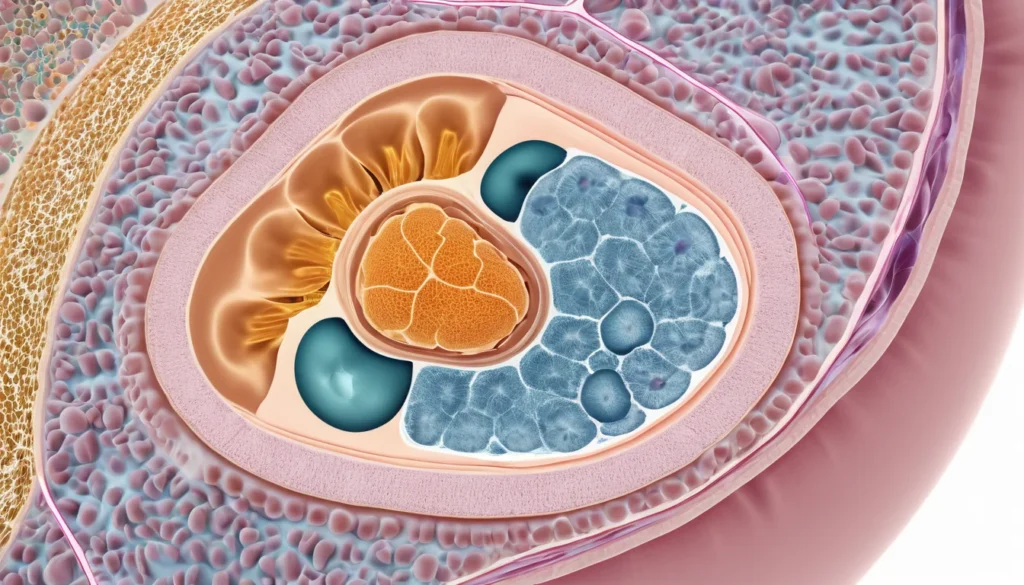
As a tumour grows, it can press on nearby nerves, bones, or organs. This pressure sends pain signals to the brain. For example, a tumour pressing on a nerve can cause sharp or burning pain in the surrounding area.
Cancer can also spread into nearby tissue. When it reaches nerve endings, those nerves become irritated and send pain signals. This is one of the most common reasons people with advanced cancer experience significant discomfort.
In addition, tumours can press on blood vessels or internal organs. Many of these structures have rich nerve supplies, so even mild pressure can result in noticeable pain.
Pain from Cancer Treatment
Cancer treatment itself can sometimes cause pain. Surgery, for example, often leads to soreness, tenderness, or nerve-related discomfort during recovery.
Chemotherapy and radiation therapy are also common sources of pain. These treatments work by targeting cancer cells, but they can affect healthy tissue as well. As a result, some patients experience mouth sores, nerve pain, or skin irritation.
According to Health Canada, managing treatment-related side effects is an important part of overall cancer care. You do not have to simply endure the pain — there are options available to help.
Pain from Diagnostic Procedures
Tests used to monitor cancer — such as biopsies or imaging procedures — can also cause temporary discomfort. This type of pain is usually short-lived. However, it is worth mentioning to your care team so they can take steps to reduce it.
How to Describe Your Cancer Pain to Your Doctor
The more clearly you can describe your cancer pain, the better your doctor can treat it. Pain medications work differently depending on the type of pain, so precise descriptions genuinely matter.
When you visit your family doctor, a walk-in clinic, or your oncology team, try to share the following details:
Location: Where exactly do you feel the pain?
Type: Is it sharp, burning, dull, or throbbing?
Timing: Is it constant, or does it come and go?
Severity: On a scale of 0 to 10, how intense is it?
Triggers: Does anything make it worse or better?
Response to treatment: How well did your last medication work?
Keeping a Pain Journal
Many specialists recommend keeping a daily pain journal. In it, you can record your pain levels, the medications you took, and how your body responded. This information helps your doctor fine-tune your treatment plan over time.
You can also note any side effects you experienced. This is especially helpful if you are trying multiple medications. A journal gives your care team a clear picture of what is working and what is not.
Furthermore, noting side effects is important if there is any concern about medication dependence. Your doctor needs this information to keep your treatment both safe and effective.
Cancer Pain Treatment Options
Effective cancer pain management is possible in almost all cases. The goal is not always to eliminate pain completely. Instead, the aim is to reduce it to a level that lets you function and feel comfortable.
Pain Medications (Analgesics)
Doctors use a range of pain medications, from over-the-counter options like acetaminophen (Tylenol) to stronger prescription drugs. For moderate to severe cancer pain, opioid medications — such as morphine or oxycodone — are often recommended.
The Mayo Clinic’s guidance on cancer pain confirms that opioids are a safe and effective option when used correctly under medical supervision. Many Canadians worry about becoming dependent on these medications. However, dependence is rare when opioids are taken exactly as prescribed.
It is important to understand that using pain medication responsibly is not the same as addiction. Addiction involves a psychological craving for a substance even when it is causing harm. Taking prescribed opioids to manage legitimate cancer pain is a medically guided process, not a lifestyle choice.
Who Should Be Careful with Opioids?
Opioid pain relief may not be appropriate for everyone. Your doctor may recommend alternatives if you have a history of substance use disorder, alcohol dependency, or prolonged heavy smoking.
Always take your medication exactly as directed. Mixing opioids with alcohol or taking higher doses than prescribed can be very dangerous. If you have any concerns, speak with your family doctor or pharmacist right away.
Combining Treatments for Better Relief
Pain management often works best when several approaches are combined. In addition to medication, your care team might recommend:
Physiotherapy to improve movement and reduce tension
Nerve blocks or local anaesthesia for targeted relief
Radiation therapy to shrink tumours pressing on nerves
Psychological support to help manage the emotional toll of chronic pain
Palliative care services, which are available across Canadian provinces through most regional health authorities
Starting Treatment Early Makes a Difference
One of the most important things to know about cancer pain is that early treatment works better. If pain is allowed to escalate, it becomes much harder to manage. Therefore, do not wait until the pain becomes unbearable before speaking to your doctor.
Most provincial health plans in Canada cover pain management as part of cancer care. Ask your care coordinator or family doctor about what services are available in your province or territory.
Addressing Fears About Pain Medication
Many Canadians with cancer feel anxious about taking strong pain medications. This is completely understandable. However, avoiding necessary medication can reduce your quality of life significantly.
The World Health Organization’s cancer pain guidelines emphasise that uncontrolled pain is itself a serious health concern. Effective pain relief supports better sleep, improved mood, and a stronger ability to tolerate other cancer treatments.
Specialists consistently advise patients to move past fear of dependence. When you take your medication responsibly and as directed, the clinical benefits far outweigh the risks. Your overall wellbeing matters, and managing pain is a key part of that.
When to See a Doctor About Cancer Pain
You should speak with your family doctor or oncologist as soon as you notice new or changing pain. Do not wait for your next scheduled appointment if the pain is affecting your daily life.
Visit a walk-in clinic or call 811 (Health811, available in most provinces) if:
Your current pain medication no longer seems to be working
You are experiencing new pain in a different location
The pain is waking you up at night
You have noticed side effects from your current medication
Your pain level is consistently above 6 out of 10
Your care team is there to help. Describing your symptoms clearly — including when they started, how they feel, and what makes them better or worse — helps your doctor find the most effective solution faster.
Always consult your doctor or a qualified healthcare professional before starting, stopping, or changing any pain medication. This article is for informational purposes only and is not a substitute for professional medical advice.
Frequently Asked Questions About Cancer Pain
Does cancer always cause pain?
No, cancer does not always cause pain. About one in three people with cancer experience cancer pain, and the likelihood increases with more advanced stages. Many people, especially in early stages, feel little to no discomfort.
What does cancer pain feel like?
Cancer pain can feel very different depending on its cause. It may feel sharp and stabbing, dull and constant, burning, or like a deep pressure. Some people experience cancer pain in short bursts, while others feel it all the time.
Can cancer pain be managed at home?
Yes, many people manage cancer pain effectively at home with prescribed medications. Your doctor may also suggest heat therapy, gentle movement, or rest strategies to complement your medication. Always follow your healthcare team’s guidance and report any changes in your pain levels.
Are opioids safe for cancer pain relief?
When taken exactly as prescribed under medical supervision, opioids are considered safe and effective for managing cancer pain. The risk of addiction is low for patients who follow their doctor’s instructions. However, they are not suitable for everyone, so always discuss your medical history with your doctor first.
Is cancer pain covered by provincial health plans in Canada?
In most provinces and territories, pain management is included as part of publicly funded cancer care. Coverage for specific medications may vary by province, so it is a good idea to ask your oncologist or family doctor about what is covered under your provincial health plan.
When should I call my doctor about cancer pain?
You should contact your doctor as soon as you notice new, worsening, or changing cancer pain. Do not wait until your next scheduled appointment if the pain is interfering with sleep or daily activities. In many provinces, you can also call 811 for guidance from a registered nurse.
Key Takeaways
Cancer pain affects roughly one in three people with cancer, and is more common in advanced stages.
Pain can come from the tumour itself, from cancer spreading to nearby tissue, or from treatments like chemotherapy and radiation.
Describing your pain clearly to your doctor — including its type, location, and severity — leads to better, more targeted treatment.
Keeping a daily pain journal helps your care team track what is working and adjust your treatment plan.
Opioid medications are safe when used responsibly and as directed; the risk of addiction is low for most cancer patients.
Starting pain treatment early is more effective than waiting for pain to become severe.
Most provincial health plans in Canada include coverage for cancer pain management — ask your doctor or care coordinator about your options.
Always speak with your family doctor, oncologist, or a walk-in clinic if your pain changes or worsens.